



How to Hire the Best Gojek Clone Developer
Create a powerful, customizable streaming solution with Miracuves’ Gojek Clone, equipped with high-performance features and next-gen technology.
Launch your own powerful super app with a fully customizable Gojek clone built to support ride-hailing, food delivery, payments, and more, all under one roof.
So, you’ve nailed the concept. You’ve identified your market. Maybe you’ve even planned the services you’ll bundle. Now comes the make-or-break question: Who’s going to build your Gojek clone app?
This isn’t a job for a jack-of-all-trades freelancer or a generic development agency. You need a Gojek clone developer who truly understands what it takes to bring a multi-service platform to life with seamless tech, intuitive design, and serious scalability.
In this guide, we’ll walk you through exactly what to look for in a Gojek clone development company — so you can hire a partner who helps you build fast, launch strong, and grow with confidence.
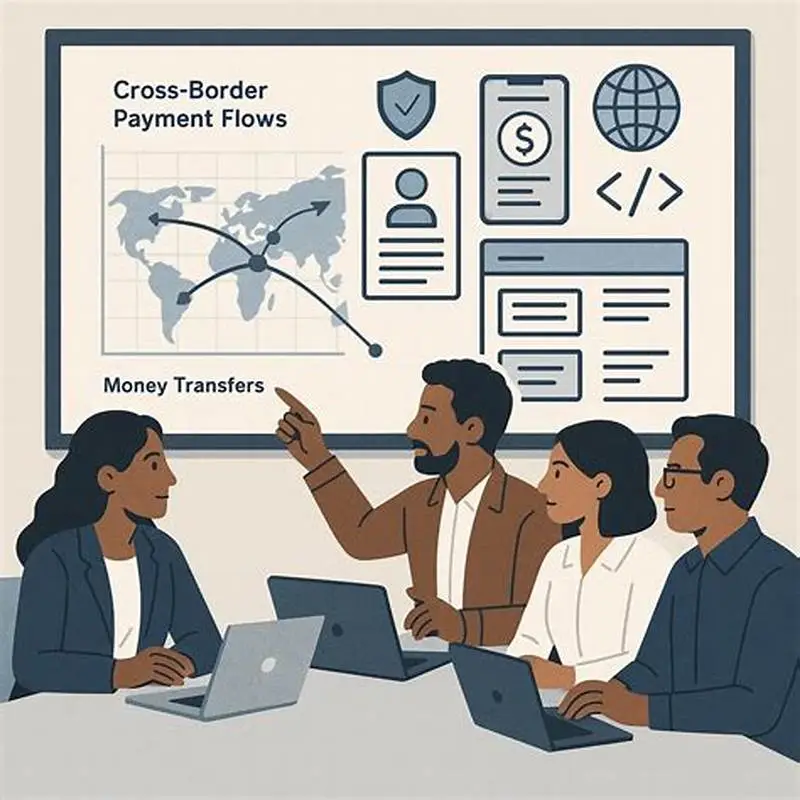
Look for Domain Expertise
Multi-service apps are complex. You’re combining on-demand logistics, real-time communication, payment processing, user management — all into a single ecosystem.
That’s why domain expertise is non-negotiable. Here’s what to look for:
Relevant past projects: Have they built Gojek-style super apps before? Ask for demos, links, or app store listings.
Service-specific knowledge: From ride dispatching to restaurant order flow, the right team should understand how each module works individually and together.
Understanding of regional compliance: A developer who knows how to implement local tax logic, currency conversions, and KYC workflows is a big plus.
Hiring a company that’s already tackled these challenges means fewer surprises — and a much smoother path from planning to launch.
Tech Stack & Scalability
Your super app needs to handle thousands of users, real-time updates, and multi-service logic. It can’t buckle under pressure.
The right Gojek clone developer will use a tech stack built for growth:
Modern frameworks: React Native or Flutter for mobile, Node.js or Laravel for backend, Firebase or AWS for scalability.
Modular codebase: So you can start lean, then add services like courier delivery, grocery, or payments as your business grows.
Real-time infrastructure: Socket.IO or MQTT for live tracking, notifications, and dispatch updates.
Security protocols: Think role-based access control, end-to-end encryption, and GDPR-ready data handling.
Ask about traffic simulations, load testing, and uptime benchmarks. If they can’t show you numbers — walk away.


UI/UX Capabilities
Your app might offer 30+ services, but the experience should feel effortless for every user. Clean design isn’t optional — it’s what keeps people coming back.
Look for teams that prioritize:
User-first design: Clear navigation, intuitive flows, and responsive design across Android, iOS, and web.
Role-specific dashboards: Tailored experiences for users, service providers, and admins.
Custom branding: Your app shouldn’t look like a template. Check if they offer flexible UI customization — from colors and fonts to component layouts.
Localization and accessibility: Multilingual support, RTL compatibility, and ease-of-use across low-end devices.
A polished UI/UX builds trust, boosts engagement, and differentiates you from lookalike competitors.
Communication & Workflow
Building a super app is not a “one and done” deal. You’ll be working closely with your development partner for months — maybe years.
Here’s how to ensure a smooth collaboration:
Transparent project management: Do they use tools like Trello, ClickUp, or Jira to track deliverables?
Frequent updates: Regular sprints, demos, and open Slack or WhatsApp channels help prevent scope creep.
Direct access to key people: You should be able to speak to a developer or project manager — not just a sales rep.
Post-launch support: Bug fixes, version upgrades, and scaling optimizations should all be part of the deal.
The right team doesn’t just build your app — they become your long-term tech partner.


Pricing Models & Quality
Gojek clone development isn’t cheap. But it also shouldn’t feel like a gamble.
Here’s how to make sure you’re getting value for money:
Get detailed estimates: Break down costs by feature/module, timeline, and milestone.
Watch out for vague pricing: “Starting at $2,000” sounds great until you realize nothing’s included.
Understand the licensing model: Are you getting full source code? Or just a usage license?
Balance cost with credibility: Rock-bottom prices usually mean cutting corners on testing, security, or scalability.
Smart founders don’t just look for the lowest quote — they look for the best return on investment.
Choose the Right Development Partner
Even with a solid roadmap, building a full-fledged super app like Gojek is no small feat — you need a development team that truly understands the complexity of multi-service ecosystems. Partnering with the right Gojek clone developer can accelerate your launch, optimize your investment, and help you avoid costly missteps.
Look for a partner that offers:
Proven expertise in building and scaling multi-service super apps
A strong portfolio of live platforms combining delivery, mobility, and payments
Complete development services — from feature planning to post-launch scaling
Built-in modules that are field-tested and market-ready
At Miracuves, we go beyond just cloning features — we engineer fully customized, scalable super apps tailored to your goals. Whether you’re launching in one city or ten, we deliver the tech that grows with you. Let us build your Gojek clone, so you can focus on operations, partnerships, and growing your user base.
Conclusion
Hiring the best Gojek clone developer isn’t just about finding coders — it’s about choosing a strategic partner who understands the scale, complexity, and opportunity behind multi-service super apps.
When you prioritize domain experience, robust technology, excellent UI/UX, clear communication, and transparent pricing, you set yourself up for a successful launch and long-term growth.
Frequently Asked Questions
A Gojek clone developer specializes in building multi-service apps similar to Gojek — offering ride-hailing, food delivery, courier, and other on-demand services in one platform.
With Miracuves, you can get a Gojek clone developed starting at $3,699. Most builds are completed in 3–9 days only (including configuration, QA/testing, and deployment), with the final timeline depending on the modules you want—rides, delivery, payments, admin panel, and more.
Yes. A modular Gojek clone app lets you start with core features like taxi and food delivery, and add more services as you grow.
With Miracuves, a Gojek clone app can be designed, built, and launched in 3–9 days only. This includes setup, testing, and deployment—timing mainly depends on which services you enable (rides, delivery, wallet, vendor/driver apps, admin dashboard, etc.).
Most developers offer apps for Android and iOS, along with a web-based admin panel and sometimes a provider web app.
