




You’ve probably heard the horror stories—crypto exchange platforms getting hacked, millions lost overnight, and user trust destroyed in seconds. When money, personal data, and digital assets are involved, security isn’t optional anymore.
In 2026, launching a white-label crypto exchange app comes with higher expectations, stricter regulations, and smarter attackers. Businesses want speed-to-market, but users demand bank-level security.
This guide gives you an honest, practical look at white-label crypto exchange app safety—what risks exist, what standards matter, and how to build a secure platform without cutting corners. We’ll also show how security-first providers like Miracuves reduce these risks from day one.
Understanding White-Label Crypto Exchange App Security Landscape
What White-Label App Security Really Means
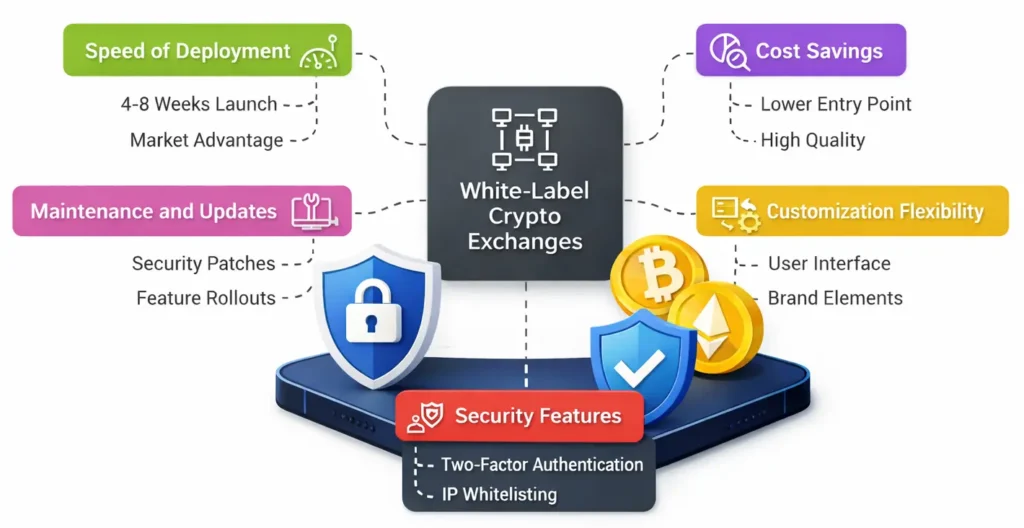
White-label crypto exchange app security refers to the protection mechanisms built into a pre-developed app framework. This includes how user data, wallets, transactions, and backend systems are secured before customization.
Common Security Myths vs Reality
Many assume white-label apps are less secure than custom builds. In reality, security depends on code quality, infrastructure, and compliance—not whether the app is prebuilt.
Why Businesses Worry About White-Label Apps
Crypto apps handle sensitive financial data, making them prime targets for hackers. A single breach can lead to legal trouble, loss of funds, and permanent brand damage.
Current Threat Landscape for Crypto Exchange Apps
In 2026, common threats include wallet hacks, API attacks, phishing, smart contract flaws, and insider risks. Crypto exchange apps remain one of the most attacked app categories globally.
Security Standards in 2026
Modern crypto exchange apps must follow zero-trust architecture, encrypted key storage, real-time monitoring, and strict regulatory compliance across regions.
Real-World Security Incident Statistics
Over 60% of reported crypto platform breaches are linked to poor access controls and unpatched vulnerabilities, not the white-label app model itself.
Key Security Risks & How to Identify Them
Data Protection & Privacy Risks
Crypto exchange apps process highly sensitive data, making data protection a top priority.
User Personal Information
Names, emails, IDs, and KYC documents must be encrypted and access-controlled.
Payment Data Security
Poor wallet security or hot wallet exposure can lead to instant financial loss.
Location Tracking Concerns
Unsecured IP and location data can expose users to targeted attacks.
GDPR and CCPA Compliance
Failure to meet data protection laws can result in heavy penalties and app bans.
Technical Vulnerabilities
Weak technical foundations are a major cause of crypto exchange app breaches.
Code Quality Issues
Unoptimized or reused code can introduce hidden vulnerabilities.
Server Security Gaps
Misconfigured cloud servers are a common entry point for attackers.
API Vulnerabilities
Insecure APIs can allow unauthorized access to user accounts and funds.
Third-Party Integrations
External services increase risk if not regularly audited.
Business-Level Risks
Security failures affect more than just technology.
Legal Liability
Data breaches can trigger lawsuits and regulatory investigations.
Reputation Damage
Loss of user trust is often permanent after a major breach.
Financial Losses
Downtime, theft, and recovery costs can cripple businesses.
Regulatory Penalties
Non-compliance can lead to license suspension or fines.
Crypto Exchange App Risk Assessment Checklist
- Encrypted user and wallet data
- Secure API authentication
- Regular vulnerability testing
- Compliance-ready architecture
- Clear incident response plan
Read more : – Most Profitable Crypto Exchange Apps to Launch in 2025
Security Standards Your White-Label Crypto Exchange App Must Meet
Essential Security Certifications
Security certifications show that a crypto exchange app follows globally accepted protection standards.
ISO 27001 Compliance
Ensures structured information security management across systems and teams.
SOC 2 Type II
Validates secure handling of customer data over time.
GDPR Compliance
Protects user data and privacy for users in the European Union.
HIPAA Applicability
Relevant only if the app processes health-related financial data.
PCI DSS for Payments
Mandatory for handling card payments and fiat transactions.
Core Technical Security Requirements
A secure crypto exchange app must implement strong technical controls.
End-to-End Encryption
Protects data during transmission and storage.
Secure Authentication
Multi-factor authentication and OAuth reduce account takeover risks.
Regular Security Audits
Identifies vulnerabilities before attackers exploit them.
Penetration Testing
Simulated attacks help validate real-world security readiness.
SSL Certificates
Ensure secure communication between users and servers.
Secure API Design
Prevents unauthorized access and data leakage.
Security Standards Comparison Overview
Apps meeting international certifications demonstrate lower breach risk, better regulatory acceptance, and higher user trust compared to uncertified platforms.
Read more :- Best Crypto Exchange Script 2025 – Launch a Secure Trading Platform
Red Flags: How to Spot Unsafe White-Label Providers
Warning Signs You Should Never Ignore
Unsafe crypto exchange apps often show clear risk indicators early.
No Security Documentation
Lack of policies or reports signals weak security maturity.
Unrealistically Cheap Pricing
Low cost often means compromised infrastructure and testing.
No Compliance Certifications
Absence of ISO, SOC, or GDPR alignment is a major risk.
Outdated Technology Stack
Old frameworks increase vulnerability exposure.
Poor Code Quality
Unstructured code leads to hidden security flaws.
No Security Update Policy
Without regular updates, vulnerabilities remain open.
No Data Backup Systems
Data loss becomes permanent after incidents.
No Insurance Coverage
Indicates lack of accountability for breaches.
Provider Evaluation Checklist
- Request security and audit reports
- Verify compliance certificates
- Review update and patch policies
- Ask about penetration testing frequency
- Confirm data backup and recovery plans
Best Practices for Secure White-Label Crypto Exchange App Implementation
Pre-Launch Security Measures
Strong security must be established before launch.
Security Audit Process
Conduct independent audits to detect vulnerabilities early.
Code Review Requirements
Review both frontend and backend code for secure logic.
Infrastructure Hardening
Use secure cloud configurations and firewalls.
Compliance Verification
Ensure all regional regulations are met before going live.
Staff Security Training
Educate teams on security hygiene and incident handling.
Post-Launch Security Monitoring
Security is an ongoing responsibility.
Continuous Security Monitoring
Real-time alerts help detect suspicious activities.
Regular Updates and Patches
Fix vulnerabilities as threats evolve.
Incident Response Planning
Prepared plans reduce damage during breaches.
User Data Management
Limit access and enforce encryption policies.
Backup and Recovery Systems
Ensure fast recovery from system failures or attacks.
Security Implementation Timeline
A phased approach—audit, launch, monitor, update—ensures long-term crypto exchange app security.
Legal & Compliance Considerations
Regulatory Requirements by Region
Crypto exchange apps must comply with multiple regional laws.
Data Protection Laws
GDPR, CCPA, and similar laws govern how user data is stored and processed.
Industry-Specific Regulations
Crypto licensing and AML regulations vary by country.
User Consent Management
Apps must clearly record and manage user permissions.
Privacy Policy Requirements
Transparent policies build trust and meet legal obligations.
Terms of Service Essentials
Clear usage terms reduce legal disputes.
Liability Protection Measures
Legal safeguards help minimize business risk.
Insurance Requirements
Cyber liability insurance protects against breach costs.
Legal Disclaimers
Limit responsibility while informing users clearly.
User Agreements
Define responsibilities between the app and users.
Incident Reporting Protocols
Timely reporting avoids regulatory penalties.
Compliance Monitoring
Ongoing checks ensure laws are continuously met.
Regional Compliance Checklist
Different regions require tailored compliance strategies for crypto exchange apps.
Why Miracuves White-Label Crypto Exchange App Is Your Safest Choice
Security-First Architecture
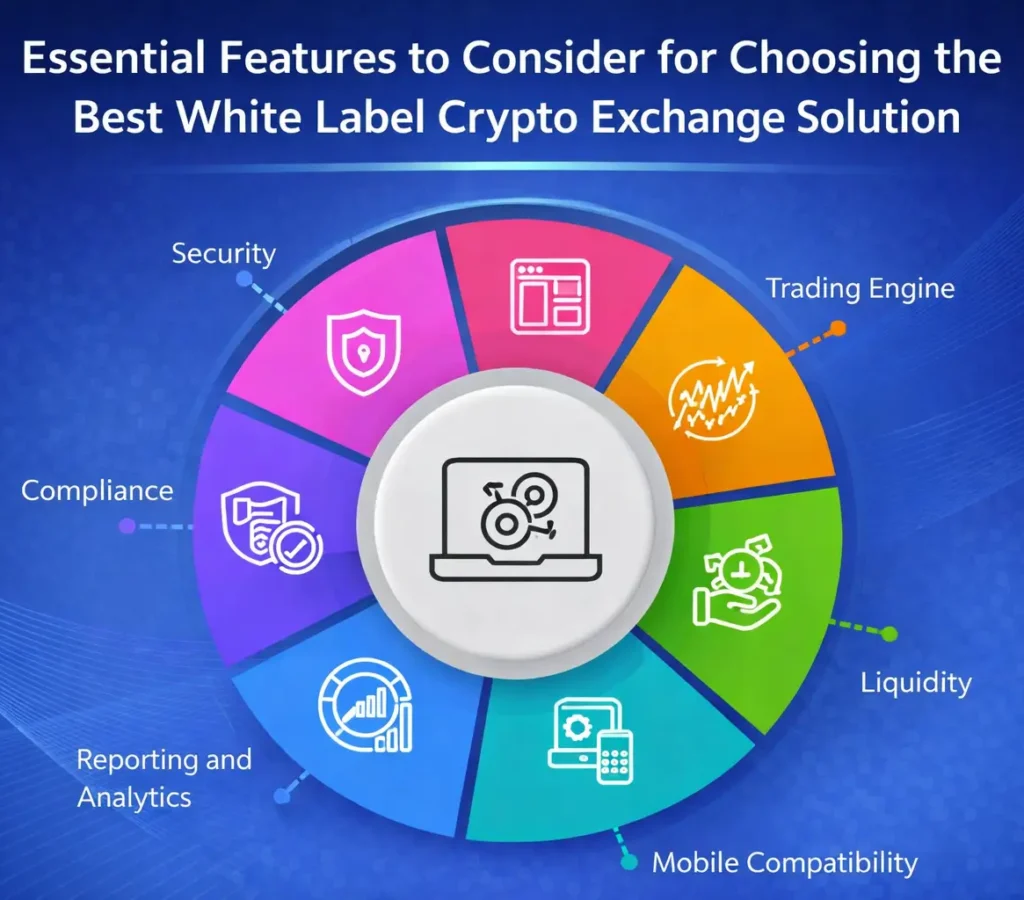
Miracuves builds crypto exchange apps with security embedded at the core, not added later. Every layer is designed to protect user data, transactions, and digital assets.
Enterprise-Grade Infrastructure
The app architecture follows enterprise security standards with hardened servers and secure cloud environments.
Certified Compliance Readiness
Miracuves crypto exchange apps are built to support GDPR, CCPA, ISO 27001, and PCI DSS requirements from day one.
Encrypted Data Protection
All user data, wallet keys, and transactions are protected using advanced encryption methods.
Secure Payment Processing
Integrated payment systems follow strict PCI DSS guidelines to prevent financial fraud.
Continuous Security Monitoring
24/7 monitoring helps detect threats before they cause damage.
Regular Security Updates
Ongoing updates ensure the app stays protected against new vulnerabilities.
Insurance Coverage Included
Cyber risk insurance adds an extra layer of business protection.
Final Thought
Don’t compromise on security. Miracuves white-label crypto exchange app solutions deliver enterprise-grade protection with a proven track record of zero major security breaches across 600+ projects. Get a free security assessment and build a platform users can trust.
Security is the foundation of any successful crypto exchange app. Cutting corners may reduce initial costs, but the long-term risks are far greater. A secure, compliant, and well-monitored app protects users, builds trust, and ensures business continuity. Choosing a security-first provider like Miracuves helps you launch with confidence in an increasingly regulated and high-risk digital asset ecosystem.
FAQs
1. How secure is a white-label crypto exchange app compared to custom development?
A white-label crypto exchange app can be equally secure or more secure if it is built on audited code, certified infrastructure, and follows global security standards.
2. What happens if there is a security breach?
A secure app should have an incident response plan, insurance coverage, and clear reporting mechanisms to minimize damage and comply with regulations.
3. Who is responsible for security updates?
The app provider handles core security updates, while the business must ensure proper configuration and user-level security practices.
4. How is user data protected in a crypto exchange app?
User data is protected through encryption, access controls, secure authentication, and compliance with data protection laws.
5. Which compliance certifications should a crypto exchange app have?
Key certifications include ISO 27001, SOC 2 Type II, GDPR compliance, and PCI DSS for payment security.
6. Can a white-label crypto exchange app meet enterprise security standards?
Yes, when built with enterprise-grade architecture, regular audits, and continuous monitoring.
7. How often should security audits be conducted?
At least annually, with additional audits after major updates or regulatory changes.
8. What is included in Miracuves security package?
Secure infrastructure, encrypted data handling, compliance-ready architecture, regular updates, monitoring, and insurance coverage.
9. How is security managed across different countries?
The app must adapt to regional laws, data residency rules, and licensing requirements.
10. What insurance is needed for crypto exchange app security?
Cyber liability and data breach insurance are essential to cover financial and legal risks.
Related Articles