



You’ve heard the horror stories about crypto platforms getting hacked, user funds disappearing overnight, and businesses facing legal trouble because of weak security. If you’re planning to launch a white-label Remitano app, these concerns are valid and serious.
In 2026, security matters more than ever. Crypto trading apps handle sensitive user data, real money transactions, and digital assets that are prime targets for cybercriminals. A single vulnerability can lead to massive financial loss and permanent damage to your brand trust.
This guide gives you an honest, practical look at white-label Remitano app security. We’ll break down real risks, modern security standards, and how choosing a security-first provider like Miracuves helps you build a safe, compliant, and scalable crypto trading app.
Understanding White-Label Remitano App Security Landscape
Common Security Myths vs Reality
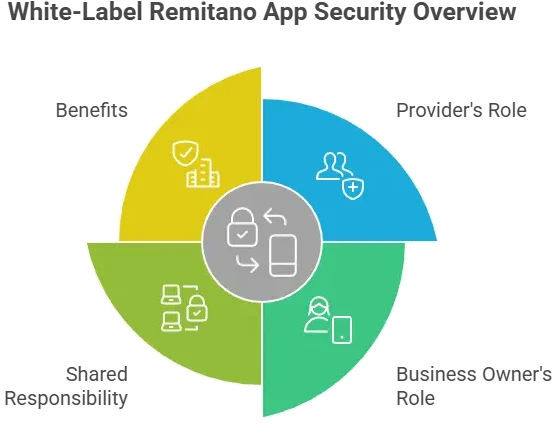
Many believe white-label apps are less secure than custom-built platforms. In reality, professionally built white-label Remitano apps often follow stricter security frameworks because they are deployed across multiple businesses and audited frequently.
Why Businesses Worry About White-Label Apps
Concerns usually come from lack of transparency, fear of shared code vulnerabilities, and uncertainty about compliance responsibilities. These worries are valid if the provider cuts corners on security.
Current Threat Landscape for Crypto Trading Apps
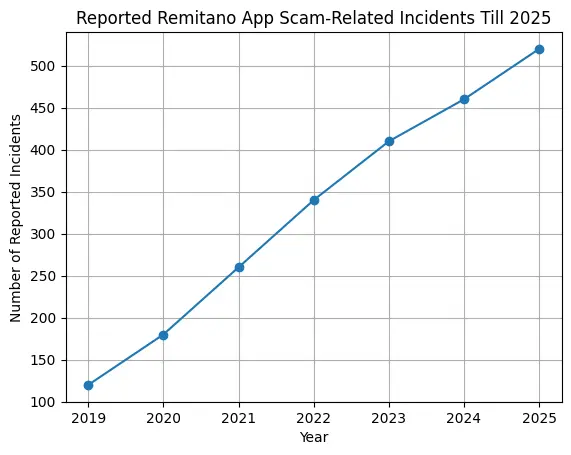
In 2026, crypto trading apps face threats like wallet breaches, API abuse, phishing attacks, insider threats, and smart transaction manipulation. Peer-to-peer trading platforms are especially targeted due to escrow and payment workflows.
Security Standards in 2026
Modern white-label Remitano apps are expected to meet zero-trust architecture principles, strong encryption standards, continuous monitoring, and strict regulatory compliance across regions.
Real-World Security Statistics
Recent industry reports show that over 60% of crypto platform breaches occur due to poor API security, misconfigured servers, or lack of regular audits, not because of the white-label model itself.
Key Security Risks & How to Identify Them
Data Protection & Privacy Risks
White-label Remitano apps handle sensitive user data, making data protection a top risk area.
User Personal Information
Weak access control or poor encryption can expose identity documents, emails, and contact details.
Payment Data Security
Improper handling of fiat and crypto payment data can lead to fraud, chargebacks, and compliance violations.
Location Tracking Concerns
IP tracking and geo-data must be secured to avoid misuse and privacy breaches.
GDPR and CCPA Compliance
Failure to manage user consent, data storage, and deletion requests can result in heavy regulatory penalties.
Technical Vulnerabilities
Technical gaps are the most common cause of security incidents in crypto trading apps.
Code Quality Issues
Unsecured or poorly written code increases the risk of exploits and unauthorized access.
Server Security Gaps
Misconfigured cloud servers and lack of firewall protection expose apps to attacks.
API Vulnerabilities
APIs used for trading, wallets, and escrow systems are frequent targets if not secured properly.
Third-Party Integrations
Payment gateways and KYC providers can become entry points if not vetted and monitored.
Business-Level Risks
Security failures affect more than just technology.
Legal Liability
Data breaches can trigger lawsuits and regulatory investigations.
Reputation Damage
Loss of user trust can permanently impact platform growth.
Financial Losses
Stolen funds, penalties, and downtime create long-term financial strain.
Regulatory Penalties
Non-compliance can lead to fines or complete shutdown of operations.
Risk Assessment Checklist
- Is user data encrypted at rest and in transit
- Are APIs protected with authentication and rate limiting
- Are regular security audits conducted
- Is compliance responsibility clearly defined
- Are third-party services security-reviewed
Read more : – Best Remitano Clone Scripts in 2025: Features & Pricing Compared
Security Standards Your White-Label Remitano App Must Meet
Essential Certifications
Security certifications are not optional for crypto trading apps in 2026.
ISO 27001 Compliance
Ensures a structured information security management system covering risk assessment and controls.
SOC 2 Type II
Validates long-term effectiveness of security, availability, and confidentiality controls.
GDPR Compliance
Mandatory for handling personal data of users in the EU and many global regions.
HIPAA (If Applicable)
Required only if the app processes health-related user data, which is rare but sometimes relevant for identity verification storage.
PCI DSS for Payments
Essential for securing fiat payment transactions and preventing card data breaches.
Technical Security Requirements
A secure white-label Remitano app must meet these technical benchmarks.
End-to-End Encryption
Protects messages, transactions, and sensitive data from interception.
Secure Authentication
Two-factor authentication and OAuth reduce unauthorized access risks.
Regular Security Audits
Ongoing audits help detect vulnerabilities before attackers do.
Penetration Testing
Simulated attacks identify real-world security weaknesses.
SSL Certificates
Encrypt data transfer between users and servers.
Secure API Design
Includes token-based authentication, throttling, and strict permission controls.
Security Standards Comparison Overview
- Certified providers follow global security frameworks
- Non-certified providers rely on basic protections
- Audited systems reduce breach risk significantly
- Compliance-ready apps scale faster across regions
Red Flags: How to Spot Unsafe White-Label Providers
Warning Signs You Should Never Ignore
Choosing the wrong provider is the fastest way to security failure.
No Security Documentation
Lack of clear security policies or architecture explanations is a major risk.
Unrealistically Cheap Pricing
Low pricing often means compromised security, outdated infrastructure, or no audits.
No Compliance Certifications
Absence of GDPR, ISO, or PCI alignment exposes your business to legal trouble.
Outdated Technology Stack
Old frameworks and unpatched systems are easy targets for attackers.
Poor Code Quality
Messy or unstructured code increases vulnerability exposure.
No Security Update Policy
Apps without regular updates remain exposed to known threats.
Lack of Data Backup Systems
No backup means permanent data loss after incidents.
No Insurance Coverage
Providers without cyber insurance transfer all risk to you.
Evaluation Checklist Before Choosing a Provider
- Ask for recent security audit reports
- Request compliance certificates
- Review update and patch schedules
- Verify backup and disaster recovery plans
- Confirm responsibility for breach handling
- Test demo apps for basic security features
Best Practices for Secure White-Label Remitano App Implementation
Pre-Launch Security Practices
Strong security must start before the app goes live.
Security Audit Process
Conduct full application and infrastructure audits to detect vulnerabilities early.
Code Review Requirements
Ensure secure coding standards and removal of hard-coded credentials.
Infrastructure Hardening
Use firewalls, secure cloud configurations, and access control policies.
Compliance Verification
Confirm GDPR, PCI DSS, and regional compliance before launch.
Staff Security Training
Train internal teams on data handling, access control, and incident response.
Post-Launch Security Monitoring
Security is an ongoing process, not a one-time task.
Continuous Security Monitoring
Track unusual activity, login patterns, and transaction anomalies.
Regular Updates and Patches
Apply security updates to fix newly discovered vulnerabilities.
Incident Response Planning
Define clear steps for breach detection, containment, and reporting.
User Data Management
Limit data access and apply role-based permissions.
Backup and Recovery Systems
Maintain automated backups and tested recovery plans.
Security Implementation Timeline Overview
- Pre-launch audit and compliance checks
- Secure deployment and access control setup
- Continuous monitoring after launch
- Quarterly security reviews and testing
Legal & Compliance Considerations
Regulatory Requirements by Region
Legal compliance is critical for crypto trading apps operating globally.
Data Protection Laws
GDPR in Europe, CCPA in the USA, and similar laws require strict user data handling and consent management.
Industry-Specific Regulations
Crypto trading apps must comply with financial, AML, and KYC regulations depending on jurisdiction.
User Consent Management
Users must explicitly approve data usage, storage, and processing.
Privacy Policy Requirements
Clear, updated privacy policies explaining data collection and usage are mandatory.
Terms of Service Essentials
Terms must define user responsibilities, risk disclosures, and dispute resolution.
Liability Protection Measures
Protecting the business legally reduces long-term risk.
Insurance Requirements
Cyber liability insurance helps cover breach-related costs.
Legal Disclaimers
Disclaimers clarify platform limitations and risk exposure.
User Agreements
Well-drafted agreements reduce misuse and legal disputes.
Incident Reporting Protocols
Timely breach reporting is legally required in many regions.
Compliance Monitoring
Ongoing monitoring ensures regulations are continuously met.
Regional Compliance Checklist
- GDPR compliance for EU users
- CCPA compliance for US users
- AML and KYC integration
- Clear consent and data deletion processes
Why Miracuves White-Label Remitano App is Your Safest Choice
Miracuves Security-First Approach
Miracuves builds white-label Remitano apps with security at the core, not as an afterthought. Every app follows enterprise-grade security architecture designed for crypto trading environments.
Enterprise-Grade Security Architecture
Apps are built with layered security, secure infrastructure, and strict access controls.
Regular Security Audits and Certifications
Miracuves follows industry security standards and conducts routine audits to prevent vulnerabilities.
GDPR and CCPA Compliant by Default
User data protection and privacy controls are integrated from day one.
24/7 Security Monitoring
Continuous monitoring helps detect and respond to threats in real time.
Encrypted Data Transmission
All sensitive data is encrypted both in transit and at rest.
Secure Payment Processing
Fiat and crypto transactions follow PCI DSS and secure wallet practices.
Regular Security Updates
Apps receive ongoing updates to address new risks and compliance changes.
Insurance Coverage Included
Cyber risk coverage reduces financial exposure during security incidents.
Final Thought
Don’t compromise on security. Miracuves white-label Remitano app solutions come with enterprise-grade protection built in. With 600+ successful projects and zero major security breaches, Miracuves helps you launch safe, compliant crypto trading apps. Get a free security assessment and protect your platform from day one.
Security is not optional for a white-label Remitano app in 2026. The real risk is not choosing a white-label model, but choosing a provider that ignores security, compliance, and accountability. With the right security standards, continuous monitoring, and a trusted partner like Miracuves, you can launch a crypto trading app that users trust and regulators approve.
FAQs
1. How secure is a white-label Remitano app compared to custom development
A white-label Remitano app can be equally or more secure than custom development if it follows certified security standards, regular audits, and proven architecture.
2. What happens if there is a security breach
A proper incident response plan includes immediate containment, user notification, regulatory reporting, and recovery using backups and insurance coverage.
3. Who is responsible for security updates
Security updates are usually handled by the white-label provider, while the business owner ensures policies and compliance are followed.
4. How is user data protected in white-label apps
User data is protected through encryption, access controls, secure storage, and compliance with GDPR and other data protection laws.
5. What compliance certifications should I look for
ISO 27001, SOC 2 Type II, GDPR compliance, and PCI DSS for payment processing are essential.
6. Can white-label apps meet enterprise security standards
Yes, professionally built white-label Remitano apps can meet enterprise-level security requirements.
7. How often should security audits be conducted
Security audits should be conducted at least quarterly, with continuous monitoring in place.
8. What is included in Miracuves security package
Miracuves includes encrypted data handling, compliance readiness, monitoring, regular updates, and insurance-backed protection.
9. How to handle security in different countries
This requires region-specific compliance checks, data localization, and adaptable privacy policies.
10. What insurance is needed for app security
Cyber liability and data breach insurance are recommended to cover financial and legal risks.
Related Articles