



How to Hire the Best Etsy Clone Developer
Create a powerful, customizable streaming solution with Miracuves’ Etsy Clone, equipped with high-performance features and next-gen technology.
You’ve nailed the idea an online marketplace tailored to your niche, just like Etsy. Maybe you’ve already researched your product categories, mapped out seller commissions, and even thought about buyer incentives. But here’s the big one: Who’s actually going to build it?
Hiring the right Etsy clone developer isn’t just about writing code. It’s about finding a partner who understands multi-vendor commerce, user trust, seamless UI, and growth-focused architecture. In this guide, we’ll walk through the key things to look for so you can confidently choose a developer who will bring your marketplace idea to life not just launch it, but make it scale and succeed.
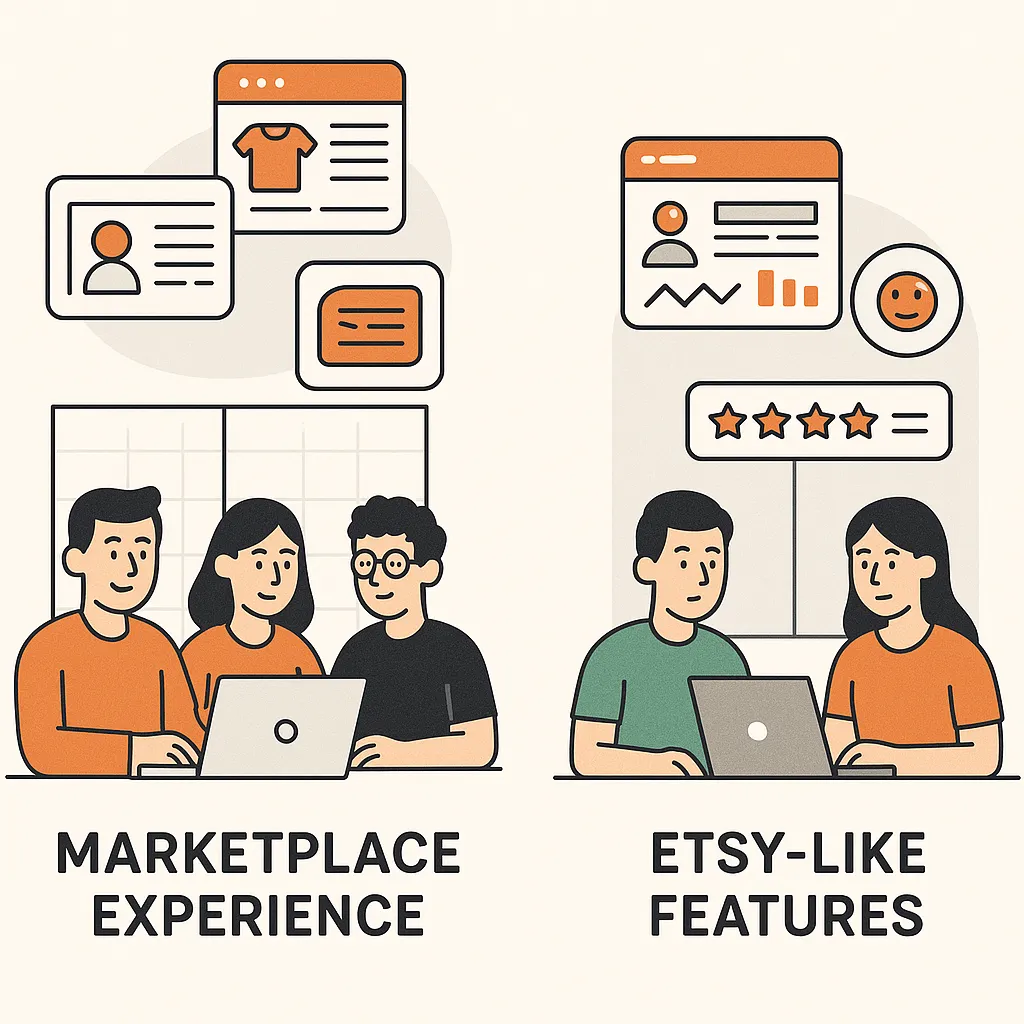
Look for Domain Expertise
Building a marketplace isn’t like building a blog or a company website. You need a developer who knows e-commerce, especially multi-vendor platforms like Etsy. Here’s how to spot that:
Relevant experience: Ask if they’ve built marketplaces before — not just any marketplace, but Etsy-style platforms with seller profiles, product listings, cart management, and peer reviews.
Case studies or demos: Don’t settle for vague promises. Ask for links, app store listings, or case studies that prove they’ve delivered similar products.
Business-side understanding: A great developer will talk about more than tech. They’ll understand how vendor onboarding, transaction fees, shipping logic, and customer trust play into your platform’s success.
When your developer already knows the territory, you’ll avoid delays, rework, and feature gaps.
Tech Stack & Scalability
The tech powering your Etsy clone matters — because this isn’t just about launching a pretty site. It’s about supporting dozens (then hundreds) of vendors and thousands of buyers.
Here’s what you need to check:
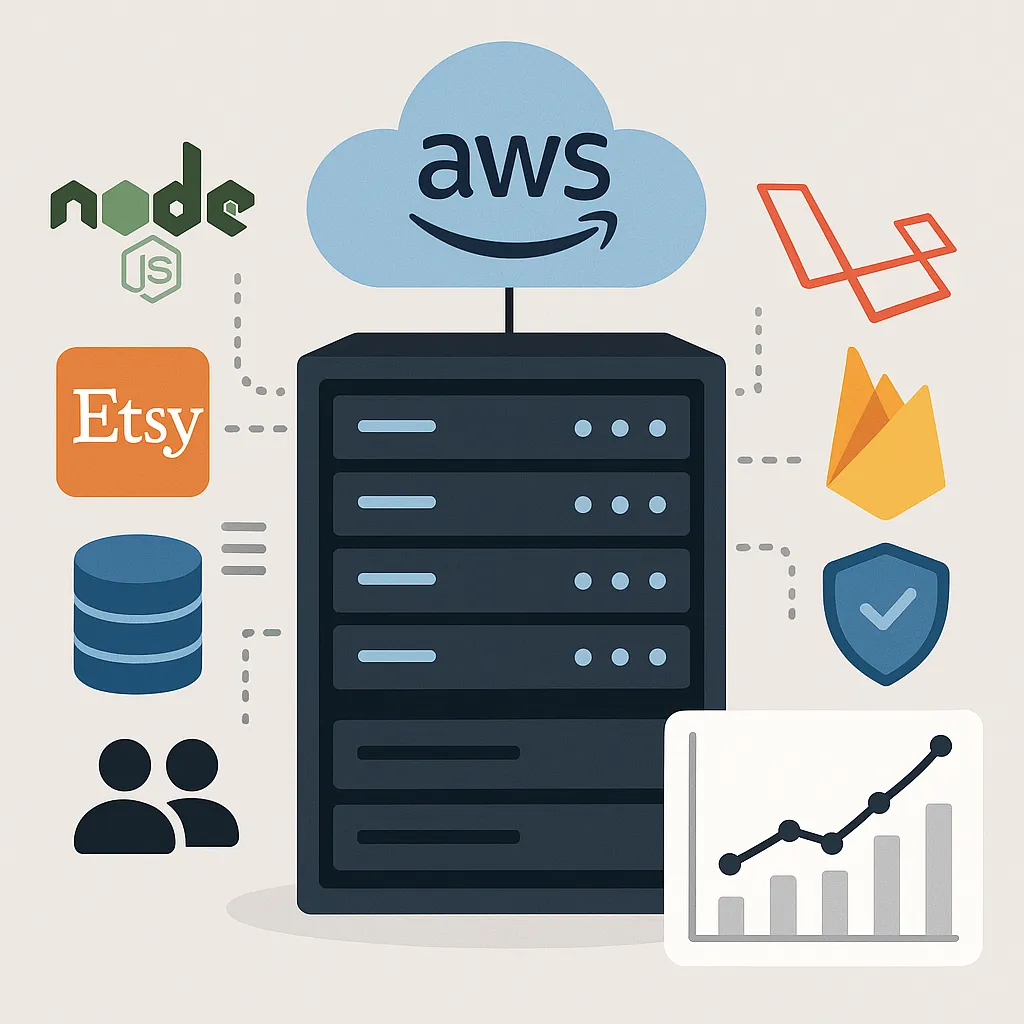
Modern, scalable tech: Look for use of frameworks like Laravel, Node.js, or Django, paired with scalable infrastructure like AWS, GCP, or Firebase.
Microservice-friendly architecture: This helps you grow fast — allowing new features or payment gateways to be added without rewriting your core.
Data protection & security: Marketplaces involve payment processing, personal info, and user-generated content. Ensure the developer bakes in role-based access, HTTPS, encryption, and privacy compliance.
Performance tuning: A solid team will mention caching, database optimization, and CDN usage from the start — not as afterthoughts.
You’re building more than a prototype. The right stack ensures your platform performs well now and scales easily later.
UI/UX Capabilities
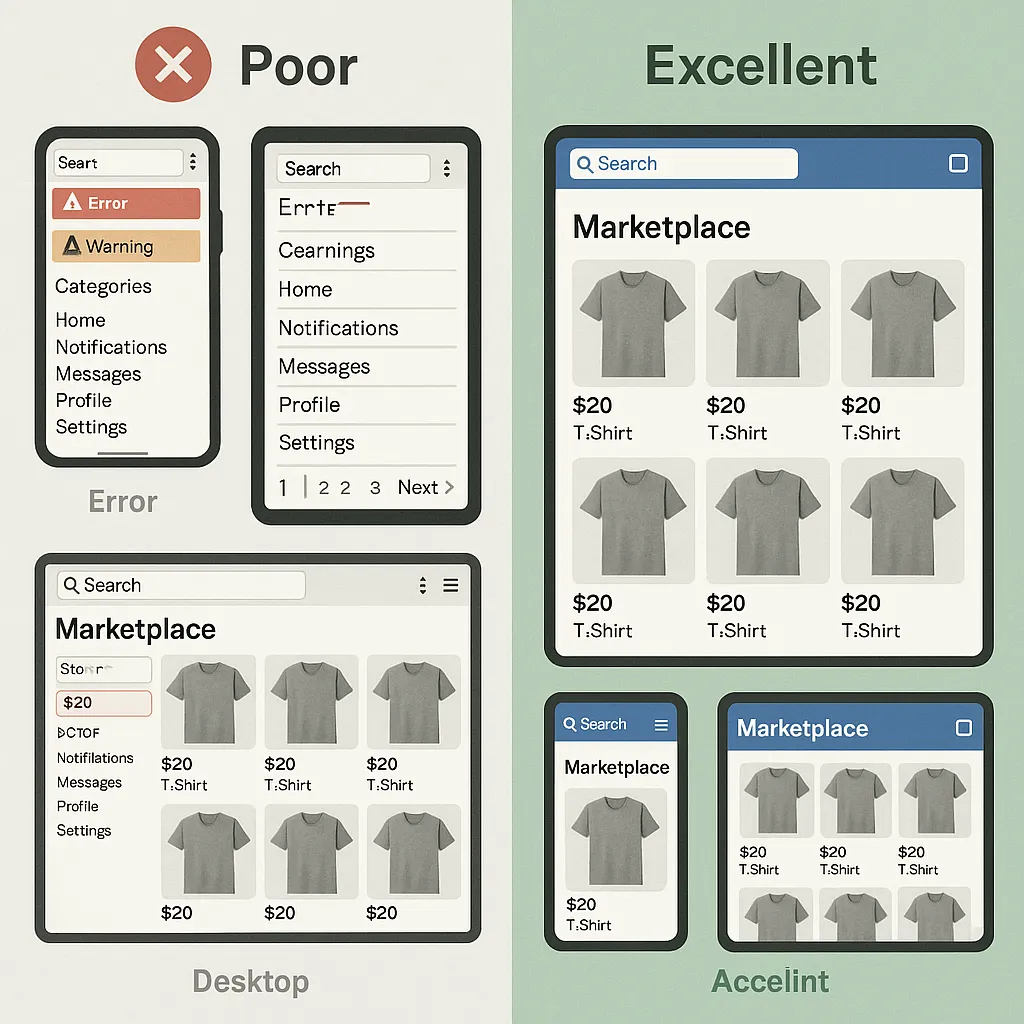
Your Etsy clone needs to feel uniquely yours. That means design flexibility, thoughtful user flows, and intuitive mobile experiences.
What to look for:
Custom branding options: Your platform shouldn’t feel like a copy-paste Etsy skin. A good developer should let you define your own layout, typography, color scheme, and tone.
Device responsiveness: From mobile-first buyers to desktop vendors, the UX needs to adapt beautifully across screens.
Vendor-side usability: Easy listing uploads, inventory tracking, and analytics dashboards are vital to keeping sellers engaged.
Buyers-first flow: From discovery to checkout, each touchpoint should be smooth, fast, and trust-building.
Design isn’t decoration. It’s a core part of how your platform grows — through user delight and retention.
Communication & Workflow
Even the most skilled devs can derail a project if communication is poor. This isn’t a one-off transaction — it’s a long-term collaboration.
Key signals to check:
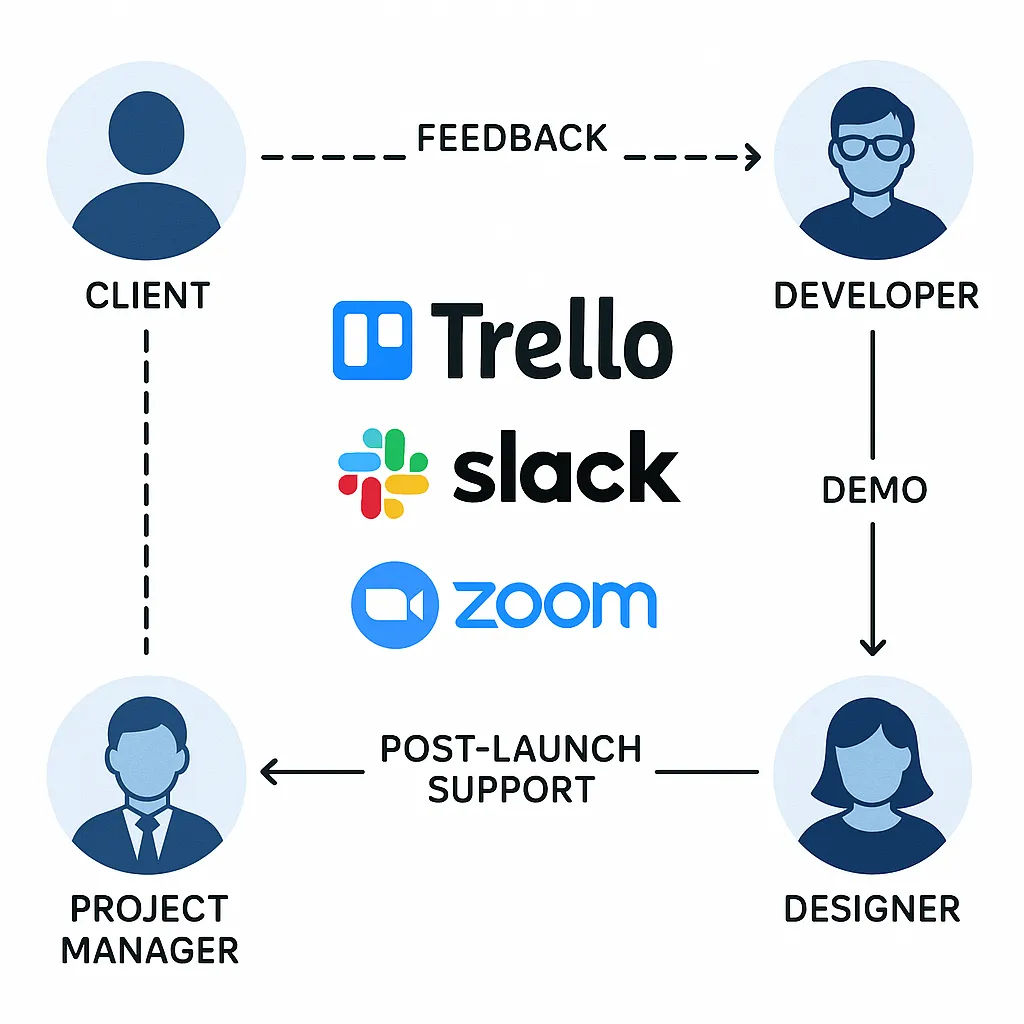
Project management tools: Do they use Trello, ClickUp, or Jira to track tasks and timelines?
Point of contact: Will you have direct access to a developer or PM, or just a sales rep?
Sprint-based delivery: Reliable teams break work into 1–2 week sprints and share updates regularly.
Feedback integration: Look for devs who ask for your input — not those who disappear for weeks and deliver surprises.
After-launch support: Bug fixes, hosting handovers, and version updates should be part of the package — not something you beg for later.
A smooth, transparent workflow keeps your project on time, on budget, and on target.
Pricing Models & Quality
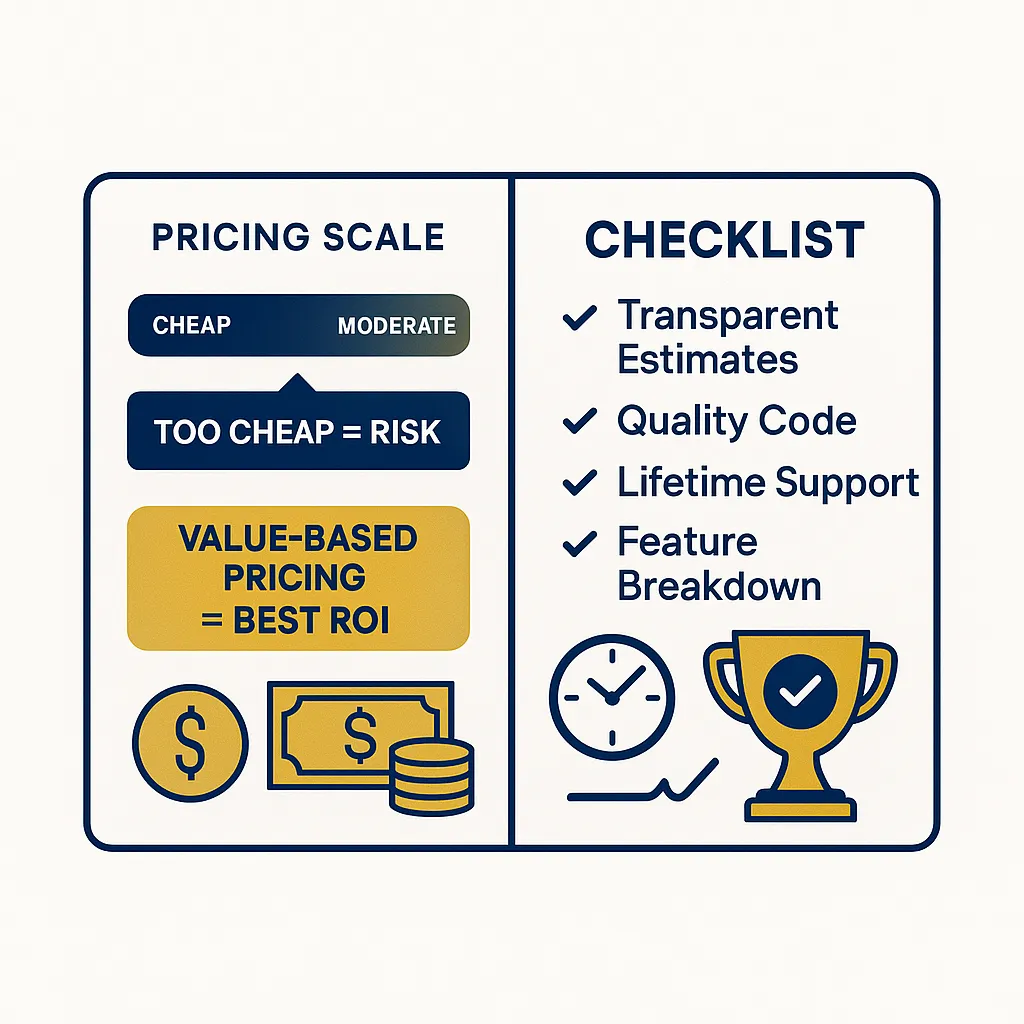
Yes, pricing matters — especially when you’re bootstrapping. But “cheap” and “affordable” aren’t the same.
Here’s how to navigate pricing smartly:
Know what’s included: Some developers include design, QA, and deployment; others only cover backend. Get a full list of deliverables.
Breakdown of costs: Ask for an estimate split by modules — admin panel, vendor dashboard, mobile app, etc. It helps avoid surprise costs.
Watch for too-good-to-be-true rates: Cut-rate clones often skip testing, use outdated code, or leave out essentials like SSL and responsive design.
Plan for long-term costs: Consider hosting, maintenance, feature updates, and scaling expenses. A good developer helps you plan for these upfront.
A solid Etsy clone developer offers fair pricing and lasting value — not just a quick deploy.
Choose the Right Development Partner
Even with a solid plan, launching a successful multi-vendor marketplace is no easy feat — you need a development team that truly understands the e-commerce ecosystem. Partnering with the right Etsy clone development company can save you time, reduce costs, and help you avoid costly missteps down the road.
Look for a partner that offers:
Demonstrated expertise in marketplace and e-commerce app development
A portfolio of scalable, secure, and feature-rich multi-vendor platforms
End-to-end services — from idea validation and UI/UX design to deployment and post-launch support
At Miracuves, we don’t just build Etsy clones — we create custom, growth-ready marketplace solutions tailored to your niche and business goals. Let our team handle the technology, while you focus on building your community, onboarding sellers, and scaling your brand.
Conclusion
Hiring the best Etsy clone developer means looking beyond portfolios and promises. Focus on developers who bring real marketplace experience, use a robust and scalable tech stack, offer flexible UI/UX customization, communicate clearly, and provide transparent, value-driven pricing. It’s about finding a strategic partner — someone who understands your business vision and can help turn it into a live, thriving platform.
Frequently Asked Questions
Experience in building multi-vendor marketplaces, strong tech skills, and a business-first mindset — not just coding chops.
Yes, if you choose the right developer. Look for teams that allow full UI/UX flexibility to match your brand.
With Miracuves, an Etsy clone starts at $2,899. We build, test, and deploy a ready-to-launch marketplace in 3–9 days only, depending on the features you choose.
With Miracuves, your Etsy-like platform can be built, tested, and deployed in 3–9 days only, depending on the features you choose—so you can launch quickly.
They should. Post-launch services like bug fixes, hosting support, and updates are essential — confirm this upfront.
