



How to Hire the Best Uber for X Clone Developer
Create a powerful, customizable streaming solution with Miracuves’ Uber for X Clone, equipped with high-performance features and next-gen technology.
So, you’ve identified your niche be it laundry, dog walking, home services, or anything in between and now you’re ready to launch your own Uber for X platform. But there’s a catch. You don’t just need a development team. You need the right developer — one who understands the on-demand model, has experience building similar platforms, and can turn your vision into a scalable, sleek, and profitable reality.
In this guide, we’ll walk through exactly what to look for when hiring the best Uber for X clone developer from domain experience and tech stack to pricing models and communication workflows.
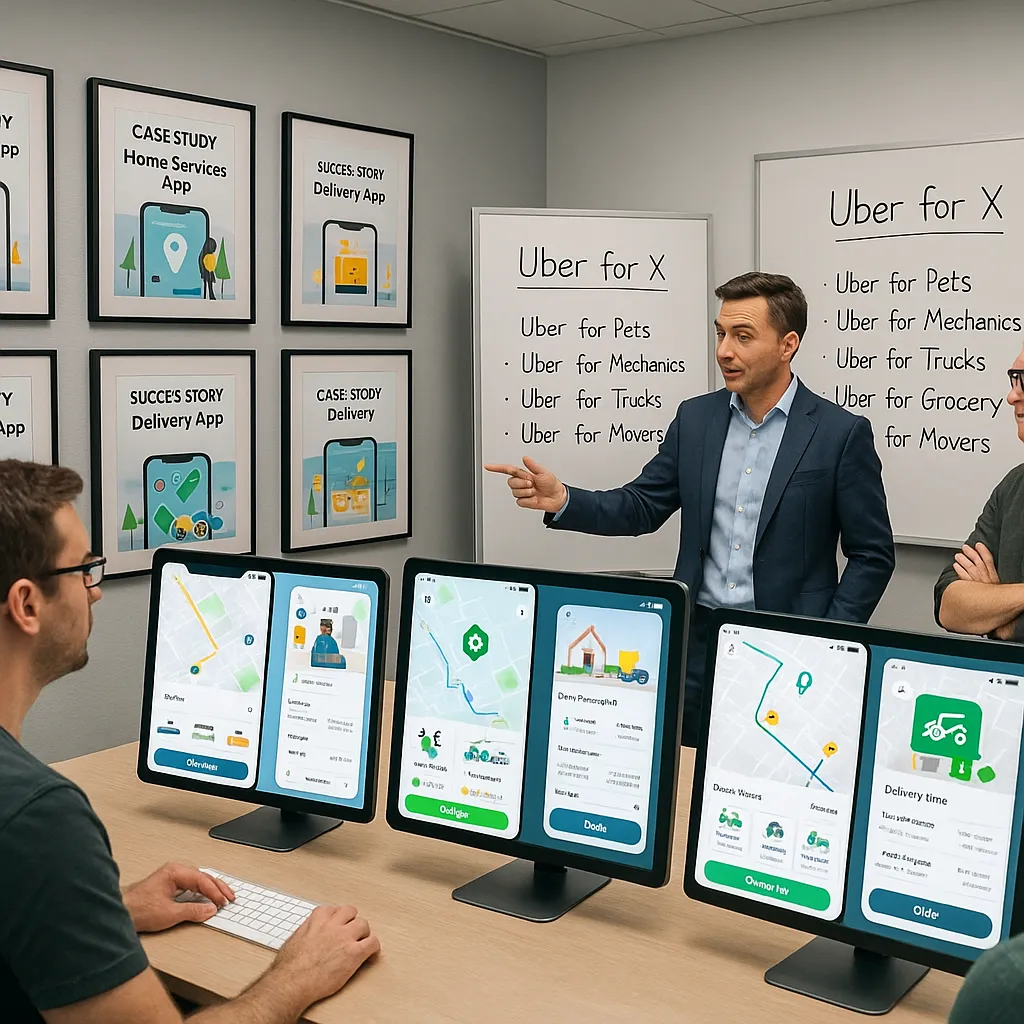
Look for Domain Expertise
Not all clone developers are created equal — especially when it comes to on-demand platforms. The Uber for X model involves multiple user roles, real-time tracking, payment integrations, and time-sensitive workflows. That’s a lot of moving parts.
Look for developers who:
Have already built Uber-style apps — ideally across multiple verticals like food delivery, taxi booking, home cleaning, etc.
Understand on-demand economics — dynamic pricing, user acquisition strategies, retention flows.
Offer relevant case studies — showcasing real apps that handled logistics, multi-location access, and robust user management.
Why this matters: hiring a developer with domain expertise means fewer rounds of clarification, faster delivery, and fewer bugs post-launch.
Tech Stack & Scalability
Your app might start with 100 users, but what happens when it hits 10,000? You’ll want a tech stack that doesn’t just work — it scales.
Here’s what to check:
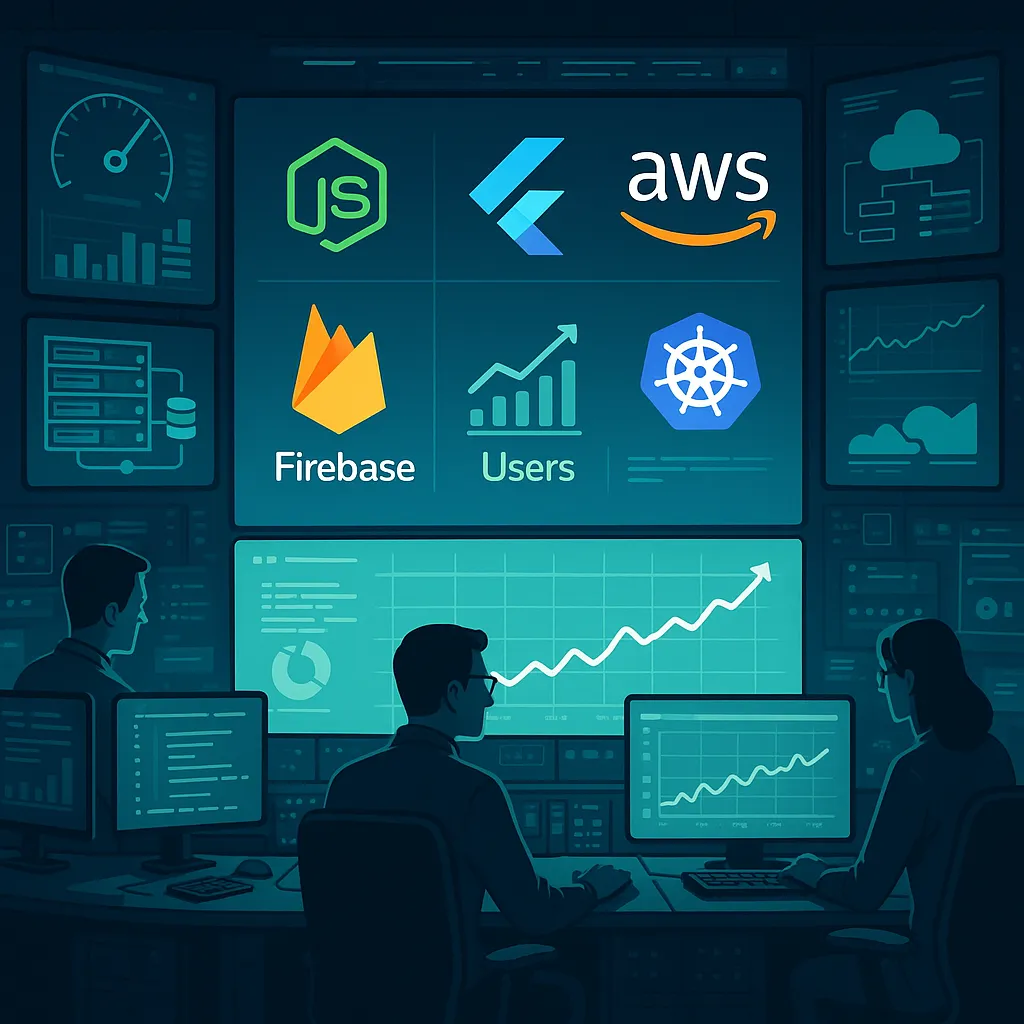
Frontend frameworks: React Native, Flutter, or Swift for snappy, cross-platform performance.
Backend: Node.js, Django, Laravel — whatever they choose, it should support REST APIs, socket communication, and scalability.
Cloud infrastructure: AWS, Google Cloud, or Firebase for auto-scaling and performance optimization.
Architecture: Modular, service-oriented designs let you add features (like tipping, loyalty programs, or regional toggles) without starting from scratch.
Scalability isn’t a “later” problem — it needs to be baked into the foundation from day one.
UI/UX Capabilities
Even if your app is technically solid, clunky design will lose users. People expect seamless, intuitive navigation — just like Uber.
Look for:
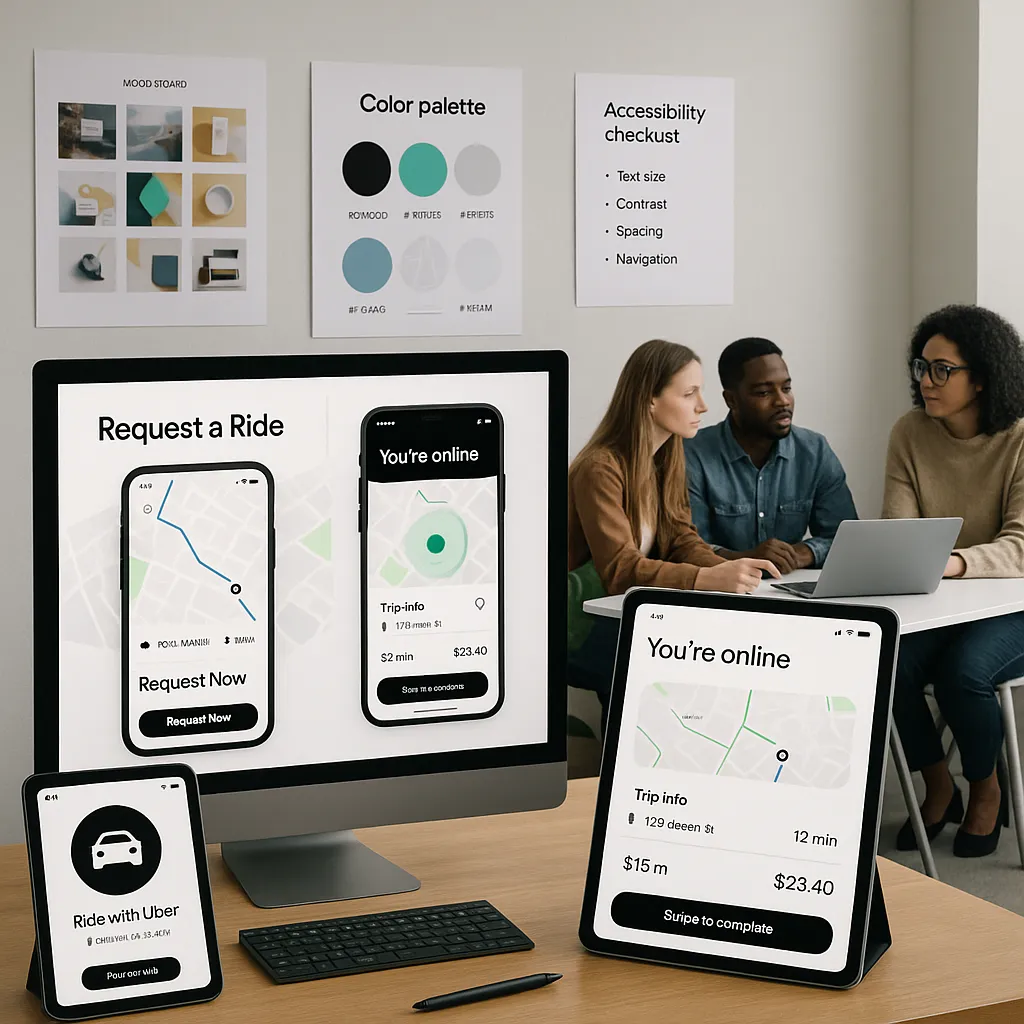
Mobile-first design: Clear call-to-actions, easy flows for all user types (customer, service provider, admin).
Customizability: Your Uber for X app should reflect your brand — not look like a cookie-cutter template.
UX thinking: Can users book in under 3 taps? Is onboarding frictionless? Do providers have clean dashboards?
Accessibility: Support for left-hand navigation, voice prompts, and readable font sizes — especially if you’re targeting wider or underserved markets.
Design isn’t just about beauty — it’s about reducing churn, increasing bookings, and building trust from the first tap.
Communication & Workflow
A great dev team builds more than apps — they build confidence. And that starts with clear communication.
Key signs of a smooth working relationship:
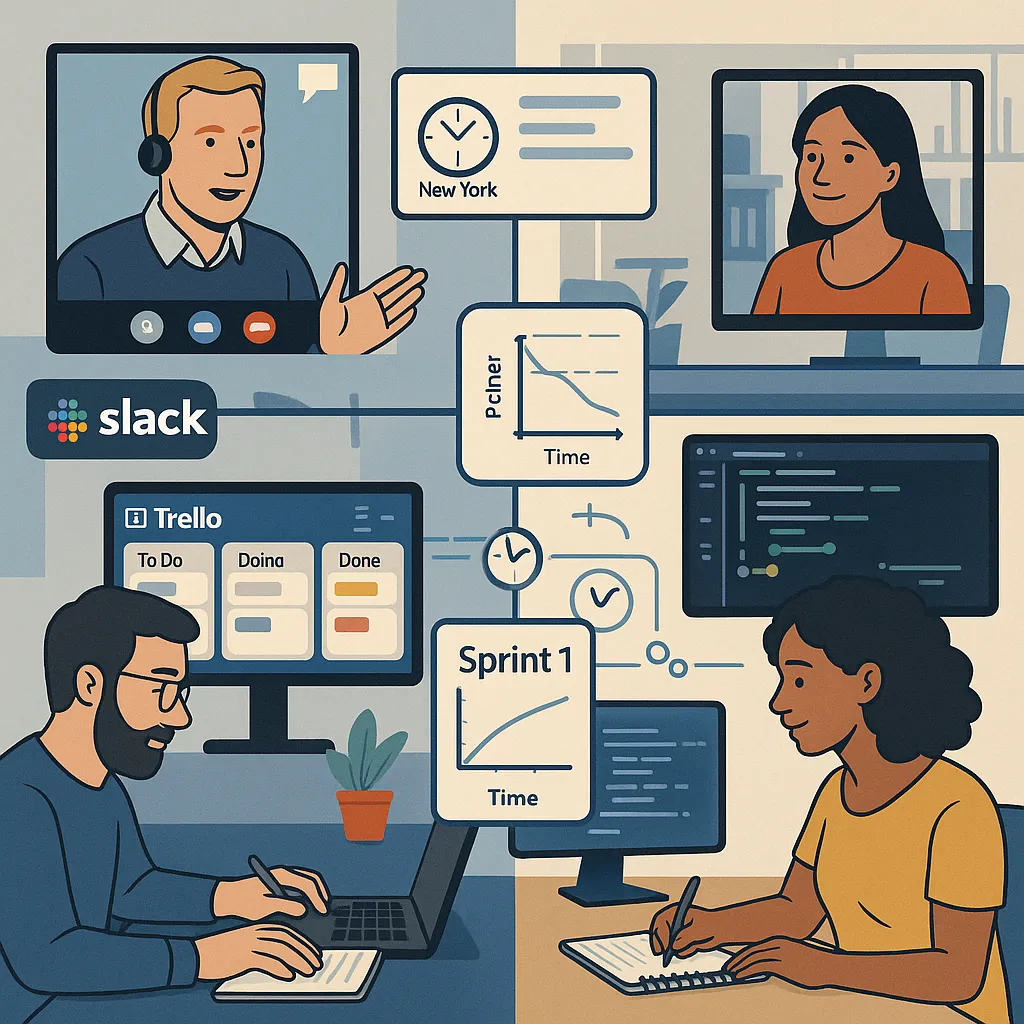
Defined project process: Sprints, timelines, and task tracking through tools like Trello, Jira, or ClickUp.
Dedicated contact points: Direct access to a project lead or account manager — not just a support inbox.
Regular updates: Weekly demos, sprint recaps, and milestone checks that keep you in the loop.
Post-launch support: Think bug fixes, usage analytics, and feature iterations — not just “project delivered, goodbye.”
The better the workflow, the less time you’ll waste chasing updates or clarifying deliverables.
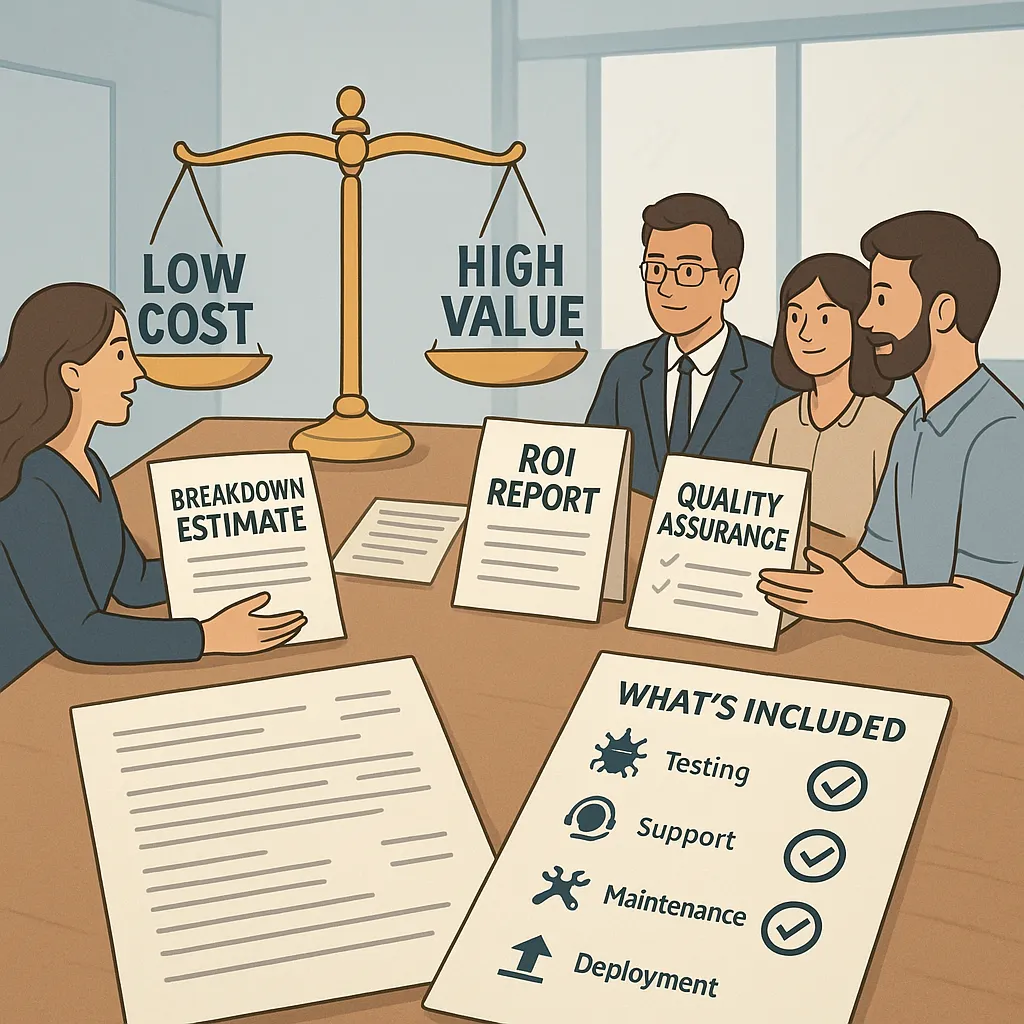
Pricing Models & Quality
Yes, price matters. But going with the cheapest option often costs more in the long run — through missed deadlines, rework, or subpar UX.
Here’s how to evaluate pricing wisely:
Transparent quotes: Detailed breakdown of development, design, QA, and deployment. No vague “range estimates.”
What’s included: Do they cover testing, documentation, and app store submission?
Support & maintenance: Is there a post-launch plan? If yes, what’s covered?
Avoid underquoting traps: Super-low prices can signal inexperience, lack of support, or rushed development.
Instead of just looking at cost, assess value. The best Uber for X clone developer is one who helps you build a revenue-generating app, not just a functioning prototype.
Choose the Right Development Partner
Even with a solid plan, building an Uber for X platform comes with its own set of complexities — real-time tracking, dual user roles, scheduling systems, payment gateways, and more. To bring your idea to life efficiently and reliably, you need a development team that understands the unique dynamics of on-demand ecosystems.
Look for a partner that offers:
Proven experience in building on-demand service apps across various verticals
A portfolio featuring scalable, high-performance Uber-like platforms
End-to-end capabilities — from product scoping to launch and ongoing optimization
At Miracuves, we don’t just deliver clone scripts — we engineer fully customizable, scalable Uber for X solutions tailored to your industry, vision, and business goals. From taxi to tutors, groceries to grooming — if it can be booked, tracked, and delivered, we’ve got the tech to power it. Let Miracuves handle the heavy lifting, so you can focus on growth, branding, and making your mark in the on-demand space.
Conclusion
Hiring the right Uber for X clone developer isn’t just a technical decision — it’s a strategic one. From understanding the on-demand business model to ensuring your platform is scalable, secure, and beautifully designed, every detail matters. A great development partner brings experience, transparency, and flexibility to the table — helping you launch faster, iterate smarter, and grow confidently.
Frequently Asked Questions
It supports real-time matching, geo-location, multi-role access (user + provider), and dynamic scheduling — all in one streamlined platform.
Absolutely. Most clone frameworks are built to be modular, so you can add custom logic, new user roles, and branding.
With Miracuves, an Uber for X clone is built and delivered in 3–9 days only, including setup, testing, and deployment—so you can launch fast.
For a complex, multi-role app like Uber for X, a dedicated team is usually better. They bring specialists across frontend, backend, QA, and DevOps.
Clarify the post-launch support terms early on ideally, choose a partner offering version upgrades, security patches, and feature enhancements.