


How to Hire the Best Hungerstation Clone Developer
Create a powerful, customizable streaming solution with Miracuves’ Hungerstation Clone, equipped with high-performance features and next-gen technology.
Building a food delivery app like Hungerstation is an exciting opportunity but only if you find the right development partner to bring your idea to life. You might already have your business model, revenue plan, and niche sorted. Now comes the tricky part: choosing a team that can actually build what you’ve envisioned.
This isn’t just about getting an app that works — it’s about finding a developer who understands how the food delivery ecosystem functions, what users expect in real time, and how to scale your platform for growth.
In this guide, we’ll walk you through exactly what to look for when hiring the best Hungerstation clone developer. Whether you’re launching in a new market or building a localized app, these steps will help you identify a team that delivers speed, quality, and long-term value.
Look for Domain Expertise
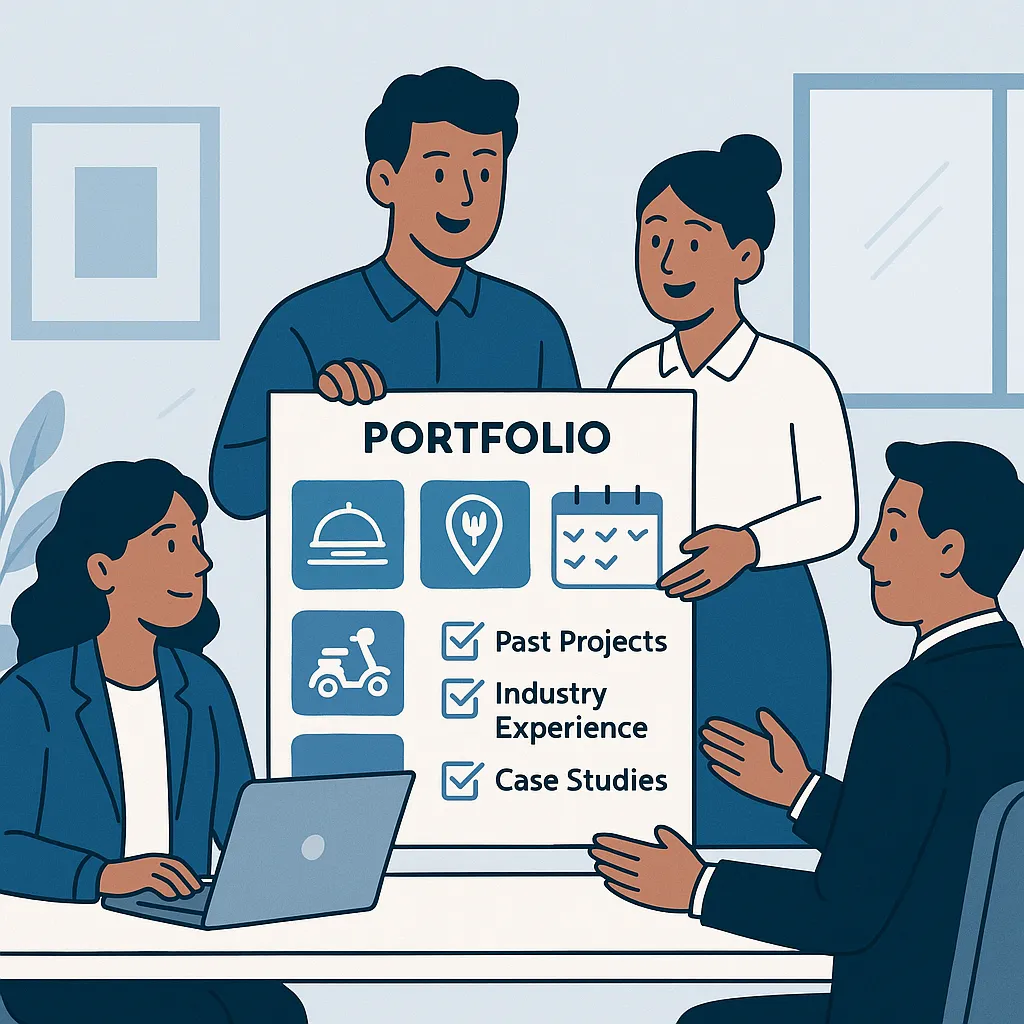
You’re not looking for just any app developer — you need someone who knows food delivery inside and out. A company that has already built Hungerstation-like platforms is going to save you a lot of time, cost, and headaches.
Here’s what to check:
Past clone projects: Have they developed food ordering or delivery apps before? Ask to see examples of work, especially projects that mirror Hungerstation in structure or features.
Understanding of logistics: They should get how delivery networks work — from real-time order tracking to dispatch algorithms.
Insights into user behavior: The right partner understands the entire user journey: from browsing menus to making payments to leaving reviews.
A company with direct experience in this domain will already know what works, what doesn’t, and how to avoid common pitfalls.
Tech Stack & Scalability
Food delivery apps are fast-moving, high-load platforms. You need a strong technical foundation to ensure stability, performance, and room to grow.
Ask about:
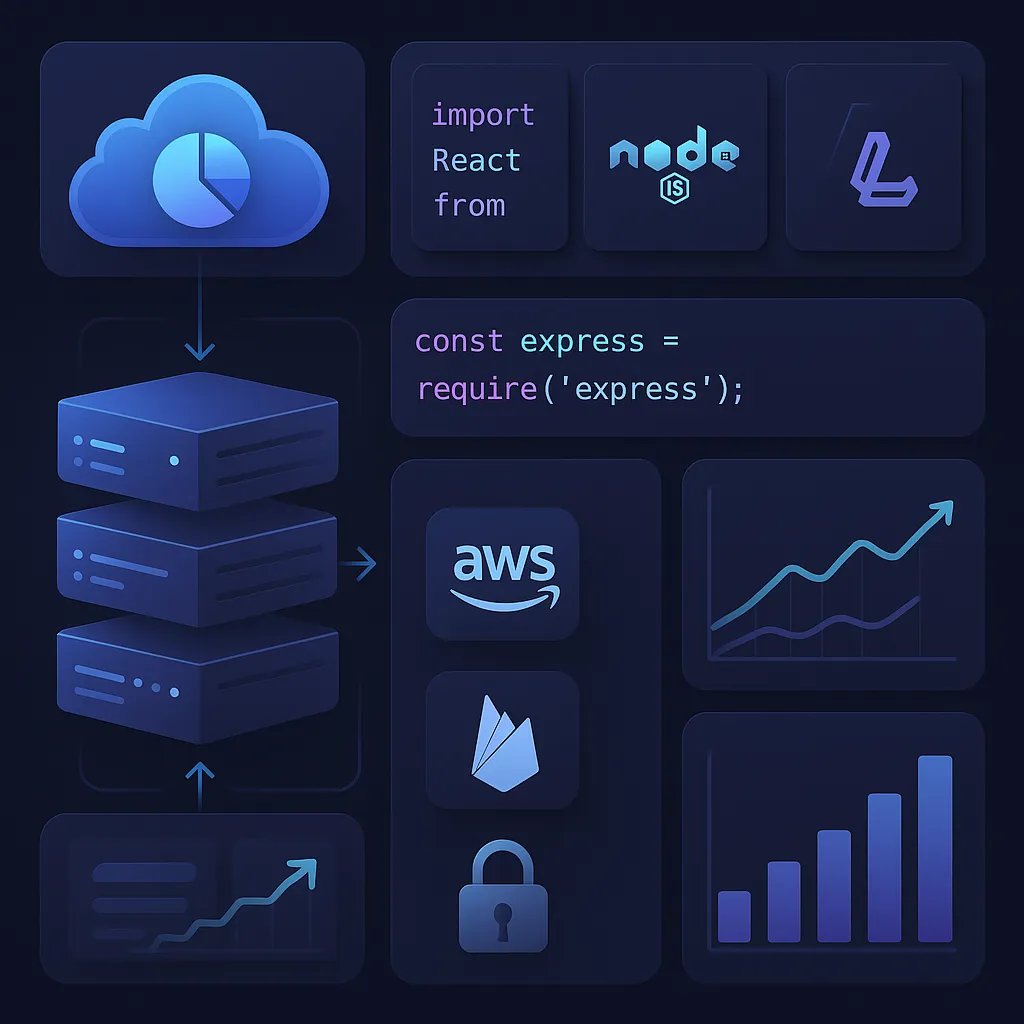
Modern frameworks: Are they using up-to-date technologies like React Native, Flutter, Node.js, or Laravel?
Cloud infrastructure: Look for AWS, Google Cloud, or Firebase — these platforms allow for high availability and auto-scaling.
Modular architecture: Can features be added or modified later without major rework?
Data security: With customer addresses, payment info, and real-time tracking, encryption and GDPR compliance are non-negotiables.
Your developer should think beyond MVP — and plan for scale from day one.
UI/UX Capabilities
Hungerstation is known for its smooth, easy-to-use design. Your clone needs to match or exceed that user experience — and stand out with your own brand.
Look for:
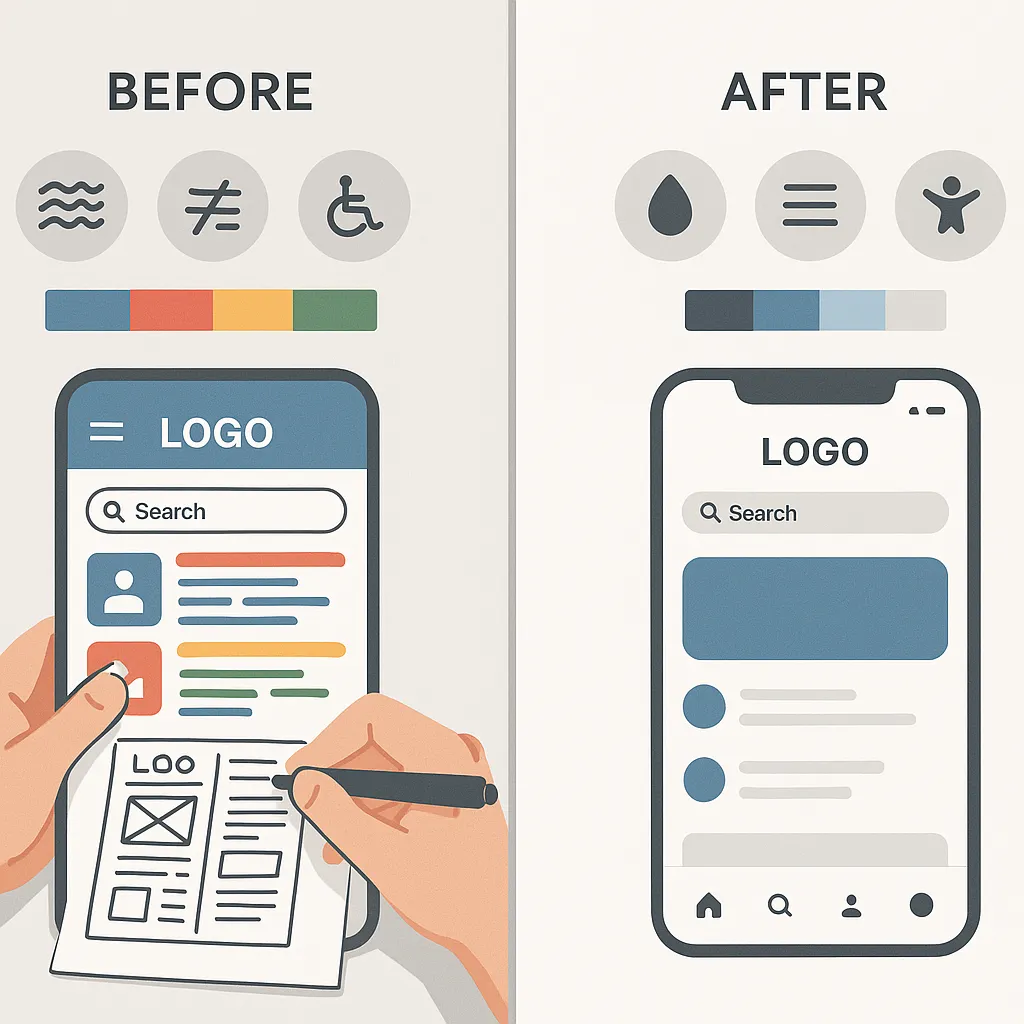
User-centric design: Can they deliver intuitive navigation, clean menus, and responsive screens that work on all devices?
Custom branding: Avoid cookie-cutter designs. You’ll want full control over color schemes, fonts, layout — everything that makes it feel “yours.”
Role-based dashboards: Drivers, customers, restaurants, and admins all have different needs. Your partner should offer tailored interfaces for each.
Mobile-first design: Delivery apps are used on-the-go, so the experience must be optimized for smartphones, not desktops.
Design is not just about looks — it directly impacts user trust, retention, and conversions.
Communication & Workflow
You’re entering a partnership, not just a one-time project. That means collaboration, updates, and flexibility are essential.
Here’s what to expect:
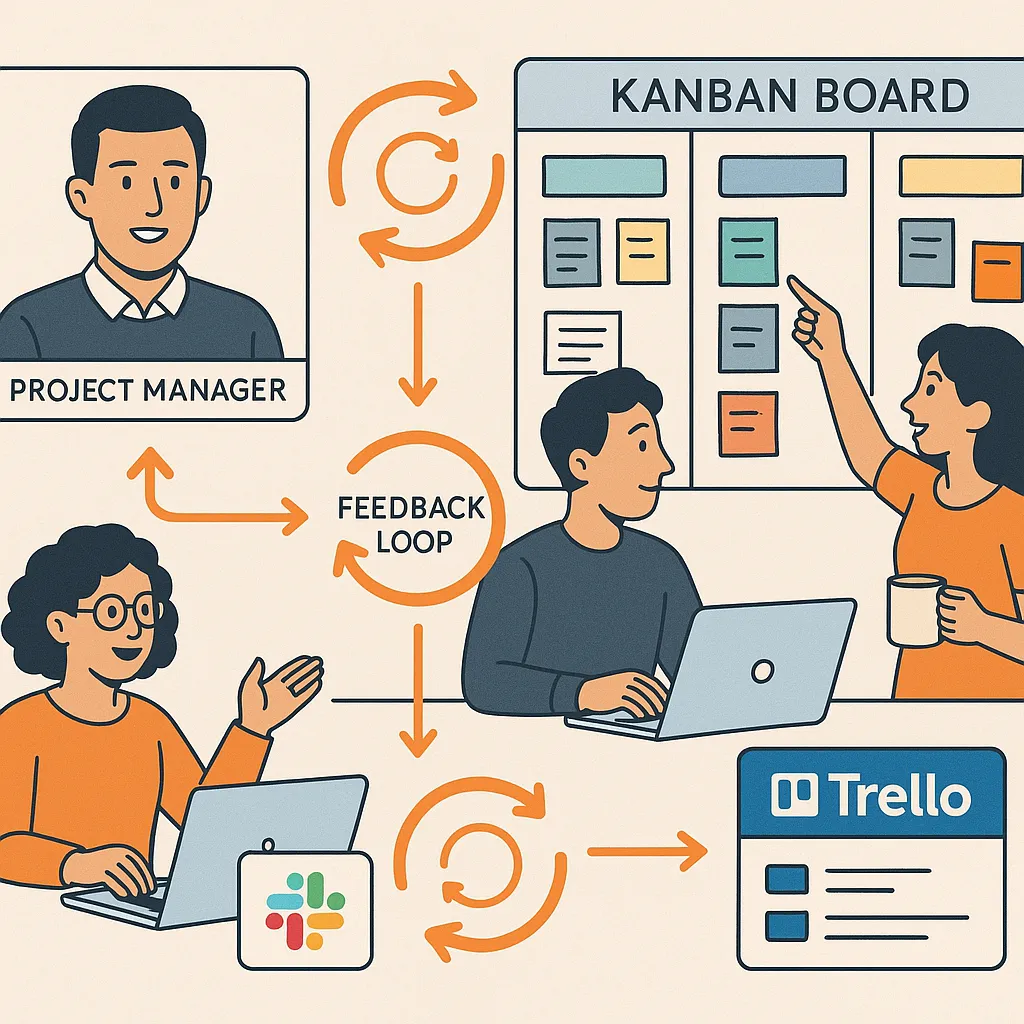
Project management tools: Are they using systems like Jira, Trello, or Asana for transparent task tracking?
Direct point of contact: You should have access to a dedicated project manager — not just a sales liaison.
Agile methodology: Does the team work in sprints? Will you get regular updates, builds, or walkthroughs?
Post-launch support: Once the app is live, what’s the process for fixing bugs, releasing new versions, or scaling up?
Good communication keeps projects on time and avoids costly rework.
Pricing Models & Quality
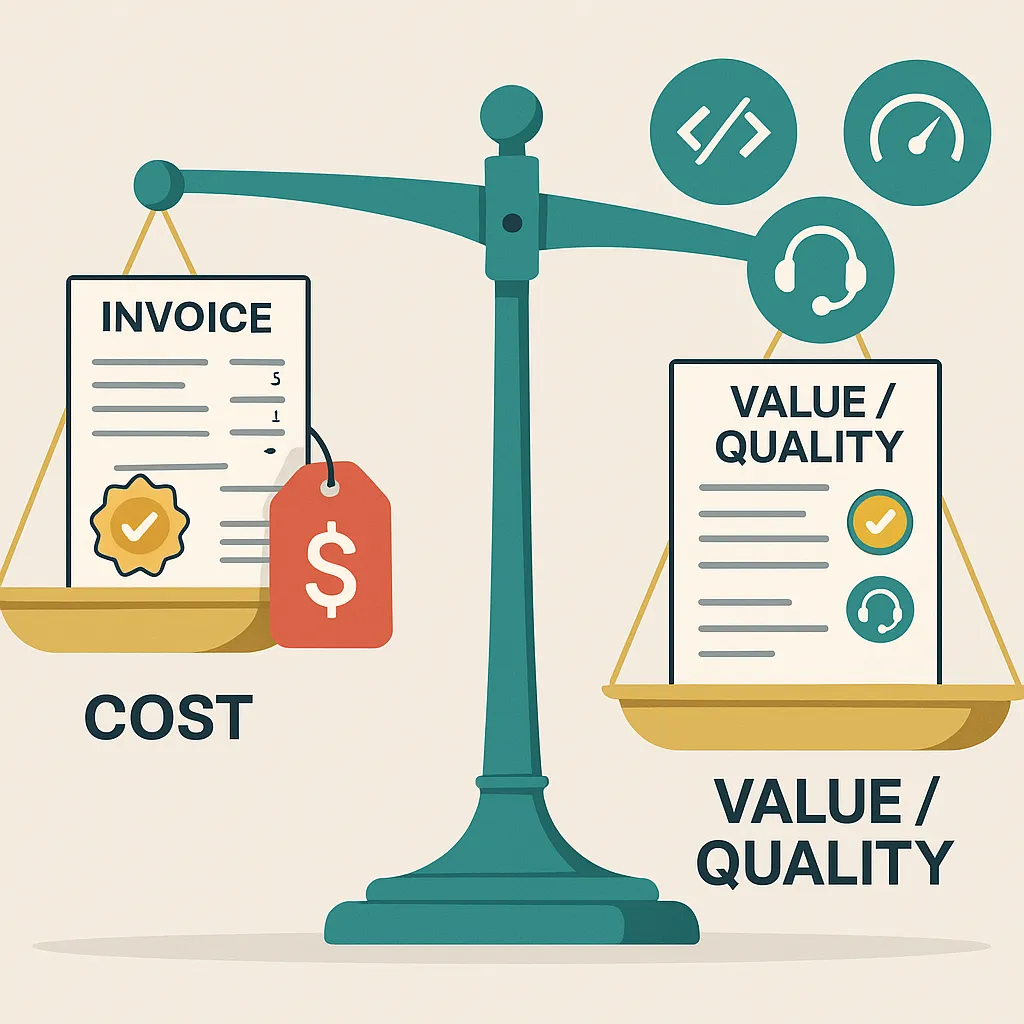
While budget matters, the cheapest quote is rarely the best choice. You want a team that balances cost with quality, speed, and reliability.
To make a smart decision:
Request detailed estimates: Don’t settle for vague numbers. Ask for a breakdown of features, timelines, and cost per milestone.
Clarify what’s included: Some quotes include UI/UX, testing, deployment, and aftercare — others don’t. Always confirm.
Watch for red flags: Overpromising, super-low costs, or no contract terms can lead to delays or poor outcomes.
Factor in long-term costs: Think beyond launch — include hosting, maintenance, updates, and future feature additions in your budget.
The right developer doesn’t just offer a fair price — they deliver real value over time.
Choose the Right Development Partner
Even with a solid plan, building a food delivery platform like Hungerstation is no easy feat — you need a development team that truly understands the on-demand delivery ecosystem. Partnering with the right Hungerstation clone development company can save you time, cut unnecessary costs, and help you avoid operational headaches down the road.
Look for a partner that offers:
Proven expertise in food delivery app development
A portfolio of high-performance, scalable delivery platforms
End-to-end services — from concept validation to post-launch support and optimization
At Miracuves, we don’t just replicate features — we build growth-ready food delivery platforms tailored to your unique business goals. Let our team handle the tech and delivery logistics while you focus on building a brand your customers will love.
Conclusion
Hiring the best Hungerstation clone developer is about more than checking boxes — it’s about finding a partner who understands the food delivery market, has a strong technical foundation, and can deliver a polished product that fits your brand and growth goals. From domain expertise and scalable tech to design, communication, and cost — every decision counts. With the right team, you won’t just launch faster — you’ll launch stronger.
Frequently Asked Questions
Look for teams with proven food delivery experience, scalable tech skills, UI/UX expertise, and clear communication practices.
Absolutely. A good developer will allow full customization — from restaurant types to payment gateways and branding.
A Hungerstation-like app can be built and launched in 3–9 days, including setup, testing, and deployment, depending on the features and integrations you choose.
Modern frameworks like React Native, Node.js, Laravel, and Firebase/AWS work well for performance, security, and scalability.
The best partners offer ongoing support — including bug fixes, updates, and new feature rollouts.