


Tmall is one of China’s most premium eCommerce marketplaces, known for its brand-focused model and high-trust environment. As part of Alibaba’s ecosystem, Tmall remains the go-to destination for international brands expanding into China’s retail economy.
In 2026, Tmall contributed over $18 billion in revenue through a sophisticated combination of commissions, merchant services, partner tools, and advertising. For founders studying marketplace monetization, Tmall’s model is extremely valuable because it blends premium brand positioning with scalable digital economics.
This blog breaks down exactly how Tmall makes money, why its revenue model is so efficient, and what entrepreneurs can learn from it.
Tmall Revenue Overview – The Big Picture
2026 Revenue
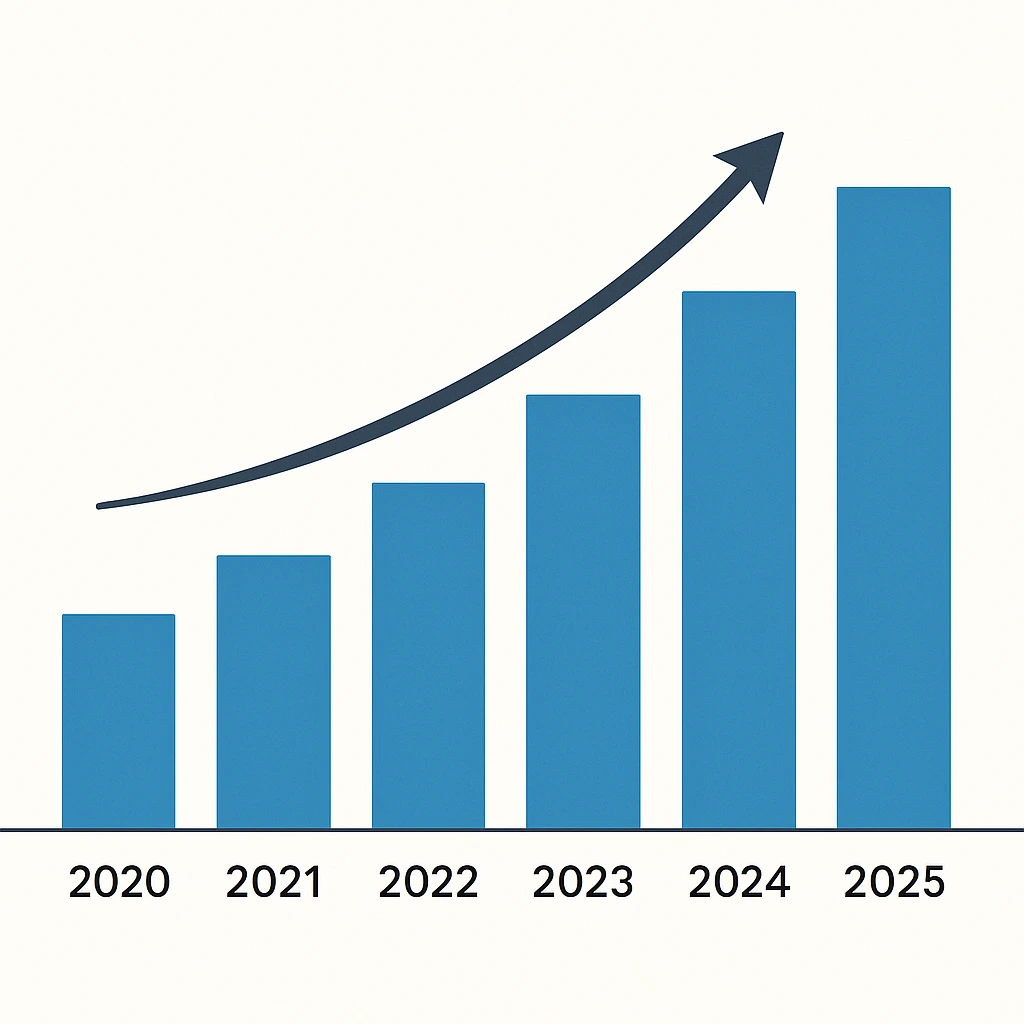
Tmall’s estimated 2026 revenue (within Alibaba’s China Commerce Retail segment):
$18–20 billion
Valuation
Part of Alibaba Group (market cap: $190B–$210B in 2026)
YoY Growth
~6.1% YoY
Growth fueled by brand onboarding, luxury category expansion, and rising advertising competition.
Revenue by Region
- Mainland China: 92%
- Hong Kong & Taiwan: 4%
- International cross-border brands: 4%
Profit Margins
Premium-brand model gives Tmall higher margins:
34–40% blended
Competition Benchmark
Tmall competes with:
- JD.com (premium retail dominance)
- Pinduoduo (aggressive price disruption)
- Douyin/TikTok Shop (creator-led commerce)
- Vipshop (discount luxury retail)
Read More: What is Tmall and How Does It Work?
Primary Revenue Streams Deep Dive
1. Commission Fees (35–44%)
Tmall charges higher commissions than Taobao due to branded retail:
- Fashion: 5–8%
- Beauty: 4–8%
- Electronics: 2–5%
- Luxury: 8–12%
This is Tmall’s largest revenue contributor.
2. Merchant Service Fees (20–26%)
Brands pay for:
- Tmall Partner services (TPs)
- Store management
- Data analytics tools
- AI recommendation boosting
- Brand experience enhancements
3. Advertising & Visibility Boosting (18–23%)
Tmall earns from:
- Sponsored search
- Premium brand showcases
- Homepage banners
- Seasonal campaign slots
Advertising demand is extremely high due to brand competition.
4. Payment Fees through Alipay (8–12%)
Revenue is generated through:
- Merchant settlement fees
- Cross-border currency conversion
- Wallet-based payments
5. Logistics & Fulfillment Services (6–10%)
Through Cainiao:
- Premium delivery
- Warehouse support
- Quality assurance logistics
- Reverse logistics
Revenue streams percentage breakdown
| Revenue Stream | 2026 Percentage |
|---|---|
| Commission Fees | 35–44% |
| Merchant Services | 20–26% |
| Advertising | 18–23% |
| Payment Fees | 8–12% |
| Logistics & Fulfillment | 6–10% |
The Fee Structure Explained
User-Side Fees
- Shipping fees (depending on seller/brand)
- Premium fast delivery options
- Cross-border duties
Brand / Merchant Fees
- Higher commission rates
- Advertising bids
- Store setup + branding tools
- Partner service packages
- Payment gateway fees
Hidden Revenue Layers
- AI-based recommendation ranking
- Exclusive brand event placements
- Big Sale Day participation fees (11.11, 6.18)
- Priority logistics
Regional Pricing Variation
- Mainland China commissions lowest due to scale
- Hong Kong & Taiwan have higher logistics costs
- Cross-border brands pay higher currency conversion fees
Complete fee structure by user type
| Fee Type | User Pays | Brand Pays |
|---|---|---|
| Shipping | Yes | Yes |
| Commission | No | Yes |
| Ads | No | Yes |
| Payment Fees | Minimal | Yes |
| Store Tools | No | Subscription |
| Tmall Partner Services | No | Yes |
How Tmall Maximizes Revenue Per User
Segmentation
Users are segmented by:
- Luxury affinity
- Brand loyalty levels
- Purchase frequency
- Lifestyle tags
Upselling
- Brand bundles
- Category-based recommendations
- Premium versions of products
Cross-selling
- Beauty + skincare combos
- Electronics + accessories
- Fashion + seasonal add-ons
Dynamic Pricing
Brands use Tmall’s competitive insight engine to optimize pricing in real time.
Retention Monetization
- Points
- VIP loyalty tiers
- Seasonal event exclusives
- Members-only deals
LTV Optimization
AI-driven personalization significantly boosts AOV and purchase frequency.
Psychological Pricing
Scarcity triggers during big sale events boost conversion by 20–40%.
Real Data Example
Users participating in Tmall Super Brand Day campaigns show a 30%+ higher AOV.
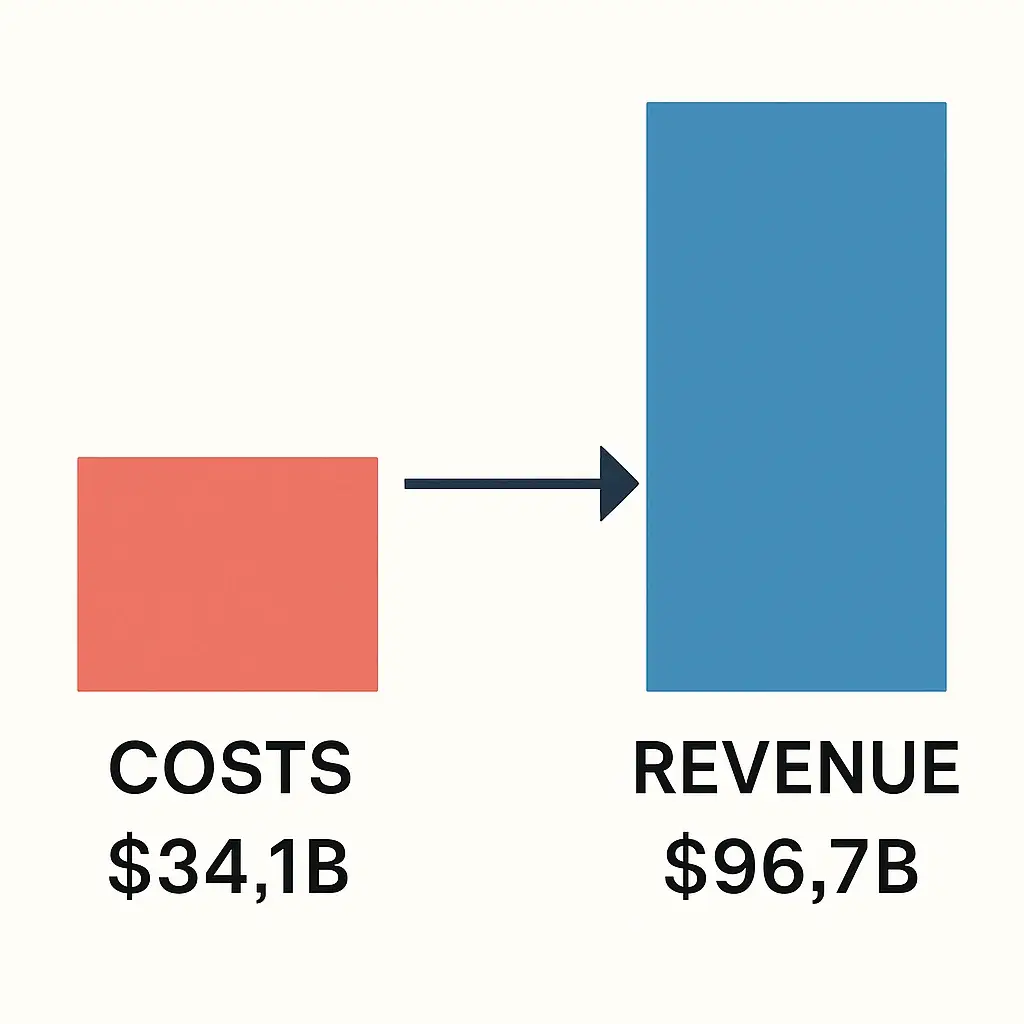
Cost Structure & Profit Margins
Infrastructure
AI recommendation engines, cloud capacity, retailer dashboards, Q&A systems.
Customer Acquisition Cost (CAC)
Strong brand partnerships reduce CAC.
Estimated CAC: $3–$6 per active user.
Operations
Brand onboarding, compliance, quality inspection, customer service.
R&D
AI-driven retail intelligence, 3D virtual try-on tech, brand analytics.
Unit Economics
High due to:
- Premium commissions
- Brand-funded ads
- Marketplace ecosystem
Margin Optimization
- Automated brand tools
- Logistics optimization
- Centralized warehousing partnerships
Profitability Path
Tmall remains one of Alibaba’s most profitable commerce engines.
Read More: Best Tmall Clone Script 2025 | Build Multi-Vendor Marketplace
Future Revenue Opportunities & Innovations
New Streams
- AI-led brand store automation
- Metaverse retail experiences
- Livestream luxury selling
AI/ML-Based Monetization
- Predictive quality scoring
- Price elasticity modeling
- AI-curated brand promotions
Market Expansion
- Southeast Asia brand retail
- Global luxury partnerships
- Cross-border trade growth
Predicted Trends (2026–2027)
- Luxury-driven growth
- Offline + online hybrid flagship stores
- AR/VR try-on expansion
Risks & Threats
- Global regulatory pressures
- Live-commerce disruption
- Economic instability impacting luxury spend
Opportunities for New Founders
- Hyper-niche marketplaces
- Premium category-focused platforms
- Creator-led retail ecosystems
Lessons for Entrepreneurs & Your Opportunity
What Works
- Premium brand-driven model
- High-margin commissions
- Strong advertising ecosystem
What to Replicate
- Trust-first brand positioning
- Seamless merchant onboarding
- Layered monetization
Market Gaps
- Vertical-only marketplaces
- Region-specific premium categories
- Creator-partner retail models
Improvements Founders Can Use
- Transparent analytics tools
- Built-in loyalty engine
- Influencer–brand collaboration modules
Final Thought
Tmall’s revenue engine proves that premium-brand marketplaces can scale faster and more profitably than general-purpose eCommerce models. With strong commissions, competitive merchant services, and AI-powered advertising, Tmall maintains one of the most effective monetization ecosystems in retail.
As global commerce shifts toward AI-personalized shopping and immersive brand experiences, Tmall’s model demonstrates how marketplaces can evolve beyond simple transactions into relationship-driven ecosystems.
Entrepreneurs building modern eCommerce platforms can use Tmall’s strategies as a blueprint for growth, differentiation, and long-term profitability.
FAQs
1. How much does Tmall make per transaction?
Typically 2–12% depending on product category.
2. What is Tmall’s most profitable revenue stream?
Commission fees and merchant services.
3. How does Tmall’s pricing compare to competitors?
Higher than Taobao, slightly lower than JD for some categories.
4. What percentage does Tmall take from brands?
2–12% commission + ads + premium tools.
5. How has Tmall’s revenue model evolved?
Shift from basic commissions to premium services + AI tooling.
6. Can small platforms use similar models?
Yes — especially for niche premium categories.
7. What’s the minimum scale for profitability?
Around 300K–800K active monthly users.
8. How to implement similar revenue models?
Use commission + ads + brand tools + payment revenue layers.
9. What are alternatives to Tmall’s model?
Subscription marketplaces, curated luxury stores, creator commerce.