



UPS started as a small messenger service and evolved into one of the world’s largest logistics and parcel delivery companies, handling over 25 million packages daily across more than 220 countries. Its success reflects a massive shift in global commerce where speed, transparency, and real-time tracking define customer trust. In 2026, the global logistics and courier market is projected to exceed $13 trillion, fueled by eCommerce growth, cross-border trade, and last-mile delivery innovation.
For entrepreneurs and logistics startups, understanding the UPS Clone Script model is critical because modern shipping businesses demand more than basic delivery tracking. A UPS-style platform integrates shipment management, route optimization, warehouse coordination, real-time tracking, and enterprise analytics into one powerful ecosystem. With UPS Clone Development, founders can launch advanced courier and logistics platforms without building complex supply chain infrastructure from scratch. Miracuves Clone Solutions enables entrepreneurs to deploy secure, scalable, and automation-driven logistics systems designed for 2026 market expectations.
What Makes a Great UPS Clone?
Defining a High-Performance UPS Clone in 2026
A great UPS clone in 2026 is not just a courier tracking app, it is a full-scale logistics management ecosystem built for speed, accuracy, and reliability. Entrepreneurs entering the logistics space must design platforms that handle complex delivery networks, real-time tracking, and enterprise-level operations without friction. A successful UPS Clone Development strategy focuses on automation, transparency, and scalability to meet modern shipping demands.
Customers today expect precise delivery timelines, live package tracking, and instant notifications. Logistics operators expect route optimization, fleet visibility, and operational intelligence. This is why Miracuves Clone Solutions builds UPS-style platforms using cloud-native infrastructure, AI-powered routing, and real-time data processing that performs reliably even at massive scale.
Core Characteristics of a Modern UPS Clone
• Real-time shipment tracking with GPS precision
• AI-based route optimization and delivery scheduling
• Automated label generation and shipment workflows
• Multi-hub and warehouse management support
• 99.9% uptime with enterprise-grade infrastructure
• Secure payments, invoicing, and COD handling
Advanced Capabilities Expected in 2026
Logistics platforms in 2026 must be predictive and data-driven, not reactive.
• AI-powered demand forecasting and load balancing
• Smart last-mile delivery optimization
• Blockchain-backed shipment logs for transparency
• IoT integration for fleet and package monitoring
• Cross-platform access across web, mobile, and admin dashboards
Technical Performance and Reliability Benchmarks
• Cloud-native microservices architecture
• Secure REST APIs for tracking, payments, and notifications
• End-to-end encryption for shipment and customer data
• Real-time analytics for delivery performance
• Automated failover and disaster recovery systems
Comparison Table: Traditional Courier Systems vs UPS Clone Platforms
| Feature Area | Traditional Courier Systems | UPS Clone by Miracuves |
|---|---|---|
| Tracking | Manual or delayed | Real-time live tracking |
| Route Planning | Static | AI-optimized |
| Scalability | Limited | Global-ready |
| Automation | Low | High |
| Visibility | Fragmented | End-to-end |
| Customer Experience | Basic | Enterprise-grade |
Essential Features Every UPS Clone Script Must Have
Customer-Facing Features for Shipment Visibility and Trust
In 2026, customers expect complete transparency and control over their shipments. A UPS-style logistics platform must provide real-time visibility, accurate delivery estimates, and proactive communication. A strong UPS Clone Development approach ensures customers can track parcels effortlessly while staying informed at every delivery stage. Miracuves Clone Solutions designs customer experiences that build trust and reduce support queries.
• Real-time package tracking with live location updates
• Automated delivery status notifications via SMS, email, and app alerts
• Accurate ETA predictions using AI-based routing
• Digital proof of delivery with signature and photo capture
• Easy shipment creation, label downloads, and invoice access
Courier and Driver Features for Operational Efficiency
Drivers and couriers are the backbone of any logistics network. A modern UPS clone must equip them with smart tools that optimize routes, reduce delivery time, and improve productivity. In 2026, efficiency and ease of use are key to courier retention and service quality.
Miracuves builds driver apps that provide clear task visibility, optimized navigation, and performance insights.
• AI-optimized route navigation and stop sequencing
• Daily delivery task lists with priority indicators
• In-app navigation and traffic-aware rerouting
• Earnings, incentives, and performance dashboards
• Digital proof of delivery and issue reporting
Admin Panel Features for End-to-End Logistics Control
For logistics entrepreneurs, the admin dashboard is where operations, profitability, and scalability converge. A UPS clone admin system must deliver full visibility across shipments, fleets, hubs, and customer activity while enabling automation at scale.
• Centralized shipment, fleet, and hub management
• Real-time delivery monitoring and exception handling
• Pricing rules, zone management, and surcharge configuration
• AI-powered analytics for delivery performance and costs
• Automated billing, invoicing, and reconciliation
Advanced Logistics Features for 2026 Readiness
To compete with enterprise logistics providers, UPS clones must integrate advanced technologies that improve reliability and efficiency.
• AI-based demand forecasting and capacity planning
• Smart last-mile delivery optimization
• IoT integration for vehicle and package monitoring
• Blockchain-backed shipment records for auditability
• API integrations with eCommerce platforms and ERPs
Technical Architecture and Scalability Requirements
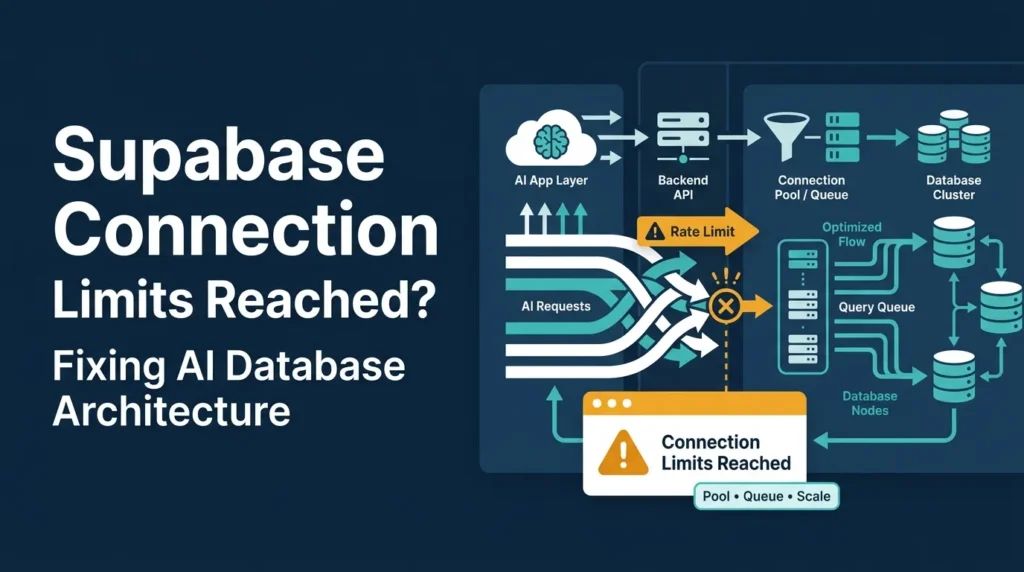
A UPS clone must be engineered to handle millions of shipments daily without delays or data loss. Miracuves uses cloud-native, microservices-based architecture to ensure performance, security, and scalability.
• Auto-scaling cloud servers with load balancing
• Secure REST and GraphQL APIs
• End-to-end encryption and role-based access control
• High-availability infrastructure with 99.9% uptime
• Real-time data pipelines and analytics engines
Feature Comparison Table: Basic vs Professional vs Enterprise UPS Clone
| Feature Category | Basic Version | Professional Version | Enterprise Version |
|---|---|---|---|
| Shipment Tracking | Standard | Real-time GPS | Predictive tracking |
| Route Optimization | Manual | AI-assisted | Fully automated AI |
| Admin Controls | Limited | Advanced | Fully automated |
| Integrations | Minimal | eCommerce APIs | ERP & IoT integrations |
| Scalability | Regional | Multi-region | Global enterprise |
| Customization | Minimal | Moderate | Full white-label |
Miracuves integrates all these capabilities into its UPS Clone Development framework, delivering a robust, scalable, and future-ready logistics platform for global courier and supply chain businesses.
Cost Factors & Pricing Breakdown
UPS-Like Logistics & Shipping Platform Development — Market Price
| Development Level | Inclusions | Estimated Market Price (USD) |
|---|---|---|
| 1. Basic Logistics MVP | Shipment creation, order management, tracking dashboard, status updates, basic admin panel | $45,000 – $70,000 |
| 2. Mid-Level Shipping Platform | Real-time shipment tracking, carrier integrations, label generation, notifications, analytics & reporting | $100,000 – $180,000 |
| 3. Advanced UPS-Level Logistics System | End-to-end supply-chain management, route optimization, warehouse integration, automation, enterprise security & scalability | $300,000+ |
UPS-Style Logistics & Supply-Chain Platform Development
The above estimates represent the global market cost of building a logistics and shipping management platform like UPS.
Such systems require real-time tracking, high-volume data processing, carrier integrations, automation, and enterprise-grade reliability, often resulting in 9–18 months of development with large engineering teams.
Miracuves Pricing for a UPS-Like Custom Platform
Miracuves Price: Starts at $15,999
This pricing is designed for a feature-rich, scalable logistics ecosystem, including shipment management, tracking workflows, admin & operations dashboards, analytics, and mobile-ready applications—delivered at a fraction of traditional enterprise logistics software costs.
Note:
This includes full non-encrypted source code (complete ownership), end-to-end deployment support, backend & API setup, admin panel configuration, and publishing support for the Google Play Store and Apple App Store—ensuring you receive a fully operational logistics platform ready for launch and long-term expansion.
Planning to build a UPS-style logistics and shipping platform with full ownership and enterprise-grade foundations? Book a consultation today to get a clear, step-by-step roadmap tailored to your logistics vision.
Delivery Timeline for a UPS-Like Platform with Miracuves
For a UPS-style, JavaScript-based custom build, the typical delivery timeline is 30–90 days, depending on:
- Shipment volume & tracking complexity
- Carrier, warehouse, and third-party integrations
- Automation and route-optimization logic
- Scalability, performance, and security needs
- UI/UX customization level
Tech Stack
We preferably use JavaScript for building the entire solution—leveraging Node.js / Next.js for backend & frontend, PostgreSQL for logistics and tracking data, and Flutter or React Native for mobile access.
This ensures high performance, scalability, and a single unified codebase across platforms.
Other tech stacks or region-specific logistics customizations can be discussed during the consultation phase.
Customization & White-Label Options
Building a UPS-style logistics and delivery platform requires more than package tracking. Businesses expect reliable shipping, real-time visibility, route optimization, enterprise integrations, and end-to-end supply chain control. The platform must support high-volume operations while maintaining accuracy, speed, and transparency.
A fully white-label UPS-style logistics solution can be customized to match your brand, industry, geography, and operational scale—whether you’re building for e-commerce fulfillment, enterprise logistics, last-mile delivery, or cross-border shipping.
Why Customization Matters
Logistics platforms operate in complex, high-stakes environments. Companies building UPS-style systems typically need:
- End-to-end shipment lifecycle management
- Real-time tracking and delivery visibility
- Route optimization and fleet efficiency
- Scalable systems for high shipment volumes
- Integration with warehouses, carriers, and partners
- Strong reliability, SLAs, and operational controls
- Compliance with regional and international regulations
- Admin tools for operations, billing, and analytics
Customization ensures the platform aligns with business workflows, customer expectations, and operational realities.
What You Can Customize
UI/UX & Branding
Custom dashboards for shippers, customers, and operators, branded tracking pages, notifications, and reporting views.
Shipment & Order Management
Pickup requests, shipment creation, labeling, manifests, status updates, and exception handling.
Tracking & Visibility
Real-time tracking, delivery milestones, proof of delivery, ETA updates, and customer notifications.
Fleet & Route Optimization
Vehicle management, route planning, load optimization, driver assignments, and fuel efficiency insights.
Warehousing & Fulfillment
Inventory management, warehouse workflows, scanning, sorting, and fulfillment integrations.
Billing & Invoicing
Rate cards, shipping charges, invoices, COD handling, refunds, and enterprise billing models.
Security & Compliance Layer
Data security, access controls, audit logs, customs documentation, and regulatory compliance.
Backend Integrations
ERP systems, e-commerce platforms, warehouse management systems, payment gateways, and analytics tools.
Monetization Add-Ons
Shipping fees, enterprise contracts, premium tracking, value-added services, and insurance options.
How We Handle Customization
- Requirement Analysis
Understand shipping volumes, service types, regions, and compliance needs. - Sprint Planning
Deliver in phases—from core shipment tracking to advanced logistics optimization. - Design & Development
Build logistics workflows, tracking systems, routing engines, and admin dashboards. - Testing & QA
Validate accuracy, scalability, failure scenarios, and operational reliability. - Deployment
Launch a fully branded logistics platform with customer portals, operational tools, analytics, and support systems.
Real Examples for a UPS-Style Platform
- Enterprise shipping and logistics management systems
- E-commerce fulfillment and delivery platforms
- Cross-border shipping and customs solutions
- Last-mile delivery and fleet optimization tools
- Supply chain visibility and analytics platforms
Launch Strategy & Market Entry
How to Successfully Launch a UPS Clone in 2026?
Launching a UPS-style logistics platform requires careful planning across operations, compliance, and customer onboarding. In 2026, logistics customers expect real-time visibility, predictable delivery, and enterprise-level reliability from day one. Entrepreneurs must approach launch as a phased rollout to validate operations before scaling nationwide or globally. Miracuves Clone Solutions supports founders with a structured logistics launch framework built for high-volume delivery businesses.
Before public launch, the platform must be tested under real-world logistics conditions. UPS clones handle live tracking, fleet movement, billing, and customer communications, making accuracy and stability critical.
Pre-Launch Checklist for UPS Clone Platforms
• End-to-end shipment creation and delivery testing
• Load testing for peak shipment volumes
• GPS accuracy and route optimization validation
• Billing, invoicing, and COD workflow testing
• Courier onboarding and verification processes
• App store and web portal readiness
Regional Market Entry Strategies
Logistics requirements differ by region. In North America and Europe, SLA compliance, data privacy, and enterprise integrations are critical. In Asia and emerging markets, cost efficiency, last-mile optimization, and mobile-first access drive adoption. Cross-border logistics requires customs integration, tax handling, and multilingual support. Localizing workflows significantly improves customer satisfaction and operational efficiency.
User Acquisition and Growth Frameworks
• Partnerships with eCommerce sellers and marketplaces
• B2B contracts with enterprises and SMEs
• API integrations with online stores and ERPs
• Performance-based pricing and service guarantees
• Customer dashboards for transparency and trust
Monetization Models Proven in 2026
• Per-shipment delivery fees
• Subscription plans for enterprise clients
• Premium tracking and SLA services
• Value-added logistics analytics
• Cross-border shipping surcharges
Miracuves provides complete launch support including infrastructure setup, workflow validation, and a structured 30–90 days growth roadmap that helps logistics founders achieve early traction while preparing for large-scale operations.
Why Choose Miracuves for Your UPS Clone
A Trusted Logistics Technology Partner for Global Delivery Businesses
Building a UPS-style logistics platform is far more complex than launching a standard delivery app. It requires deep understanding of supply chain workflows, real-time tracking systems, enterprise integrations, and high-volume operational reliability. In 2026, entrepreneurs need a technology partner who can handle this complexity while delivering speed, scalability, and long-term stability. Miracuves Clone Solutions has established itself as a trusted logistics technology partner by helping founders launch secure, automation-driven, and growth-ready UPS clone platforms across multiple regions.
Miracuves combines strong technical capabilities with real-world logistics execution experience. Every UPS clone is built using modular, future-proof architecture that supports rapid expansion, high shipment volumes, and evolving logistics needs such as cross-border shipping and last-mile optimization. With over 9k+ successful deployments across logistics, courier, and supply chain platforms, Miracuves has refined a delivery process that prioritizes operational efficiency and business scalability.
Key Strengths That Make Miracuves the Right Choice
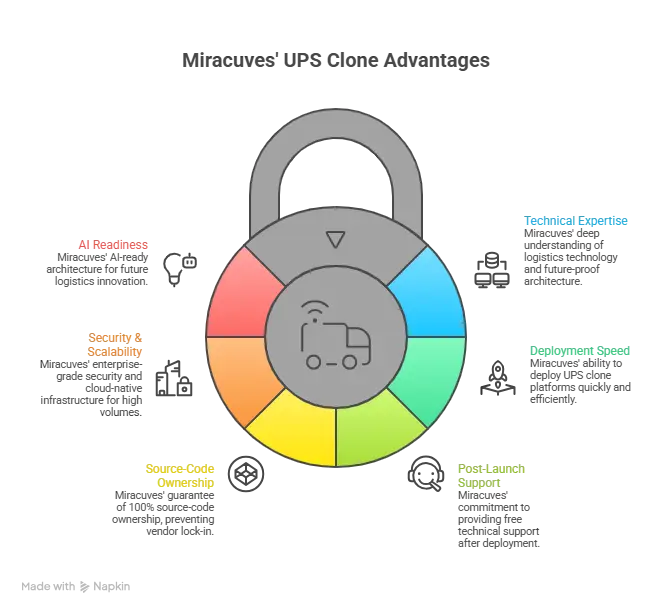
• 9k+ successfully deployed logistics and supply chain platforms
• End-to-end UPS clone deployment within 30–90 days
• 60 days of free post-launch technical support
• 100% source-code ownership with no vendor lock-in
• Enterprise-grade security and cloud-native infrastructure
• AI-ready architecture for future logistics innovation
Entrepreneurs partnering with Miracuves consistently see faster go-to-market and smoother scaling. One regional courier startup launched a Miracuves-powered UPS clone and secured multiple enterprise contracts within its first year by offering real-time tracking and SLA-based services. Another logistics company used Miracuves’ white-label solution to expand across multiple countries without rebuilding its core system, significantly reducing operational costs.
Miracuves delivers more than software, it delivers a long-term logistics foundation. From initial requirement analysis and workflow design to launch execution and post-launch optimization, founders receive transparent guidance and a clear roadmap aligned with their logistics growth goals.
Final Thought
UPS’s global success demonstrates that modern logistics is driven by automation, visibility, and operational precision. In 2026, entrepreneurs who understand this model have a powerful opportunity to build courier and supply chain platforms that serve eCommerce businesses, enterprises, and consumers at scale. The key lies in launching with technology that can handle complexity while remaining flexible for growth.
By leveraging a professionally built UPS clone, founders can bypass years of infrastructure development and focus on customer acquisition, service reliability, and geographic expansion. Miracuves Clone Solutions empowers logistics entrepreneurs with secure, scalable, and AI-enabled delivery platforms designed for rapid deployment and long-term success. With the right strategy and a trusted partner, a UPS-style platform can evolve into a competitive logistics ecosystem serving global markets.
Ready to launch your UPS clone? Get a free consultation and a detailed logistics roadmap from Miracuves — trusted by logistics entrepreneurs worldwide.
FAQs
How long does it take to deploy a UPS clone with Miracuves?
Miracuves can deploy a fully functional UPS clone within 30–90 days, depending on customization scope, logistics complexity, and regional requirements.
What is included in the Miracuves UPS clone package?
The package includes customer shipment portals, courier and driver apps, admin and operations dashboards, real-time tracking, billing systems, analytics, and complete technical documentation.
Do I get full source-code ownership?
Yes, Miracuves provides 100% source-code ownership, ensuring no vendor lock-in and complete freedom for future development.
How does Miracuves ensure scalability for high shipment volumes?
Miracuves uses cloud-native, auto-scaling infrastructure with microservices architecture to handle millions of shipments and real-time updates without performance issues.
Can the UPS clone support multi-warehouse and multi-hub operations?
Yes, the platform supports multiple warehouses, hubs, zones, and delivery routes with centralized control and real-time visibility.
Does Miracuves help with integrations for eCommerce and ERP systems?
Absolutely, Miracuves integrates UPS clones with eCommerce platforms, ERPs, inventory systems, and third-party logistics tools.
Is post-launch support included?
Yes, Miracuves offers 60 days of free post-launch support, covering bug fixes, performance monitoring, and minor enhancements.
Can the UPS clone handle international and cross-border shipping?
Yes, the platform supports cross-border logistics with customs workflows, tax handling, and multi-currency billing.
What monetization models can be implemented?
The UPS clone supports per-shipment fees, subscription plans, enterprise contracts, SLA-based pricing, and value-added logistics services.
Can the UPS clone be fully white-labeled under my brand?
Yes, Miracuves delivers fully white-labeled UPS clone solutions with your brand name, logo, domain, and platform identity.
Relatable Articles