


You’ve heard the horror stories about data breaches, leaked resumes, and compromised employer accounts. When a job portal app handles personal profiles, resumes, salary data, and payment details, security is no longer optional.
In 2026, cyberattacks on recruitment and hiring platforms are rising fast. A single vulnerability in a job portal app can expose thousands of users and permanently damage your brand trust.
This guide gives you an honest, no-hype security assessment of white-label job portal apps. You’ll understand real risks, required security standards, and how to build a safe, compliant platform using a security-first provider like Miracuves.
Understanding White-Label Job Portal App Security Landscape
What White-Label Job Portal App Security Really Means
White-label job portal app security refers to the protection mechanisms built into a ready-made app solution that is customized for your brand. Security depends on how the core app is developed, hosted, and maintained by the provider.
Common Security Myths vs Reality
Many believe white-label apps are less secure than custom apps. In reality, a professionally built job portal app often has stronger security because it follows standardized testing, audits, and compliance frameworks.
Read more : – Business Model of Job Portal : Complete Strategy Breakdown 2025
Why Businesses Worry About White-Label Job Portal Apps
Job portal apps store sensitive data like resumes, contact details, salary expectations, and employer credentials. Any weakness can lead to identity theft, data misuse, or legal penalties.
Current Threat Landscape for Job Portal Apps
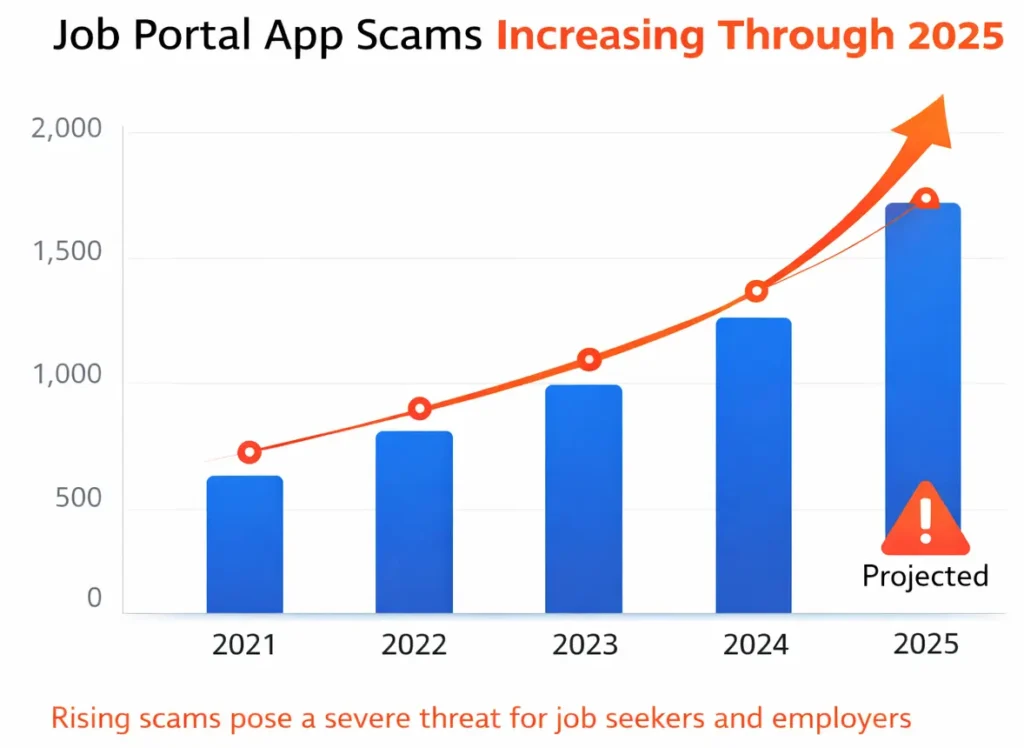
In 2026, job portal apps face threats such as credential stuffing, fake recruiter accounts, data scraping, API abuse, and ransomware attacks targeting resume databases.
Security Standards in 2026
Modern job portal apps must follow global data protection laws, secure cloud infrastructure, encrypted communication, and regular vulnerability testing to stay safe.
Real-World Security Incident Statistics
Recent industry reports show that recruitment platforms are among the top targets for data harvesting attacks due to the high value of user profile data.
Key Security Risks & How to Identify Them
Data Protection & Privacy Risks
Job portal apps handle resumes, phone numbers, emails, and sometimes payment data. Weak encryption or improper storage can lead to data leaks and GDPR or CCPA violations. Location tracking and profile visibility must be clearly controlled.
Technical Vulnerabilities
Poor code quality can introduce bugs and security loopholes. Common risks include unsecured APIs, weak server configurations, outdated frameworks, and unsafe third-party integrations such as payment gateways or analytics tools.
Business-Level Risks
Security failures can result in legal liability, loss of user trust, heavy financial penalties, and long-term brand damage. For job portal apps, reputation loss is often irreversible.
Risk Assessment Checklist
Check if the app uses encrypted data storage, secure login methods, protected APIs, regular updates, compliance documentation, and reliable backup systems before launch.
Security Standards Your White-Label Job Portal App Must Meet
Essential Compliance Certifications
A secure job portal app should align with ISO 27001 for information security management and SOC 2 Type II for data handling controls. GDPR compliance is mandatory for EU users, while CCPA applies to California-based users. PCI DSS is required if the app processes payments.
Core Technical Security Requirements
The app must support end-to-end encryption, SSL certificates, and secure API architecture. Strong authentication methods like two-factor authentication and OAuth are essential to protect employer and candidate accounts.
Ongoing Security Validation
Regular penetration testing, automated vulnerability scans, and third-party security audits ensure the job portal app stays protected against evolving threats.
Security Standards Comparison Overview
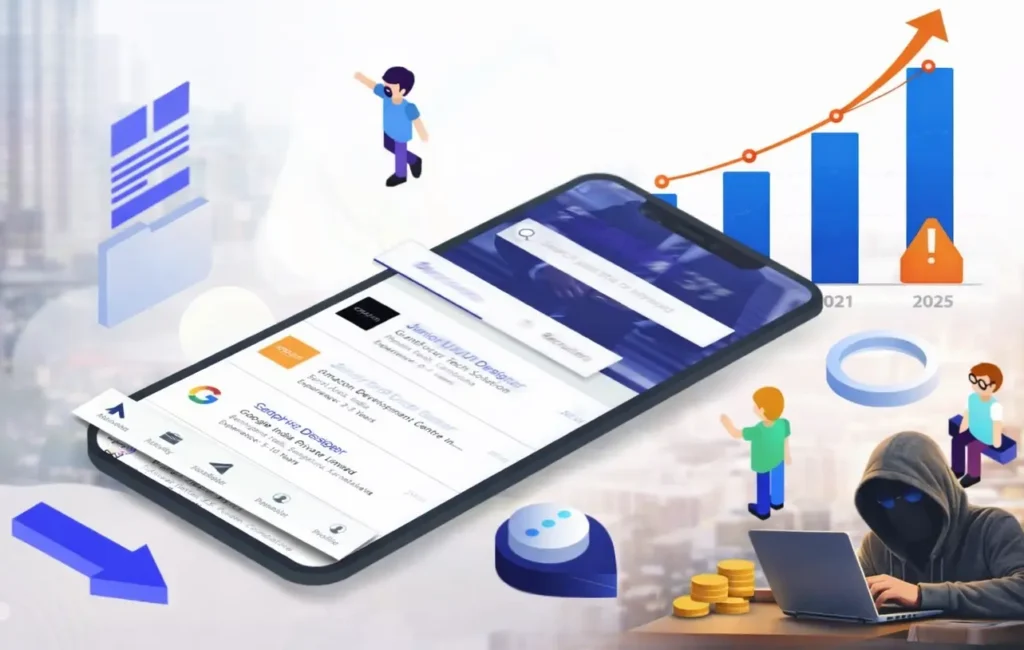
Apps that meet global compliance standards provide stronger legal protection, higher user trust, and lower long-term risk compared to non-compliant platforms.
Security Standards Your White-Label Job Portal App Must Meet
Essential Compliance Certifications
A secure job portal app should align with ISO 27001 for information security management and SOC 2 Type II for data handling controls. GDPR compliance is mandatory for EU users, while CCPA applies to California-based users. PCI DSS is required if the app processes payments.
Core Technical Security Requirements
The app must support end-to-end encryption, SSL certificates, and secure API architecture. Strong authentication methods like two-factor authentication and OAuth are essential to protect employer and candidate accounts.
Ongoing Security Validation
Regular penetration testing, automated vulnerability scans, and third-party security audits ensure the job portal app stays protected against evolving threats.
Security Standards Comparison Overview
Apps that meet global compliance standards provide stronger legal protection, higher user trust, and lower long-term risk compared to non-compliant platforms.
Read more : – Best Job Portal Clone Scripts in 2025: Features & Pricing Compared
Best Practices for Secure White-Label Job Portal App Implementation
Pre-Launch Security Practices
Before launch, the job portal app should undergo a full security audit, code review, and infrastructure hardening. Compliance verification and basic security training for internal teams reduce early-stage risks.
Post-Launch Security Monitoring
After launch, continuous monitoring helps detect suspicious activity. Regular security patches, controlled data access, and clear incident response planning are essential for long-term protection.
Data Management and Recovery
Secure backups, encrypted storage, and defined recovery procedures ensure that user data remains safe even during system failures or cyber incidents.
Security Implementation Timeline
Security should be treated as an ongoing process, not a one-time task, with scheduled audits and updates throughout the app lifecycle.
Legal & Compliance Considerations
Regulatory Requirements by Region
Job portal apps must comply with GDPR for European users, CCPA for users in California, and other local data protection laws depending on the operating region. Proper user consent and data usage transparency are mandatory.
Privacy Policies and User Agreements
Clear privacy policies and terms of service are required to explain how candidate and employer data is collected, stored, and processed within the app.
Liability and Risk Management
Legal safeguards such as limitation clauses, breach notification processes, and regulatory monitoring help reduce financial and legal exposure in case of security incidents.
Compliance Monitoring
Regular compliance reviews ensure the job portal app continues to meet evolving legal and regulatory requirements.
Read more : – Complete Cost Guide for Job Portal Clone App Development
Why Miracuves White-Label Job Portal App is Your Safest Choice
Security-First Architecture
Miracuves builds job portal apps with enterprise-grade security architecture designed to protect user data, employer accounts, and platform operations from day one.
Built-In Compliance and Certifications
Miracuves job portal apps are GDPR and CCPA compliant by default, with security practices aligned to ISO 27001 and SOC 2 standards.
Advanced Data and Payment Protection
All data is encrypted in transit and at rest. Secure payment processing follows PCI DSS guidelines to protect financial transactions.
Continuous Monitoring and Updates
Miracuves provides ongoing security monitoring, regular updates, and vulnerability management to keep the app protected against emerging threats.
Proven Security Track Record
With 600+ successful projects and zero major security breaches, Miracuves is trusted by businesses worldwide for safe and compliant job portal apps.
Final Thought
A job portal app is only as strong as its security foundation. Choosing a trusted, compliance-focused provider reduces risk, protects user data, and safeguards your brand. Miracuves delivers secure, scalable job portal apps built for long-term success.
FAQs
1. How secure is a white-label job portal app compared to custom development
A professionally built white-label job portal app can be equally or more secure because it follows tested security frameworks and standardized audits.
2. What happens if there is a security breach
A secure provider like Miracuves follows incident response protocols, user notification rules, and rapid patching to minimize impact.
3. Who is responsible for security updates
The white-label app provider is responsible for core security updates, while businesses manage operational security practices.
4. How is user data protected in a job portal app
User data is protected through encryption, access controls, secure servers, and compliance with data protection laws.
5. What compliance certifications should I look for
ISO 27001, SOC 2 Type II, GDPR, CCPA, and PCI DSS are essential for job portal apps.
6. Can white-label job portal apps meet enterprise security standards
Yes, when built with secure architecture, regular audits, and compliance-first development.
7. How often should security audits be conducted
At least once a year, with continuous monitoring and vulnerability scans.
8. What is included in Miracuves security package
Compliance-ready architecture, encrypted data handling, regular updates, monitoring, and audit support.
9. How is security handled across different countries
Miracuves aligns the app with region-specific data protection and privacy laws.
10. What insurance is needed for job portal app security
Cyber liability and data breach insurance help protect against financial and legal risks.
Related Articles