



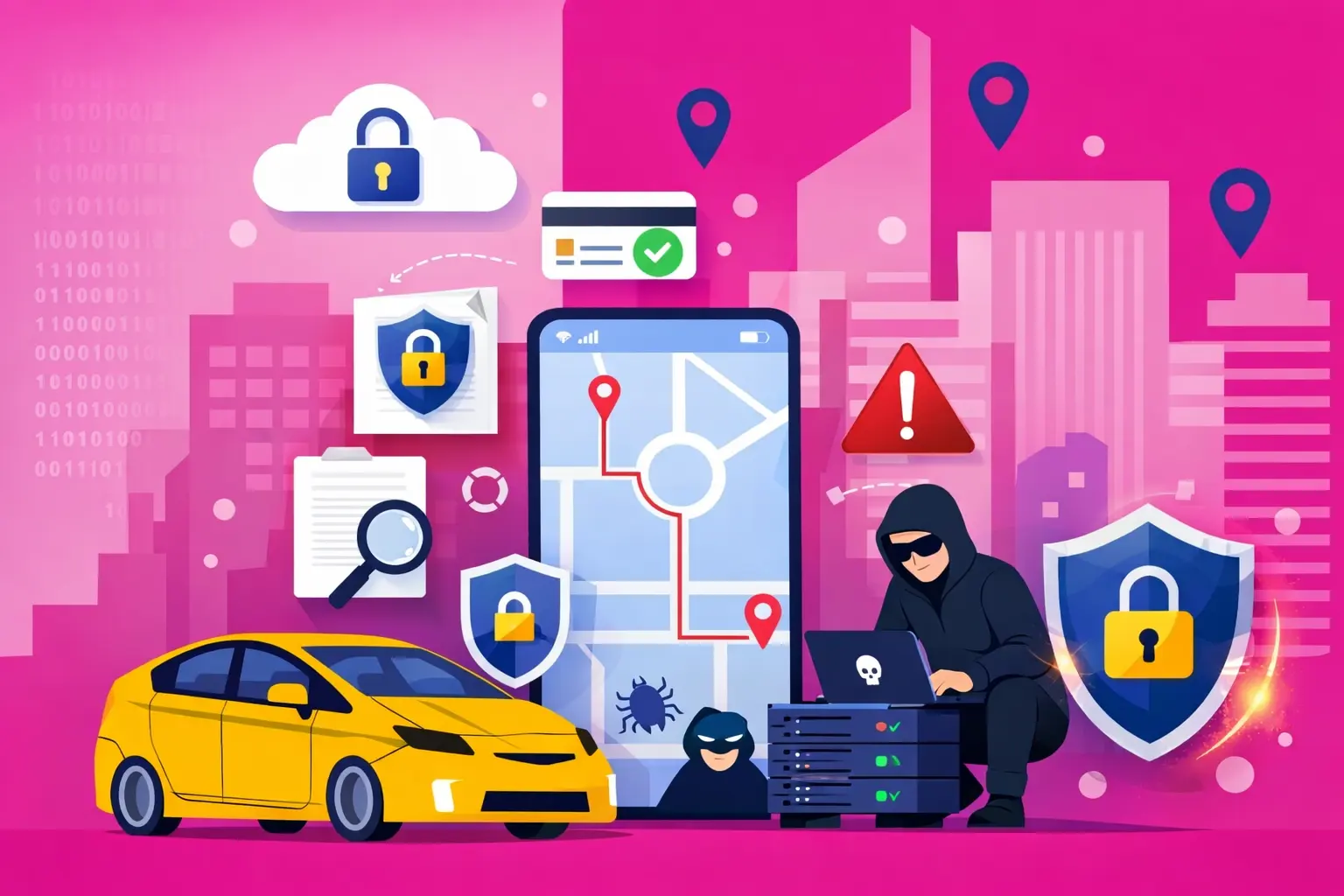
You’ve probably heard the horror stories—ride-hailing apps leaking location data, payment breaches exposing user cards, or startups facing legal action due to poor security. When you’re planning to launch a white-label Lyft-style app, the biggest question isn’t features or speed to market—it’s safety.
In 2025, app security is no longer optional. Ride-hailing platforms handle highly sensitive data: real-time locations, payment credentials, identity documents, and communication logs. One weak security decision can destroy trust overnight.
This guide gives you an honest, no-marketing-fluff assessment of white-label Lyft-style app security—what the real risks are, what standards your app must meet, and how to build a platform that users, regulators, and partners can trust.
Understanding White-Label Lyft-Style App Security Landscape
What “White-Label App Security” Really Means
White-label app security refers to the safeguards built into a ready-made app framework that is customized and deployed under your brand. In a Lyft-style app, this security must protect riders, drivers, payments, locations, and communication flows across multiple touchpoints. The safety of your platform depends not just on features, but on how deeply security is engineered into the app architecture.

Common Security Myths vs Reality
Many founders believe white-label apps are inherently unsafe or poorly coded. The reality is more nuanced. Security risks arise not because an app is white-label, but because some providers cut corners on encryption, compliance, and infrastructure. A well-built white-label Lyft-style app can match or exceed the security of custom-built platforms when enterprise standards are followed.
Why People Worry About White-Label Ride-Hailing Apps
Ride-hailing apps process extremely sensitive data. Users worry about:
- Live location tracking misuse
- Payment and wallet fraud
- Driver identity verification failures
- Data resale or unauthorized access
These concerns are valid, especially when providers lack transparency about how data is stored and protected.
Current Threat Landscape for Lyft-Style Apps
In 2025, ride-hailing platforms are prime targets for:
- API abuse exposing trip and user data
- Account takeovers via weak authentication
- Payment fraud and chargeback manipulation
- Location spoofing and driver-side exploitation
According to global cybersecurity reports, mobility apps account for a rising share of consumer data breach incidents due to their always-on, real-time nature.
Security Standards in 2025
Modern Lyft-style apps are expected to comply with strict global security norms. Regulators, payment gateways, and app stores now actively review encryption standards, data residency practices, and consent management systems before approving or continuing platform access.
Real-World App Security Statistics
Recent industry data shows that over 60% of app security breaches stem from poor API security and misconfigured servers—not from the app model itself. Platforms that implement regular audits and monitoring reduce breach risks by more than 70%.
Read more : – Business Model of Lyft : Complete Strategy Breakdown 2025
Key Security Risks & How to Identify Them
Data Protection and Privacy Risks
Lyft-style apps collect and process large volumes of sensitive personal data. If not protected correctly, this data becomes a major liability.
User Personal Information
Names, phone numbers, email addresses, identity documents, and trip history must be encrypted both in transit and at rest. Weak access controls or shared databases increase the risk of unauthorized exposure.
Payment Data Security
Ride payments, wallets, and refunds involve card data and transaction metadata. Without PCI DSS compliance and tokenization, your app can become a direct target for financial fraud.
Location Tracking Concerns
Real-time GPS data is one of the most sensitive data points in a Lyft-style app. Poor location data handling can expose users to stalking risks, regulatory violations, and serious trust issues.
GDPR and CCPA Compliance Gaps
Failure to implement proper consent management, data deletion rights, and transparency policies can result in heavy fines and forced app shutdowns in regulated markets.
Technical Vulnerabilities
Code Quality Issues
Reused or poorly maintained code increases the risk of logic flaws, privilege escalation, and hidden backdoors. Secure coding standards must be followed across both driver and rider apps.
Server Security Gaps
Misconfigured cloud servers, open ports, and weak firewall rules are among the most common causes of data breaches in mobility apps.
API Vulnerabilities
APIs connect apps to payments, maps, notifications, and admin panels. Insecure APIs can allow attackers to manipulate rides, pricing, or user accounts.
Third-Party Integrations
Maps, SMS gateways, analytics tools, and payment services add convenience but also expand the attack surface if not properly vetted and secured.
Business-Level Security Risks
Legal Liability
A single breach can trigger lawsuits, regulatory investigations, and permanent bans from app stores or payment processors.
Reputation Damage
Trust is critical in ride-hailing. Once users believe an app is unsafe, recovery becomes extremely difficult.
Financial Losses
Beyond fines, breaches lead to fraud losses, downtime, refunds, and increased insurance premiums.
Regulatory Penalties
Non-compliance with regional data protection laws can result in penalties running into millions of dollars.
Security Risk Assessment Checklist
- Is all user and location data encrypted?
- Are payment systems PCI DSS compliant?
- Are APIs authenticated and rate-limited?
- Is access logged and monitored in real time?
- Are backups encrypted and regularly tested?
- Is compliance documented and auditable?
Security Standards Your White-Label Lyft-Style App Must Meet
Essential Security Certifications
ISO 27001 Compliance
ISO 27001 ensures your app follows a structured information security management system. It covers risk assessment, access control, incident handling, and continuous security improvement—critical for managing rider and driver data securely.
SOC 2 Type II
SOC 2 Type II validates how your app handles security, availability, confidentiality, and data integrity over time. For Lyft-style apps, this certification is essential when working with enterprise partners, payment providers, and insurers.
GDPR Compliance
If your app operates in or serves users from the EU, GDPR compliance is mandatory. This includes explicit consent collection, data minimization, breach notification procedures, and user data deletion rights.
HIPAA (If Applicable)
If your Lyft-style app integrates medical transport or healthcare-related services, HIPAA compliance becomes necessary to protect sensitive health information.
PCI DSS for Payments
Any app handling card payments must meet PCI DSS standards. This ensures secure payment processing, encryption, and fraud prevention mechanisms.
Technical Security Requirements
End-to-End Encryption
All data exchanges between rider apps, driver apps, servers, and admin panels must be encrypted using modern encryption standards.
Secure Authentication
Strong authentication methods such as two-factor authentication, OAuth-based login, and role-based access control help prevent unauthorized access.
Regular Security Audits
Scheduled internal and third-party audits identify vulnerabilities before attackers can exploit them.
Penetration Testing
Ethical hacking simulations test how your Lyft-style app behaves under real-world attack scenarios.
SSL Certificates
SSL/TLS encryption is mandatory for all app-to-server and web communications.
Secure API Design
APIs must use authentication tokens, rate limiting, and strict permission rules to prevent data abuse.
Security Standards Comparison Overview
A secure Lyft-style app in 2025 aligns enterprise certifications with technical controls. Platforms that combine ISO 27001, SOC 2 Type II, GDPR compliance, and PCI DSS with encrypted APIs and continuous monitoring significantly reduce breach risks compared to uncertified providers.
Read more : – Best Lyft Clone Script 2025 – Build Your Ride-Hailing App
Red Flags – How to Spot Unsafe White-Label App Providers
Critical Warning Signs to Watch For
Not all white-label app providers follow enterprise security practices. Ignoring early warning signs can expose your Lyft-style app to serious risks.
No Security Documentation
If a provider cannot clearly explain how data is stored, encrypted, and protected, this is a major red flag. Legitimate providers always maintain detailed security documentation.
Unrealistically Cheap Pricing
Extremely low pricing often means shortcuts in infrastructure, audits, and compliance. Security investments are expensive, and serious providers are transparent about these costs.
No Compliance Certifications
Lack of ISO 27001, SOC 2, GDPR readiness, or PCI DSS alignment indicates weak internal security processes.
Outdated Technology Stack
Old frameworks, unsupported libraries, and deprecated APIs increase vulnerability exposure.
Poor Code Quality
Messy, unreviewed, or untested code increases the likelihood of hidden security flaws and future maintenance risks.
No Security Update Policy
Providers who do not offer regular patches, updates, and vulnerability fixes leave your app exposed as threats evolve.
Lack of Backup and Recovery Systems
Without encrypted backups and disaster recovery planning, a single failure can result in permanent data loss.
No Insurance Coverage
Security-focused providers carry cyber liability insurance. Absence of coverage puts all risk on you.
Provider Evaluation Checklist
Before choosing a white-label Lyft-style app provider, verify the following:
- Request security architecture documentation
- Ask for compliance and audit reports
- Review data encryption and access control policies
- Confirm regular penetration testing schedules
- Validate backup, recovery, and incident response plans
- Check insurance and liability coverage
Read more : – Lyft Clone Revenue Model: How Lyft Makes Money in 2025
Best Practices for Secure White-Label Lyft-Style App Implementation
Pre-Launch Security Practices
Security must be embedded before your Lyft-style app goes live. Fixing issues after launch is costly and risky.
Security Audit Process
Conduct a full security audit covering app code, APIs, servers, and admin panels. This identifies vulnerabilities before real users are affected.
Code Review Requirements
Every module should go through secure code reviews to detect logic flaws, authentication gaps, and data exposure risks.
Infrastructure Hardening
Servers must be configured with firewalls, intrusion detection systems, access restrictions, and encrypted storage.
Compliance Verification
Confirm GDPR, PCI DSS, and regional compliance readiness before onboarding users and processing payments.
Staff Training Programs
Your internal team must understand data handling, access control, and incident response procedures to avoid human errors.
Post-Launch Security Monitoring
Continuous Security Monitoring
Real-time monitoring helps detect suspicious behavior such as account abuse, API misuse, or unusual payment activity.
Regular Updates and Patches
Security threats evolve constantly. Your app must receive frequent updates to address newly discovered vulnerabilities.
Incident Response Planning
A clear response plan ensures rapid action in case of breaches, minimizing damage and downtime.
User Data Management
Access to sensitive user data should be role-based and logged for accountability.
Backup and Recovery Systems
Encrypted backups with tested recovery procedures ensure business continuity during failures or attacks.
Security Implementation Timeline
A secure Lyft-style app implementation follows a phased approach: audit and compliance checks before launch, active monitoring during operations, and continuous improvements throughout the app lifecycle.
Legal & Compliance Considerations
Regulatory Requirements by Region
Operating a Lyft-style app across regions means complying with multiple data protection and mobility regulations.
Global Data Protection Laws
Apps must comply with GDPR in Europe, CCPA in the United States, and emerging privacy laws in Asia and the Middle East. These regulations govern how user data is collected, stored, processed, and deleted.
Industry-Specific Regulations
Ride-hailing apps may face transport authority regulations, driver verification rules, and local mobility compliance requirements depending on the country.
User Consent Management
Explicit consent for location tracking, data processing, and marketing communication must be collected and recorded within the app.
Privacy Policy and Transparency
Clear, accessible privacy policies explaining data usage are mandatory for app store approvals and regulatory audits.
Terms of Service Essentials
Well-defined terms protect your business by outlining responsibilities, limitations, and acceptable use policies.
Liability and Risk Protection
Insurance Requirements
Cyber liability insurance helps cover data breach costs, legal claims, and regulatory penalties.
Legal Disclaimers
Proper disclaimers reduce legal exposure related to service availability, pricing, and third-party integrations.
User Agreements
Strong user agreements define roles, responsibilities, and dispute resolution mechanisms.
Incident Reporting Protocols
Apps must have documented procedures for notifying users and authorities within legally defined timeframes after a breach.
Compliance Monitoring
Ongoing compliance checks ensure your app remains aligned with evolving laws and standards.
Compliance Checklist by Region
A compliant Lyft-style app maintains documented consent systems, breach notification workflows, encrypted data storage, and region-specific legal disclosures.
Why Miracuves White-Label Lyft-Style App Is Your Safest Choice
Miracuves Security-First Approach
Miracuves designs every Lyft-style app with security built into the core architecture, not added as an afterthought. From data storage to real-time ride tracking, every layer is engineered to meet enterprise safety expectations.
Enterprise-Grade Security Architecture
Miracuves apps follow industry-leading security frameworks with encrypted databases, hardened servers, and secure API layers to protect rider and driver data at all times.
Built-In Compliance by Default
Every Miracuves Lyft-style app is designed to be GDPR and CCPA compliant from day one. Payment modules follow PCI DSS standards, ensuring safe and reliable transaction processing.
Continuous Monitoring and Updates
Security does not stop at launch. Miracuves provides continuous monitoring, regular updates, and vulnerability patching to keep your app protected against emerging threats.
Proven Track Record
With 600+ successful deployments, Miracuves platforms have maintained a strong security record with no major publicly reported breaches, giving founders confidence and credibility.
Final Thought
Don’t compromise on safety. Miracuves white-label Lyft-style app solutions come with enterprise-grade security built in. Get a free security assessment and launch a compliant, secure platform trusted by businesses worldwide.
Security is not a feature you can add later—it is the foundation of a successful Lyft-style app. In 2025, users, regulators, and partners expect strong data protection, compliance, and transparency from day one. Choosing a security-first provider like Miracuves ensures your platform is built to scale safely, protect user trust, and withstand evolving threats.
FAQs
1. How secure is a white-label Lyft-style app compared to custom development?
A well-built white-label Lyft-style app with ISO 27001, SOC 2, and PCI DSS controls can be as secure as custom development, often faster and more cost-efficient.
2. What happens if there is a security breach?
A proper incident response plan includes immediate containment, user notification, regulatory reporting, and system patching to minimize damage.
3. Who is responsible for security updates?
The provider handles core security updates, while the business owner manages operational policies and user-level controls.
4. How is user data protected in a Lyft-style app?
User data is protected through encryption, role-based access, secure APIs, and continuous m
5. What compliance certifications should I look for?
ISO 27001, SOC 2 Type II, GDPR, CCPA, and PCI DSS are essential for ride-hailing platforms.
6. Can white-label Lyft-style apps meet enterprise security standards?
Yes, when built with enterprise-grade architecture, audits, and monitoring.
7. How often should security audits be conducted?
At least annually, with continuous monitoring and periodic penetration testing.
8. What is included in Miracuves’ security package?
Secure infrastructure, compliance readiness, encrypted data handling, regular updates, and monitoring.
9. How is security handled across different countries?
Region-specific data protection laws are addressed through configurable compliance and data management policies.
10. What insurance is needed for app security?
Cyber liability insurance is recommended to cover breach response, legal claims, and regulatory penalti
Related Article: