


Digital banking is transforming how people interact with money.
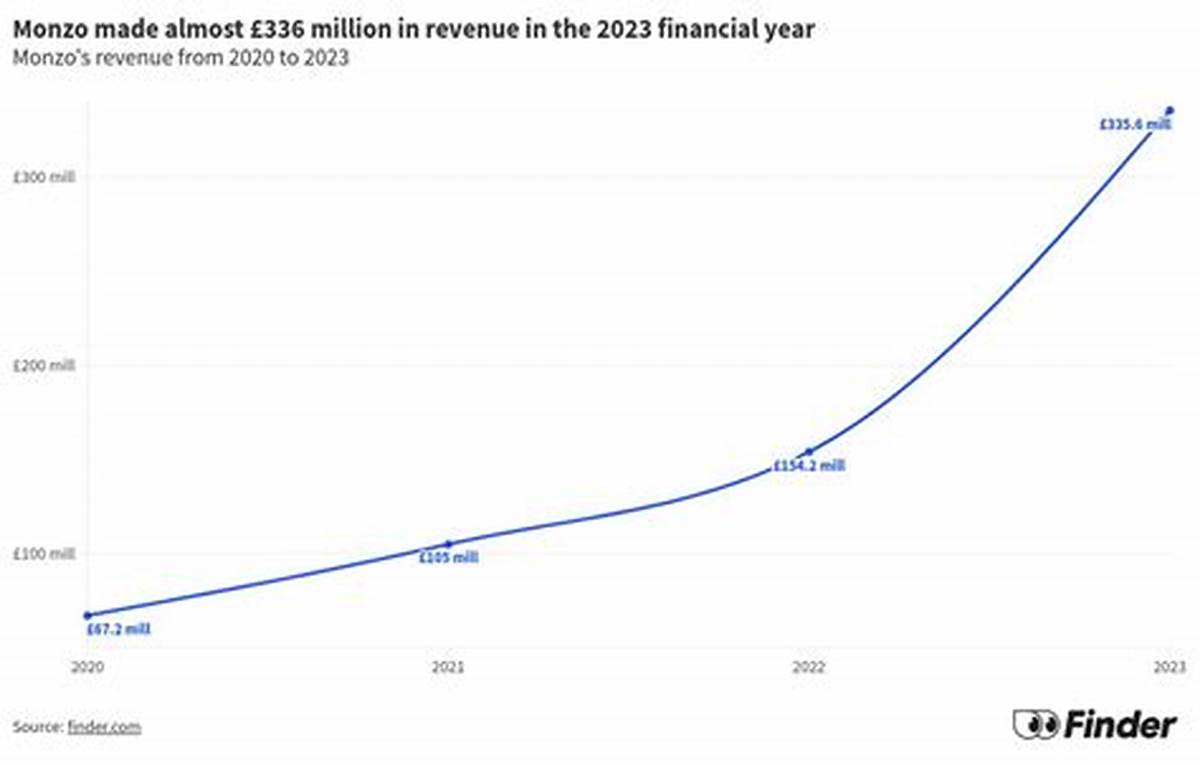
UK-based neobank Monzo is estimated to generate around $1.05 billion in revenue in 2025, driven by strong customer growth, premium subscriptions, and expanding lending services. With millions of users across the UK and increasing international expansion, Monzo is quickly becoming one of Europe’s most successful digital banks.
For founders and fintech builders, Monzo provides a compelling case study of how mobile-first banks can scale revenue without traditional banking infrastructure. Understanding Monzo’s revenue model reveals how fintech startups monetize payments, subscriptions, lending, and financial ecosystems.
Monzo Revenue Overview – The Big Picture
Monzo operates as a mobile-first digital bank focused on delivering simple, transparent banking services through its app.
Financial Snapshot (2025–2026 Estimates)
| Metric | Value |
|---|---|
| Estimated Revenue (2025) | ~$1.05 Billion |
| Estimated Revenue (2026) | ~$1.25 Billion |
| Estimated YoY Growth | ~20% |
| Estimated Valuation | ~$5.2 Billion |
| Active Customers | ~9 Million |
| Markets | United Kingdom, US expansion |
Monzo’s revenue growth is driven primarily by customer deposits, lending products, and premium subscriptions.
Estimated Revenue Distribution by Region (2026)
| Region | Revenue Share |
|---|---|
| United Kingdom | 90% |
| United States | 7% |
| Other Markets | 3% |
Benchmark Comparison
| Company | Estimated Revenue |
|---|---|
| Revolut | ~$2.5B |
| Chime | ~$1.8B |
| Monzo | ~$1.05B |
| N26 | ~$620M |
Monzo is among the fastest-growing neobanks, particularly strong in the UK consumer banking market.
Read More: Business Model of Monzo: Complete Strategy Breakdown 2026
Primary Revenue Streams Deep Dive
Monzo generates revenue through several fintech monetization layers.
Revenue Stream #1: Interest Income & Lending
The largest revenue source for Monzo comes from interest income generated through lending products.
Key lending products include:
- personal loans
- overdrafts
- credit cards
- buy-now-pay-later style financing
Because Monzo holds customer deposits, it can lend those funds at higher interest rates, generating margin.
Estimated revenue contribution: 40–45%
Revenue Stream #2: Interchange Fees
Whenever a customer pays using a Monzo debit card, the company earns an interchange fee from the merchant’s bank.
Typical interchange fees in Europe:
0.2% – 0.3% per transaction
While the percentage is small, high transaction volumes generate substantial revenue.
Estimated revenue contribution: 25–30%
Revenue Stream #3: Premium Subscription Plans
Monzo offers premium banking tiers with additional benefits.
Premium Plans (2026)
| Plan | Monthly Price |
|---|---|
| Monzo Plus | £5 |
| Monzo Premium | £15 |
Premium plans include features such as:
- travel insurance
- advanced budgeting tools
- higher ATM withdrawal limits
- metal debit cards
Estimated revenue contribution: 15–20%
Revenue Stream #4: Marketplace Financial Products
Monzo operates a financial marketplace where users can access third-party financial products.
Examples include:
- savings accounts
- insurance products
- investment tools
- energy switching services
Monzo earns referral commissions and revenue-sharing fees from partners.
Estimated revenue contribution: 5–10%
Revenue Stream #5: ATM and FX Fees
Although Monzo offers free withdrawals up to certain limits, additional withdrawals or international transactions incur fees.
Estimated contribution: 3–5%
Revenue Streams Breakdown (Latest Available Data)
| Revenue Stream | Description | Estimated Revenue Share | Pricing Model |
|---|---|---|---|
| Lending & Interest | Loans, overdrafts, credit cards | 40–45% | Interest margin |
| Interchange Fees | Merchant payment fees | 25–30% | % per transaction |
| Premium Subscriptions | Paid banking plans | 15–20% | Monthly subscription |
| Marketplace Products | Partner financial services | 5–10% | Commission |
| ATM / FX Fees | Withdrawals & currency exchange | 3–5% | Transaction fees |
The Fee Structure Explained
Monzo monetizes both users and financial partners.
Platform Fee Structure (Latest Available Data)
| User Type | Fee Type | Typical Fee Range | Notes |
|---|---|---|---|
| Free Users | ATM withdrawals | £1–£3 after limits | Limited free withdrawals |
| Premium Users | Subscription | £5–£15/month | Core monetization |
| Merchants | Interchange fees | 0.2–0.3% | Paid by merchant banks |
| Borrowers | Loan interest | Variable APR | Major revenue source |
| International Users | FX fees | ~1–2% | Currency conversion |
Hidden monetization layers include:
- lending spreads
- partner commissions
- premium card upgrades
How Monzo Maximizes Revenue Per User
Monzo focuses heavily on increasing ARPU (Average Revenue Per User).
Customer Segmentation
Monzo users fall into several categories:
- basic banking users
- premium subscribers
- borrowers
- high-activity payment users
Each segment generates different revenue streams.
Upselling Strategy
Monzo continuously encourages upgrades through:
- premium cards
- additional financial tools
- insurance bundles
Cross-Selling
Users are introduced to additional services such as:
- savings products
- investment accounts
- loans
These services increase customer lifetime value.
Retention Strategy
Monzo focuses on building strong engagement through:
- budgeting tools
- spending insights
- notifications and automation
These features increase daily app usage and long-term retention.
Cost Structure & Profit Margins
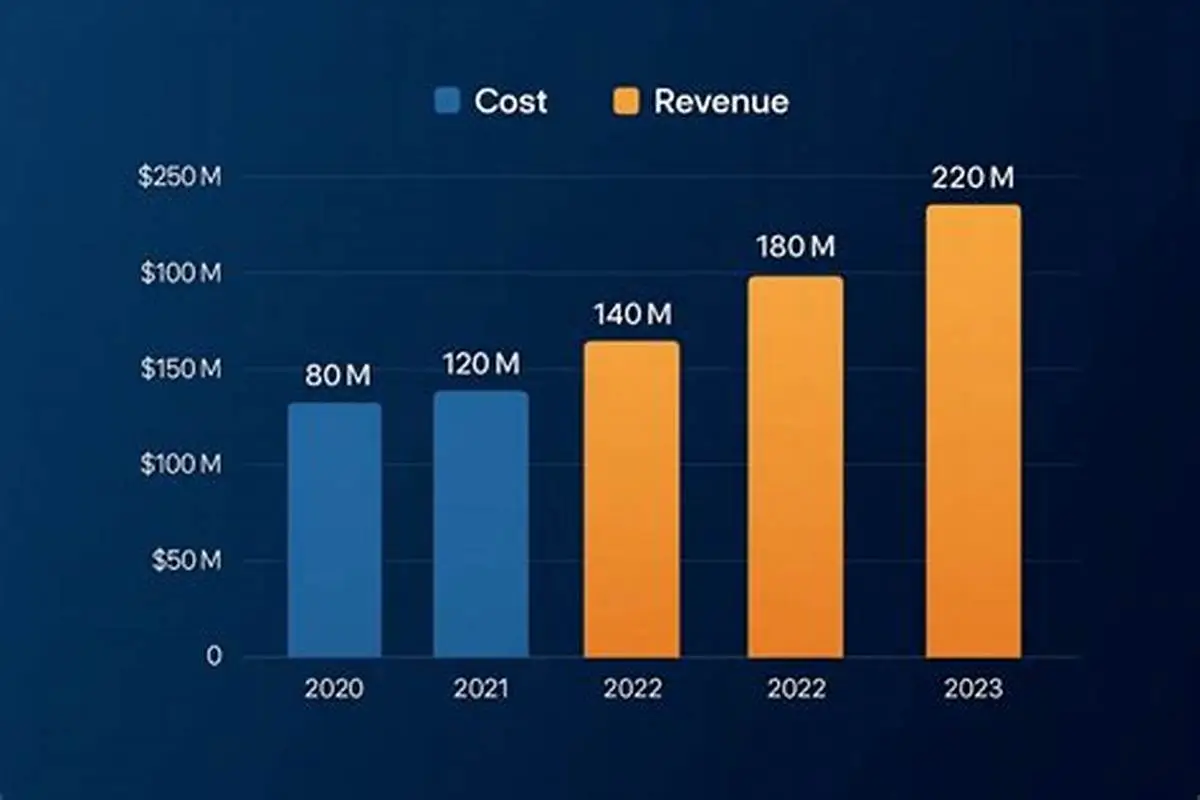
Digital banks benefit from lower overhead costs than traditional banks.
Major Cost Categories
| Cost Category | Description |
|---|---|
| Technology Infrastructure | Cloud systems and banking platform |
| Compliance & Regulation | Anti-money laundering systems |
| Customer Support | Banking service operations |
| Marketing | User acquisition campaigns |
| Product Development | Fintech innovation |
Because Monzo operates without physical branches, its operational costs remain significantly lower than traditional banks.
Unit Economics
Important financial metrics include:
- customer acquisition cost (CAC)
- average revenue per user (ARPU)
- deposit growth
- lending margins
As lending expands, profitability typically improves.
Future Revenue Opportunities (2026–2028 Outlook)
Monzo still has significant growth potential.
Major Opportunities
1. US Expansion
Entering the US banking market could dramatically increase customer growth.
2. SME Banking
Business banking services could unlock new revenue streams.
3. AI Financial Assistants
AI-powered budgeting and financial planning tools may create new subscription tiers.
4. Lending Growth
Credit cards and personal loans will likely become larger revenue drivers.
Market Risks
- increasing fintech competition
- regulatory compliance costs
- pressure from traditional banks entering digital banking
Startup Opportunities
Entrepreneurs can build complementary services such as:
- AI financial planning tools
- embedded finance products
- fintech automation platforms
Lessons for Entrepreneurs
Monzo offers several strategic lessons.
What Works Well
- mobile-first banking experience
- community-driven product design
- strong brand loyalty
What Startups Can Replicate
- subscription-based fintech models
- financial marketplaces
- user-centric financial tools
Market Gaps
Opportunities still exist in:
- AI-powered personal finance
- global digital banking services
- cross-border fintech platforms
Final Thought
Monzo shows how a digital bank can build a scalable financial platform by combining payments, lending, subscriptions, and integrated financial ecosystems. By focusing on a mobile-first experience and transparent banking services, Monzo has created a strong foundation for long-term customer engagement and revenue growth.
For fintech founders, the biggest lesson is the importance of building user-centric financial platforms that go beyond basic banking. Startups that combine seamless digital experiences, smart financial tools, and multiple monetization layers can create the next generation of banking products in an increasingly digital financial landscape.
FAQs
1. How much does Monzo make per transaction?
Typically 0.2–0.3% interchange fees on card payments.
2. What is the most profitable revenue stream for Monzo?
Interest income from lending products generates the highest margins.
3. How does Monzo pricing compare to competitors?
Monzo’s subscription plans range from £5 to £15 per month, similar to other neobanks.
4. What percentage does Monzo take from providers?
Marketplace partners typically share revenue through referral commissions.
5. How has Monzo’s revenue model evolved?
The model evolved from interchange-based revenue to lending, subscriptions, and financial partnerships.
6. Can small startups use a similar model?
Yes. Many fintech startups use interchange + subscription + lending models.
7. What scale is needed for profitability?
Neobanks typically require millions of active users due to thin transaction margins.
8. How can founders implement a similar model?
By building digital financial platforms with multiple monetization layers.
Miracuves is an independent software development company. We are not affiliated with, connected to, sponsored by, or endorsed by any company or product named in this article.
Terms such as “X Clone” are used descriptively. It is how the software industry refers to building a platform with functionality comparable to a known service, and how clients search for it.
The entire design and codebase of our products is built by our own team. Our products contain no code, design, graphics, or content originating from any third-party website or applications.
All third-party names and marks referenced in this article are the property of their respective owners, referenced solely to identify the services discussed.