
Key Takeaways
- A white-label Otto app can be safe with strong ecommerce security.
- Marketplace protection matters for buyers, sellers, orders, and payments.
- Secure checkout helps reduce fraud and build customer trust.
- Admin controls support seller checks, refunds, disputes, and fraud prevention.
- Regular updates reduce bugs, attacks, and outdated system risks.
What You’ll Learn
- How safe a white-label Otto app can be for ecommerce businesses.
- Key risks include data leaks, fake sellers, payment fraud, and account misuse.
- Security features include encryption, secure login, and role-based access.
- Seller and product verification help improve marketplace trust.
- Platform safety depends on code quality, hosting, monitoring, and support.
Real Insights
- Ecommerce marketplaces need trust before users place orders or share data.
- Payment protection matters for safe and smooth checkout experiences.
- Seller verification helps reduce fraud and low-quality listings.
- Security audits help find weak points before launch.
- The best strategy is to launch with secure code, verified sellers, and ongoing monitoring.
You’ve heard the horror stories about data breaches, leaked user data, ransomware attacks, and apps shutting down overnight due to compliance violations.
In 2026, app security is not optional — it’s survival.
If you’re planning to launch a white-label Otto app, safety is probably your biggest concern. And it should be. Ride-hailing and logistics platforms process real-time location data, payment information, and sensitive user identities.
This guide gives you an honest assessment of white-label Otto app security — the risks, the standards, and the practical steps to build a safe and compliant platform.
Understanding White-Label Otto App Security Landscape
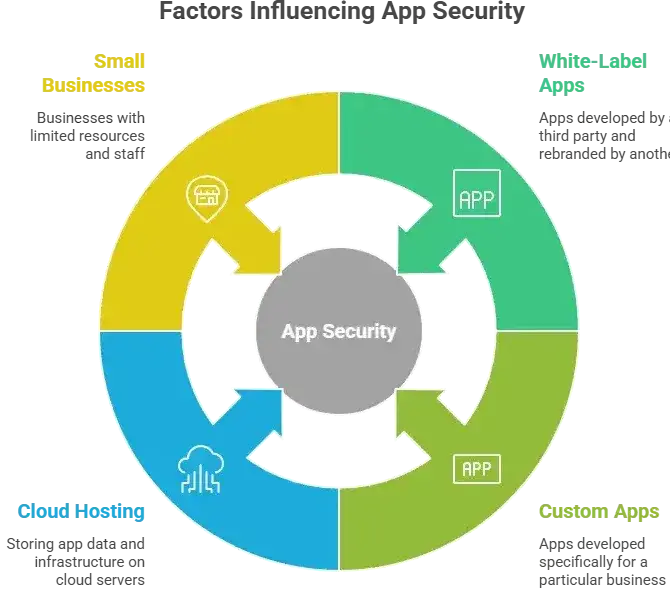
White-label Otto app security refers to a pre-built ride-hailing or dispatch platform that multiple businesses can rebrand — while the core architecture, hosting environment, and backend logic are shared or standardized.
Security responsibility is usually split between:
- The white-label provider (infrastructure, backend, core security)
- The business owner (operations, data handling, compliance practices)
If the base architecture is weak, every app built on it becomes vulnerable.
Why People Worry About White-Label Apps
- Shared infrastructure concerns
- Fear of reused code vulnerabilities
- Payment fraud risks
- Data privacy violations (GDPR fines reached €1.6B+ in recent years)
- Real-time GPS tracking misuse
These fears are valid — but preventable with proper controls.
Current Threat Landscape for Otto-Type Platforms (2026)
Ride-hailing and dispatch apps face:
- API attacks (one of the top 3 attack vectors globally)
- Account takeover fraud
- Payment gateway exploitation
- Ransomware targeting mobility platforms
- Location data scraping
In recent years, mobility platforms have faced breaches affecting millions of users due to weak authentication and exposed APIs.
Security Standards in 2026
A secure white-label Otto app in 2026 must align with:
- Zero-trust architecture principles
- SOC 2 Type II verified controls
- ISO 27001 certified ISMS
- PCI DSS 4.0 compliance for payments
- GDPR/CCPA-ready privacy frameworks
Anything less is outdated.
Real-World App Security Statistics
- 60% of small businesses shut down within 6 months of a major cyberattack
- API attacks increased by over 200% in the past few years
- 80% of breaches involve weak or stolen credentials
- Average data breach cost globally exceeds $4 million
The risk is real — especially for apps handling payments and live tracking.
Key Security Risks & How to Identify Them
If your Otto-type app collects names, phone numbers, government IDs, or driver documents, a breach becomes an identity-theft event—not “just an app issue.”
Payment data security
If card data is handled incorrectly, you’re exposed to PCI DSS failures and fraud. Data breach costs keep rising globally, which is why payments need strict scope control and secure processing.
Location tracking concerns
Real-time GPS is a high-risk data category because it can expose user routines, home addresses, and driver routes. Treat location like sensitive data: encrypt it, limit retention, and restrict who can access it.
GDPR/CCPA compliance
Privacy enforcement is not slowing down—GDPR fines have reached multi-billion totals across recorded cases, and regulators increasingly connect privacy failures to weak security controls.
Technical Vulnerabilities
Code quality issues
Common problems include insecure storage, weak session handling, and missing authorization checks. In white-label builds, one weak module can be replicated across deployments.
Server security gaps
Cloud breaches often come from misconfigurations: open storage buckets, exposed admin panels, weak SSH practices, and missing monitoring.
API vulnerabilities
Otto-type apps are API-heavy (driver app, user app, admin panel, payments, maps). OWASP highlights authorization failures (like Broken Object Level Authorization) as a top API risk because APIs frequently expose object IDs.
Third-party integrations
Payment gateways, maps, SMS/OTP providers, push notifications, analytics, and customer support tools expand your attack surface. Each integration needs vendor due diligence and secure key management.
Business Risks
Legal liability
If user data leaks, you may face mandatory reporting, lawsuits, contract penalties, and regulator action—especially in regions with strict breach notification timelines.
Reputation damage
Mobility apps run on trust. One incident can permanently reduce adoption and driver onboarding.
Financial losses
Credential-based access is a major real-world breach driver; once attackers log in as “real users,” fraud becomes harder to detect. Verizon’s DBIR highlights compromised credentials as a major breach path.
Regulatory penalties
Noncompliance can trigger fines, operational restrictions, and even forced changes to how you process user data.
Risk Assessment Checklist
Privacy & data
- Do you collect only the minimum data required (especially location and IDs)?
- Is sensitive data encrypted at rest and in transit?
- Do you have clear retention rules (auto-delete logs/location after X days)?
- Do you have consent capture + deletion/export workflows (GDPR/CCPA)?
App & API security
- Is authorization enforced on every API object access (no ID-based bypass)?
- Are admin APIs protected separately (IP allowlists, stronger MFA, audit logs)?
- Do you rate-limit login, OTP, and high-risk endpoints?
- Are secrets stored in a vault (not in code or mobile builds)?
Infrastructure & operations
- Is there 24/7 monitoring + alerting for unusual logins and API spikes?
- Do you have backups tested with restore drills?
- Is there an incident response plan with named owners and timelines?
- Do you have a security patch policy (SLA for critical fixes)?
Read more : – Business Model of OTTO : Complete Strategy Breakdown 2025
Security Standards Your White-Label Otto App Must Meet
Essential Certifications
ISO 27001 Compliance
Ensures your white-label Otto app follows a structured Information Security Management System (ISMS). It proves risk assessment, access control, and incident response are documented and audited.
SOC 2 Type II
Validates ongoing security controls over time — not just a one-time audit. Critical for enterprise clients and investors.
GDPR Compliance
Mandatory if serving EU users. Requires lawful data processing, consent mechanisms, breach reporting within 72 hours, and user data rights management.
HIPAA (If Applicable)
Required only if your Otto app handles medical transport or health-related data.
PCI DSS 4.0
Non-negotiable if processing card payments. Enforces encryption, network segmentation, vulnerability scanning, and strict access controls.
Without PCI DSS alignment, your payment system is a liability.
Technical Requirements
End-to-End Encryption
- TLS 1.2+ for data in transit
- AES-256 for data at rest
- Encrypted backups
Secure Authentication
- Multi-factor authentication (MFA) for admin panel
- OAuth 2.0 / secure token-based sessions
- Rate limiting for login endpoints
Regular Security Audits
- Annual third-party audit
- Quarterly vulnerability assessments
- Continuous monitoring
Penetration Testing
Ethical hackers simulate real attacks to identify weaknesses before criminals do.
SSL Certificates
Mandatory HTTPS with valid, auto-renewing certificates.
Secure API Design
- Proper authorization checks
- API gateway with throttling
- Zero-trust architecture principles
Security Standards Comparison Table
| Security Standard | Required For | Why It Matters | Risk If Missing |
|---|---|---|---|
| ISO 27001 | Global operations | Structured security management | Operational chaos |
| SOC 2 Type II | Enterprise clients | Ongoing control validation | Lost enterprise trust |
| GDPR | EU users | Legal data protection | Heavy fines |
| PCI DSS 4.0 | Payment processing | Card data security | Payment fraud + penalties |
| HIPAA | Medical transport | Health data protection | Legal action |
A serious white-label Otto app provider must meet most of these standards — not just claim “secure hosting.”
Miracuves builds white-label Otto app solutions aligned with enterprise-grade compliance frameworks from day one.
Red Flags: How to Spot Unsafe White-Label Providers
Choosing the wrong white-label Otto app provider can expose you to long-term security and legal risks. Here’s how to identify unsafe vendors.
Warning Signs
No Security Documentation
If they cannot provide security architecture details, audit reports, or compliance policies — walk away.
Cheap Pricing Without Explanation
Unrealistically low pricing often means:
- No third-party audits
- Poor infrastructure
- Reused outdated code
Security costs money. Extremely cheap solutions usually cut corners.
No Compliance Certifications
If they claim “GDPR ready” but cannot show documentation, DPA agreements, or compliance processes, that’s a major risk.
Outdated Technology Stack
Old frameworks, unsupported libraries, and missing security patches are common breach causes.
Poor Code Quality
Signs include:
- Slow app performance
- Frequent bugs
- No update logs
- No version control transparency
No Security Updates Policy
Ask how often patches are released. If they don’t have a defined patch cycle, vulnerabilities remain open.
Lack of Data Backup Systems
No automated encrypted backups = disaster waiting to happen.
No Insurance Coverage
Serious providers carry cyber liability insurance. If they don’t, you may carry the full financial burden of an incident.
Evaluation Checklist
Questions to Ask Providers
- Are you ISO 27001 or SOC 2 certified?
- Do you conduct annual penetration testing?
- How do you handle API authorization?
- What is your incident response time?
- Do you provide breach notification support?
Documents to Request
- Compliance certificates
- Data Processing Agreement (DPA)
- Security audit reports
- Penetration test summary
- Backup and disaster recovery plan
Testing Procedures
- Request a security demo
- Conduct third-party code review
- Run vulnerability scans
- Test API endpoints for access control
Due Diligence Steps
- Verify certifications directly from issuing bodies
- Review client case studies
- Check update history
- Confirm data hosting region compliance
A trustworthy provider will welcome scrutiny.
Miracuves operates with transparent documentation, structured compliance frameworks, and enterprise-grade infrastructure — eliminating these red flags from the start.
Best Practices for Secure White-Label Otto App Implementation
Security is not just about choosing the right provider. It’s about structured implementation before and after launch.
Pre-Launch Security
Security Audit Process
Conduct a third-party security audit before going live. Review infrastructure, APIs, admin panel access, and payment integrations.
Code Review Requirements
Ensure secure coding standards are followed:
- Input validation
- Proper authentication checks
- No hardcoded credentials
- Secure session handling
Infrastructure Hardening
- Firewall configuration
- Private server access
- Role-based access control
- Database isolation
Compliance Verification
Confirm GDPR, PCI DSS, and regional compliance requirements are fully implemented before onboarding users.
Staff Training Programs
Human error remains a leading breach cause. Train staff on:
- Phishing awareness
- Password hygiene
- Data handling policies
Post-Launch Monitoring
Continuous Security Monitoring
Deploy real-time monitoring tools to detect:
- Suspicious logins
- API abuse
- Traffic anomalies
Regular Updates and Patches
Critical vulnerabilities should be patched immediately. Define SLAs for updates.
Incident Response Planning
Have a documented response plan:
- Detection
- Containment
- Notification
- Recovery
Test it annually.
User Data Management
- Limit data retention
- Enable user data export/delete
- Log all admin activity
Backup and Recovery Systems
- Daily encrypted backups
- Geo-redundant storage
- Quarterly restore testing
Security Implementation
| Phase | Key Actions |
|---|---|
| Planning | Risk assessment, compliance mapping |
| Development Review | Code audit, API testing |
| Pre-Launch | Penetration testing, infrastructure hardening |
| Launch | Monitoring activation, access controls |
| Ongoing | Updates, audits, compliance checks |
Miracuves follows a structured security-first deployment model, ensuring every white-label Otto app goes through rigorous validation before public release.
Legal & Compliance Considerations
Security without legal compliance is incomplete. A white-label Otto app must align with regional regulations and liability frameworks.
Regulatory Requirements
Data Protection Laws by Region
- EU: GDPR — strict consent, data minimization, 72-hour breach reporting
- USA: CCPA/CPRA — user data access and deletion rights
- UK: UK GDPR
- India: DPDP Act 2023 — consent-driven data processing
- Middle East: PDPL frameworks (UAE, Saudi Arabia)
If your Otto app operates across borders, compliance must match the strictest applicable regulation.
Industry-Specific Regulations
- PCI DSS 4.0 for payment processing
- Transport authority regulations for ride-hailing licensing
- Local data localization laws (where required)
User Consent Management
Your app must:
- Capture explicit consent
- Log consent timestamps
- Allow withdrawal of consent
- Provide data access/export options
Privacy Policy Requirements
Clear documentation covering:
- Data collection
- Data usage
- Third-party sharing
- Retention timelines
- Security safeguards
Terms of Service Essentials
Define:
- Liability limitations
- Driver-user responsibilities
- Dispute resolution mechanisms
- Fraud prevention clauses
Liability Protection
Insurance Requirements
- Cyber liability insurance
- Errors & omissions coverage
- Data breach coverage
Legal Disclaimers
Transparent risk disclosures reduce legal exposure.
User Agreements
Digital acceptance logs are critical for legal defense.
Incident Reporting Protocols
Define:
- Internal escalation
- Regulatory notification
- User communication timeline
Regulatory Compliance Monitoring
Compliance is ongoing. Annual reviews and policy updates are necessary.
Compliance Checklist by Region
| Region | Key Law | Breach Reporting | User Rights |
|---|---|---|---|
| EU | GDPR | 72 hours | Access, delete, portability |
| USA (California) | CCPA/CPRA | Without unreasonable delay | Access, delete, opt-out |
| UK | UK GDPR | 72 hours | Similar to GDPR |
| India | DPDP Act | As prescribed by authority | Access, correction |
| UAE/Saudi | PDPL | Mandatory notification | Access, correction |
Miracuves builds white-label Otto app solutions aligned with global compliance frameworks, reducing cross-border regulatory risks from day one.
Why Miracuves White-Label Otto App is Your Safest Choice
When security is built as a foundation — not an afterthought — risk drops dramatically.
Miracuves Security Advantages
Enterprise-Grade Security Architecture
Zero-trust infrastructure, segregated environments, and hardened cloud configurations protect every deployment.
Regular Security Audits and Certifications
Independent audits, structured compliance processes, and continuous vulnerability assessments ensure ongoing protection.
GDPR/CCPA Compliant by Default
Built-in consent logging, user data access controls, and deletion workflows reduce legal exposure.
24/7 Security Monitoring
Real-time monitoring for suspicious activity, API abuse, and credential-based attacks.
Encrypted Data Transmission
TLS encryption in transit and AES-level encryption at rest for sensitive data.
Secure Payment Processing
PCI DSS-aligned integrations with tokenized payment handling.
Regular Security Updates
Defined patch management cycles with priority handling for critical vulnerabilities.
Insurance Coverage Included
Cyber liability frameworks reduce financial risk for platform owners.
Miracuves has delivered 9k+ successful projects with zero major security breaches reported across deployments — because security is engineered, not promised.
Don’t compromise on security. let’s Talk to Our Security Experts Now and see why businesses trust Miracuves for safe, compliant platforms.
Final Thought
Launching a white-label Otto app in 2026 is not just a business decision; it is a long-term security commitment. Since an eCommerce marketplace handles customer data, seller details, payments, orders, logistics, and admin controls, security must be built into the platform from day one.
The risks are real, including data breaches, regulatory penalties, payment fraud, and reputation loss. But with strong architecture, encrypted data handling, secure payment integrations, role-based access control, compliance-ready workflows, and proactive monitoring, those risks become manageable. Choose a provider that treats security as infrastructure, not marketing.
FAQs
1. How secure is white-label vs custom development?
Security depends on architecture and compliance, not development model. A certified white-label Otto app can be more secure than poorly built custom software.
2. What happens if there’s a security breach?
You must activate your incident response plan, notify regulators (if required), inform affected users, and patch vulnerabilities immediately.
3. Who is responsible for security updates?
The white-label provider handles core infrastructure updates. The business owner manages operational security and policy compliance.
4. How is user data protected in white-label apps?
Through encryption (TLS/AES), access controls, secure APIs, and regulated data retention policies.
5. What compliance certifications should I look for?
ISO 27001, SOC 2 Type II, PCI DSS 4.0, and GDPR alignment are essential.
6. Can white-label apps meet enterprise security standards?
Yes, if built on zero-trust architecture with audited security controls and proper compliance certifications.
7. How often should security audits be conducted?
At least annually, with quarterly vulnerability scans and continuous monitoring.
8. What’s included in Miracuves security package?
Enterprise architecture, encrypted infrastructure, compliance alignment, regular audits, monitoring, and structured update cycles.
9. How to handle security in different countries?
Follow the strictest applicable data protection law and ensure cross-border data compliance mechanisms are in place.
10. What insurance is needed for app security?
Cyber liability insurance and data breach coverage are strongly recommended.
Related Articles
Miracuves is an independent software development company. We are not affiliated with, connected to, sponsored by, or endorsed by any company or product named in this article.
Terms such as “X Clone” are used descriptively. It is how the software industry refers to building a platform with functionality comparable to a known service, and how clients search for it.
The entire design and codebase of our products is built by our own team. Our products contain no code, design, graphics, or content originating from any third-party website or applications.
All third-party names and marks referenced in this article are the property of their respective owners, referenced solely to identify the services discussed.