


You’ve probably heard the horror stories—website builder apps leaking user data, unsecured admin panels, or payment information getting compromised. When you’re considering a white-label Squarespace app, security becomes a serious concern, not just a technical checkbox.
In 2026, website builder apps handle sensitive data like user credentials, business content, hosting access, and sometimes even payment details. A single security flaw can damage trust, invite legal trouble, and hurt your brand permanently.
This guide offers an honest, practical assessment of white-label Squarespace app security—what risks exist, what standards matter, and how platforms like Miracuves approach security with a compliance-first mindset.
Understanding White-Label Squarespace App Security Landscape
What White-Label Squarespace App Security Really Means
White-label Squarespace app security refers to how safely the app framework handles website data, user accounts, hosting access, and integrations while allowing businesses to rebrand and resell the platform under their own identity.
Security responsibility is shared between:
- The white-label app provider
- The business using the app
- Third-party services connected to the app
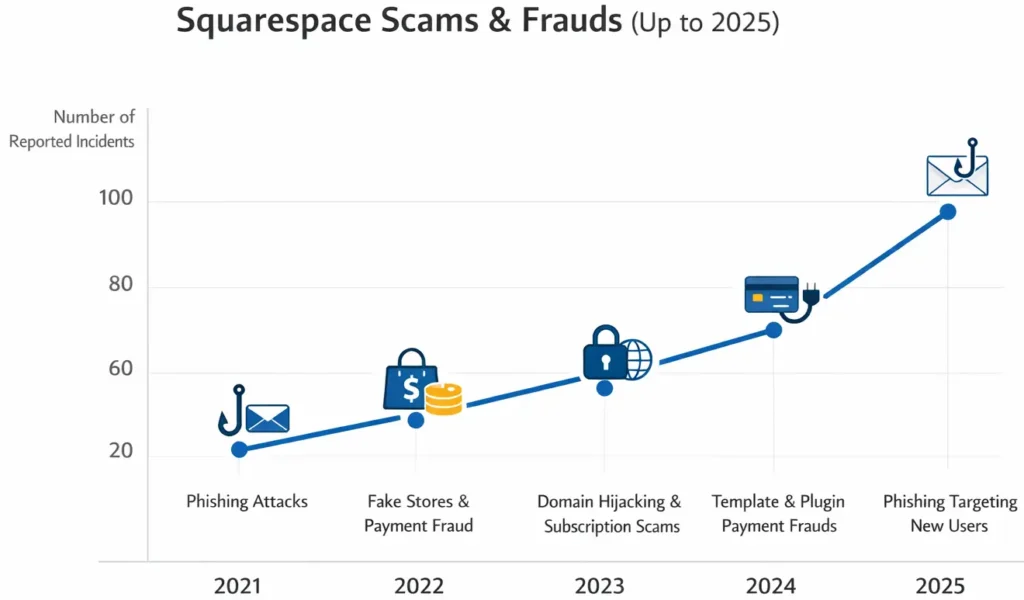
Why Businesses Worry About White-Label Website Builder Apps
- Fear of shared code vulnerabilities
- Limited visibility into backend security
- Risk of customer data leaks
- Unclear compliance ownership
These concerns are valid, especially when providers lack transparency.
Current Threat Landscape for Website Builder Apps
- Account takeover attacks
- API abuse and unauthorized access
- Malware injection via plugins
- Cloud server misconfigurations
Website builder apps are frequent targets because they host thousands of business sites under one system.
Security Standards in 2026
Modern white-label Squarespace apps are expected to follow:
- Zero-trust architecture
- Privacy-by-design frameworks
- Encrypted cloud infrastructure
- Continuous vulnerability scanning
Real-World Security Incident Data
Industry reports show that over 60% of SaaS security breaches originate from misconfigured cloud environments and weak access controls—both common risks in poorly built white-label website apps.
Key Security Risks & How to Identify Them
Data Protection and Privacy Risks
White-label Squarespace apps manage sensitive business and user data, making privacy a top concern.
- User personal information
Includes names, emails, passwords, and admin access credentials. - Payment data security
If billing or premium plans exist, PCI DSS compliance becomes mandatory. - Location and access tracking
Admin logins, IP tracking, and activity logs must be protected from misuse. - GDPR and CCPA compliance
Improper consent handling or data storage can lead to legal penalties.
Technical Vulnerabilities
Technical weaknesses often come from rushed development or outdated systems.
- Code quality issues
Poorly written or reused code increases exploit risk. - Server security gaps
Misconfigured cloud servers are a leading cause of breaches. - API vulnerabilities
Unsecured APIs allow attackers to access or manipulate data. - Third-party integrations
Plugins, themes, or analytics tools can introduce hidden risks.
Business-Level Security Risks
Security failures impact more than just technology.
- Legal liability
Data breaches can trigger lawsuits and regulatory action. - Reputation damage
Loss of trust is difficult to recover, especially for SaaS brands. - Financial losses
Downtime, fines, and recovery costs add up quickly. - Regulatory penalties
Non-compliance can result in heavy fines and operational restrictions.
White-Label Squarespace App Risk Assessment Checklist
- Is user data encrypted at rest and in transit
- Are admin panels protected with strong authentication
- Are APIs authenticated and rate-limited
- Are third-party tools security-audited
- Is compliance responsibility clearly defined
Security Standards Your White-Label Squarespace App Must Meet
Essential Security Certifications
A secure white-label Squarespace app should align with recognized global standards.
- ISO 27001
Ensures systematic information security management. - SOC 2 Type II
Validates data protection, availability, and confidentiality controls. - GDPR Compliance
Mandatory for handling EU user data with proper consent and storage practices. - HIPAA
Required only if the app manages healthcare-related content or data. - PCI DSS
Mandatory for apps handling online payments or subscriptions.
Core Technical Security Requirements
- Beyond certifications, technical controls define real security.
- End-to-end encryption
Protects data during transmission and storage. - Secure authentication
Supports OAuth, strong passwords, and two-factor authentication. - Regular security audits
Identifies vulnerabilities before attackers do. - Penetration testing
Simulates real-world attacks to test system strength. - SSL certificates
Ensures encrypted communication between users and servers. - Secure API design
Uses authentication, authorization, and rate limiting.
Security Standards Comparison Overview
- Basic providers
Limited encryption, no audits, minimal compliance support. - Mid-level providers
Partial compliance, irregular audits, basic encryption. - Enterprise-grade providers
Full certifications, continuous monitoring, compliance-by-design architecture.
Red Flags – How to Spot Unsafe White-Label Providers
Common Warning Signs
- Certain indicators strongly suggest security risks in a white-label Squarespace app provider.
- No security documentation
Lack of clear policies shows poor security maturity. - Extremely cheap pricing
Unrealistic pricing often means security shortcuts. - No compliance certifications
Absence of ISO, SOC, or GDPR alignment is a major risk. - Outdated technology stack
Old frameworks and libraries are easier to exploit. - Poor code quality
Unstructured or obfuscated code increases vulnerability. - No security update policy
Regular patches are essential for safety. - No data backup system
Increases risk of permanent data loss. - No insurance coverage
Signals weak risk management practices.
Provider Evaluation Checklist
- Before choosing a provider, verify the following.
- Questions to ask
Ask about encryption methods, audits, and incident response plans. - Documents to request
Security policies, compliance reports, and audit summaries. - Testing procedures
Confirm penetration testing and vulnerability scans. - Due diligence steps
Review client history, breach records, and support response capability.
Read more : – Business Model of Squarespace : Complete Strategy Breakdown 2025
Best Practices for Secure White-Label Squarespace App Implementation
Pre-Launch Security Measures
- Security must be built before the app goes live.
- Security audit process
Conduct a full audit covering infrastructure, code, and access control. - Code review requirements
Ensure clean, documented, and tested codebases. - Infrastructure hardening
Secure cloud servers, firewalls, and access permissions. - Compliance verification
Validate GDPR, PCI DSS, and regional requirements. - Staff security training
Educate teams on access control and data handling.
Post-Launch Security Management
- Ongoing protection is critical after deployment.
- Continuous security monitoring
Detect threats in real time. - Regular updates and patches
Fix vulnerabilities as they appear. - Incident response planning
Prepare clear steps for breach handling. - User data management
Control access, retention, and deletion policies. - Backup and recovery systems
Ensure fast restoration after failures.
Security Implementation Timeline
- Planning phase
Risk analysis and compliance mapping. - Development phase
Secure coding and infrastructure setup. - Launch phase
Final audits and penetration testing. - Growth phase
Monitoring, updates, and compliance reviews.
Legal & Compliance Considerations
Regulatory Requirements by Region
- A white-label Squarespace app must follow location-specific laws.
- Data protection laws
GDPR for Europe, CCPA for California, and DPDP Act for India. - Industry-specific regulations
Additional rules apply for finance, education, or healthcare use cases. - User consent management
Clear opt-in, opt-out, and data usage disclosure. - Privacy policy requirements
Policies must be transparent, updated, and accessible. - Terms of service essentials
Define data ownership, liability, and usage rights.
Liability and Risk Protection
- Legal preparation reduces long-term exposure.
- Insurance requirements
Cyber liability insurance protects against breach costs. - Legal disclaimers
Limit responsibility while remaining compliant. - User agreements
Clearly define security responsibilities. - Incident reporting protocols
Timely disclosure is often legally required. - Compliance monitoring
Regular reviews ensure ongoing adherence.
Regional Compliance Checklist
- Europe
GDPR, data residency, breach notification. - United States
CCPA, SOC 2, state-level privacy laws. - India
DPDP Act, data localization requirements.
Why Miracuves White-Label Squarespace App is Your Safest Choice
Miracuves Security-First Advantage
Miracuves builds white-label Squarespace apps with security embedded at every layer, not added as an afterthought.
- Enterprise-grade architecture
Designed to handle large-scale data securely. - Regular security audits
Continuous assessments to identify and fix risks early. - Built-in GDPR and CCPA compliance
Privacy-by-design ensures regulatory readiness. - 24/7 security monitoring
Threats are detected and mitigated in real time. - Encrypted data transmission
Protects user and business data across all channels. - Secure payment processing
PCI DSS-aligned payment infrastructure. - Scheduled security updates
Consistent patches and improvements. - Insurance coverage included
Adds financial protection against cyber incidents.
Final Thought
Do not compromise on security. Miracuves white-label Squarespace app solutions are built with enterprise-level protection and compliance at their core. With 600+ successful projects and zero major security breaches, Miracuves helps businesses launch safe, scalable, and trusted platforms. Get a free security assessment and build with confidence.
A white-label Squarespace app can be safe in 2026, but only when security, compliance, and risk management are taken seriously from day one. Choosing a provider that prioritizes audits, data protection, and legal compliance is the difference between long-term success and costly failure.
FAQs
1. How secure is a white-label Squarespace app compared to custom development
A white-label Squarespace app can be equally secure if it follows enterprise security standards, regular audits, and compliance frameworks like ISO and SOC 2.
2. What happens if there is a security breach
The provider should activate an incident response plan, notify affected users, fix vulnerabilities, and support legal reporting requirements.
3. Who is responsible for security updates
The white-label app provider handles core security updates, while businesses must manage user access and content security.
4. How is user data protected
Data is protected through encryption, access controls, secure servers, and compliance-driven data handling policies.
5. Which compliance certifications should be prioritized
ISO 27001, SOC 2 Type II, GDPR, CCPA, and PCI DSS for payment-enabled apps.
6. Can white-label Squarespace apps meet enterprise security standards
Yes, when built with secure architecture, audited infrastructure, and continuous monitoring.
7. How often should security audits be conducted
At least once a year, with continuous vulnerability scanning in between.
8. What is included in Miracuves security package
Encrypted infrastructure, compliance readiness, regular audits, monitoring, updates, and insurance coverage.
9. How is security handled across different countries
Through region-specific compliance, data residency controls, and localized privacy policies.
10. What insurance is required for app security
Cyber liability insurance is essential to cover breach response, legal costs, and financial losses.
Related Articles