


Ever caught yourself fantasizing about running your own online shop? Maybe it happened during a midnight scroll through Instagram, watching someone turn handmade candles into a cult brand. Or maybe it was the moment a glitchy checkout page ruined your shopping vibe and you thought, “I could build an app that actually works.” Yep — that itch to create something better? Totally valid.
In a world where TikTok trends become brands and shipping happens faster than your pizza order, launching an e-commerce app business isn’t just smart — it’s downright strategic. Whether you’re a creator, solopreneur, or someone just sick of 9-to-5 monotony, having your own app opens doors to passive income, brand ownership, and maybe even a shot at your first million. The only catch? It’s gotta be done right.
This guide is your compass. We’ll walk you through the step-by-step of turning your app idea into a live, monetizable business — with insights only Miracuves, a leading clone app development company, can bring to the table.
Why an E-commerce App in 2025? (Spoiler: Timing’s Perfect)
Global Market Is on Fire
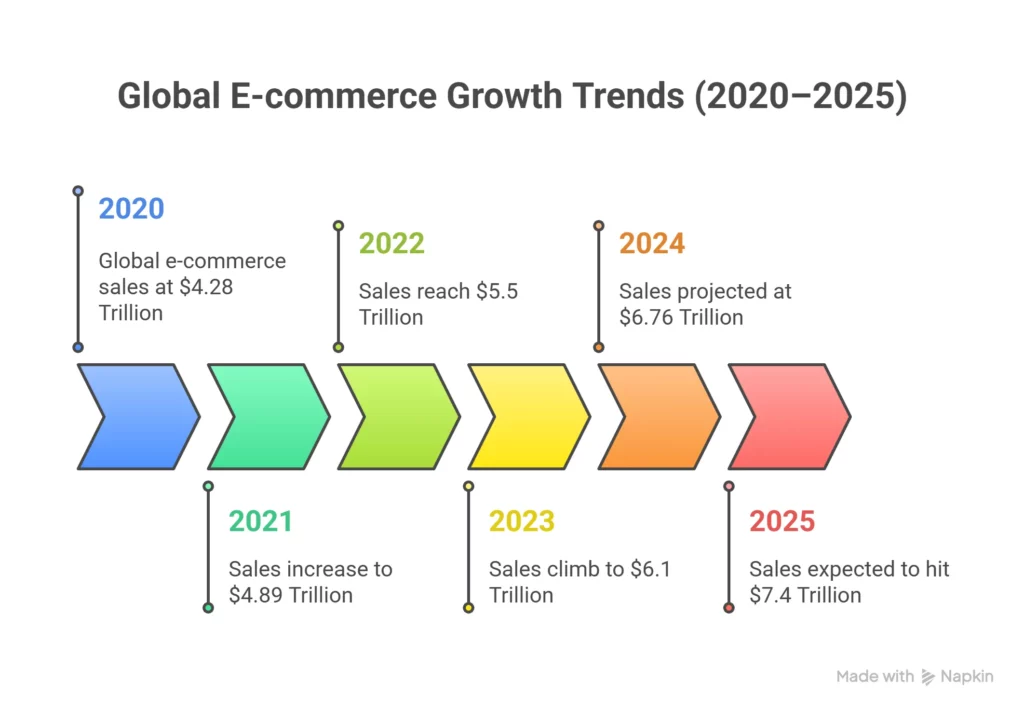
E-commerce sales are expected to hit $7.4 trillion by 2025, with mobile commerce leading the charge. That’s your green light.
Mobile-First Consumers
With over 6.9 billion smartphone users worldwide, having an app isn’t optional anymore — it’s the front door to your business. Desktop? That’s so 2010.
Creators Are Turning into Founders
From YouTube unboxers to Instagram artists — creators are launching product lines via e-commerce apps, often powered by clones of successful models like Amazon, Etsy, or Shopify.
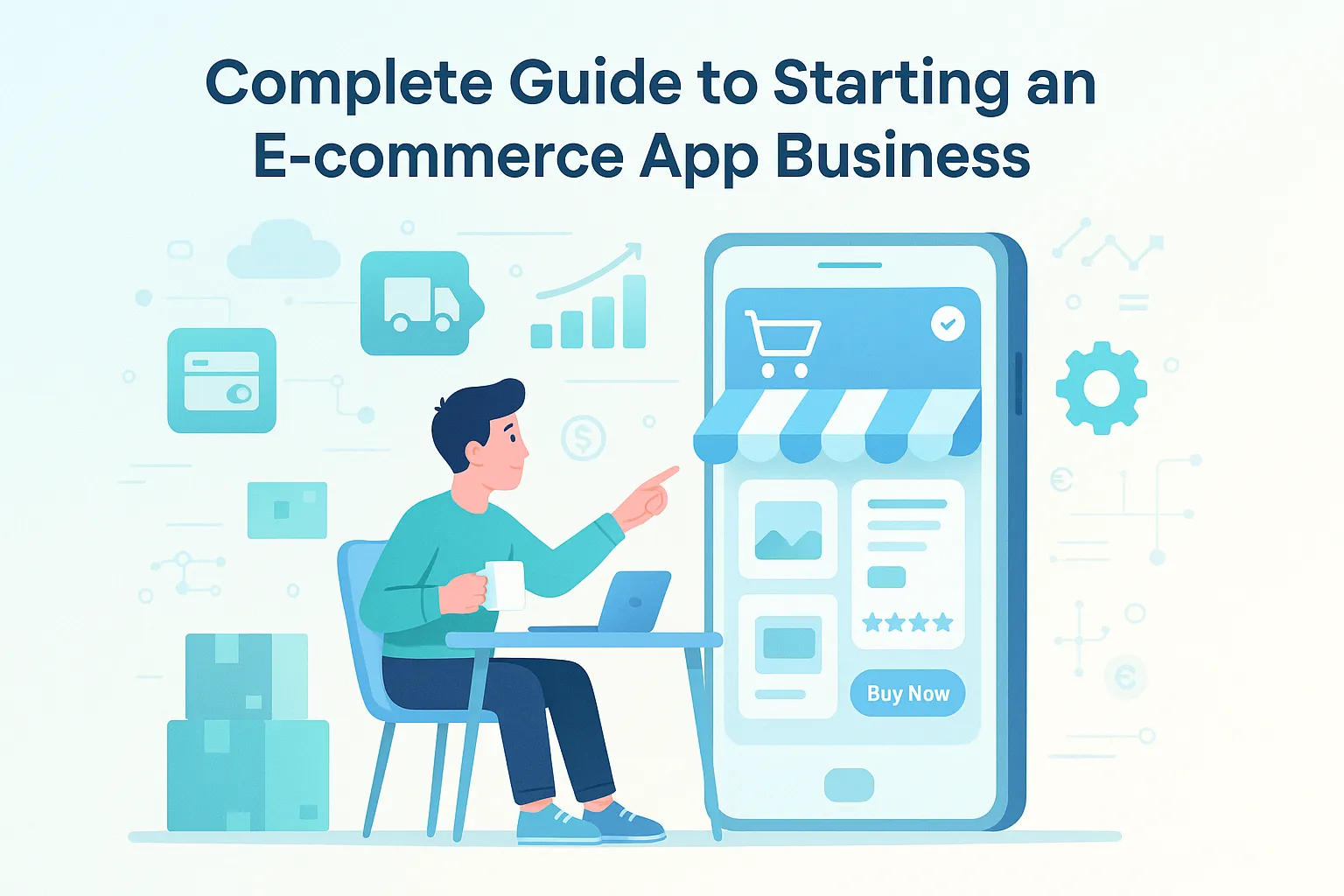
Step-by-Step Blueprint to Launching Your E-commerce App Business
Step 1: Find a Niche That’s Hot (but Not Overcrowded)
Don’t sell “everything to everyone.” Focus on:
- Micro-niches like eco-friendly baby products
- Culture-based goods (think: K-pop merch)
- Subscription models (pet food, skincare, coffee)
Step 2: Choose the Right Business Model
Here are a few e-commerce flavors:
| Model Type | Description | Examples |
| Single Brand | You sell your own products | Glossier, Gymshark |
| Marketplace | Others list their items on your platform | Amazon, Etsy |
| Dropshipping | No inventory; suppliers ship for you | Oberlo, Spocket users |
| Subscription Box | Curated goods shipped regularly | FabFitFun, BarkBox |
Step 3: Decide — Custom Build or Clone App?
Here’s where Miracuves steps in. Building from scratch can burn time, money, and your patience. A clone app (like our customizable Amazon Clone or Shopify Clone) gets you a fully-functioning, branded e-commerce solution — fast.
Why Clone Apps Rock:
- Tested UI/UX
- Built-in features like cart, payment gateway, order tracking
- Quicker launch = faster profits
Step 4: Features That Make or Break Your App
Your app’s not just a store — it’s an experience. Don’t skimp on:
💳 Seamless Payments
Apple Pay, Google Wallet, Stripe. Friction = abandoned carts.
🔍 Smart Search & Filters
Help users find products quickly, with auto-suggestions and category filtering.
🔔 Push Notifications
For deals, cart reminders, restocks — pure gold for conversions.
📦 Order Tracking
Don’t make them guess. Let users see every step.
🧾 In-app Reviews
Social proof = more sales.
Step 5: Design That Converts
Good design isn’t just pretty — it sells. Keep in mind:
- CTA buttons should pop (and not hide behind menus)
- Minimal screens, max value
- Use brand colors and consistent typography
Step 6: App Monetization Tactics
E-commerce sales are expected to hit $7.4 trillion by 2025, with mobile commerce accounting for over 70% of total digital sales. That’s not a gut feeling — that’s backed by Statista’s global retail forecasts, which highlight how app-based buying has become the new normal.
Time to make bank. Here’s how:
- Markup on products (duh)
- Freemium features like faster shipping or premium listings
- In-app ads from related brands
- Memberships or loyalty programs
Step 7: Marketing Like a Pro
Even the slickest app will flop without eyeballs. Hit the gas on:
- Influencer marketing (creator shoutouts = trust fast)
- Email flows — cart reminders, offers, new arrivals
- SEO — yes, even app stores need keywords
- Referral Programs — reward people for spreading the word
Step 8: Scaling & Evolving
Once you’re live, optimize:
- Study heatmaps and in-app behavior
- Track retention vs. bounce
- Launch loyalty tiers or premium subscriptions
- Expand categories or cross-sell related products
Remember: Great apps iterate.
Conclusion
There’s never been a better time to ride the e-commerce wave. Whether you’re selling plant pots or protein bars, having your own app means you own the platform, data, and brand experience.we help innovators launch high-performance app clones that are fast, scalable, and monetization-ready. Ready to turn your idea into reality? Let’s build together.
FAQs
Q1. What’s the cost of launching an e-commerce app?
Depends on complexity. Clone apps start as low as a few thousand dollars — way cheaper than building from scratch.
Q2. How long does it take to go live?
With Miracuves’ ready-made clone solutions, your platform can go live in just 3–6 days, even with standard setup and deployment. Additional customizations may extend this slightly.
Q3. Do I need to know how to code?
Nope. Our team handles the tech — you handle the vision.
Q4. Is it better to go web-first or app-first?
Mobile-first is ideal today, but having both is the sweet spot. We offer progressive web app options too.
Q5. Can I start small and scale later?
Absolutely. Start lean, track metrics, and scale with features and product categories over time.
Q6. What if I want to run a multi-vendor marketplace?
We’ve got ready-made solutions for that too — just say the word.