
Key Takeaways
What You’ll Learn
- UrbanClap clone scripts help entrepreneurs launch faster by providing a ready-made home services marketplace instead of building the entire platform from scratch.
- A strong clone script usually includes core features for customers, service professionals, and admins to manage bookings, payments, schedules, and service operations.
- Pricing depends on feature depth and customization, including service categories, provider workflows, payment setup, app platforms, and backend control requirements.
- The right solution is not just about low cost, but about launch readiness, scalability, and how well the script supports real service marketplace operations.
- Choosing the right clone script early can reduce risk, save development time, and help startups enter the market with a more practical business model.
Stats That Matter
- Home service startups often prefer clone-based models because they reduce time-to-market compared to full custom development.
- Feature completeness matters more than feature count, especially in areas like provider onboarding, booking flow, payments, reviews, and admin management.
- Pricing increases with customization when businesses need unique workflows, more service categories, advanced scheduling, or location-specific operational logic.
- Multi-role architecture is essential because customer apps, provider apps, and admin panels all need different but connected workflows.
- A practical UrbanClap clone performs best when technology, service reliability, and operational control are aligned from the start.
Real Insights
- The best UrbanClap clone script is the one that solves real operational needs, not the one that only looks feature-rich on paper.
- Startups should focus first on essential service categories and expand only after validating demand and fulfillment quality.
- A lower-cost script can become expensive later if it lacks scalability, admin flexibility, or proper provider-side tools.
- Reliable booking flow, partner management, and payment handling are often more important than adding too many advanced features at launch.
- For most founders, the smartest choice is a clone solution that balances affordability, feature readiness, and long-term growth potential.
Once upon a time, finding a reliable plumber, beautician, or home cleaner involved phone calls, neighbor referrals, and blind trust. Fast forward to today, and consumers expect to book professional services with the same ease they order food or stream movies. From doorstep spa sessions to appliance repairs, on-demand service apps are simplifying life in more ways than one.
UrbanClap, now known as Urban Company, capitalized on this shift by becoming a full-scale home services marketplace. Its success sparked a wave of similar platforms globally. If you’re an entrepreneur looking to ride this wave in 2026, the opportunity is massive—and the technology is already within reach.
With a robust UrbanClap clone script, you can launch your own service booking platform tailored to your local market or niche segment. Let’s dive into what these clones offer, how they’re priced, and why they’re one of the most profitable models in the digital economy today.
Why UrbanClap’s Model Works in 2026
The real strength of the UrbanClap model lies in its trust system. It doesn’t just connect users with service professionals—it assures them that the person arriving at their door is vetted, punctual, and qualified. In 2026, the demand for such trust-based service platforms is only growing.
As urban life becomes busier and consumers look for convenience and quality over price, the service marketplace continues to expand. Beyond cities, even suburban and semi-urban regions are embracing platforms that let them book everything from pest control to fitness trainers on demand.
This rising trend makes the UrbanClap clone model especially relevant for founders targeting localized markets, niche services, or curated professional offerings.
Read More : What is UrbanClap App and How Does It Work?
Must-Have Features in a Modern UrbanClap Clone Script
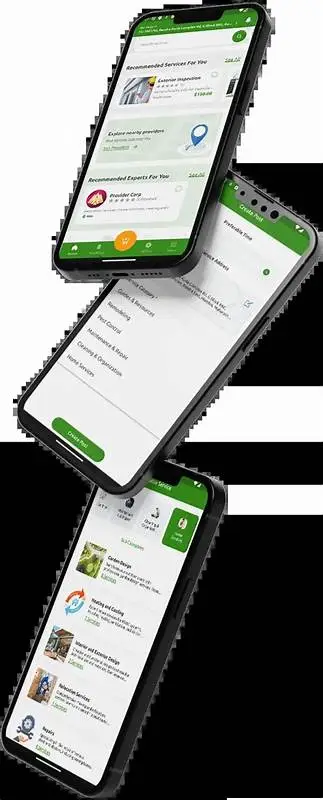
A home services platform must cater to three user groups: customers, service professionals, and admins. Here’s a breakdown of essential features:
Customer App Features
- Service listing by category (beauty, repair, cleaning, etc.)
- Professional profiles with ratings and reviews
- Live availability and appointment scheduling
- Secure payment options and wallet integration
- Real-time booking tracking and history
- In-app messaging or support request
Professional Panel
- Profile management with service pricing and expertise tags
- Job availability toggling
- Booking acceptance and scheduling
- Wallet and earnings summary
- ID verification and KYC upload portal
- Performance analytics and review feedback
Admin Dashboard
- Category and sub-category management
- User and provider onboarding
- Commission settings, tax controls, and payout management
- Dispute resolution tools
- Marketing and notification engine
- Reporting for bookings, revenue, and support tickets
This feature trio ensures that the platform remains efficient, transparent, and trustworthy.
Read More : UrbanClap Feature List for Startups Building Service Apps
Advanced Capabilities in 2026 Clone Solutions
Clone scripts today offer much more than basic booking and payments. The top solutions in 2026 include:
- AI-powered service recommendations based on user behavior
- Route optimization for professionals with multiple bookings
- Real-time map tracking of service professionals
- Dynamic pricing during peak demand (e.g., weekends or holidays)
- Subscription plans for routine services (monthly cleaning, grooming)
- Multilingual interfaces and region-specific offerings
Some scripts also support hybrid service models—where both in-home and virtual sessions (like online yoga or consulting) are available under the same platform.
Global Cost Factors & Pricing Breakdown for an UrbanClap-Like App
The technology stack behind your platform plays a major role in determining development cost, launch speed, and long-term scalability. Some businesses aim for a quick and cost-effective launch, while others require a more advanced setup to handle multiple service categories, provider management, and large-scale user demand.
Here is a simple comparison of common global development approaches for an UrbanClap-like home services and on-demand service marketplace platform:
PHP / Laravel is the most practical option for a quick and affordable UrbanClap clone launch. Node.js / Python suits real-time service operations, while Go microservices are best for large-scale service marketplace platforms.
UrbanClap Clone App Development Cost & Miracuves Pricing Breakdown
Miracuves Pricing for a UrbanClap-Like App developed in PHP/Laravel with Flutter Apps for $2,799 USD (One-Time Price) in just 6 days
Get a fully developed, deployment-ready platform modeled after UrbanClap. Built on a stable PHP/MySQL foundation with modular APIs, this complete package gives you everything needed to launch and grow a modern home-services marketplace with speed, flexibility, and operational clarity.
- Core Service Flow: Customer booking, service provider onboarding, category-based listings, and appointment scheduling workflows.
- Built-in Operations: Booking management, payout and commission handling, discounts and offers, and day-to-day service marketplace controls.
- Management Hub: Centralized admin backend for users, professionals, categories, bookings, and overall platform operations.
- Launch-Ready Setup: Prepared for branding, deployment, backend/API setup, and customization under your own business identity.
Why is it so affordable?
Most home-services platforms built from scratch require significant planning, long development cycles, and higher engineering investment across booking systems, provider management, payments, and scalable infrastructure. Miracuves reduces that burden by offering a ready-made UrbanClap-style solution that is already structured for real business use, instead of pushing you into a costly custom build from the beginning.
We took a smarter, more practical approach:
- You Aren’t Paying for Ground-Up Development: Our UrbanClap-style engine is already developed, which helps you avoid the long timelines and technical uncertainty that usually come with building a service marketplace from zero.
- The Strength of PHP / MySQL: This stack is dependable, maintainable, and practical for scaling service bookings, provider workflows, and admin controls without inflating development cost.
- Fast Launch Advantage: Instead of waiting months, you can launch a fully branded, revenue-ready platform in just 6 days with the core marketplace workflows already in place.
You get a strong, business-ready home-services platform without the inflated cost of full custom marketplace development.
Note: This package includes full non-encrypted source code, backend/API setup, web front-end, admin panel configuration, and deployment assistance
Ideal Use Cases for an UrbanClap Clone
UrbanClap clone script can be tailored to a wide variety of business models beyond just home services. Here are some examples:
- Local service marketplaces targeting Tier-2 cities or rural hubs
- Industry-specific apps like salon-only booking platforms
- Corporate service portals for employee well-being or facility maintenance
- Franchise-based models where service providers are brand-certified
- Niche platforms offering eldercare, pet services, or event management
The model is extremely flexible. With smart positioning and local adaptation, your clone app can solve high-frequency service needs efficiently.
Monetization Strategies for a Service Marketplace
While many platforms rely on commissions, there’s room to diversify revenue. Here’s how founders monetize UrbanClap-style platforms:
- Commission per booking from service professionals
- Subscription fees for premium professionals or businesses
- Featured listing and ad placements
- Booking fees from users during peak hours
- Membership plans for customers (with discounts and free services)
- Add-on sales like kits, products, or accessories relevant to services
Some platforms also bundle value-added services like insurance coverage for bookings or post-service warranties.
Read More : Reasons startup choose our UrbanClap clone over custom development
Conclusion
UrbanClap redefined how people book services—and now, you can take that model and make it your own. In 2026, the home services marketplace is wide open for innovation, regional personalization, and niche solutions. With a powerful clone script, you don’t need to start from scratch. You can launch a platform that’s trusted, easy to use, and scalable from day one.
Whether you’re targeting one city or planning a national rollout, a well-developed UrbanClap clone puts you in the driver’s seat of a growing market that’s increasingly digital and demand-driven.
At Miracuves, we help innovators launch high-performance app clones that are fast, scalable, and monetization-ready. Ready to turn your idea into reality? Let’s build together.
FAQs
What is an UrbanClap clone script?
It’s a pre-built software platform that allows you to launch a service marketplace similar to UrbanClap, connecting customers with professionals for home or virtual services.
Can I launch this in just one category?
Yes, many businesses start with a single vertical like beauty services or home repairs and expand later using modular architecture.
How do I onboard service providers?
Clone platforms include professional sign-up flows with ID verification, KYC, and profile setup tools to streamline onboarding.
Can I limit services by region or pin code?
Absolutely. You can configure service availability by area, city, or zone to manage operations efficiently.
Do clone scripts support in-app payments?
Yes, most scripts integrate popular payment gateways and support wallets, cards, and COD (where applicable).
Is background verification supported?
Advanced scripts allow integration with third-party verification tools or offer manual admin approval for professionals.
Related Articles
Miracuves is an independent software development company. We are not affiliated with, connected to, sponsored by, or endorsed by any company or product named in this article.
Terms such as “X Clone” are used descriptively. It is how the software industry refers to building a platform with functionality comparable to a known service, and how clients search for it.
The entire design and codebase of our products is built by our own team. Our products contain no code, design, graphics, or content originating from any third-party website or applications.
All third-party names and marks referenced in this article are the property of their respective owners, referenced solely to identify the services discussed.