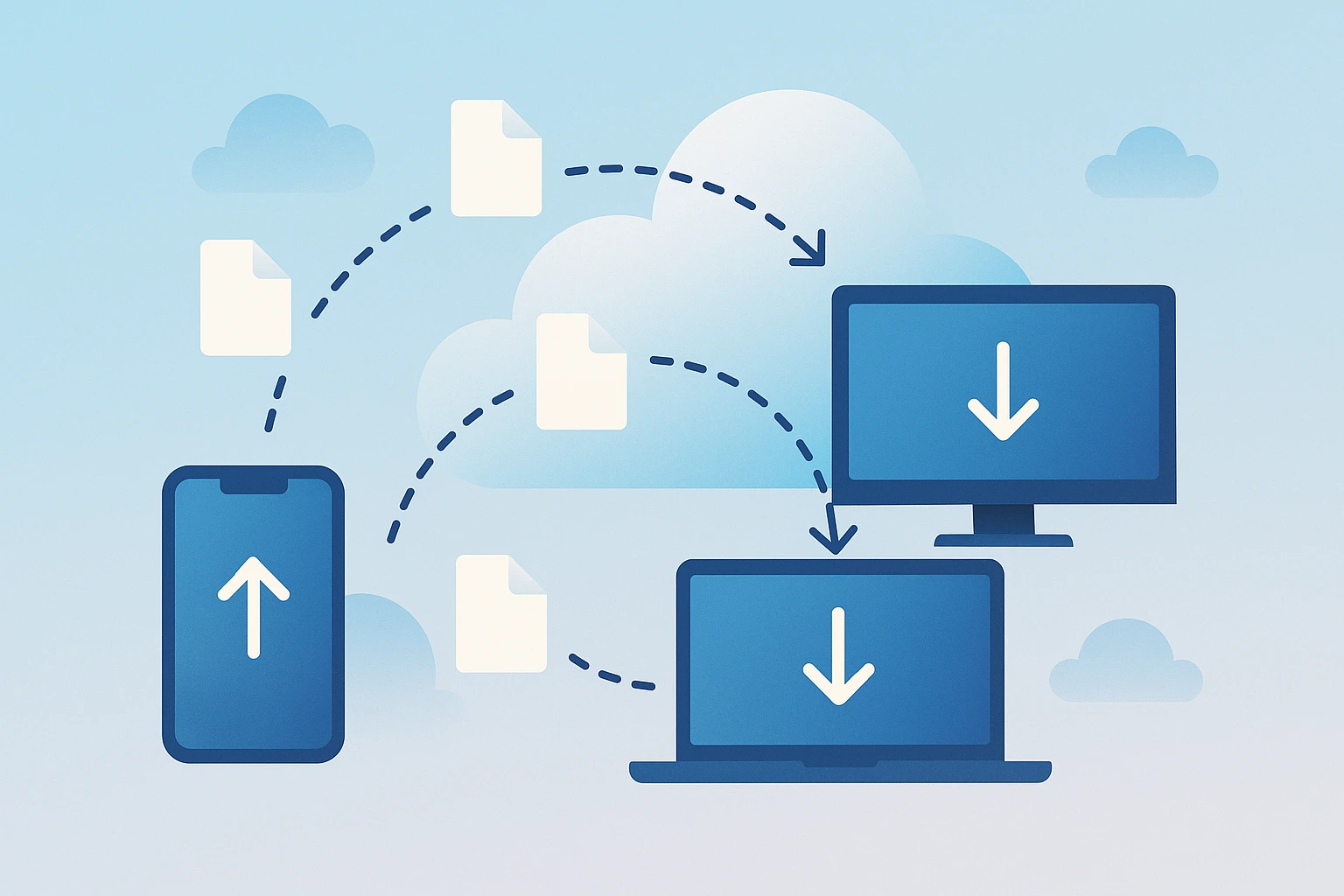
WeTransfer has become one of the world’s most trusted file-transfer platforms, crossing $120M+ in revenue in 2025 and serving millions of creatives, agencies, and businesses every day. Its rapid global adoption comes from a simple promise—send large files quickly, without friction, and without forcing users into complex workflows. But behind this simplicity is a highly strategic monetization engine built on premium plans, branded advertising, collaboration tools, and enterprise licensing.
For entrepreneurs, WeTransfer’s success offers a powerful blueprint. Understanding how this revenue model works—and why users willingly pay for speed, convenience, and creative tools—provides a shortcut to building your own profitable file-transfer SaaS platform. With the right framework, a WeTransfer Clone can replicate and even outperform the original by offering smarter storage, faster delivery, better branding options, and more flexible monetization streams.
WeTransfer Revenue Overview – The Big Picture
WeTransfer’s 2025 valuation sits around $600M–$750M, driven by its premium subscriptions and high-volume creative user base. Revenue grew 18–22% YoY as demand for large-file transfers increased globally.
Regional Revenue Share: North America ~38%, Europe ~42%, Asia ~15%, Others ~5%.
Estimated net margin: 22–27%, boosted by high retention and low operational costs.
WeTransfer competes with Dropbox Transfer, Google Drive sharing, Smash, and SendAnywhere.
Read More: WeTransfer App Marketing Strategy: Lessons for Founders

Primary Revenue Streams Deep Dive
1. Premium Subscription Plans (≈ 50%)
WeTransfer Plus/Pro subscriptions at $10–$25/month offer larger file size limits, password protection, custom branding, and extended storage. Creatives like videographers & agencies drive recurring revenue.
2. Advertising Revenue (≈ 30%)
The “WeTransfer Wait Screen Ads” model is iconic. Brands pay premium CPM rates because users spend 8–15 seconds on the loading screen.
A single campaign can generate $30k–$120k+ depending on impressions.
3. Cloud Storage & Collaboration Tools (≈ 10%)
WeTransfer offers cloud storage, shared boards, team spaces, and branded delivery pages targeted at agencies.
4. Enterprise & Team Accounts (≈ 7%)
Team plans for creative agencies, studios, and marketing teams priced $300–$900/year per team.
5. Digital Creative Tools (≈ 3%)
WeTransfer owns digital creative products like Paper, Paste, and Collect, generating subscription & in-app purchase revenue.
Revenue Streams Breakdown Table
| Category | Annual Cost | Notes |
|---|---|---|
| Storage & Infrastructure | ~$40M | Cloud, CDN, bandwidth |
| Marketing | ~$12M | Ads & brand campaigns |
| Operations | ~$10M | Support & admin |
| R&D | ~$8M | Platform & app innovation |
| Total Costs | ~$70M | On $120M+ revenue |
| Net Profit | ~$50M | ~25% margin |
The Fee Structure Explained
User-side fees
Subscriptions for increased storage, branding, and security features.
Provider-side fees
Enterprise teams pay per-user or per-seat fees.
Hidden revenue layers
Sponsored content
B2B brand partnerships
Creative community promotions
Regional pricing differences
North America & Europe maintain higher subscription prices; emerging markets receive subsidized pricing.
Read More: How Safe Is a White-Label WeTransfer App? Security Guide 2025
How WeTransfer Maximizes Revenue Per User
Segmentation
Free users → Low-cost Pro plans → Team accounts.
Upselling
Custom branding, higher transfer limits, link expiration control.
Cross-selling
Paste, Paper, Collect apps.
Dynamic pricing
Seasonal plans for creative agencies during campaign cycles.
Retention monetization
Auto-renewing subscriptions, team-usage analytics.
LTV optimization
Creative professionals show 2.5× higher LTV than general users.
Psychological pricing
“Free up to 2GB” encourages large upgrade jumps.
Example
A video agency spends $600–$1,200/year on Pro+Team plans due to high project volume.
Cost Structure & Profit Margins
Tech Infrastructure
AWS/GCP storage, CDNs, bandwidth, file encryption infrastructure.
Marketing & CAC
Brand ads plus strong word-of-mouth among creative communities.
Operations
Support, compliance, content moderation.
R&D
Creative apps, platform speed optimization, browser tools.
Unit economics
High gross margins due to low incremental cost per file transfer.
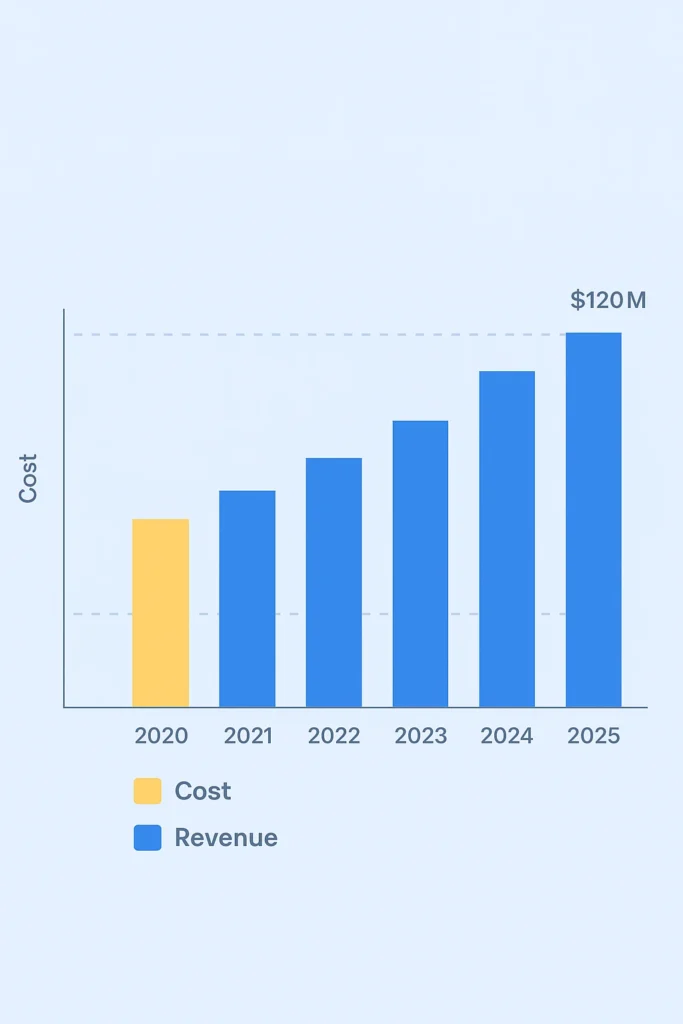
Cost vs Revenue Table (Estimated 2025)
| Category | Annual Cost | Notes |
|---|---|---|
| Storage & Infrastructure | ~$40M | Cloud, CDN, bandwidth |
| Marketing | ~$12M | Ads & brand campaigns |
| Operations | ~$10M | Support & admin |
| R&D | ~$8M | Platform & app innovation |
| Total Costs | ~$70M | On $120M+ revenue |
| Net Profit | ~$50M | ~25% margin |
Future Revenue Opportunities & Innovations
AI-powered compression
High-speed transfer for 8K/RAW media
Secure enterprise file delivery
Crypto-based decentralized storage
AI tagging for creative workflows
Risks: cloud storage costs, competition, regulatory data rules
Lessons for Entrepreneurs & Your Opportunity
Offer fast, frictionless transfers
Add creative tools or branded transfer pages
Introduce premium limits early to nudge upgrades
Add enterprise team packages
Monetize loading screens or branded experiences
Want to build a platform with WeTransfer’s proven revenue model?Miracuves helps entrepreneurs launch revenue-generating file-transfer platforms with customizable monetization. Our WeTransfer Clone scripts ship with premium limits, branding tools, team accounts, analytics, and ad-monetization modules. Many clients generate revenue within 30 days, and Miracuves delivers ready-to-launch solutions in 3–6 days guaranteed. If you want advanced storage engines or AI compression, Miracuves will provide that too.
Final Thought
WeTransfer shows how simple workflows, seamless user experience, and clever monetization can scale a platform to millions of users globally. Its success proves that you don’t need a complex product to dominate a category—you need a reliable service, smart revenue layers, and strong value for creators, teams, and businesses. With the right approach, a WeTransfer-style platform can outperform competitors by offering faster transfers, better branding options, stronger collaboration tools, and smarter storage controls.
Miracuves enables you to build exactly that—without the usual development delays or technical hurdles. Our WeTransfer Clone comes with ready-made monetization models, scalable cloud architecture, branding modules, team management, analytics, and ad-monetization capabilities built directly into the platform. Whether you want to target creatives, enterprises, agencies, or global users, Miracuves equips you with a future-ready file-transfer solution designed for growth and profitability. Combined with our 3–6 day guaranteed delivery, you can enter the market faster, start earning sooner, and evolve your platform as demand grows.
With Miracuves as your technology partner, you’re not just replicating WeTransfer—you’re creating a superior, revenue-optimized file-transfer platform built for long-term success.
FAQs
1. How much does WeTransfer make per transaction?
Mostly none; revenue comes from ads and subscriptions.
2. What’s WeTransfer’s most profitable revenue stream?
Premium subscriptions and branded loading-screen ads.
3. How does WeTransfer’s pricing compare to competitors?
Cheaper than enterprise tools like Dropbox, and comparable to Smash & SendAnywhere — priced at just $2499.
4. What percentage does WeTransfer take from providers?
Team plans charge per-seat fees.
5. How has WeTransfer’s revenue model evolved?
Shifted from ads-only to SaaS subscriptions + creative tools.
6. Can small platforms use this model?
Yes — simple subscription tiers work for startups.
7. What’s the minimum scale for profitability?
A few thousand paid users can cover hosting costs.
8. How to implement similar revenue models?
Combine ads + freemium + premium limits + team plans.
9. What are alternatives to WeTransfer’s model?
Pure subscription SaaS, ad-only free transfer, decentralized storage.
10. How quickly can similar platforms monetize?
With Miracuves setup, revenue can begin within weeks, backed by our fast 3–6 days guaranteed delivery for your complete launch.
Related Articles:
Google Drive Clone Revenue Model: How It Makes Money in 2025
Dropbox Revenue Model 2025 – How Dropbox Makes Money Explained