
Ecommerce DevelopmentD2C · Multi-Store · B2B · Enterprise
Launch customer, vendor, and admin ecommerce apps from Miracuves ready-made bases - cart, payment gateway, order management, inventory sync - in 6 working days from $2,799 with 100% source code. Miracuves scopes the storefront base, payment provider, and branding in writing before payment.
- 6 Working Days Build
- Customer · Vendor · Admin
- From $2,799
- 100% Source Code
- $2,799Starting price
- 6 DaysBuild time, FACT-005
- 3 AppsCustomer · Vendor · Admin
- 90+Ready-made solutions
- 100%Source code yours








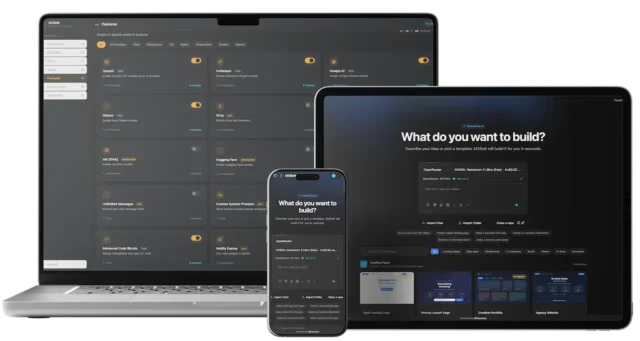
Miracuves puts ecommerce businesses in market - multi-vendor marketplaces, D2C stores and B2B wholesale portals - on ready-made bases that include a customer app, a vendor app and an admin console. Bases start from $2,799, and the Alibaba wholesale base is $3,099. Miracuves builds it in 6 working days, the source code is 100% yours, and custom commerce work runs 2-8 weeks, quoted in writing.
Our Approach
How Miracuves builds ecommerce stores - storefront, payments, logistics from day one
Miracuves has delivered 9,000+ projects, and an ecommerce launch starts from a base that already takes orders: storefront, cart, checkout, vendor dashboard, payouts and order management. The build goes into your catalogue, your markets and your brand. The Amazon, Flipkart and Alibaba bases cover most retail and wholesale models, and each is scoped in writing before payment.
Who this is for: brands, retailers and marketplace founders who want to sell under their own name rather than inside someone else's app, with a published price, the full codebase and one company answerable through app review. Your delivery pack lists the payment keys, push credentials and admin logins, so your team runs the store after launch without calling us for every change.
Every ecommerce engagement opens with an NDA and a written scope: which base, which payment provider, which carriers, your branding and whose developer accounts the apps publish to. Checkout, refunds and vendor payouts are tested on release builds on real phones, and catalog, tax and shipping settings in admin are checked before handover. Miracuves stays reachable through app review and the 60-day guidance window.
When a clone may not fit: Not the right path when your moat is a proprietary recommendation engine you cannot share with a clone vendor, or when you need custom supply-chain logic absent from standard ecommerce bases.
- Profiled on release builds, never in development mode
- One stock count shared by storefront, vendor app and admin
- Physical device QA on iOS and Android before store submission
- Admin panel included: products, orders, and analytics pre-wired
- 100% source code + IP transfer at handoff: not licensed hosting
Decisions First
What you have to decide before an ecommerce build starts
Most ecommerce projects are decided by catalogue and tax before they are decided by design. Get those wrong and every later choice inherits the problem.
How products actually vary
Variants, bundles and configurable options. A model that fits shirts rarely fits furniture, and changing it after launch means remapping every listing.
Scoped upfrontWhere you owe what
Rates, thresholds and inclusive versus exclusive pricing by market. Retrofitting tax logic is one of the most expensive ecommerce corrections.
Scoped upfrontMethods your buyers expect
Cards are table stakes; the conversion difference usually comes from the local method people actually use in each market.
Scoped upfrontOne number, trusted everywhere
Inventory shared across storefront, warehouse and any marketplace channel, so overselling is prevented rather than apologized for.
In the baseWhat happens after checkout
Picking, shipping, tracking and returns wired to real carriers, because post-purchase is where most support cost is created.
In the baseFinding products that exist
On-site search and filtering tuned to your catalogue. Shoppers who cannot find a product conclude you do not stock it.
In the baseEcommerce Store Solutions
Ecommerce stores Miracuves deploys
Six of our 90+ ready-made platforms, each shipping with its apps and admin panel in 6 days.
View All 90+ SolutionsAmazon Clone
Multi-seller catalog, cart, checkout and vendor payouts, for a general marketplace.
Etsy Clone
Maker shops, handmade listings and made-to-order options under one marketplace.
Airbnb Clone
Listings, availability calendar, booking and host payouts, for rentals rather than shipped goods.
Flipkart Clone
Multi-vendor retail with flash sales, coupons and cash-on-delivery for price-led markets.
Gig Services Marketplace
Gig listings, milestone payments and two-way reviews, for selling services instead of stock.
Alibaba Clone
Wholesale portal with RFQs, bulk tiers and buyer-specific pricing for trade customers.
Platform Anatomy
Customer app · Vendor app · Admin
Every ecommerce deployment includes three complete applications - 45 production features, not a stripped MVP. Customer app, vendor app and operations admin - 15 production features each; the two apps ship as store-ready builds.
Customer App
iOS & Android · store-ready- Search, filters & saved searches
- Secure checkout & escrow payments
- Seller messaging & offer negotiation
- Wishlists & compare listings
- Order tracking & delivery updates
- Ratings & verified purchase reviews
- Dispute initiation & evidence upload
- Multi-address shipping profiles
- Promo codes & referral credits
- Push alerts for bids & price drops
- Multi-language & currency display
- In-app support chat
- Social share & listing reports
- Subscription to seller updates
- Apple Pay / Google Pay checkout
Vendor App
iOS & Android · store-ready- Listing creation with photos & video
- Inventory & variant management
- Order fulfilment workflow
- Payout & earnings dashboard
- Promotion & featured listing tools
- Buyer messaging & offer responses
- Shipping label & carrier integration
- Performance analytics per listing
- Bulk import/export via CSV
- Vacation mode & stock alerts
- Tax & invoice document export
- Multi-store / multi-vendor switching
- Return & refund handling
- KYC / business verification upload
- Mobile push for new orders
Admin Panel
Web console · browser-based- Vendor onboarding & moderation
- Category & commission configuration
- Escrow & payout rule engine
- Dispute resolution console
- Featured listing & ad management
- Fraud detection & user flagging
- Revenue & GMV reporting
- Content moderation queue
- Tax & compliance settings
- Multi-currency & region rules
- API access for partners
- Push & email campaign tools
- Trust & safety policy controls
- Search ranking & boost rules
- Platform health monitoring
Pick Your Starting Point
Ready-made vs custom vs white-label - which fits your store
Three ways to start selling online. They differ in who owns the code, how soon orders come in and what you keep paying once sales grow.
Ready-made base
Amazon, Flipkart or Alibaba base, in your brand
Custom build
Designed around your catalog and channels
White-label SaaS
A hosted store platform, rented
you sell goods through one brand or many vendors, your checkout and fulfilment follow the usual pattern, and you want the code in your own account from day one. See the Amazon Clone for marketplaces or the Alibaba Clone for wholesale.
your catalog, pricing or warehouse flow is unlike any marketplace (custom, scoped in writing), or you only want to test whether a product sells before owning a platform (white-label).
Store Founder Guide
Ecommerce launch questions, answered before you pay
What decides your base, your budget, your first week and the part of compliance that stays with your business.
Marketplace, D2C store or wholesale portal: which base fits?
Start from who sells. If many sellers list products and you earn a commission, the Amazon base fits: multi-vendor catalog, cart, checkout, vendor payouts and admin, at $2,799 today. The Flipkart and Etsy clones are priced on the same product, one tuned for price-led retail and one for makers.
If your buyers are trade customers who ask for quotes and bulk tiers, the Alibaba base fits, at $3,099. A single-brand D2C store also starts on the Amazon base, with your company as the only vendor until you choose to invite others. Selling services rather than goods is a different product: the gig marketplace base, at $2,499.
What does an ecommerce app cost to launch?
You pay once for a ready-made base, and its price is on the product page: from $2,799 today. That covers the customer app, the vendor app and the admin console, branded, connected to your payment provider and deployed to your hosting, with the source code transferred to your account.
Custom work is quoted after scoping and usually takes 2-8 weeks: ERP or warehouse connectors, marketplace channel sync, unusual variant or pricing rules. Running costs sit outside the build price and are listed before billing - payment processing fees, carrier rates, SMS and email, and hosting - so the budget you approve is the budget you pay.
What should be ready on my side before the build starts?
The 6 working days are Miracuves build time. Miracuves is based in Mumbai and delivers remotely, so nothing waits on travel; what can add calendar time sits on your side, and it is worth starting early:
- Verified Apple and Google developer accounts held by your company
- A payment provider onboarded for the markets you sell into, with KYC finished
- Your catalog structure: categories, variants and a sample product file
- Tax registrations, plus your shipping and returns policies
- Logo, colors, app names, hosting and a domain
Who is responsible for tax, card payments and consumer rules?
The base supplies the controls: tax rules by region with inclusive or exclusive pricing, invoices vendors can export, a returns workflow, vendor business verification and role-based admin access. Payments run through the provider you choose; Miracuves does not certify your store for PCI DSS, and your provider and assessor set that scope.
The legal position belongs to the business running the store: tax registration and filing, marketplace-facilitator duties where they apply, consumer and returns law in each market, data protection such as GDPR, and the terms your vendors accept. Miracuves configures the platform to the rules you set and documents the setup for your accountant and counsel. It does not act as seller of record or file tax on your behalf.
Which commerce businesses have launched on Miracuves bases?
The Miracuves portfolio does not yet publish a retail ecommerce case study, which is why the case study further down is labelled as an example engagement rather than a named client.
The closest named client is ShopRaja, a B2B commerce and payments platform for small retailers in India, run by Vyapar Pe Technologies. Its founder, Rajesh Premani, describes the MXB2B base supplying the catalogue, the order flow and the payments backbone, with a short-term credit module, distributor-tier pricing and a reconciliation engine added as custom work. His full account is on the client testimonials page.
How It Works
Ecommerce purchase flow - browse to delivery
The base carries one order through all three apps, from the cart to the doorstep and the vendor's payout.
Customer browses and adds to cart
Browse product catalog, filter by category or price, add items to cart with real-time inventory check.
Customer checks out and pays
Secure checkout with multiple payment gateways - card, wallet, UPI, or COD - order confirmed instantly.
Vendor fulfils and ships
Vendor receives order notification, prepares packaging, updates tracking via integrated logistics API.
Customer receives and reviews
Delivery confirmation triggers review prompt. Return window opens if product not as described.
Admin reconciles and reports
Order data, payments, refunds, and platform fees recorded in admin analytics dashboard automatically.
Payment gateways
Stripe, Razorpay, PayPal, COD ready at launch.
Inventory sync
Real-time stock updates across all storefronts.
Order tracking
Carrier tracking shown to the shopper; label printing where scoped.
Revenue Model
6 ways your ecommerce store generates revenue
Commission tables, seller plans and fee rules live in the admin console, so each revenue line can be switched on when you launch. Miracuves confirms scope, integrations and timeline in writing before payment.
Transaction Commission
Take rate on each completed sale - category-specific rules supported.
Example: 8-20% GMVListing & Promotion Fees
Featured placement, boosted search, and homepage slots for sellers.
Example: $5-50 per boostSubscription for Sellers
Professional seller tiers with lower fees and premium tools.
Example: $29/mo pro sellerPayment Processing Margin
Spread on payment fees where platform acts as merchant of record.
Example: 0.5-1.2%Escrow & Protection Fees
Optional buyer protection plans on high-value transactions.
Example: 2-3% of orderEnterprise API Access
B2B integrations for large sellers and ERP partners.
Example: custom annualIllustrative only: the example rates show how marketplaces of this kind are commonly priced, to help size the model. They are not results from a Miracuves client; your own numbers depend on your category, margins and market.
Who This Is For
Who should build an ecommerce store?
Four buyers, each starting from a different base.
Niche Retailers
A specialist category the big marketplaces treat as an afterthought, with makers and small sellers each running their own shop.
Handmade & specialtyB2B Operators
A trade portal where buyers send RFQs, see their own tier prices and reorder without a sales call.
ProcurementEcommerce Founders
A branded app your customers install, with checkout, order tracking and returns handled in one place instead of through a marketplace.
D2C storefrontService Platforms
Services sold like products: gig listings, payment held until the work is delivered, and reviews on both sides.
Gig marketplaceWhy Miracuves
How Miracuves compares to typical ecommerce agencies
Store builds often look cheap until the vendor app, the admin console and a hosting lock-in appear on later invoices. These are the terms worth comparing before you sign.
- Source code ownership100% Yours
- Admin panel includedAlways
- Post-launch support60 Days
- NDA before details sharedDay One
- Published pricingYes, public
- App Store submissionFully managed
- Real device QAAlways tested
- 01
We publish prices - most vendors don't
Every ecommerce base shows its price on its product page, because a ready-made build is a known amount of work. Custom work is quoted in writing before you pay, not negotiated after kickoff.
- 02
Source code is yours, not licensed
The repository moves to your account at handover, with no license fee and no hosting you are tied to. Any developer you hire later can pick up the codebase.
- 03
Admin panel isn't an upsell
A marketplace cannot run without the vendor app and the admin console, so both are in the base price rather than sold later as extras.
- 04
Real devices, not just emulators
Emulator-only testing misses order alerts that never reach a vendor's phone, payment redirects that fail inside a real banking app, and checkout on a slow mobile connection. Every Miracuves build is QA'd on physical iOS and Android hardware.
- 05
Honest timelines, not marketing numbers
The build is 6 working days on a ready-made base and 2-8 weeks for custom work. If scope grows, the extra time and cost are written down and agreed before payment, never added mid-project.
Architecture
Ecommerce architecture - storefront, catalog, and payments
One order record, one stock count and one payout ledger are shared by the storefront, the vendor app and admin, so what a shopper buys is what the vendor ships and what admin settles.
- 01
Customer & vendor apps
Browse, cart, checkout and tracking for shoppers; listings, orders and payouts for vendors - store-ready release builds for iOS and Android.
- 02
Product catalog & inventory
Category trees, variant management, bulk CSV import, and real-time stock sync included in base scope.
- 03
Order & shipping engine
Order status workflow, multi-carrier shipping and webhooks for your ERP and accounting partners.
- 04
Payments & checkout
Stripe, Razorpay, PayPal, or regional PSP with one-click checkout rules scoped to your ecommerce model.
Built withLaravel DevelopmentNode.js Development90+ ready-made solutions
Technology Stack
Ecommerce stack - storefront, payments, logistics
What the storefront, vendor app and admin run on. Full architecture notes go to your engineers at delivery.
Quality Standards
Quality standards for ecommerce platforms
A store reaches the app stores only after clearing these six gates, each checked on real phones and release builds.
- Physical device QAGate
- Release build profilingGate
- Security reviewGate
- Store compliance passGate
- Handoff packageGate
- 60-day monitored supportGate
Delivery Gates
Six checkpoints before handoff
Physical device QA
Every build tested on real iOS and Android hardware - checkout, push, payments and background modes behave differently on emulators; Miracuves does not sign off emulator-only.
Release build profiling
Speed measured on release builds, not debug ones, before store submission, so catalog scrolling and checkout are judged as shoppers will feel them.
Security review
Payment and carrier keys live in environment config, never in the code. Admin pages require login, and payment webhooks are verified and processed once, so a retry never charges or refunds twice.
Store compliance pass
Signing, privacy answers and listing copy prepared for the App Store and Play Store; a rejection caused by in-scope work is fixed inside the 60-day window.
Handoff package
You receive the repository, an environment setup guide, admin logins, API documentation and a runbook for the first weeks after launch.
60-day monitored support
Crashes and payment faults traced to in-scope configuration are fixed during the 60 days, and Miracuves stays reachable through store review.
Delivery Process
Ecommerce deployment · 6 working days
Seller onboarding, escrow PSP, category taxonomy, and dispute QA before launch. NDA, written scope, milestone visibility, and source handoff are standard - not optional add-ons.
- Day 0
Brief & NDA
Send your catalog idea and target markets on WhatsApp. The NDA is signed the same day, and Miracuves confirms the base and the customization it needs.
- Day 1-2
Configuration & Branding
Your brand applied, payment provider and carriers connected, categories and a first batch of products loaded into admin.
- Day 2-5
Customization Sprint
The changes agreed in scope: extra checkout steps, tax or shipping rules, layout changes, more languages or right-to-left support.
- Day 5-6
QA on Real Devices
Tested on physical iOS and Android. Browse, checkout, refund and vendor payout flows verified end-to-end on release builds.
- Day 6
Handover & Store Submission
Apps go to review from your own developer accounts, and the repository, documentation and admin logins are handed over. From there Apple and Google set the review pace, and the 60-day guidance window starts.
Six days is Miracuves build time, not calendar time
The six days are ours, and they do not run past six. What can add time sits on your side: developer account verification, merchant onboarding and compliance approvals are controlled by the app stores and your payment provider, not by us. We list exactly what you need ready on the first call so you can start those in parallel.
Cost & Pricing
What ecommerce development costs
Published prices. No request-a-quote wall. Ready-made commerce bases from $2,799; the Amazon marketplace base is $2,799.
Standard Clone
$2,799 /from
6 working days · scoped
- Customer + vendor + admin apps
- White-label branding applied
- Payment gateway configured
- Core integrations live
- Full source code delivered
- 60-day post-launch support
Custom Build
Custom Quote
Scoped before build · milestone billing
- Clone base + custom modifications
- Additional integrations & flows
- Multi-language / RTL support
- Advanced admin reporting
- Full source code + IP transfer
- 60-day support + priority SLA
Enterprise Platform
Enterprise
Multi-market · SLA · compliance
- Multi-city or multi-region rollout
- White-label SaaS architecture
- Custom analytics & compliance
- Dedicated account manager
- SLA-backed uptime guarantee, first reply within 2 hours
- Ongoing development retainer
Cost factors that change the priceB2B depth and multi-currency escrow scoped before NDA signing.
What affects project cost
Ready-made ecommerce base pricing stays fixed when scope matches the published base. ERP connectors, custom shipping rules, marketplace channel sync and multi-market tax setups are quoted before payment.
Typical budget ranges
- Standard clonefrom $2,7996 working days
Custom build: scoped quote · milestone billing.
Enterprise: multi-region, SLA, compliance - contact for written scope.
Example engagement
What deploying an ecommerce store looks like in practice
An illustrative example of a typical project of this kind, with client details anonymized. Figures show what this kind of build targets, not a named client's results.
A fashion collective with no in-house developers wanted a mobile-first, multi-seller storefront it would own outright: what a build like this involves on the Amazon base.
- 01
Challenge
A fashion collective needed a mobile sales channel with several designers selling under one brand, and had no development team. Scope, payment provider and catalog structure were confirmed in writing first.
- 02
What Miracuves Delivered
Amazon Clone with multi-vendor marketplace, mobile storefront, Razorpay checkout, seller dashboards. Branding, admin rules, device QA, and store submission were included in one engagement.
- 03
Outcome
Built in 6 working days of Miracuves time and submitted from the client's own developer accounts. The source code transfers at handover, so new categories are added on the same codebase.
- SolutionAmazon Clone
- Timeline6 working days
- PaymentRazorpay
- SellersMulti-vendor
- Source100% owned
Client Reviews
What clients say about Miracuves ecommerce deployments
Founders who launched commerce and marketplace platforms on Miracuves bases, quoted from /client-testimonials/.
"Miracuves's MXB2B base gave us the catalogue, the order flow, and the payments backbone. We added our custom short-term-credit module, our distributor-tier pricing, and a custom reconciliation engine. From kickoff to first 100 active retailers was 9 weeks."
"We needed three apps that agree with each other: customer, driver and store. The shared state model was already built, which is the part people underestimate."
"Provider onboarding, quoting, booking and payments came off the shelf. We added our service categories and our vetting rules. Both sides of the marketplace were live inside a month."
Why Miracuves
Six places to check us before you ever call us
Each one is either run by someone else or open to anyone. Check them in any order; the whole list takes about a minute.
Why clients choose MiracuvesCompany registration
Miracuves Solutions Pvt. Ltd., CIN U62099MH2023PTC406639. Search the CIN on the Ministry of Corporate Affairs portal.
mca.gov.in 02Every number, sourced
Projects, clients, prices and timelines, each one defined and sourced on our public facts ledger.
miracuves.com/facts 03Reviews on Clutch
Client reviews published by Clutch, an independent B2B review platform, not by us.
clutch.co 04Reviews on GoodFirms
A second, separate review platform. Read what clients wrote there too.
goodfirms.co 05The product itself
Web app, admin panel and APK with printed credentials. Try the real thing before a single call.
miracuves.com/solutions 06Clients, by name
Named clients describing their launches, in their own words.
miracuves.com/client-testimonialsThree promises we would stake the company on
Every promise on this site rests on these three. Each one is something you can check, not something you have to take on trust.
01People you can name
Our leadership is public, with real LinkedIn profiles, not a stock-photo team page. A named team works your build and sends you progress on WhatsApp every working day.
Meet the leadership02Proof over promises
Every number we publish, pricing, timelines, project counts, is defined and sourced on a public facts ledger. If we can't back a claim, we don't make it.
Read the facts ledger03A process with a deadline
Ready-made platforms go from kickoff to live deployment in 6 working days, guaranteed: miss it for reasons on our side and we work free until launch. Custom builds get a fixed quote after a free feasibility study.
Get a feasibility study
Explore Miracuves
Miracuves catalog - clones, technology, and hire models
Related Solutions
Explore Miracuves products & services
Clone solutions, technology development, and vertical platforms - cross-linked across Miracuves' published service catalog.
Frequently Asked
Ecommerce Development - FAQ
Something not covered here? Ask on WhatsApp and you will usually have an answer within two hours.
Ask us directlyWhat types of ecommerce stores can Miracuves build from clones?
Direct-to-consumer stores, multi-vendor marketplaces, B2B wholesale portals, and subscription commerce sites start from the Amazon, Flipkart and Alibaba bases. Customer, vendor, and admin apps include cart, checkout, payments, and logistics. Miracuves matches the storefront to your category on Day 0.
What payment gateways does Miracuves integrate?
Stripe, Razorpay, PayPal, and regional PSPs are pre-integrated in standard clone bases. COD, wallet, and BNPL options are configurable per market. Miracuves tests payment edge cases - declines, refunds, partial captures - on staging before production keys go live.
What is the timeline for an ecommerce launch?
A ready-made ecommerce base is built in 6 working days of Miracuves time. Custom catalog rules, shipping integrations or ERP connectors are custom work of 2-8 weeks, always quoted before billing. App store review and payment-provider onboarding run on Apple's, Google's and your provider's clock. First product catalog uploads and store configuration are set up in admin during deployment.
Can vendors manage inventory and shipping?
Vendor apps include product listing creation, variant inventory, order fulfillment, and shipping label integrations where scoped. Bulk CSV import/export is supported in standard bases. Advanced WMS integrations are custom scope items documented in the pre-payment brief.
What pricing and promotion tools does the admin support?
Discount rules, coupon codes, flash sales, tiered pricing, and promotional campaigns are pre-built. Markdown management and bundle pricing apply at checkout with audit trails in admin reporting. Multi-currency and tax zone support included.
Is ecommerce source code fully transferable?
Yes - 100% ownership with no per-transaction license to Miracuves. You operate GMV without revenue share to the vendor unless you choose an optional maintenance retainer. Codebase includes webhook endpoints for ERP and accounting exports.
How does Miracuves prevent fraud on ecommerce platforms?
Admin includes order flagging, velocity limits, duplicate listing detection, and manual review queues. KYC for high-value vendors is configurable. Miracuves recommends phased launch - invite-only vendors first - which the admin onboarding queue supports natively.
What is the starting investment for an ecommerce app?
Ready-made commerce bases start from $2,799; the Amazon marketplace base is $2,799 and the Alibaba B2B base $3,099. Each base lists its price on its product page. Enterprise multi-region rollouts with SLA are custom-quoted with milestone billing and dedicated account management.
Does Miracuves handle App Store and Play Store submission?
Yes. Every standard deployment includes submission to both stores from your own developer accounts: signing certificates, provisioning, listing copy, screenshots, privacy answers and review follow-up. If a rejection traces back to work inside the agreed scope, Miracuves fixes it during the 60-day window at no extra cost.
How is a Miracuves ecommerce deployment different from hiring a freelance developer?
Freelancers typically rebuild cart, checkout, payments, and admin pipelines from scratch - high risk and unpredictable timelines. Miracuves deploys from ready-made bases already running in production, backed by 9,000+ delivered projects, with NDA, IP assignment, published pricing, and company-backed support. You launch in days with owned source code, not a six-month solo build that may never reach the stores.
Can I launch as a single-brand store and add other sellers later?
Yes. The Amazon base is a multi-vendor marketplace, but your company can be the only vendor at launch. Outside sellers join through the vendor onboarding queue in admin, only when you invite and approve them, on the same codebase and without a rebuild.
Are payment fees and shipping costs included in the price?
No. The price covers the three apps, branding, setup of your payment provider, deployment and the source code. Transaction fees are paid to your payment provider and shipping rates to your carriers, under your own accounts. Miracuves lists these running costs before billing.
Get Started
Ready to launch your ecommerce store?
Describe your product catalog and target market. Miracuves matches the right ecommerce base, from $2,799, with full source code.
NDA signed before we discuss your project
Page reviewed by Miracuves Ecommerce Team · Last updated June 2026 · Clutch & Google Reviews
