



How to Hire the Best Drizly Clone Developer
Create a powerful, customizable streaming solution with Miracuves’ Drizly Clone, equipped with high-performance features and next-gen technology.
Launch your own alcohol delivery app with a robust, scalable Drizly Clone that mirrors top-tier features and customer experience.
You’ve got the vision — maybe a local twist, maybe a bold national plan. You’ve done your market research, sized up your competition, and even outlined your revenue streams. Now comes the single most important choice: Who will build your Drizly clone?
This isn’t a side gig for a freelancer. You need a product-focused team that knows how to build on-demand delivery platforms inside and out — from logistics to legal compliance. In this guide, we’ll walk you through exactly how to hire the best Drizly clone development company to bring your vision to life.
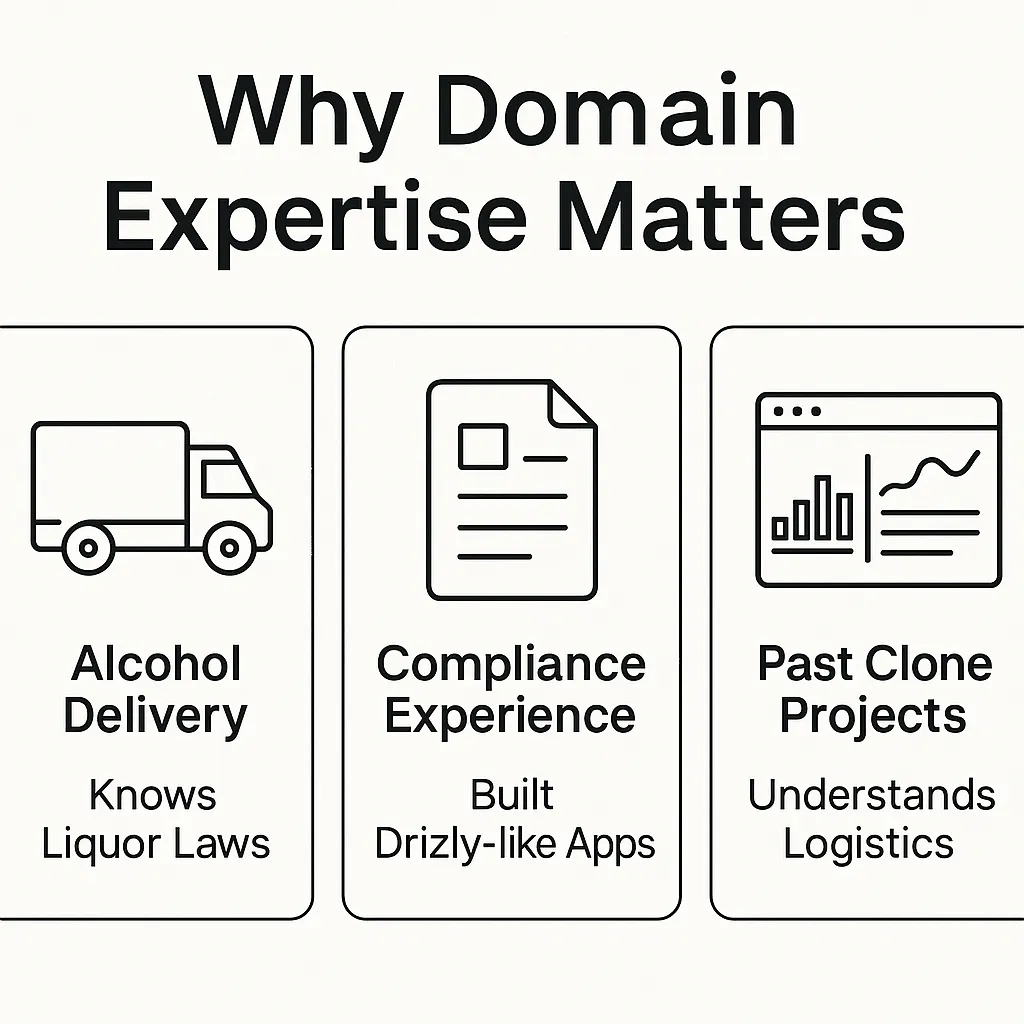
Look for Domain Expertise
Alcohol delivery is not your average eCommerce clone. It involves a unique mix of legal restrictions, real-time logistics, and identity verification challenges.
Here’s what to vet:
On-demand delivery experience → Choose a team that has already built food, grocery, or liquor delivery platforms.
Case studies with logistics features → Look for portfolios that include live order tracking, age verification, driver management, and geo-fencing.
Knowledge of compliance → They should be familiar with region-specific alcohol delivery regulations, even if just from past builds.
A development partner with relevant experience means less time explaining, and more time building a product that actually works in your target market.
Tech Stack & Scalability
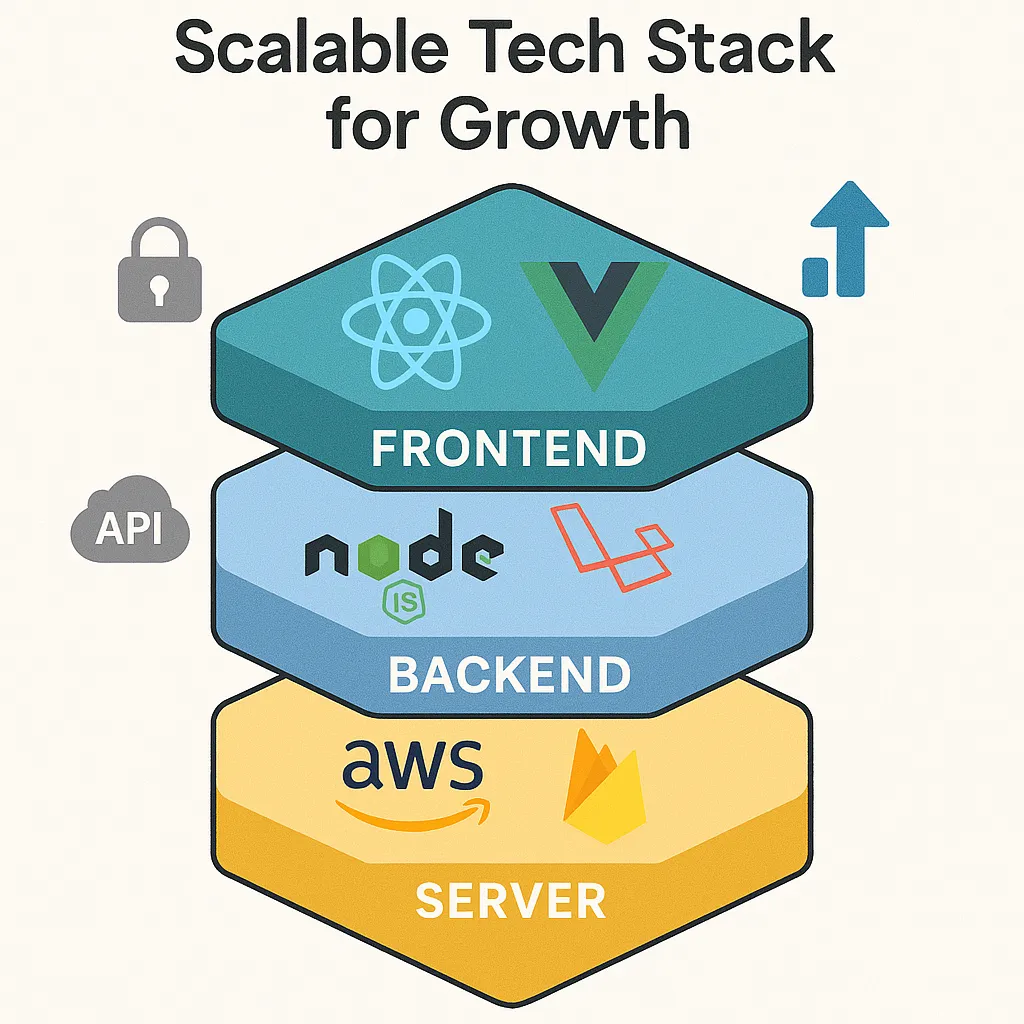
You’re not just building a one-time MVP. You’re laying the foundation for a high-demand platform that needs to be fast, secure, and ready to grow.
Here’s what to check:
Modern, proven frameworks → Think Node.js, React, Laravel, or scalable platforms like Firebase and AWS.
API integrations → Your app will likely need age verification, payment gateways, and perhaps even POS integrations for local stores.
Built for scale → Can their architecture support 10x traffic spikes without bottlenecks?
Security practices → Alcohol orders involve personal data and identity checks — so SSL, encryption, and secure authentication aren’t optional.
A solid tech stack now will save you major headaches later when growth (and demand) kicks in.
UI/UX Capabilities
Drizly and other top delivery apps have set a high bar. Your clone needs a smooth, modern experience that feels intuitive — not like a generic copy-paste job.
Key elements to look for:
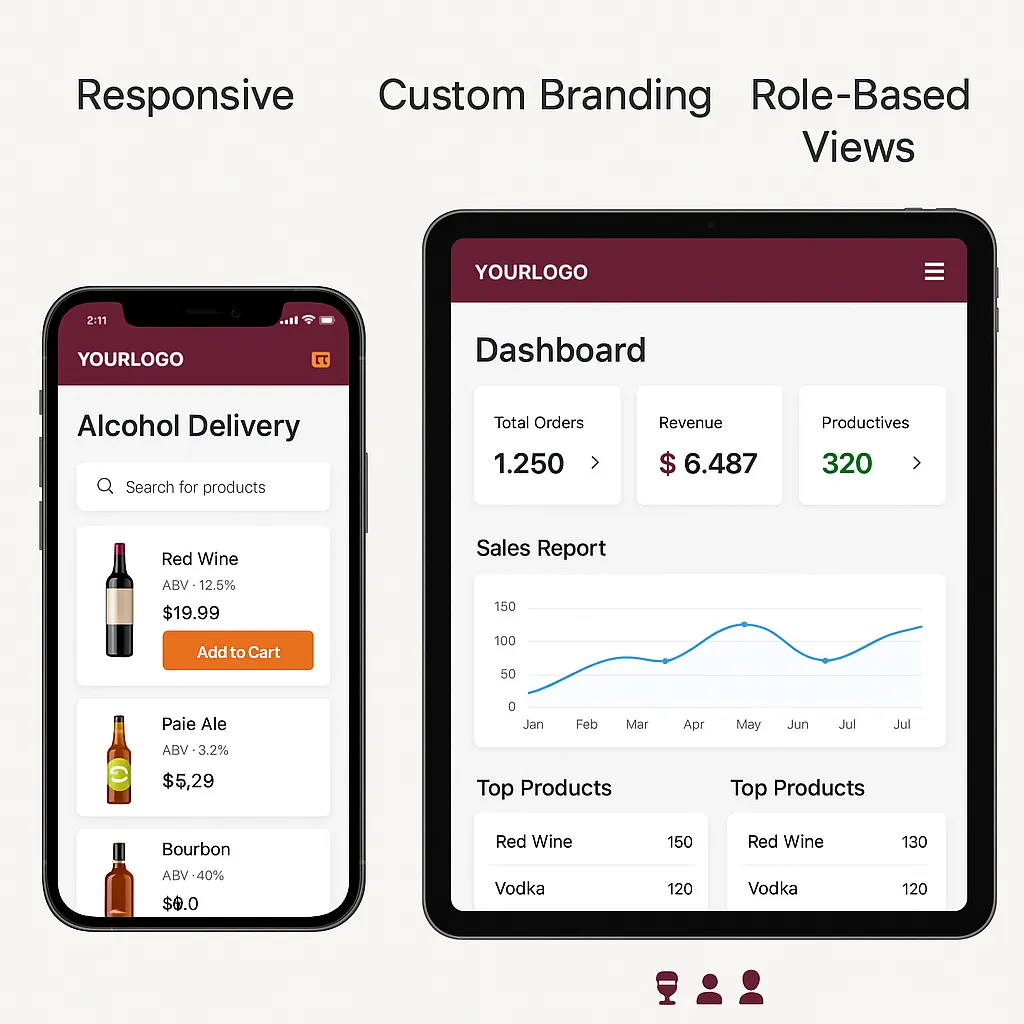
User-focused design → Easy checkout, location-based menus, and fast reordering are crucial.
Brand customization → From color schemes to custom promo banners, your app should look like your business, not a clone.
Multi-role dashboards → Separate and optimized views for users, delivery partners, and merchants.
Responsive and mobile-first → Your customers will be on mobile. Your developers should design for that first.
Clean, intuitive design builds user trust and keeps them coming back — especially when ordering something as personal as alcohol.
Communication & Workflow
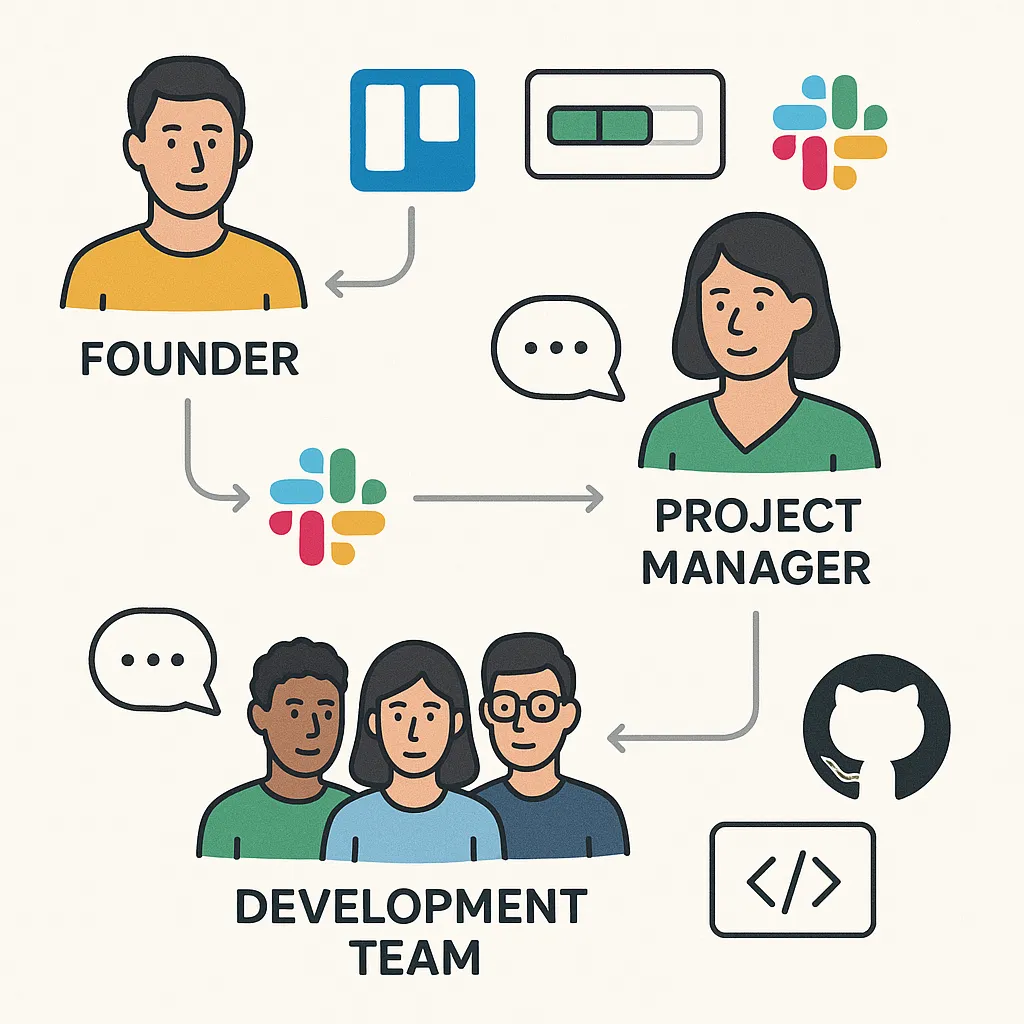
App development is a collaborative process — and smooth communication is the difference between fast progress and frustrating delays.
Ask these questions:
How do they manage projects? → Look for agile methodologies, tools like Trello or Jira, and transparent timelines.
Do you get access to devs or just a sales rep? → You need direct contact with the actual team building your app.
Are there regular updates? → Weekly builds or demos help you course-correct early.
What happens after launch? → Will they offer support for bugs, updates, and scaling later on?
A responsive, proactive team ensures your app not only gets built, but continues to grow and improve after it’s live.
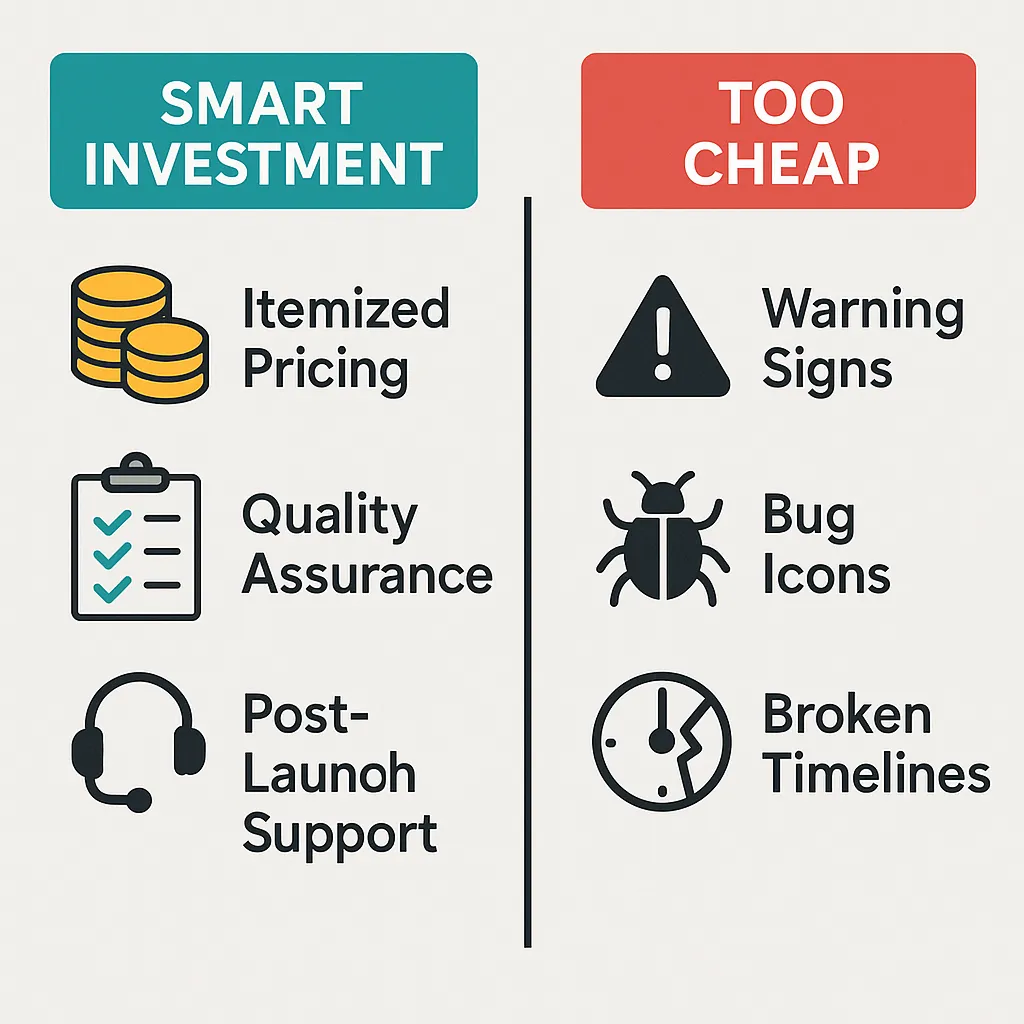
Pricing Models & Quality
You’re not just shopping for a price tag — you’re investing in a platform that will make (or break) your business.
Here’s how to evaluate pricing smartly:
Itemized estimates → Know exactly what’s included — from UI design to deployment to third-party API fees.
Transparent timelines → Look for clear delivery schedules tied to milestone payments.
Avoid bargain-bin offers → If a quote feels suspiciously cheap, corners are probably being cut — on testing, documentation, or post-launch support.
Long-term costs → Ask about hosting, server maintenance, and upgrade cycles to understand your real budget.
A good development company will help you spend wisely, not just cheaply.
Choose the Right Development Partner
Even with a clear roadmap, launching a successful alcohol delivery app is no simple task — it demands a development team that deeply understands the complexities of on-demand logistics, compliance, and customer experience. Partnering with the right Drizly clone development company can help you go to market faster, avoid costly missteps, and scale confidently.
Look for a partner that offers:
Proven experience in on-demand and delivery-based platforms
A portfolio featuring secure, scalable, and real-time apps
Full-cycle development — from feature planning to launch and beyond
At Miracuves, we don’t just deliver clone scripts — we engineer fully customized, high-performance solutions tailored to your brand and market. Let us handle the tech, compliance, and integrations while you focus on growing your reach and delighting your customers.
Conclusion
Hiring the best Drizly clone development company isn’t about finding the flashiest pitch or the lowest quote. It’s about choosing a partner with proven domain experience, a strong technical foundation, and a collaborative approach to building what you need — fast, reliable, and scalable. Evaluate your options carefully, and you’ll be on your way to launching an alcohol delivery app that truly competes.
Frequently Asked Questions
With Miracuves, a Drizly-style delivery app starts at $2,899. You get a ready-to-launch build in 3–9 days only, with final cost depending on the features you select (catalog, payments, delivery tracking, admin panel, integrations, etc.).
Costs vary widely based on features, regions, and team size — but a basic MVP can range from $8,000 to $25,000. Fully-featured apps may go higher depending on customization.
Yes, many clone developers can build APIs that sync with merchant POS systems or let store owners manage their own menus directly from a dashboard.
With Miracuves, a Drizly-like app can be delivered in 3–9 days only—from initial setup to testing and deployment. The exact timeline depends on what you include (store module, delivery tracking, payments, admin controls, integrations, etc.).
Absolutely. A good development company will build your clone with modular features, so you can expand geographies, merchants, or features later — without starting from scratch.