



How to Hire the Best AmazonFresh Clone Developer
Create a powerful, customizable streaming solution with Miracuves’ AmazonFresh Clone, equipped with high-performance features and next-gen technology.
You’ve spotted the gap. Online grocery demand is booming, and you’re ready to launch your AmazonFresh-style platform. Maybe you’ve outlined the features — inventory management, delivery tracking, real-time updates. But now comes the tough part: hiring the right development team to bring it all to life.
This isn’t a one-size-fits-all job. A grocery delivery app has unique logistics, user flows, and scalability challenges. Whether you’re a startup founder or an agency building on behalf of a client, finding the best AmazonFresh clone developer company can make or break your product’s success.
Here’s a simple, founder-friendly guide to help you choose the right development partner for your grocery tech venture.
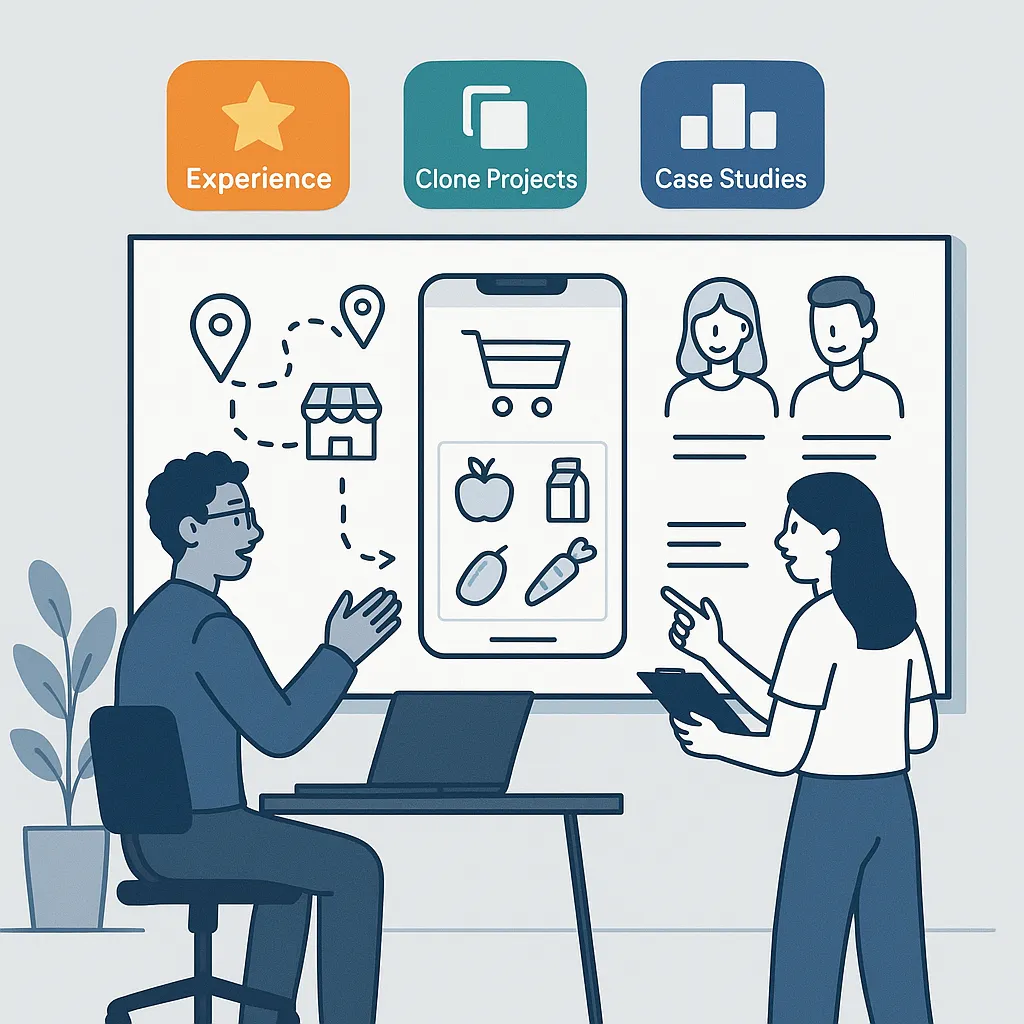
Look for Domain Expertise
Building a grocery delivery platform is very different from a generic eCommerce app. You need a team that’s walked this road before.
Past clone experience: Have they developed apps similar to AmazonFresh, Instacart, or BigBasket? Ask for demos or portfolios.
Understanding of logistics: A solid developer won’t just code — they’ll understand order batching, ETA algorithms, perishables handling, and zone-based delivery logic.
Business insight: The right team gets more than just features. They should understand shopper retention, vendor commissions, and real-time stock syncing.
Choosing a specialist over a generalist means faster development, fewer headaches, and a much stronger end product.
Tech Stack & Scalability
A grocery delivery app doesn’t stay small for long. You need a stack that can scale smoothly as orders grow.
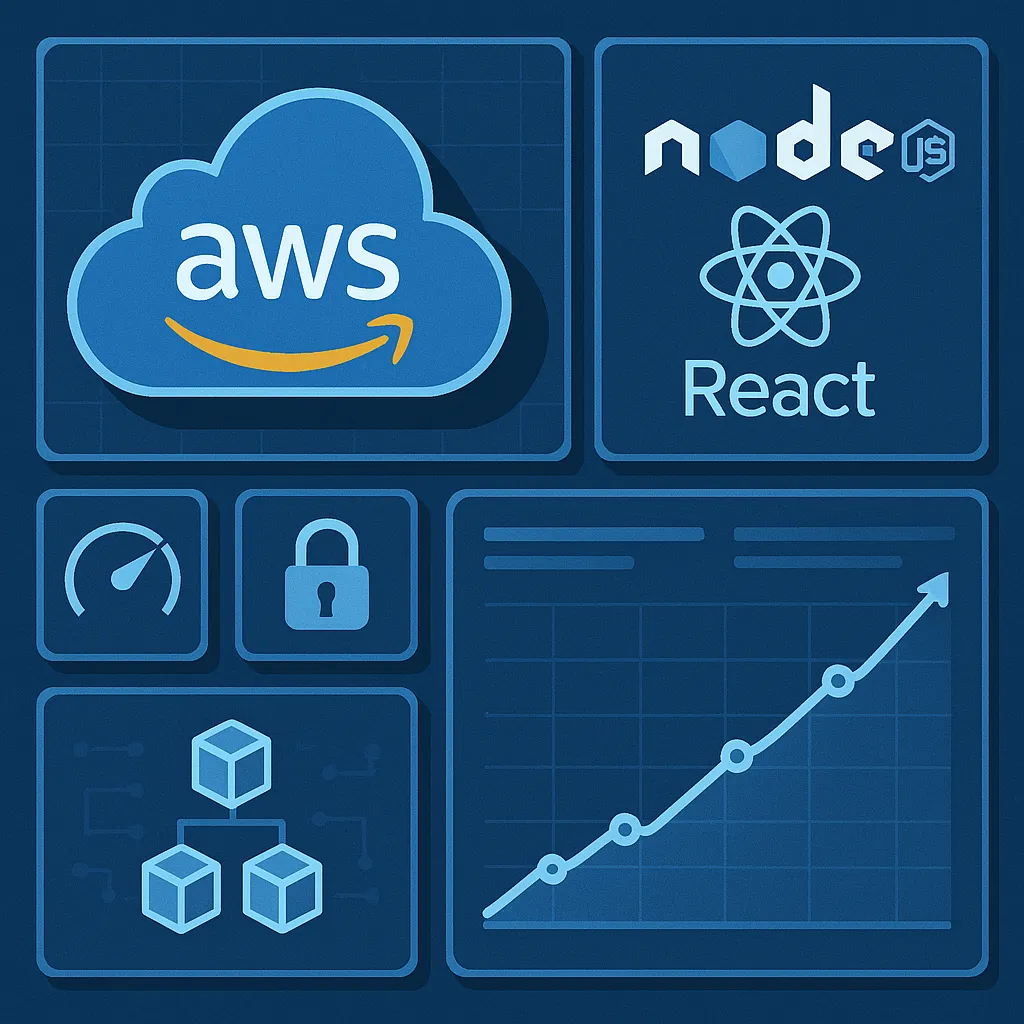
Modern tech foundation: Look for teams using proven frameworks like Node.js, React Native, Laravel, or Flutter — and reliable cloud infrastructure like AWS or Google Cloud.
Microservices architecture: Will the platform allow for future integrations like dark store logistics, AI recommendations, or IoT tracking?
Security-first mindset: Ensure the team implements data encryption, secure payment gateways, and GDPR-compliant data handling.
Performance optimization: App speed, image loading, and live updates need to be seamless — even during peak hours.
If they can’t speak to scalability and resilience from day one, they’re not the right team for the long run.
UI/UX Capabilities
Groceries are bought fast. Users want smooth searches, smart filters, and easy checkouts. Design matters more than you think.
User-first design: Ask how they ensure intuitive navigation — especially for older users or those new to grocery apps.
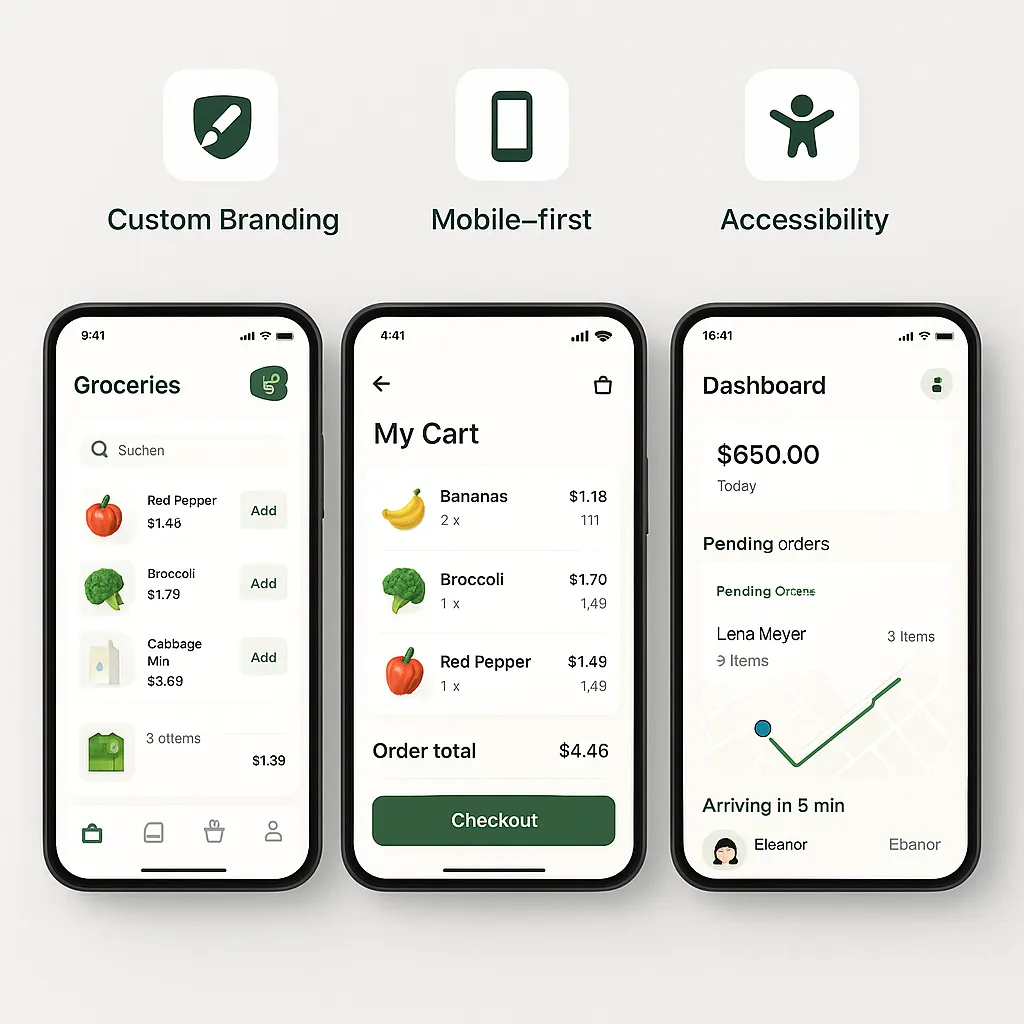
Custom branding: You’re not launching “another clone.” The developer should allow full flexibility to match your brand colors, logo, fonts, and flow.
Role-based dashboards: Delivery personnel, admin, store managers, and users all need tailored interfaces.
Mobile-first approach: The design must be optimized for mobile — where 90%+ of orders will likely come from.
Great UI/UX isn’t just eye candy — it’s what drives adoption and loyalty.
Communication & Workflow
Building a clone app is a collaborative process. If the workflow is unclear, the project can go sideways — fast.
Transparent communication: Will you be working directly with developers or stuck relaying info through salespeople?
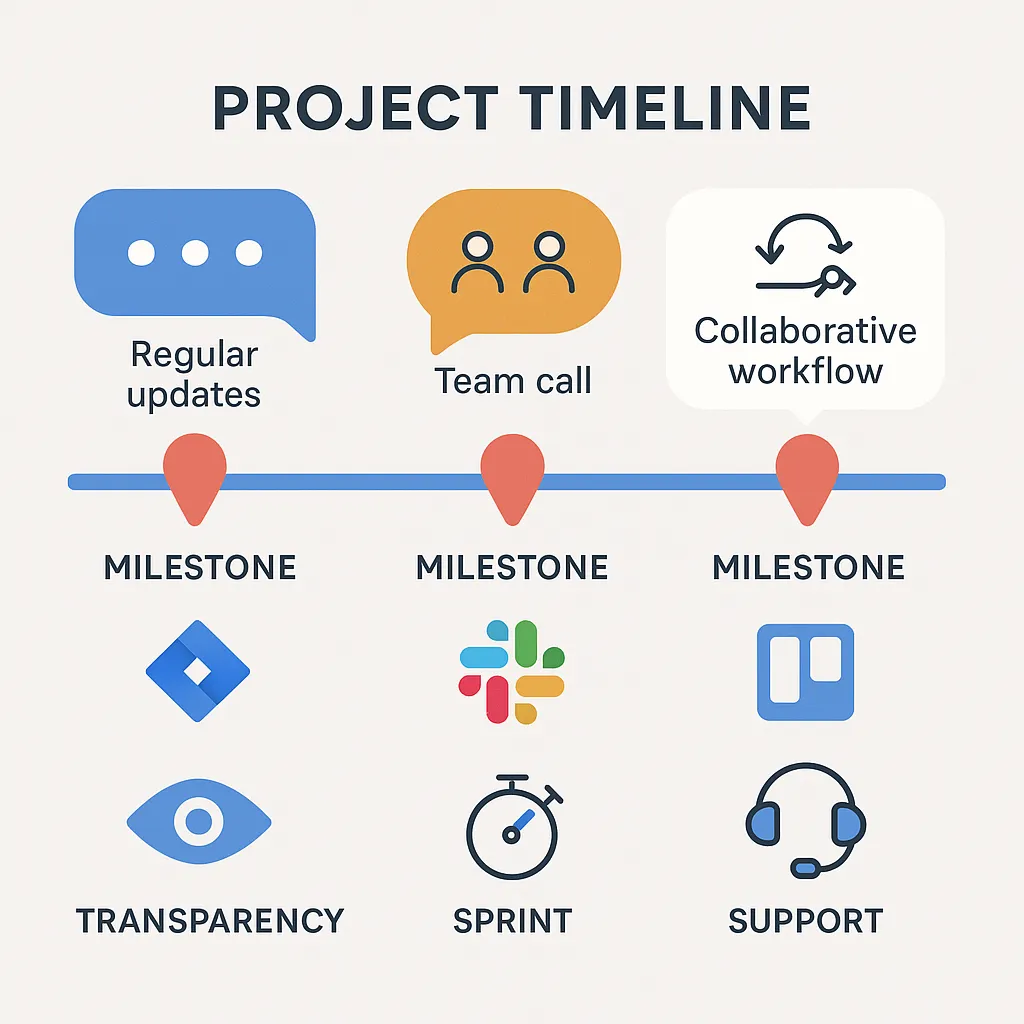
Clear project management: Do they use Jira, Trello, or ClickUp? Weekly updates, sprint reviews, and milestone tracking are a must.
Regular demos: A reliable team will show you progress builds — not just static designs.
Post-launch support: The real work often starts after go-live. Ensure the company offers bug fixes, scaling upgrades, and performance monitoring.
A responsive team is worth its weight in gold — especially when you hit launch week.
Pricing Models & Quality
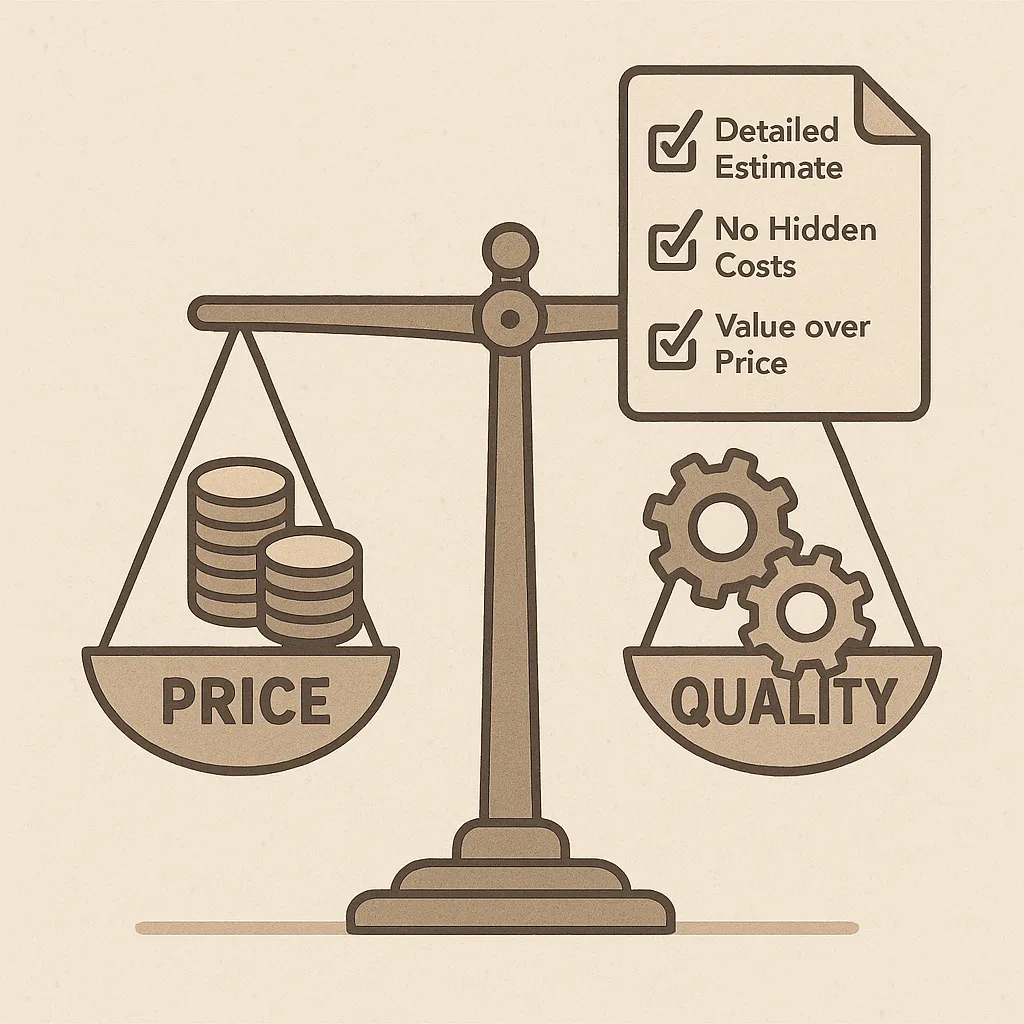
Sure, budget matters. But don’t fall into the trap of choosing the cheapest option.
What’s included? Ask if the quote covers backend, design, testing, and deployment. Some teams price only core dev work.
Breakdown clarity: You should get a line-by-line estimate — not a vague lump sum.
Beware of underpricing: If it sounds too cheap, it probably cuts corners on testing, QA, or future-proofing.
Factor in TCO: Hosting, maintenance, and feature rollouts all add up. Choose a partner who helps you plan for long-term costs.
The best development companies deliver more value — not just lower invoices.
Choose the Right Development Partner
Even with a well-thought-out plan, building an online grocery delivery platform comes with its own set of challenges — from real-time inventory and multi-zone logistics to seamless user experience. That’s why choosing the right AmazonFresh clone development company is crucial to getting it right the first time.
Look for a partner that offers:
Proven experience in grocery and delivery-based app development
A portfolio of scalable, real-time platforms with logistics integration
End-to-end services — from product strategy to post-launch maintenance
At Miracuves, we don’t just replicate features — we build future-ready grocery solutions designed for performance, scalability, and growth. You handle the business vision — we’ll take care of the technology.
Conclusion
Hiring the best AmazonFresh clone developer company is about more than ticking technical boxes. You need a team that brings domain expertise, a scalable tech stack, clean design, smart workflows, and fair pricing to the table. A partner who understands grocery eCommerce inside out — and can help you go from concept to live app without friction.
Frequently Asked Questions
Look for experience in grocery delivery apps, scalable technology, strong UI/UX skills, and transparent project communication.
With Miracuves, an AmazonFresh-style app starts at $2,899 and can be built and launched in 3–9 days only, including setup, testing, and deployment—depending on the features and integrations you choose.
Absolutely. A good clone developer will allow full customization — from branding to delivery logic to payment gateways.
Modern choices include React Native for mobile, Node.js or Laravel for backend, and cloud platforms like AWS or Firebase.
With Miracuves, an AmazonFresh-style app starts at $2,899 and can be built and launched in 3–9 days only, including setup, testing, and deployment—depending on the features and integrations you choose.