



How to Hire the Best Delivery Hero Clone Developer
Create a powerful, customizable streaming solution with Miracuves’ Delivery Hero Clone, equipped with high-performance features and next-gen technology.
Thinking about launching your own food or multi-delivery app like Delivery Hero? Great move. The on-demand delivery market is booming, and white-label clone solutions can get you to market faster — but only if you choose the right development team. This isn’t the time to experiment with just any dev agency. You need a company that understands the Delivery Hero model inside out — from logistics and real-time tracking to scalable cloud infrastructure.
In this guide, we’ll walk you through how to find and hire the best Delivery Hero clone developer — a team that can bring your idea to life with speed, reliability, and long-term growth in mind.
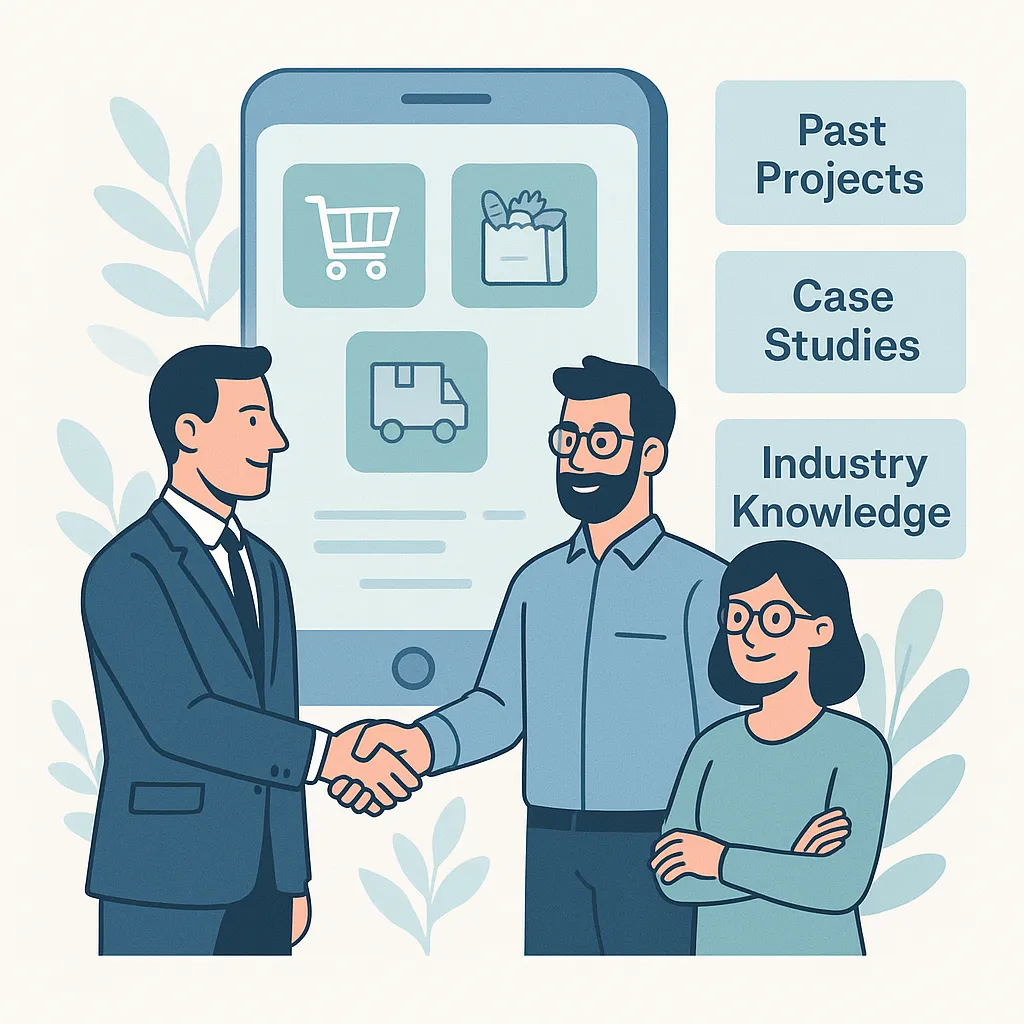
Look for Domain Expertise
Start with one simple question: Have they built this kind of app before? A Delivery Hero-style platform isn’t just a food delivery app. It includes real-time dispatching, order tracking, restaurant onboarding, driver management, and payment integrations. You want a company that’s already navigated these challenges.
What to check:
Case studies or demo apps that resemble the Delivery Hero model
Experience building multi-vendor delivery platforms (not just food apps)
Teams that understand region-specific logistics, such as multi-language and multi-currency support
A developer who understands delivery logic, customer retention flows, and marketplace dynamics will get your product right the first time — not after months of trial and error.
Tech Stack & Scalability
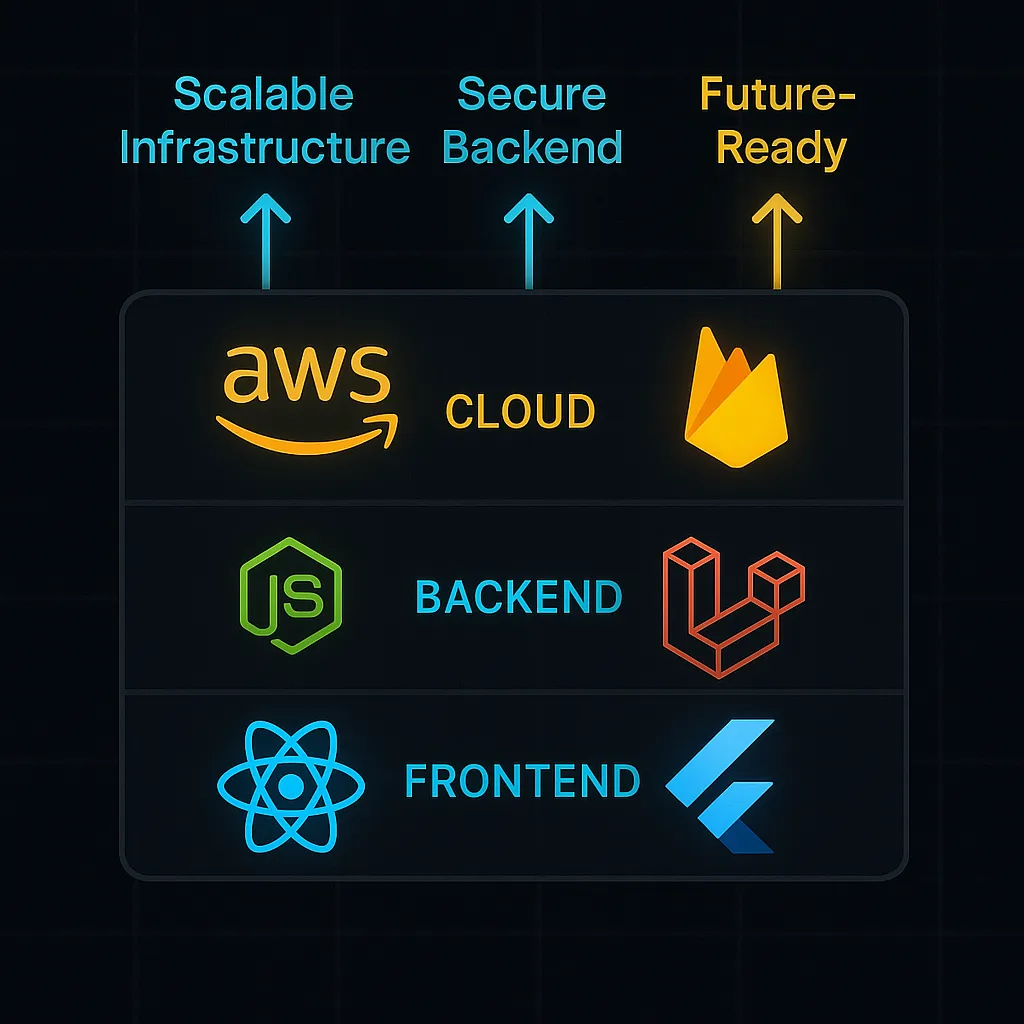
It’s not just about launching your MVP — it’s about planning for your future scale. A good Delivery Hero clone developer should use a modern, modular tech stack that supports updates and user growth without major rework.
Look for:
A microservices or modular architecture (so you can add new services like groceries, medicine, etc.)
Scalable backend technologies like Node.js, Laravel, or Python + cloud platforms like AWS, GCP, or Azure
Database structures that support real-time tracking and analytics
Security standards: data encryption, role-based access, and compliance features (especially if handling payment data)
You don’t want to outgrow your app six months in. Build for growth from day one.
UI/UX Capabilities
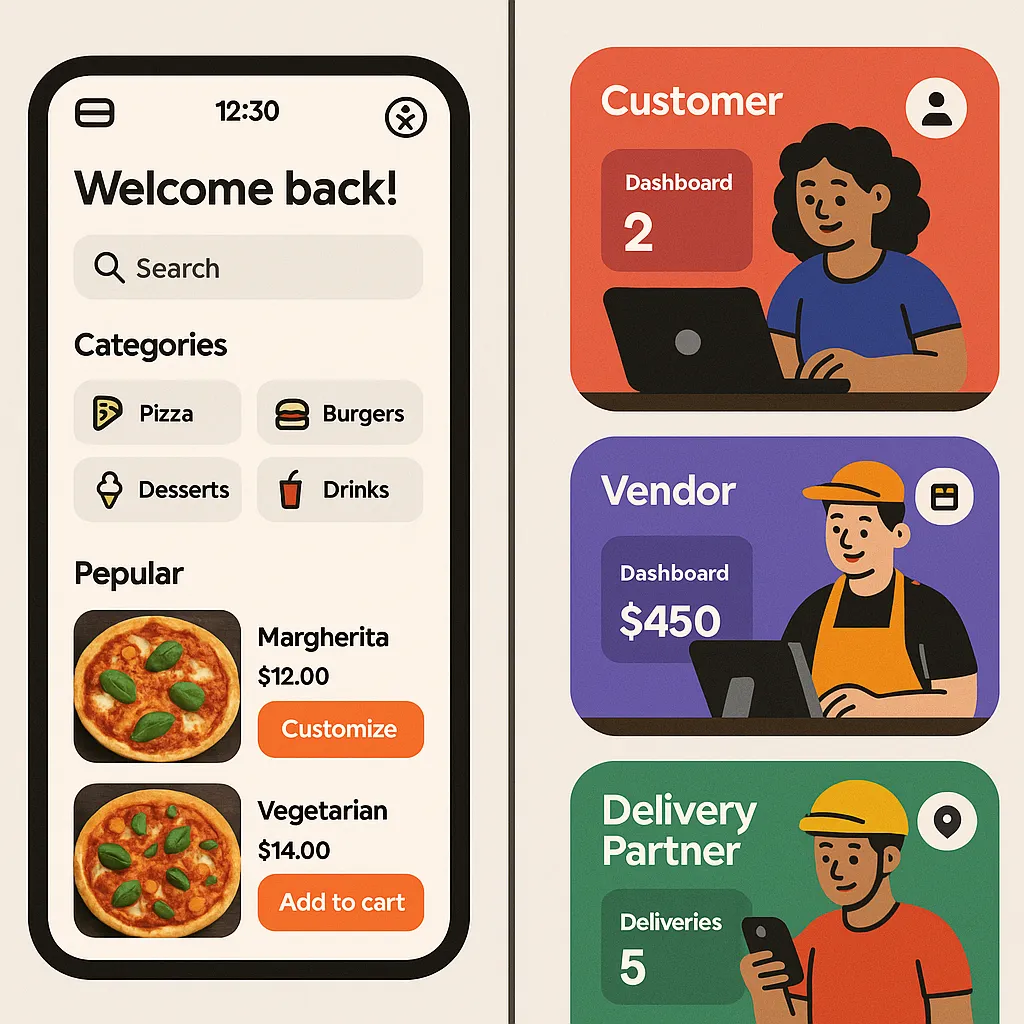
Your user interface isn’t just about looks — it’s about engagement, conversion, and retention. A good Delivery Hero clone should feel smooth and familiar but still uniquely yours.
Ask about:
Custom UI design tailored to your brand
Streamlined user flows for ordering, tracking, and reviewing
Role-specific dashboards for customers, vendors, and delivery personnel
Accessibility features and responsiveness across all devices
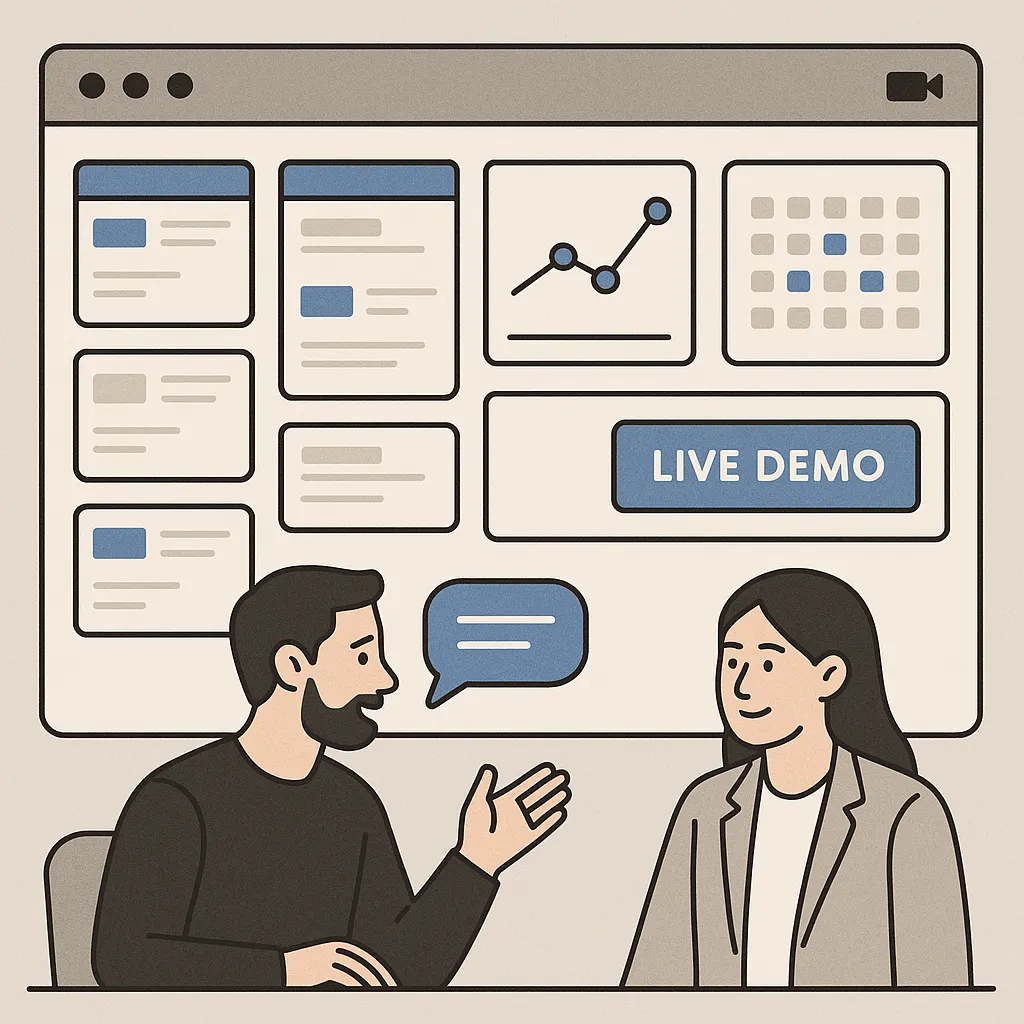
Bonus: Teams that offer clickable prototypes early in the process usually deliver better end products.
Communication & Workflow
A slick tech stack won’t matter if your development partner ghosts you mid-project. Communication is everything. So is knowing what happens after your app goes live.
Here’s what to look for:
Transparent project timelines and sprint cycles
Tools like Slack, Jira, or Trello to track progress and feedback
Regular updates, test builds, and milestone reviews
Ongoing support plans for bug fixes, server issues, or feature requests
Post-launch chaos can kill a great product. Choose a team that offers continuity — not just code.
Pricing Models & Quality
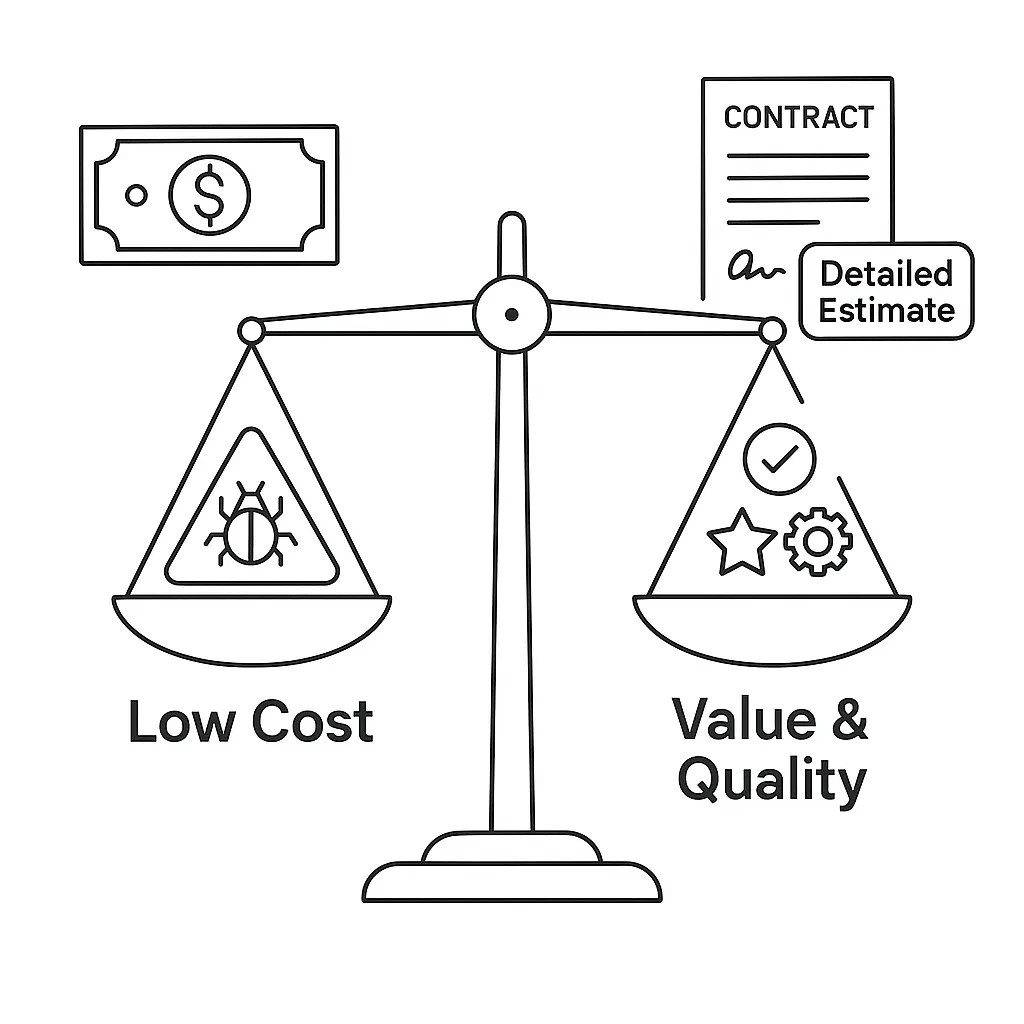
Yes, budget matters. But going with the cheapest team often means cutting corners on quality, support, or security.
Smart ways to evaluate pricing:
Ask what’s included: design, deployment, app store submissions, QA testing?
Request a feature-by-feature estimate (not just a vague total)
Watch for red flags like overpromising timelines or underbidding
Consider TCO (total cost of ownership): server fees, app updates, support costs
You’re not just paying for an app. You’re investing in a business tool — one that can generate serious ROI if done right.
Choose the Right Development Partner
Even with a solid business model, building an on-demand delivery app like Delivery Hero isn’t a plug-and-play task — it demands deep technical expertise and an understanding of the delivery ecosystem. Choosing the right Delivery Hero clone development partner can mean the difference between a clunky launch and a seamless, scalable rollout.
Look for a partner that offers:
Proven experience in on-demand delivery app development
A portfolio featuring high-performance, multi-vendor delivery platforms
Full-service capabilities — from requirement mapping to post-launch scaling and support
At Miracuves, we don’t just deliver clones — we create robust, scalable solutions designed to grow with your business. From real-time logistics and intuitive UI to secure payments and fleet management, we handle the tech so you can focus on operations, expansion, and user engagement. Let us help you build the next big name in the delivery space.
Conclusion
Hiring the best Delivery Hero clone developer isn’t about ticking boxes — it’s about finding a partner who gets your business, speaks your language, and can deliver a platform that’s robust, scalable, and built for success. Focus on domain experience, tech scalability, clean UI/UX, strong communication, and transparent pricing. Get that mix right, and you’re well on your way to launching a thriving delivery platform.
Frequently Asked Questions
It should cover user ordering, real-time tracking, delivery partner management, admin dashboards, payments, reviews, and multi-language/currency support.
With Miracuves, a Delivery Hero clone can be built and delivered in 3–9 days only, including setup, testing, and deployment—ready to launch fast.
Absolutely. A good development company will build a flexible backend that supports multiple verticals.
Most clones include iOS, Android, and web versions for users, along with dedicated apps or panels for admins and delivery agents.
The best ones do. Look for maintenance packages that include bug fixes, server monitoring, and future upgrades.