


You have heard the horror stories.
User data leaks. Payment breaches. Apps getting banned or fined because security was treated as an afterthought.
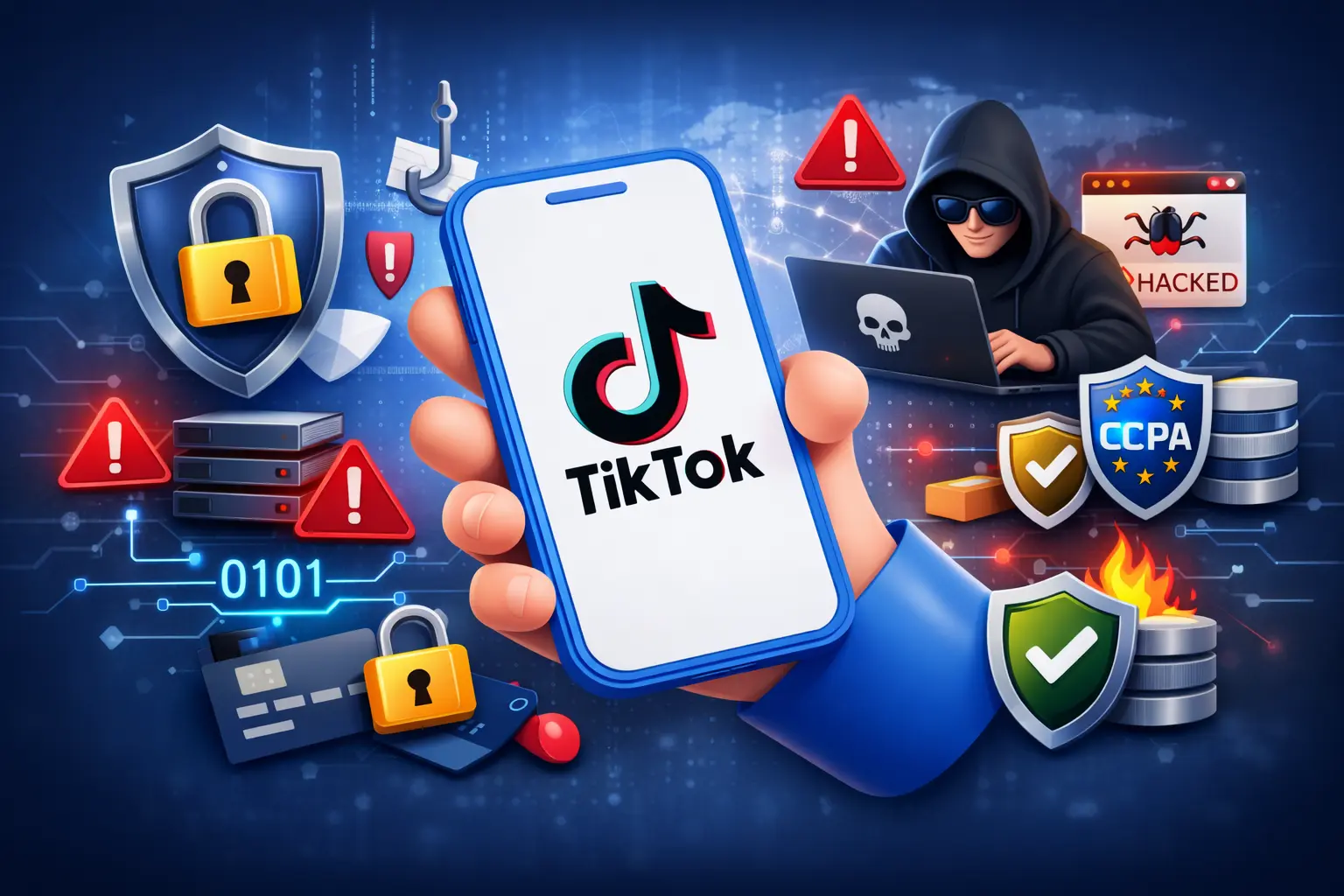
In 2026, launching a white-label TikTok app is not just about features or growth. It is about trust. Short-video apps handle massive volumes of personal data, creator content, behavioral analytics, and sometimes payments. One weak security layer can destroy a business overnight.
This is why safety matters more than ever in 2026. Governments are stricter, users are more aware, and platforms similar to TikTok are prime targets for cyberattacks, data scraping, and compliance violations.
In this guide, we will give you an honest, practical assessment of white-label TikTok app security. No fear-mongering. No false promises. Just real risks, real standards, and real solutions, including how Miracuves approaches security as a first-class priority.
Next, we will break down what white-label TikTok app security actually means and why so many businesses worry about it.
Understanding White-Label TikTok App Security Landscape
What White-Label TikTok App Security Really Means
White-label TikTok app security refers to how safely the core platform, infrastructure, and data flows are designed before you brand and launch the app. In 2026, security is not something you “add later.” It is embedded into the app architecture, backend systems, APIs, and cloud infrastructure from day one.
A secure white-label TikTok app means the provider controls how user data is stored, how videos are processed, how APIs communicate, and how access is restricted internally and externally.
Common Security Myths vs Reality
Many businesses believe white-label apps are inherently unsafe. This is a myth. In reality, poorly built custom apps are often more vulnerable than professionally developed white-label platforms.
The real risk is not white-label technology itself. The risk lies in providers who cut corners on security, compliance, and maintenance to offer cheaper pricing.
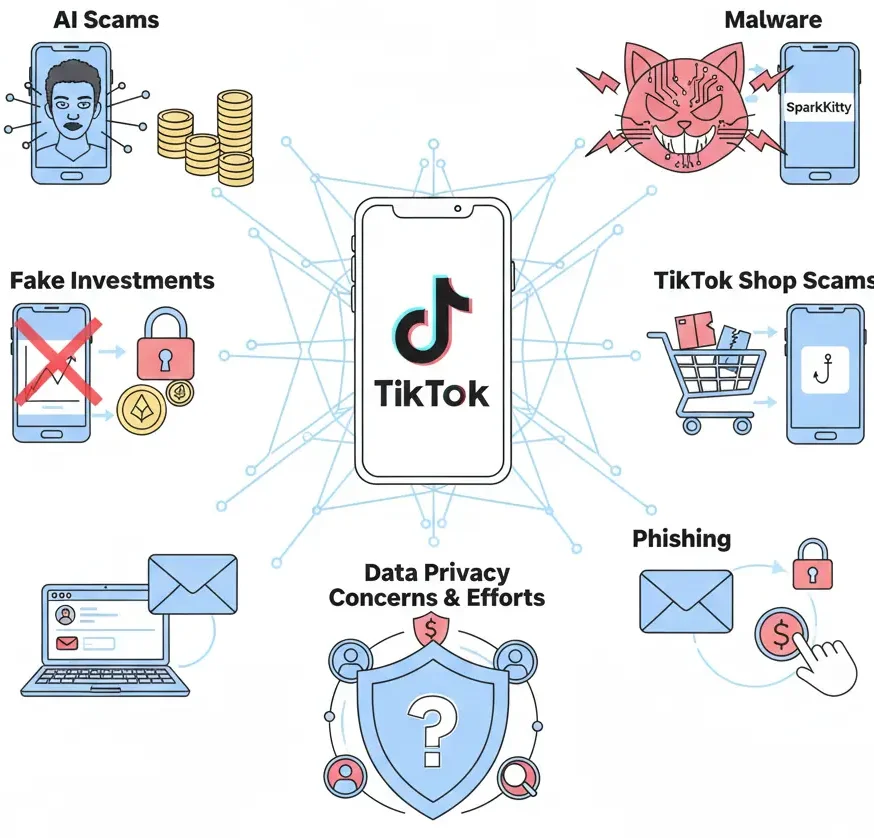
Why Businesses Worry About White-Label TikTok Apps
Short-video platforms attract higher scrutiny because they handle:
- Personal user profiles
- Behavioral data and watch patterns
- Creator-generated content
- Moderation and reporting data
- Sometimes in-app purchases or advertising payments
In 2026, regulators and app stores actively monitor how such data is handled, making security failures costly.
Current Threat Landscape for TikTok-Style Apps
White-label TikTok apps face real and active threats, including:
- Account takeovers through weak authentication
- API abuse and scraping of public videos
- Unauthorized access to private user data
- Cloud misconfigurations exposing media files
- Injection attacks through poorly validated inputs
Video-based platforms are especially attractive to attackers because of high traffic volumes and valuable user insights.
Security Standards That Matter in 2026
Modern white-label TikTok apps must align with global security expectations such as:
- Zero-trust architecture
- Secure-by-design development practices
- Cloud security hardening
- Continuous monitoring instead of one-time audits
Security in 2026 is ongoing, not a one-time setup.
Real-World App Security Statistics
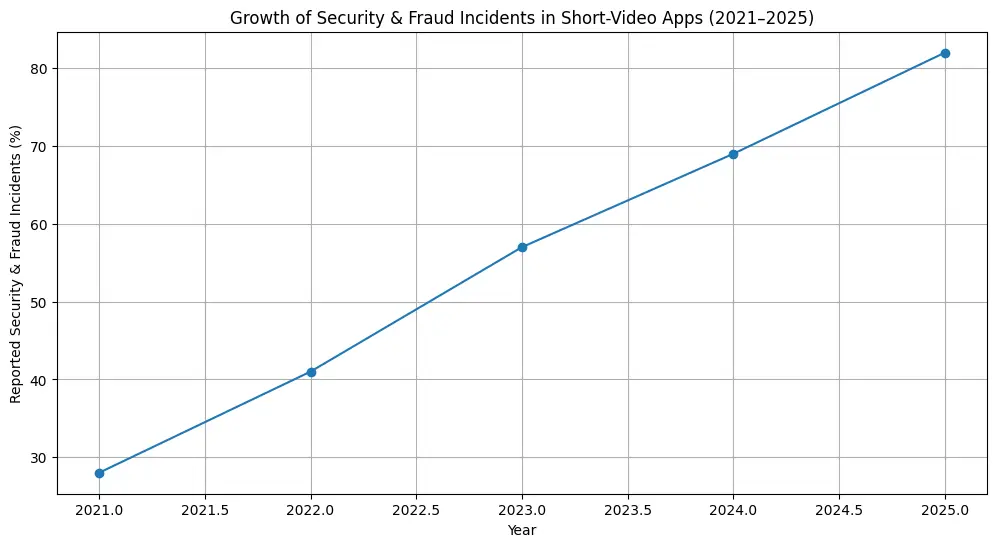
Industry reports in 2026 show that:
- Over 60 percent of app breaches originate from insecure APIs
- Nearly half of mobile app attacks target social and content platforms
- Data exposure incidents often go undetected for months without monitoring
These numbers explain why white-label TikTok app security is no longer optional.
Read more : – TikTok Features Explained for Startups and Creators
Key Security Risks & How to Identify Them
High-Risk Area 1: Data Protection and Privacy
User Personal Information
A white-label TikTok app collects names, emails, phone numbers, profile photos, device identifiers, and usage behavior. In 2026, any leakage of this data can lead to regulatory action and permanent trust loss.
Payment Data Security
If your app supports creator monetization, ads, or in-app purchases, payment data must never touch insecure servers. PCI DSS compliance is mandatory in 2026 for any payment flow.
Location Tracking Concerns
Many short-video apps collect location data for recommendations and ads. Improper handling of this data is one of the fastest ways to violate GDPR and regional privacy laws.
GDPR and CCPA Compliance
A secure white-label TikTok app must support consent management, data access requests, and the right to be forgotten. Missing these controls is a major compliance red flag.
High-Risk Area 2: Technical Vulnerabilities
Code Quality Issues
Poorly written code leads to logic flaws, exposed endpoints, and insecure data handling. In 2026, automated scanners quickly identify such weaknesses.
Server and Cloud Security Gaps
Misconfigured cloud storage, open ports, or weak access controls can expose video files and user data publicly.
API Vulnerabilities
APIs power feeds, uploads, likes, and comments. Insecure APIs are the most common attack vector for TikTok-style apps.
Third-Party Integrations
Analytics, ad networks, and media processing tools can introduce risk if they are not carefully vetted and isolated.
High-Risk Area 3: Business and Operational Risks
Legal Liability
Data breaches can trigger lawsuits, fines, and app store takedowns in 2026.
Reputation Damage
For social apps, trust once lost is almost impossible to rebuild.
Financial Losses
Incident response, legal fees, refunds, and downtime can cost far more than proper security investment.
Regulatory Penalties
GDPR and similar laws impose heavy penalties for negligence, even on startups.
White-Label TikTok App Security Risk Assessment Checklist
- Is all user data encrypted at rest and in transit?
- Are APIs authenticated and rate-limited?
- Is cloud storage private by default?
- Are third-party services security reviewed?
- Is there a documented incident response plan?
Read more : – Business Model of TikTok : Revenue Streams and Strategy
Security Standards Your White-Label TikTok App Must Meet
Essential Security Certifications in 2026
ISO 27001 Compliance
ISO 27001 ensures that the provider follows a structured information security management system. For a white-label TikTok app, this means controlled access, documented processes, and continuous risk assessment.
SOC 2 Type II
SOC 2 Type II verifies how securely systems operate over time. In 2026, serious app businesses expect evidence of ongoing security controls, not just one-time checks.
GDPR Compliance
GDPR applies if your app serves users in Europe. A compliant white-label TikTok app must support consent tracking, data export, deletion, and breach notification timelines.
HIPAA (If Applicable)
If your TikTok-style app handles health-related content or data, HIPAA-level safeguards may be required in certain regions.
PCI DSS for Payments
Any app processing payments must comply with PCI DSS standards to protect cardholder data.
Technical Security Requirements for TikTok-Style Apps
End-to-End Encryption
All data, including videos, messages, and metadata, must be encrypted during transmission and storage.
Secure Authentication
Modern white-label TikTok apps in 2026 must support secure login methods such as OAuth, token-based authentication, and optional two-factor authentication.
Regular Security Audits
Independent audits help identify vulnerabilities before attackers do.
Penetration Testing
Simulated attacks reveal real-world weaknesses in APIs, mobile apps, and backend systems.
SSL and Secure Communication
Every data exchange must be protected with valid SSL certificates and modern encryption standards.
Secure API Design
APIs must enforce authentication, authorization, and strict input validation.
Security Standards Comparison Overview
A secure white-label TikTok app aligns technical controls, compliance certifications, and operational processes together. Missing even one layer creates avoidable risk in 2026.
Red Flags: How to Spot Unsafe White-Label App Providers
Warning Signs You Should Never Ignore
No Security Documentation
If a provider cannot clearly explain how data is protected, where it is stored, and who has access, that is a major red flag in 2026.
Unusually Cheap Pricing Without Explanation
Security infrastructure costs money. Extremely low prices often mean skipped audits, weak servers, or outdated security practices.
No Compliance Certifications
Providers that dismiss ISO, SOC 2, or GDPR requirements are exposing your business to legal and operational risk.
Outdated Technology Stack
Old frameworks and unsupported libraries increase vulnerability to known exploits.
Poor Code Quality
Messy, undocumented code makes security auditing and patching difficult.
No Security Update Policy
In 2026, apps must be updated continuously. No update plan means growing risk over time.
Lack of Data Backup Systems
Without encrypted backups, recovery after an incident becomes slow or impossible.
No Insurance Coverage
Professional providers carry cyber liability insurance to protect clients in case of incidents.
White-Label TikTok App Provider Evaluation Checklist
Questions to Ask
- How often do you conduct security audits?
- What compliance standards do you follow in 2026?
- How do you handle security incidents and breach reporting?
Documents to Request
- Security architecture overview
- Compliance certificates
- Data protection and privacy policies
Testing and Due Diligence
- Request penetration testing reports
- Review API security measures
- Validate backup and disaster recovery plans
Read more : – Reasons startup choose our Tiktok clone over custom development
Best Practices for Secure White-Label TikTok App Implementation
Pre-Launch Security Best Practices
Comprehensive Security Audit
Before launch, a white-label TikTok app must undergo a full security audit covering mobile apps, backend systems, APIs, and cloud infrastructure. In 2026, skipping this step is one of the biggest mistakes businesses make.
Code Review and Validation
Source code should be reviewed for logic flaws, insecure data handling, and outdated dependencies. Clean, well-documented code reduces long-term security risk.
Infrastructure Hardening
Servers, databases, and cloud storage must be locked down with strict access controls, firewalls, and role-based permissions.
Compliance Verification
Before going live, verify GDPR, CCPA, and payment compliance based on your target regions in 2026.
Internal Team Training
Even the most secure app can fail due to human error. Teams must be trained on access control, data handling, and incident reporting procedures.
Post-Launch Security Monitoring
Continuous Security Monitoring
In 2026, security is not a one-time task. Real-time monitoring helps detect suspicious behavior, unusual traffic, and unauthorized access early.
Regular Updates and Patch Management
Security vulnerabilities evolve constantly. A secure white-label TikTok app receives frequent updates to fix newly discovered issues.
Incident Response Planning
Clear protocols should exist for identifying, containing, and reporting security incidents within legally required timelines.
User Data Lifecycle Management
Data must be collected minimally, stored securely, and deleted responsibly when no longer required.
Backup and Recovery Systems
Encrypted, automated backups ensure business continuity even in worst-case scenarios.
Security Implementation Timeline
A strong implementation approach in 2026 follows a clear timeline: audit first, secure infrastructure next, compliance verification before launch, and continuous monitoring after launch.
Legal and Compliance Considerations for White-Label TikTok Apps
Regulatory Requirements in 2026
Global Data Protection Laws
White-label TikTok apps must comply with regional data protection laws based on where users are located. GDPR applies in Europe, CCPA and CPRA in the United States, and similar privacy laws are active across Asia and other regions in 2026.
Industry-Specific Regulations
If your app includes advertising, payments, or creator monetization, additional financial and consumer protection regulations may apply.
User Consent Management
Consent must be explicit, traceable, and revocable. Secure consent management is a legal requirement, not a feature add-on.
Privacy Policy and Transparency
Privacy policies must clearly explain what data is collected, how it is used, and how long it is stored. In 2026, vague policies invite scrutiny.
Terms of Service Essentials
Clear rules on content ownership, moderation, and user responsibilities protect both the platform and its users.
Liability and Risk Protection
Cyber Insurance Requirements
Cyber liability insurance helps cover legal fees, regulatory fines, and recovery costs after incidents.
Legal Disclaimers and User Agreements
Well-drafted agreements limit exposure by defining responsibilities between the platform, users, and service providers.
Incident Reporting Protocols
Most regulations in 2026 require breaches to be reported within strict timelines. Delays can increase penalties.
Ongoing Compliance Monitoring
Compliance is continuous. Laws evolve, and platforms must adapt proactively.
Compliance Checklist by Region
A compliant white-label TikTok app aligns data storage, consent, and reporting mechanisms with regional regulations where users are active.
Why Miracuves White-Label TikTok App Is Your Safest Choice
Security-First Architecture Built for 2026
Miracuves designs every white-label TikTok app with security embedded at the architecture level. Instead of adding protection later, security controls are integrated into data flows, APIs, cloud infrastructure, and access management from day one.
Enterprise-Grade Compliance Standards
Miracuves follows globally accepted security and compliance frameworks required in 2026. This ensures businesses can launch confidently across multiple regions without legal uncertainty.
Continuous Security Monitoring
Security threats evolve daily. Miracuves operates continuous monitoring systems that detect abnormal behavior, unauthorized access, and potential breaches in real time.
Encrypted Data Handling
All user data, video content, and metadata are encrypted during transmission and storage. This protects creators, viewers, and business owners alike.
Secure Payment and Monetization Systems
For apps supporting ads, subscriptions, or creator payouts, Miracuves ensures PCI DSS–aligned payment handling without exposing sensitive financial data.
Regular Updates and Patch Management
Miracuves provides ongoing security updates to protect against newly discovered vulnerabilities, keeping your white-label TikTok app safe throughout its lifecycle in 2026.
Risk Mitigation and Insurance Coverage
Enterprise-level risk management practices and insurance coverage add an extra layer of protection for businesses operating at scale.
Why Businesses Trust Miracuves
With more than 600 successful projects delivered, Miracuves has maintained a strong security record with zero major reported breaches. This trust is built through transparency, audits, and proactive security management.
Final Thought
Do not compromise on security. Miracuves white-label TikTok app solutions come with enterprise-grade protection built for 2026. Get a free security assessment and see why businesses choose Miracuves for safe, compliant short-video platforms.
Launching a white-label TikTok app in 2026 is not risky by default. The real risk comes from choosing the wrong provider or ignoring security responsibilities. With the right standards, monitoring, and compliance-first approach, a white-label app can be just as secure as enterprise platforms. Security is not a feature. It is the foundation.
FAQs
1. How secure is a white-label TikTok app compared to custom development?
A white-label TikTok app can be equally or more secure in 2026 if it is built with standardized security frameworks, audited infrastructure, and continuous monitoring. Poorly built custom apps often miss these controls.
2. What happens if there is a security breach?
In 2026, breaches must be reported within legal timelines. A secure provider has an incident response plan, containment process, and regulatory reporting workflow already in place.
3. Who is responsible for security updates?
The white-label app provider is responsible for core security updates, while the business owner must follow recommended configurations and operational practices.
4. How is user data protected in a white-label TikTok app?
User data is protected through encryption, access controls, secure APIs, and compliance-driven data handling policies aligned with 2026 regulations.
5. What compliance certifications should I look for?
ISO 27001, SOC 2 Type II, GDPR compliance, and PCI DSS for payments are essential for a white-label TikTok app in 2026.
6. Can a white-label TikTok app meet enterprise security standards?
Yes. When built with enterprise-grade architecture, audits, and monitoring, white-label TikTok apps can meet or exceed enterprise security expectations in 2026.
7. How often should security audits be conducted?
Security audits should be conducted at least annually, with continuous monitoring and periodic penetration testing throughout the year.
8. What is included in Miracuves’ security package?
Miracuves provides secure architecture, compliance readiness, encrypted data handling, continuous monitoring, regular updates, and risk mitigation support.
9. How do you handle security across different countries?
Miracuves aligns data storage, consent management, and reporting processes with regional laws to ensure global compliance in 2026.
10. What insurance is needed for app security?
Cyber liability insurance is recommended to cover legal, regulatory, and recovery costs associated with security incidents in 2026.
Related Articles :