


Finding the right job or the right candidate has always been a challenge. Traditional recruitment often takes weeks, piles of resumes, and endless calls. Job portal apps have changed all that. They bring employers and job seekers together on a single platform — simplifying the entire hiring process from search to selection.
Apps like Indeed, LinkedIn Jobs, and Naukri have transformed how companies hire and how professionals find opportunities. Whether it’s a small startup or a global enterprise, digital job portals make recruitment faster, smarter, and more efficient.
By the end of this article, you’ll understand how job portal apps work, their revenue models, the technology behind them, and how you can create your own full-featured job platform with Miracuves’ Job Portal App Solution — launched in 6 Days guaranteed delivery.
What is a Job Portal App? The Simple Explanation
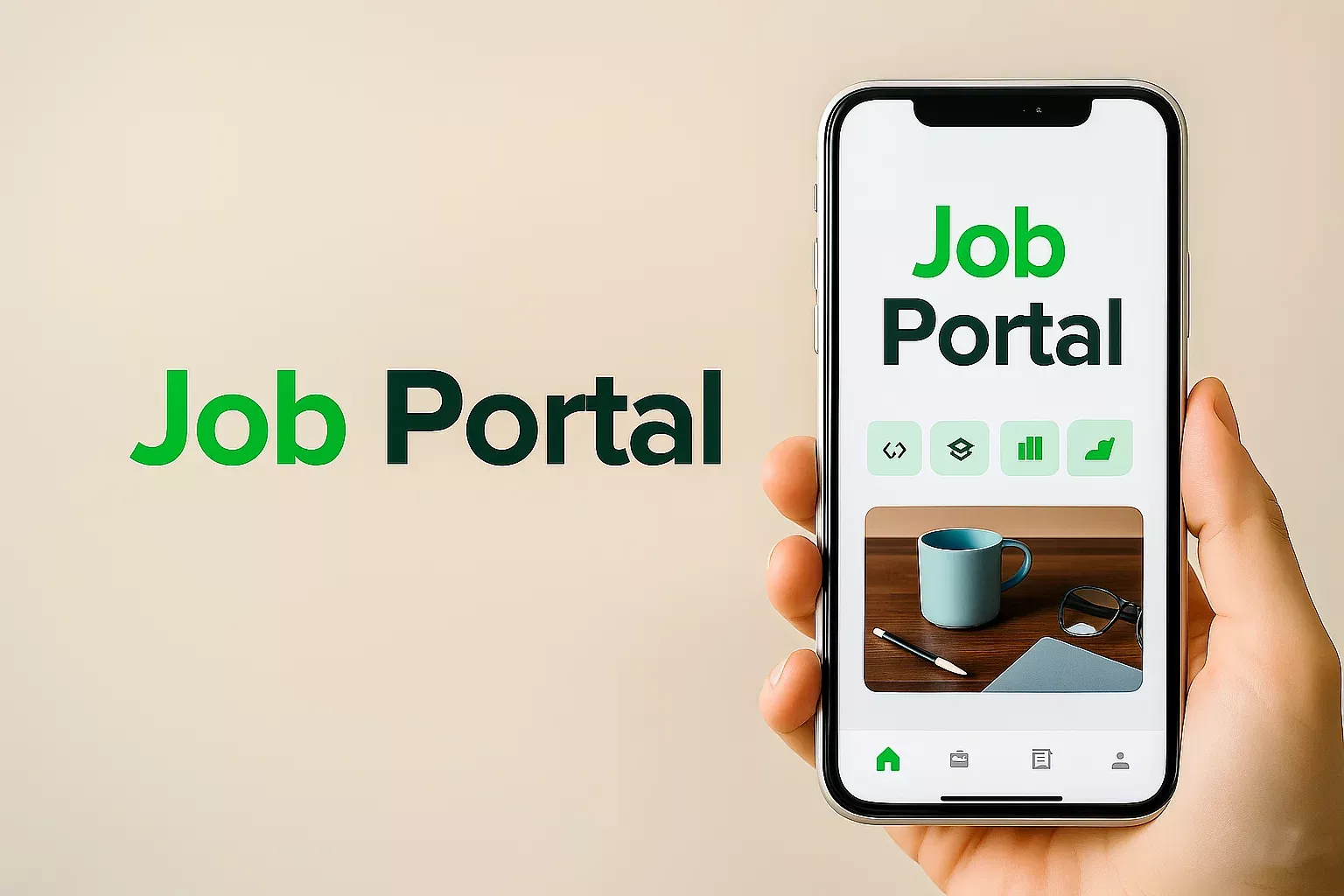
A Job Portal App is a digital platform that connects job seekers with employers. It allows candidates to browse and apply for jobs, while companies can post vacancies, shortlist applicants, and manage recruitment — all from one place.
The core problem these apps solve is hiring inefficiency. Before job portals, recruitment involved manual screening, newspaper ads, and long interview pipelines. Job portal apps streamline this by automating searches, enabling real-time communication, and offering smart recommendations that match candidates to jobs instantly.
These apps cater to multiple user types:
- Job Seekers: Fresh graduates, experienced professionals, and freelancers looking for new opportunities.
- Employers: Startups, recruitment agencies, and large enterprises needing qualified candidates.
- Administrators: Platform owners who manage listings, subscriptions, and revenue operations.
As of 2025, global job portals serve hundreds of millions of users monthly. Apps like LinkedIn Jobs, Indeed, and Monster process millions of applications daily — helping companies fill positions 50% faster than traditional hiring methods.
The success of a job portal app lies in its ability to simplify hiring, personalize results through AI, and build trust with verified listings and candidates.

How Does a Job Portal App Work? Step-by-Step Breakdown
A Job Portal App acts as a bridge between employers and job seekers, automating every step of the recruitment process — from job posting to final selection. The platform ensures that candidates find relevant opportunities while employers can efficiently identify the right talent.
For Job Seekers
- Account Creation and Profile Setup
Users create an account and build a profile by adding education, skills, experience, and resume details. AI-based systems may automatically score and suggest improvements. - Job Search and Filters
Candidates browse available jobs using advanced filters such as location, salary, experience level, and job type. The app’s AI recommends roles based on the user’s profile and activity. - Application and Tracking
With one tap, candidates can apply to multiple positions and track application statuses in real time through the dashboard. - Notifications and Interview Scheduling
The app sends automated updates for new openings, application progress, and interview requests. Some platforms integrate video interview modules for remote hiring.
For Employers
- Company Registration and Job Posting
Employers create company profiles, verify credentials, and post job listings with detailed descriptions, qualifications, and salary ranges. - Candidate Screening
AI-driven tools automatically shortlist applicants by matching resumes with job requirements, reducing manual screening effort. - Communication and Collaboration
Employers can chat or video-call candidates directly within the app to conduct interviews and negotiate offers. - Hiring and Feedback
Once a position is filled, employers can provide feedback or ratings, helping future applicants better understand company expectations.
Technical Overview (Simplified)
A job portal app typically runs on a multi-sided architecture, connecting job seekers, employers, and administrators. It integrates AI-powered matching, real-time notifications, and secure data management to ensure smooth operations and user trust.
Job Portal App’s Business Model Explained
Job portal apps operate on a multi-revenue marketplace model, where both employers and job seekers contribute to monetization — either directly through subscriptions or indirectly through advertising and featured listings. The goal is to create value for all users while generating consistent income streams for the platform owner.
Revenue Streams
1. Employer Subscriptions
Companies pay for premium access to post multiple job listings, view unlimited candidate profiles, and use advanced screening tools. Plans may be monthly, quarterly, or annual.
2. Featured Job Listings
Employers can promote specific job posts for greater visibility. These “featured listings” appear at the top of search results or highlighted in users’ dashboards.
3. Resume Database Access
Some job portals charge recruiters for access to a large pool of resumes, filtered by skill, experience, and location.
4. Advertising and Sponsored Content
Brands and training institutes can pay for ads or sponsored career courses displayed within the app.
5. Candidate Premium Plans
Job seekers can subscribe to premium memberships that include resume writing services, career coaching, and priority application visibility.
6. Commission on Successful Hiring
In some cases, platforms take a small fee from employers for each successful hire facilitated through the app.
7. API & SaaS Integration Services
Larger companies may use paid integrations to connect their HR software or Applicant Tracking Systems (ATS) directly with the job portal API.
Pricing Overview (2025 Snapshot)
| Revenue Source | Example Pricing | Description |
|---|---|---|
| Employer Subscription | $99–$499/month | Post multiple jobs and access resumes |
| Featured Listings | $10–$50 per post | Highlighted visibility for faster hiring |
| Resume Access | $199/month | Unlimited resume downloads |
| Candidate Premium | $19.99/month | Advanced tools and faster visibility |
| Ads & Promotions | Custom pricing | Based on impressions and region |
Market and Growth
The global online recruitment market surpassed $35 billion in 2025 and is projected to grow by 7% annually. Leading players like Indeed, LinkedIn Jobs, and Naukri dominate, but there’s rapid growth in regional and niche platforms focused on startups, healthcare, or tech hiring.
Why the Model Works
This business model thrives because it aligns incentives: employers gain faster access to qualified talent, while candidates enjoy visibility and career support. The platform earns consistent revenue while improving user experience through automation and trust.
Key Features That Make Job Portal Apps Successful
A great job portal app focuses on speed, personalization, and trust. By combining smart technology and user-friendly design, it simplifies how people search for jobs and how employers discover candidates.
1. Smart Search and Filters
Advanced filters help job seekers find the most relevant jobs quickly — by role, location, experience level, salary, or skills.
2. AI-Powered Job Recommendations
Machine learning algorithms analyze user behavior and resume data to suggest the best-fitting job opportunities automatically.
3. Resume Builder and Profile Scoring
Many job portal apps include AI-assisted resume creation tools and profile scoring to help users optimize their applications.
4. Real-Time Notifications
Push notifications alert users instantly about new job matches, application updates, or interview requests.
5. Secure Employer Verification
Only verified employers can post jobs, reducing spam and fake listings — a major trust factor for users.
6. Candidate Tracking System (ATS)
Employers can manage all applicants through a single dashboard, filter candidates, and monitor progress in real time.
7. Communication Tools
In-app messaging and video call options simplify coordination between employers and job seekers.
8. Application Analytics
Job seekers can view how many people applied, their chances of selection, and whether recruiters have viewed their profiles.
9. Multi-Language and Regional Support
Localization helps users from different regions access jobs in their preferred language and currency.
10. Subscription and Payment Integration
The platform supports secure payment gateways for premium listings, candidate services, and company subscriptions.

These features make job portal apps not only functional but also scalable — ensuring smooth hiring cycles for employers and empowering users to find better opportunities faster.
Reas Also :- Best Job Portal Clone Scripts in 2025: Features & Pricing Compared
The Technology Behind Job Portal Apps
Modern job portal apps are powered by AI-driven architecture, real-time systems, and cloud scalability to handle millions of users and listings seamlessly. The tech stack ensures fast searches, secure data handling, and accurate matchmaking between candidates and employers.
Tech Stack Overview
Frontend:
Built with React.js or Next.js for smooth, dynamic interfaces that support instant filtering, live search results, and responsive layouts across devices. Mobile apps often use Flutter or React Native for cross-platform deployment.
Backend:
Most job portals use Node.js, Python (Django), or Java Spring Boot frameworks with a microservices architecture. Each component — job posting, search, payments, and notifications — functions independently for high scalability.
Database & Storage:
- PostgreSQL/MySQL for user and job data
- Elasticsearch for fast job searches and ranking
- Redis for caching and session management
- AWS S3 or Google Cloud Storage for resumes and media uploads
AI and Machine Learning:
AI plays a major role in modern job portals by:
- Matching resumes with job requirements
- Ranking candidates based on profile strength
- Recommending relevant jobs to users
- Detecting spam or duplicate job postings
Cloud Infrastructure:
Hosted on AWS, Google Cloud, or Azure, with Kubernetes for containerized deployments and global load balancing.
Security:
Data is encrypted using AES-256 standards. Two-factor authentication, GDPR compliance, and SSL certificates ensure user privacy and safe transactions.
Integrations:
Job portal apps often integrate with:
- LinkedIn APIs for profile imports
- Google Jobs Schema for SEO visibility
- Stripe/PayPal for payment handling
- CRM and HRMS tools for enterprise hiring workflows
Why This Tech Matters
The combination of AI, automation, and secure cloud hosting enables job portals to handle massive data volumes while ensuring personalized results and reliability. These technologies keep hiring fast, accurate, and globally scalable — the core of why modern recruitment platforms thrive.
Job Portal App’s Impact and Market Opportunity
Job portal apps have redefined the global hiring ecosystem by making job searching and recruitment instant, transparent, and data-driven. They’ve become essential tools for employers, HR agencies, and professionals worldwide — connecting millions of opportunities with qualified talent every day.
Industry Impact
Job portal apps eliminated geographical barriers and manual hiring delays. They brought structure to the unorganized job market, helping companies of all sizes tap into global talent pools. For job seekers, they opened access to career opportunities that were once limited by location or personal networks.
Apps like LinkedIn Jobs, Indeed, and Naukri now handle millions of applications daily, proving how powerful digital recruitment has become. For recruiters, the automation of screening, filtering, and communication saves significant time and cost — improving hiring efficiency by up to 60%.
Market Statistics (2025 Snapshot)
- Global job portal market value: $35 billion+
- Expected annual growth rate: 7.2% CAGR (2025–2030)
- Average hiring cost reduction: 40–60% via job apps
- Average hiring time: 10–15 days (down from 40+ days)
- Top user regions: North America, India, Europe, and Southeast Asia
- Popular industries: IT, Healthcare, Marketing, Design, Finance, and Education
Economic and Social Impact
- Empowering Job Seekers: Candidates gain access to verified opportunities and remote work options, increasing employment rates in developing economies.
- Helping Employers Scale Fast: Companies can fill critical positions faster using AI-based recruitment tools and instant applications.
- Bridging the Skill Gap: Integrated learning and assessment features encourage users to upskill, aligning talent with industry needs.
Geographic Reach
Most job portals operate globally, but regional marketplaces (like Naukri in India, Bayt in the Middle East, and JobStreet in Asia) show strong growth. Localized apps that use native language support and local payment integrations are increasingly popular.
Future Growth and Projections
- AI-driven skill mapping and job suggestions will dominate recruitment.
- Blockchain-based resumes will verify credentials instantly.
- Video interview and virtual career fair features will grow.
- Integration with HRMS/CRM systems will make enterprise hiring seamless.
- Personalized job analytics will help users understand career trends.
Opportunities for Entrepreneurs
- Build niche hiring platforms for specific industries (like tech, healthcare, or education).
- Launch regional job portals focusing on local languages and currencies.
- Create white-label SaaS platforms for recruitment agencies.
- Use Miracuves’ Job Portal App Solution to go live quickly and affordably.
The rapid shift toward digital hiring means there’s still plenty of room for innovation. Entrepreneurs who enter the job-tech market now — with the right technology and execution — can create impactful, high-ROI platforms within weeks using Miracuves’ ready-to-launch solution.
Building Your Own Job Portal Platform
Creating a modern job portal doesn’t have to take years or huge budgets. With Miracuves’ Job Portal App Solution, entrepreneurs can launch a fully functional, AI-driven hiring marketplace in just 6 Days guaranteed delivery — complete with advanced features, automation, and monetization options.
Read more :- How to Build an App Like Job Portal Like a Pro: A Developer’s Guide
Why Businesses Want Job Portal Clones
The hiring industry is moving toward automation, personalization, and mobile-first experiences. Entrepreneurs and staffing agencies want to replicate successful models like LinkedIn Jobs, Indeed, and Naukri, while tailoring them to niche markets or regions.
Key reasons include:
- High user engagement and steady subscription revenue.
- Ability to target specific job categories (remote jobs, healthcare, IT, education, etc.).
- Rising global demand for talent-matching and resume analytics tools.
- Easy scalability with ready-made frameworks like Miracuves’ solution.
Key Considerations for Development
- Define Your Audience – Decide if your portal targets general users, freelancers, or specific industries.
- Must-Have Modules:
- Job posting and resume submission system
- Advanced search and filtering tools
- Employer dashboard for candidate management
- Candidate dashboard for applications and tracking
- AI-driven matching and recommendation engine
- Payment gateway for premium listings and plans
- Admin panel for analytics, control, and revenue tracking
- Security and Compliance:
End-to-end encryption, GDPR compliance, and verified job listings are essential for building user trust. - Scalability:
Use a cloud-based system to handle traffic surges during mass recruitment or seasonal hiring campaigns.
Cost Factors & Pricing Breakdown
Job Portal App Development — Market Price
| Development Level | Inclusions | Estimated Market Price (USD) |
|---|---|---|
| 1. Basic Job Board (MVP Platform) | Core job listings, employer & candidate registration, job search & filters, basic resume upload, simple application flow (apply via site or email), basic admin panel for managing jobs, categories, and users, web interface with responsive layouts | $40,000 |
| 2. Mid-Level Job Portal Platform | Advanced search & filtering, saved jobs & alerts, richer employer profiles, candidate profiles with resumes/portfolios, application tracking, basic employer subscription plans, payment gateway integration, analytics dashboard, full web experience + mobile-ready | $85,000 |
| 3. Advanced Job Portal Suite (Enterprise) | Multi-country/multi-language support, advanced ATS-style workflows, company branding pages, featured listings & sponsorships, multi-role employer teams, advanced reporting & analytics, integrations with HR tools/ATS/CRMs, scalable cloud-native architecture | $150,000+ |
Job Portal Development
The prices above reflect the global market cost of developing a Job Portal–style recruitment and hiring platform — typically ranging from $40,000 to over $150,000, with a delivery timeline of around 4–12 months depending on the depth of ATS features, number of integrations, monetisation model (subscriptions, listings, sponsorships), and scalability requirements.
Miracuves Pricing for a Job Portal Solution
Miracuves Price: Starts at $2,899
Because Miracuves already offers a readymade Job Portal solution, you get a production-ready platform at a fraction of typical global custom development cost. This starting price is positioned for a powerful job portal that includes job listings, employer and candidate accounts, search and filters, resume uploads, application flows, and an admin panel—so you can focus on onboarding employers and candidates instead of building the core system from scratch.
Note: This includes full non-encrypted source code (complete ownership), complete deployment support, backend & API setup, admin panel configuration, and assistance with publishing on the Google Play Store and Apple App Store—ensuring you receive a fully operational job portal ecosystem ready for launch and future expansion.
Delivery Timeline for a Job Portal with Miracuves
For the readymade Job Portal solution, the typical delivery timeline with Miracuves is approximately 6 Days, which usually covers:
- Deployment on your preferred server or cloud environment
- Configuration of domains, branding, categories, and key settings
- Admin panel setup for managing jobs, employers, and candidates
- Guidance for Android & iOS app submissions (Google Play and Apple App Store), if included in your package
This rapid turnaround lets you go live quickly, validate your niche (general, tech, local, industry-specific), and start generating listings and applications in days—not months.
Tech Stack
This solution is built with robust frameworks — Web using PHP, MySQL & Apps using Flutter, optimized for performance, stability, and easy maintenance. Other tech stacks can be discussed upon request — Contact us
Essential Features to Include
| Feature | Description |
|---|---|
| AI Job Matching | Suggests best candidates or roles automatically |
| Resume Builder | Helps users create optimized, recruiter-friendly resumes |
| Employer Dashboard | Manage job posts, shortlist, and interviews |
| Candidate Dashboard | Apply, track progress, and receive alerts |
| Subscription Plans | Monetize through memberships and featured listings |
| Secure Escrow/Payment | For premium services or resume access |
| Analytics Panel | Insights into job performance, applicants, and engagement |
| Chat/Interview Module | Enables real-time candidate communication |
Why Build with Miracuves
Miracuves offers a ready-to-launch Job Portal App Solution that includes:
- Multi-language and multi-currency support
- AI-powered resume-job matching
- Admin and analytics control panel
- Secure payment gateways
- White-label branding with custom design
- Lifetime support and updates
Read more :- Complete Cost Guide for Job Portal Clone App Development
Conclusion
Job portal apps have permanently changed how the world finds work and talent. They’ve made recruitment faster, smarter, and borderless — connecting millions of job seekers and employers with a few clicks. From AI-driven recommendations to real-time hiring analytics, these platforms have become the backbone of the modern workforce.
By 2025, job portals are no longer just digital noticeboards — they’re intelligent ecosystems. They empower professionals to grow their careers while giving companies instant access to the best global talent. The result is a win-win model that continues to shape the future of employment and business efficiency.
For entrepreneurs, this evolution presents a golden opportunity. The demand for specialized, localized, and mobile-first hiring platforms is increasing every year. With the right foundation, a new job portal can quickly grow into a profitable and trusted brand.
That’s exactly where Miracuves makes a difference. With Miracuves’ Job Portal App Solution, you can build and launch your own feature-rich, AI-powered hiring platform — equipped with job posting, candidate matching, employer dashboards, and analytics — all in just 6 Days guaranteed delivery.
Miracuves helps you go beyond imitation and create innovation — transforming proven recruitment models into profitable, scalable businesses. Your platform could be the next big hiring success story that connects ambition with opportunity — faster than ever before.
FAQs :-
How does a job portal app make money?
Job portal apps generate revenue through employer subscriptions, featured job postings, premium candidate plans, advertising, and commissions on successful hires. Many also offer resume access packages and AI-based recruitment tools.
Is it free to use a job portal app?
Yes, most apps are free for job seekers. Employers can post a limited number of jobs for free but often pay for premium visibility, faster hiring tools, or resume database access.
Who uses job portal apps?
Both job seekers (students, professionals, freelancers) and employers (startups, HR agencies, corporations) use job portal apps to connect for recruitment and career opportunities.
How do job portal apps ensure the authenticity of job listings?
Most platforms verify employer profiles and use AI filters to detect spam or duplicate listings. Verified companies display a “trusted” or “verified” badge for transparency.
What makes a job portal successful?
User-friendly design, personalized recommendations, verified listings, AI-powered matching, and instant communication features are the keys to success.
How fast can a company fill a position using a job portal app?
Both job seekers (students, professionals, freelancers) and employers (startups, HR agencies, corporations) use job portal apps to connect for recruitment and career opportunities.
What technologies power modern job portals?
Job portals typically use AI/ML, cloud hosting, and microservices architecture with React, Node.js, and PostgreSQL — enabling real-time matching, secure transactions, and scalability.
Can job portals support remote and hybrid work opportunities?
Yes. Most job apps now include filters for remote, hybrid, and part-time roles to match changing work trends.
What’s the future of job portals in 2025 and beyond?
Expect more AI-driven hiring, blockchain-based resume verification, and skill-matching analytics — creating fairer, faster recruitment experiences for all.
Can I build my own job portal app?
Absolutely. With Miracuves’ Job Portal App Solution, you can launch your own customized hiring platform in 6 Days guaranteed delivery. It comes with all key modules — job posting, candidate tracking, employer dashboards, and monetization tools — fully scalable and white-labeled for your brand.
Related Articles :-