


Key Takeaways
What You’ll Learn
- Fiverr is a freelance marketplace that connects buyers with global service providers.
- Users hire services through structured gigs with clear pricing and delivery timelines.
- Freelancers and clients interact within a controlled platform environment.
- Secure payment systems ensure funds are held safely until work is completed.
- Trust mechanisms like reviews and ratings help users make informed decisions.
Stats That Matter
- Fiverr connects millions of buyers and freelancers worldwide.
- The global freelance market is projected to grow beyond $450 billion in the coming years.
- Digital services and remote work continue to drive platform demand.
- Escrow-based payments reduce risks for both buyers and sellers.
- Freelance platforms are becoming a core part of the modern digital economy.
Real Insights
- Trust and transparency are key factors in freelance platform success.
- Strong platforms protect both buyers and freelancers equally.
- Clear communication and reviews help build long-term credibility.
- Platform moderation plays a critical role in reducing fraud.
- Growth depends on secure transactions and reliable service delivery.
You’ve heard the horror stories about data breaches, leaked user data, and platforms getting banned overnight. When you’re planning to launch a white-label Fiverr app, safety is probably your biggest concern—and rightly so.
In 2026, freelance marketplace apps handle sensitive data: user identities, payments, contracts, chats, and sometimes even tax information. One weak security layer can destroy user trust and expose your business to legal penalties.
This guide gives you an honest, practical assessment of white-label Fiverr app security—what risks actually exist, what standards you must meet, and how to choose a security-first provider like Miracuves to protect your platform from day one.
Understanding White-Label Fiverr App Security Landscape
What White-Label Fiverr App Security Really Means
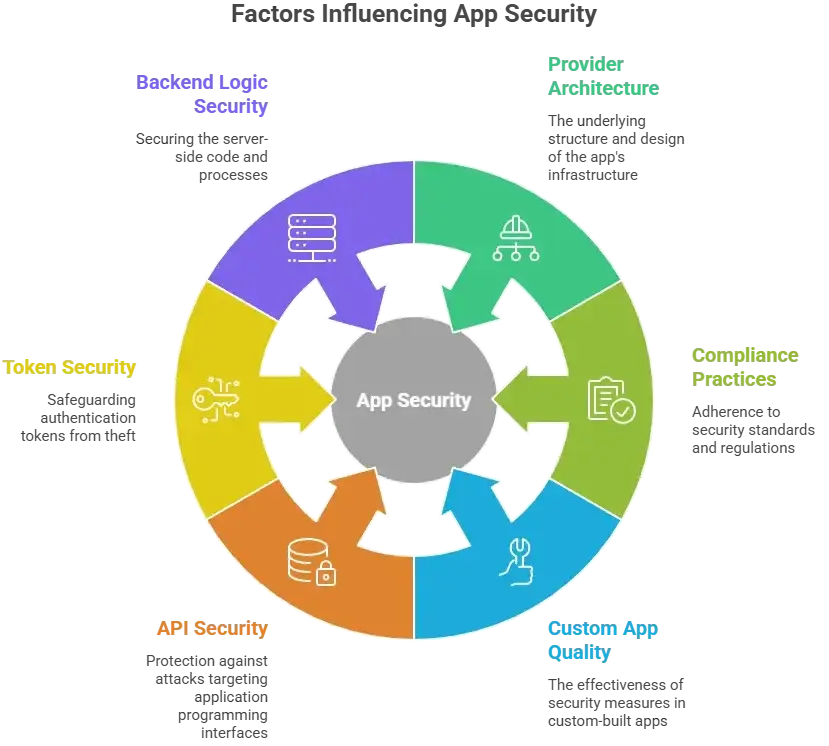
White-label Fiverr app security refers to how well the app’s codebase, infrastructure, data handling, and integrations protect users, freelancers, and businesses from cyber threats. It’s not just about login protection—it covers databases, APIs, payment flows, and admin access.
Why People Worry About White-Label Fiverr Apps
Freelance marketplace apps manage:
- Payment transactions between clients and freelancers
- Private chats and project files
- Ratings, reviews, and dispute data
- Personal identity and business details
Any breach can expose thousands of users at once.
Current Threat Landscape for Fiverr-Type Platforms
In 2026, Fiverr-style apps face:
- Account takeover attacks
- Payment fraud and escrow manipulation
- API abuse by bots
- Data scraping and profile harvesting
- Insider threats through admin panels
Security Standards in 2026
Modern white-label Fiverr apps are expected to follow:
- Zero-trust architecture
- Secure API gateways
- Role-based access control
- Encrypted cloud storage
- Continuous vulnerability scanning
Real-World App Security Statistics
- Over 60% of marketplace app breaches start from insecure APIs
- Freelance platforms are among the top 5 targets for payment fraud
- Apps without regular audits are 3x more likely to face data leaks
Read more : – Top Fiverr Features That Power Freelance Platforms
Key Security Risks & How to Identify Them
High-Risk Area 1: Data Protection & Privacy
Freelance marketplace apps process large volumes of sensitive user data. Weak protection here creates the highest risk.
User Personal Information
Names, emails, phone numbers, portfolios, and identity documents must be encrypted and access-controlled.
Payment Data Security
Escrow payments, wallet balances, and payout details require PCI DSS–compliant handling and tokenization.
Location & Activity Tracking
Login history, IP data, and activity logs can expose users if improperly stored.
GDPR and CCPA Compliance
Failure to manage consent, data deletion, and access requests can lead to heavy fines.
High-Risk Area 2: Technical Vulnerabilities
Security flaws often originate from poor development practices.
Code Quality Issues
Hardcoded credentials, outdated libraries, and weak validation increase attack surfaces.
Server Security Gaps
Misconfigured cloud servers and open ports are common entry points for attackers.
API Vulnerabilities
Unsecured APIs allow data scraping, fake orders, and account hijacking.
Third-Party Integrations
Payment gateways, chat tools, and analytics SDKs can introduce external risks.
High-Risk Area 3: Business-Level Risks
Security failures directly impact business survival.
Legal Liability
Non-compliance can trigger lawsuits and regulatory action.
Reputation Damage
One breach can permanently reduce platform trust.
Financial Losses
Fraud, refunds, penalties, and downtime create major costs.
Regulatory Penalties
Data protection authorities can impose fines based on global revenue.
White-Label Fiverr App Risk Assessment Checklist
- Is all user data encrypted at rest and in transit?
- Are APIs protected with authentication and rate limiting?
- Are payment systems PCI DSS compliant?
- Is admin access role-based and logged?
- Are regular security audits conducted?
Read more : – Best Fiverr Clone Scripts in 2025: Features & Pricing Compared
Security Standards Your White-Label Fiverr App Must Meet
Essential Compliance Certifications
Strong compliance is non-negotiable for a white-label Fiverr app operating in 2026.
ISO 27001
Ensures structured information security management and risk control.
SOC 2 Type II
Validates long-term controls for security, availability, and confidentiality.
GDPR Compliance
Mandatory for handling EU user data, including consent and right-to-erasure.
HIPAA (If Applicable)
Required if the app supports healthcare or medical freelance services.
PCI DSS for Payments
Mandatory for secure card payments, escrow systems, and wallets.
Core Technical Security Requirements
Security standards must be implemented at the technical level, not just on paper.
End-to-End Encryption
Protects user messages, contracts, and files from interception.
Secure Authentication
OAuth, two-factor authentication, and token-based sessions reduce account takeovers.
Regular Security Audits
Identifies vulnerabilities before attackers exploit them.
Penetration Testing
Simulated attacks validate real-world security strength.
SSL Certificates
Encrypt all data transfers between users and servers.
Secure API Architecture
Ensures APIs are authenticated, rate-limited, and monitored.
Security Standards Comparison Overview
- Certified apps reduce breach risk significantly
- Apps without audits face higher compliance rejection
- Payment-enabled apps must meet PCI DSS to operate legally
Read more : – Business Model of Fiverr : Complete Strategy Breakdown 2025
Red Flags: How to Spot Unsafe White-Label Providers
Critical Warning Signs
Ignoring early red flags often leads to long-term security failures.
No Security Documentation
Providers unable to explain their security architecture usually lack one.
Unrealistically Low Pricing
Security infrastructure has real costs. Extremely cheap pricing often means shortcuts.
No Compliance Certifications
Absence of ISO, SOC, or GDPR alignment signals high legal risk.
Outdated Technology Stack
Old frameworks and unsupported libraries increase vulnerability exposure.
Poor Code Quality
Unstructured, untested code is difficult to secure or audit.
No Security Update Policy
Apps without patching schedules remain exposed to known exploits.
Lack of Data Backup Systems
Without backups, recovery after attacks becomes impossible.
No Insurance Coverage
Serious providers carry cyber liability insurance.
Provider Evaluation Checklist
Questions to Ask
- How often do you perform security audits?
- How is user data encrypted and stored?
- Who handles security updates post-launch?
Documents to Request
- Security architecture overview
- Compliance certificates
- Data processing agreements
Testing Procedures
- Penetration testing reports
- API security test results
Due Diligence Steps
- Review past client security history
- Validate incident response capability
Best Practices for Secure White-Label Fiverr App Implementation
Pre-Launch Security Practices
Security must be built before the app goes live.
Security Audit Process
Conduct full code and infrastructure audits before deployment.
Code Review Requirements
Ensure secure coding standards and dependency checks.
Infrastructure Hardening
Configure cloud servers with firewalls, access controls, and monitoring.
Compliance Verification
Validate GDPR, PCI DSS, and regional data laws.
Staff Security Training
Limit human error through access control and awareness programs.
Post-Launch Security Monitoring
Security is an ongoing responsibility.
Continuous Security Monitoring
Track threats, anomalies, and suspicious behavior in real time.
Regular Updates and Patches
Fix vulnerabilities as soon as they are discovered.
Incident Response Planning
Define clear steps for breach containment and notification.
User Data Management
Apply data minimization and retention policies.
Backup and Recovery Systems
Maintain encrypted backups with tested recovery plans.
Secure Implementation Timeline Overview
- Pre-launch audits and testing
- Launch with monitoring enabled
- Monthly security reviews
- Quarterly penetration testing
- Annual compliance validation
Legal & Compliance Considerations
Regulatory Requirements
Legal compliance is critical for operating a white-label Fiverr app globally.
Data Protection Laws by Region
EU requires GDPR compliance, while the US follows CCPA and state-level privacy laws. Other regions enforce local data residency rules.
Industry-Specific Regulations
Certain freelance categories such as finance, healthcare, or legal services require additional safeguards.
User Consent Management
Clear opt-in mechanisms and data usage transparency are mandatory.
Privacy Policy Requirements
Policies must explain data collection, storage, sharing, and retention practices.
Terms of Service Essentials
User rights, dispute handling, and liability limits must be clearly defined.
Liability Protection Measures
Security incidents must be legally managed.
Insurance Requirements
Cyber liability insurance helps cover breach-related costs.
Legal Disclaimers
Clearly define platform responsibilities and limitations.
User Agreements
Binding agreements protect business interests and user rights.
Incident Reporting Protocols
Regulations require breach notification within defined timelines.
Compliance Monitoring
Ongoing audits ensure laws are continuously met.
Regional Compliance Checklist Summary
- GDPR for EU users
- CCPA for US users
- PCI DSS for global payments
- Local data protection laws for other regions
Why Miracuves White-Label Fiverr App Is Your Safest Choice
Miracuves Security-First Approach
Miracuves builds white-label Fiverr apps with security embedded at every layer, not added later as a patch.
Enterprise-Grade Architecture
Apps are developed using secure, scalable infrastructure designed to handle high transaction volumes safely.
Regular Security Audits and Certifications
Miracuves follows global security standards and conducts routine audits to identify and fix vulnerabilities early.
GDPR and CCPA Compliance by Default
Data privacy controls, consent management, and user rights handling are built into the app from day one.
24/7 Security Monitoring
Continuous monitoring helps detect suspicious activity before it becomes a serious incident.
Encrypted Data Transmission
All user data, messages, and files are protected using strong encryption protocols.
Secure Payment Processing
Payment flows follow PCI DSS standards to safeguard escrow and wallet transactions.
Ongoing Security Updates
Regular patches and upgrades ensure the app stays protected against new threats.
Insurance Coverage Included
Cyber risk coverage adds an extra layer of protection for your business.
Final Thought
Don’t compromise on security. Miracuves white-label Fiverr app solutions come with enterprise-grade security built in. With 9k+ successful projects and zero major security breaches, Miracuves helps businesses launch safe, compliant freelance platforms with confidence.
Launching a white-label Fiverr app in 2026 is a strong business move, but only if security is treated as a foundation, not an afterthought. Users trust platforms with their income, data, and reputation. Losing that trust is far more costly than investing in proper security.
Get a free security assessment and see why businesses trust Miracuves for secure white-label app solutions.
FAQs
1. How secure is a white-label Fiverr app compared to custom development?
A well-built white-label Fiverr app can be more secure than custom development because it uses tested architecture, audited code, and proven security frameworks.
2. What happens if there is a security breach?
An incident response plan should isolate the threat, notify users, report to regulators, and restore systems using secure backups.
3. Who is responsible for security updates?
The white-label app provider handles core security updates, while the business manages operational security policies.
4. How is user data protected in a white-label Fiverr app?
User data is protected using encryption, role-based access control, secure storage, and compliance-driven data handling.
5. What compliance certifications should I look for?
ISO 27001, SOC 2 Type II, GDPR compliance, and PCI DSS are essential for freelance marketplace apps.
6. Can white-label Fiverr apps meet enterprise security standards?
Yes, when built with secure architecture, continuous monitoring, and regular audits.
7. How often should security audits be conducted?
Security audits should be performed at least annually, with vulnerability scans conducted more frequently.
8. What is included in the Miracuves security package?
Secure infrastructure, encrypted data handling, compliance readiness, monitoring, and regular updates.
9. How should security be handled for multiple countries?
Apps must follow regional data protection laws and implement flexible compliance controls.
10. What insurance is needed for app security?
Cyber liability insurance is recommended to cover breach response, legal costs, and regulatory fines.
Related Articles