


Launching a mobile app is one of the most exciting steps for a startup. But before development begins, almost every founder asks the same question: How much will it cost to build my app?
The truth is that mobile app development costs can vary significantly depending on features, complexity, platforms, and the development team you choose. For startups with limited budgets, understanding the cost breakdown is essential to avoid overspending and make smarter product decisions.
Many early-stage founders work with experienced development partners like Miracuves to estimate budgets, build MVPs faster, and reduce unnecessary development costs. With the right planning and strategy, startups can launch powerful apps without burning through their entire funding.
In this guide, we will break down the real costs of mobile app development for startups, explain the key factors affecting pricing, and show practical ways to build your product efficiently.
How Much Does It Cost to Build a Mobile App for a Startup?
The cost of building a mobile app depends mainly on its complexity, features, and development approach. While some simple apps can be built for a few thousand dollars, complex platforms can cost hundreds of thousands.
Here is a general cost estimate startups should consider:
| App Type | Estimated Cost | Timeline |
|---|---|---|
| Simple App | $10,000 – $30,000 | 1–3 months |
| Medium Complexity App | $30,000 – $80,000 | 3–6 months |
| Complex App | $80,000 – $250,000+ | 6–12 months |
Simple apps usually include basic features such as login systems, simple dashboards, and minimal integrations. Medium complexity apps may include payment gateways, notifications, and APIs. Complex apps like marketplaces or ride-sharing platforms require advanced backend systems and integrations.
Startups usually begin with a Minimum Viable Product (MVP) to validate their idea before investing heavily in full development.
Key Factors That Affect Mobile App Development Cost
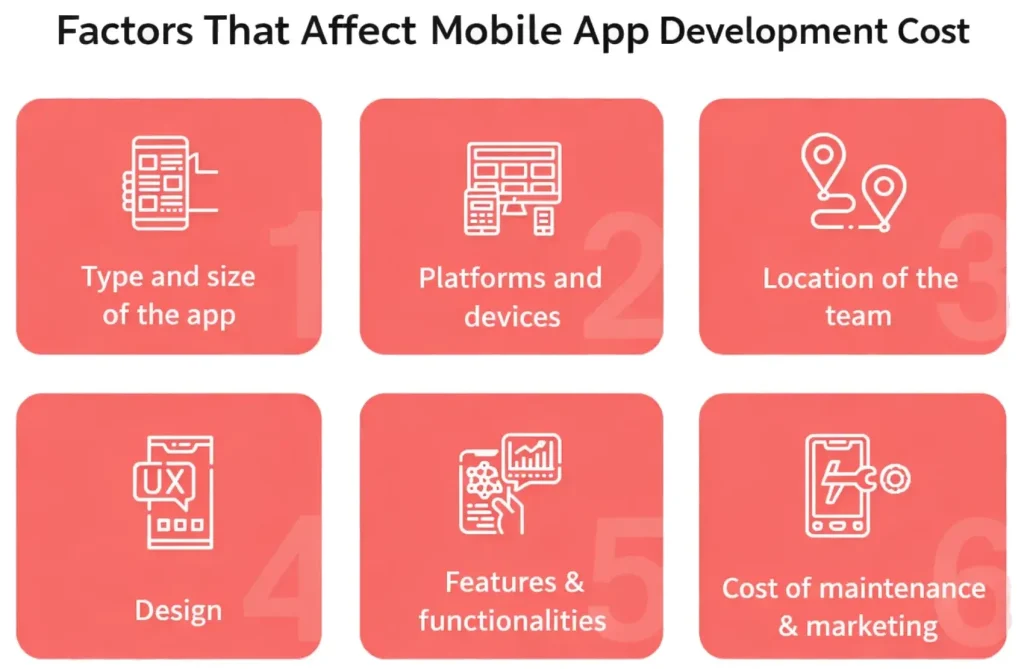
Several factors determine how expensive your mobile app will be. Understanding these can help founders control their development budgets.
App Complexity
Complexity is the biggest cost driver in app development. Apps with simple functionality cost significantly less compared to apps that include AI features, real-time updates, or multiple integrations.
Examples of high-complexity features include:
- Real-time tracking
- AI recommendation engines
- Multi-user systems
- Advanced analytics
- Video streaming
Each additional feature increases both development time and cost.
Number of Features
The more features your app includes, the higher the development cost.
Startups often make the mistake of adding too many features early in the development process. Instead, successful startups focus only on core features in the beginning.
Typical MVP features include:
- User registration and login
- Profile management
- Basic dashboard
- Core service functionality
- Notifications
By focusing only on essential features, startups can launch faster and reduce initial development expenses.
Platform Selection
The platform you choose directly impacts your development budget.
| Platform | Cost Impact |
|---|---|
| Android Only | Lower Cost |
| iOS Only | Lower Cost |
| Both Platforms | Higher Cost |
Developing for both Android and iOS simultaneously increases development time because each platform requires separate optimization and testing.
Some startups reduce costs by launching on one platform first and expanding later.
UI/UX Design Complexity
User experience plays a major role in an app’s success. However, custom animations, advanced transitions, and unique interfaces increase development effort.
Simple and clean UI designs are often more affordable and effective for MVP launches.
Good design improves:
- user engagement
- retention rates
- conversion rates
But startups should balance aesthetics with budget constraints.
Backend Infrastructure
Apps that rely heavily on data, user accounts, or integrations require strong backend systems.
Backend development includes:
- databases
- server infrastructure
- APIs
- authentication systems
Apps like marketplaces, booking platforms, or social apps usually require advanced backend development.
Development Team Location
Where your development team is located also affects cost.
| Team Type | Approximate Hourly Cost |
|---|---|
| Freelancers | $20 – $80 |
| Development Agencies | $50 – $200 |
| In-House Team | $80 – $250+ |
Many startups choose development agencies because they offer full teams including designers, developers, testers, and project managers.
Read more : – How to Turn Your Startup Idea Into a Mobile App
Mobile App Development Cost Breakdown by Development Stage
Mobile app development usually follows several stages. Each stage contributes to the overall project cost.
| Development Stage | Estimated Cost Share |
|---|---|
| Planning and Research | 5–10% |
| UI/UX Design | 10–15% |
| Development | 40–60% |
| Testing and QA | 10–15% |
| Deployment | 5% |
Planning and Research
This stage involves market research, feature planning, and technical architecture. A solid foundation helps avoid expensive changes later.
UI/UX Design
Designers create wireframes, user flows, and interface layouts that define how the app will look and function.
Development
This is the most expensive stage where developers build the frontend, backend, and integrations.
Testing and Quality Assurance
Testing ensures the app works correctly across devices, operating systems, and use cases.
Deployment
This stage includes launching the app on platforms such as Google Play and the Apple App Store.
MVP vs Full Product Development Cost
Startups rarely build full-scale apps immediately. Instead, they start with an MVP to validate the business idea.
| Product Type | Estimated Cost | Timeline |
|---|---|---|
| MVP App | $10,000 – $40,000 | 2–4 months |
| Full Product | $50,000 – $200,000+ | 6–12 months |
An MVP focuses only on the core problem your startup solves. Once user feedback is collected, the product can evolve into a full application.
This approach reduces financial risk and helps startups build what users actually need.
Read more : – Business Model of Groww : Complete Strategy Breakdown 2026
Hidden Costs Startups Often Ignore
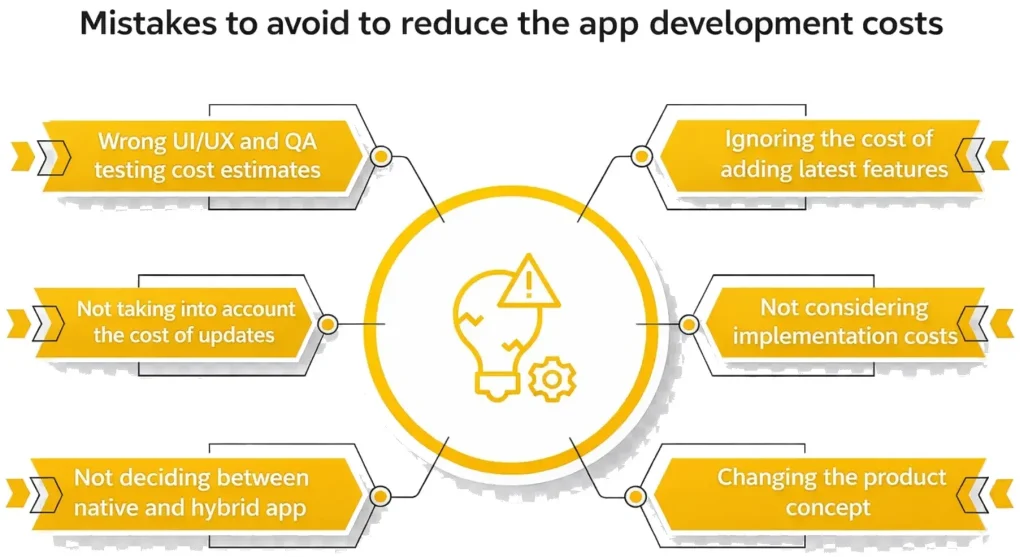
Many founders plan their budgets based only on development costs and forget several ongoing expenses.
Hidden costs may include:
- App maintenance and updates
- Cloud hosting and servers
- Third-party API integrations
- Payment gateway fees
- Security updates
- Marketing and user acquisition
App maintenance alone can cost 15–20% of the initial development cost annually.
Planning these expenses early prevents unexpected financial pressure after launch.
How Startups Can Reduce App Development Costs
Smart startups focus on efficiency rather than cutting corners. Here are practical ways to reduce development costs without sacrificing product quality.
Start With an MVP
Launching a small version of your app allows you to test the idea before investing heavily.
Prioritize Essential Features
Avoid feature overload. Focus only on what solves the user’s problem.
Use Ready-Made Solutions
Pre-built platforms or ready-made apps can reduce development time dramatically.
Use Clone App Solutions
Clone apps replicate proven business models like marketplaces, food delivery apps, or ride-sharing platforms, saving months of development effort.
Validate the Idea Early
Before building, test your concept through user interviews, landing pages, or early prototypes.
These strategies help startups launch faster while preserving capital.
How Miracuves Helps Startups Build Apps Faster
Building a startup app from scratch can be complex and expensive, especially for first-time founders. Experienced technology partners can simplify the process significantly.
Miracuves provides a range of solutions designed specifically for startups, including:
- ready-made mobile apps
- clone app solutions
- SaaS platforms
- custom mobile app development
- AI automation platforms
These solutions allow startups to launch digital products faster while keeping development budgets under control.
Instead of spending months building infrastructure from scratch, startups can use proven frameworks and scalable architectures to accelerate product launches.
Conclusion
If you’re planning to build a startup app and want expert guidance on development costs, architecture, and MVP strategy, contact Miracuves today to discuss your mobile app project and get a customized development estimate.
Mobile app development costs vary widely depending on the complexity, features, and development approach. While simple apps may cost around $10,000, advanced platforms can exceed $200,000.
For startups, the smartest strategy is to begin with an MVP, focus on essential features, and validate the business model before scaling.
Understanding the full cost breakdown—from planning to maintenance—helps founders make better financial decisions and avoid common development mistakes.
With the right strategy and development partner, startups can build powerful mobile applications while staying within realistic budgets.
FAQs
1. How much does it cost to develop a mobile app for a startup?
Most startup apps cost between $10,000 and $80,000 depending on complexity and features.
2. What is the cheapest way to build a mobile app?
Starting with an MVP, using ready-made solutions, and prioritizing core features can significantly reduce development costs.
3. How long does it take to build a startup mobile app?
An MVP usually takes 2–4 months, while a full application may take 6–12 months depending on complexity.
4. Should startups build an MVP first?
Yes. MVP development allows startups to validate their idea before investing heavily in a full product.
5. What factors increase mobile app development cost?
Major cost factors include app complexity, features, platform choice, backend infrastructure, and development team location.
Related Articles