


Choosing the right tech stack for your mobile app is one of the most important decisions you’ll make as a founder. The wrong choice can lead to higher costs, delays, and scalability issues later on.
If you’re planning to build an app in 2026, you’re probably overwhelmed with options Flutter, React Native, Node.js, Firebase, and more. Each comes with its own pros and trade-offs.
At Miracuves, we’ve worked with startups and businesses across industries, helping them choose the right technologies based on their goals, budget, and scalability needs. This guide will simplify everything for you so you can make a confident decision.
What is a Mobile App Tech Stack?
A mobile app tech stack is the combination of technologies used to build and run your app. It includes everything from what users see on their screens to how your data is processed behind the scenes.
Components of a Mobile App Tech Stack
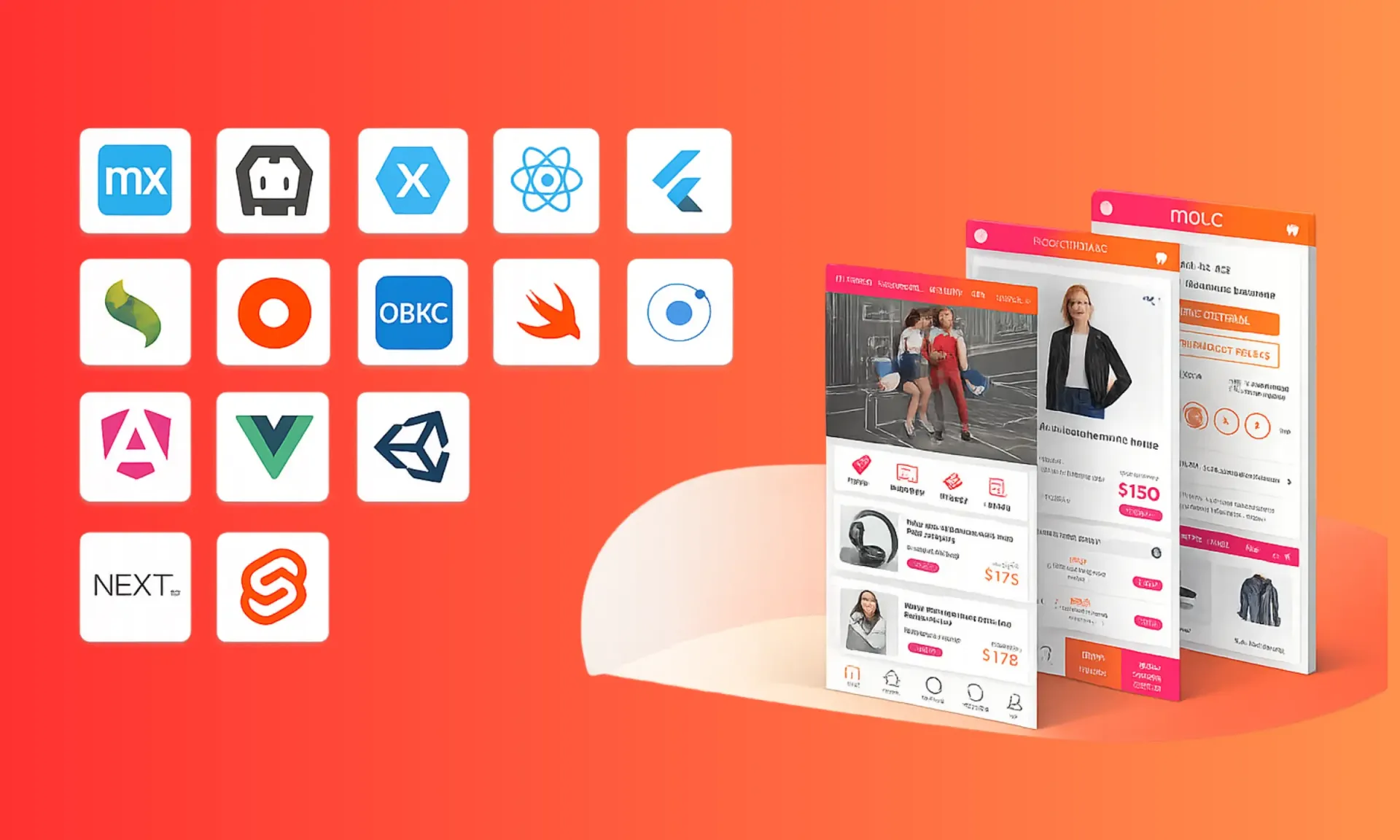
Frontend Technologies
Flutter
- Fast development
- Single codebase for Android and iOS
- Ideal for startups and MVPs
React Native
- Backed by Meta
- Strong community support
- Great for scalable apps
Swift & Kotlin (Native Development)
- Best performance
- Platform-specific development
- Ideal for high-performance apps
Backend Technologies
Node.js
- Fast and scalable
- Best for real-time apps
Django
- Secure and robust
- Great for data-heavy apps
Firebase
- Backend-as-a-Service
- Quick setup for MVPs
Database Options
MongoDB
- Flexible and scalable
- Works well with Node.js
PostgreSQL
- Structured and reliable
- Ideal for complex applications
APIs and Integrations
- Payment APIs (Stripe, Razorpay)
- Authentication (Firebase Auth)
- Cloud services (AWS, Google Cloud)
Read more : – How to Turn Your Startup Idea Into a Mobile App
Native vs Cross-Platform – Which is Better?

Choosing between native and cross-platform development depends on your business goals.
| Factor | Native Apps | Cross-Platform Apps |
|---|---|---|
| Performance | High | Moderate to High |
| Development Cost | High | Lower |
| Time to Market | Slow | Faster |
| Maintenance | Separate codebases | Single codebase |
| Best For | Complex apps | Startups & MVPs |
For most startups, cross-platform frameworks like Flutter or React Native are the best starting point.
Best Tech Stacks for Different Use Cases
Startup MVP
- Frontend: Flutter
- Backend: Firebase
- Database: Firestore
Fast, affordable, and perfect for testing ideas.
E-commerce App
- Frontend: React Native
- Backend: Node.js
- Database: MongoDB
Scalable and suitable for handling traffic and transactions.
Social Media App
- Frontend: Flutter or React Native
- Backend: Node.js
- Database: PostgreSQL
Handles real-time interactions and large user bases.
On-Demand Apps (Uber-like)
- Frontend: Flutter
- Backend: Node.js
- Database: MongoDB
Supports real-time tracking and dynamic features.
Top Mobile App Development Technologies in 2026
Flutter
- Growing rapidly
- Preferred for MVPs and startups
React Native
- Mature ecosystem
- Widely used in production apps
Kotlin & Swift
- Still dominant for performance-heavy apps
AI Integration
- Chatbots
- Recommendation systems
- Automation features
AI-powered apps are becoming a major trend, especially for startups looking to stand out.
How to Choose the Right Tech Stack (Step-by-Step)
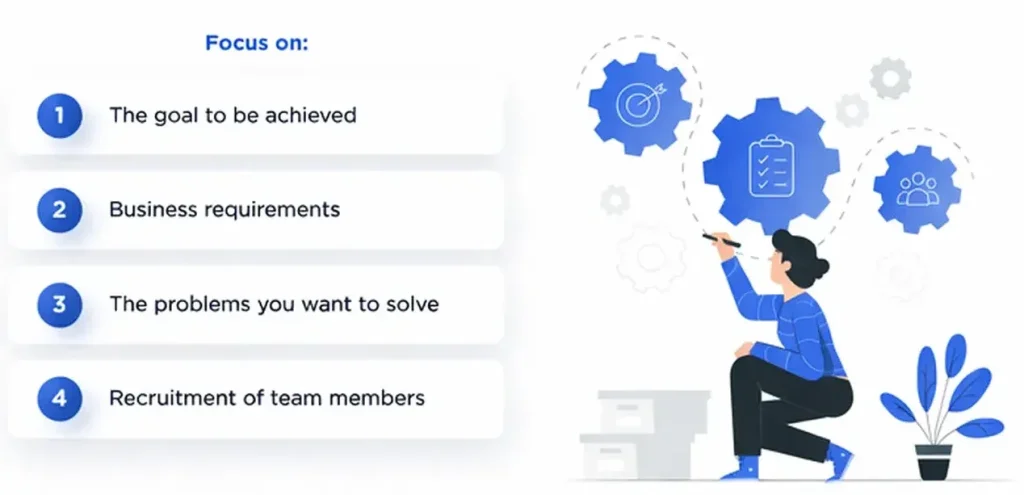
Choosing the right tech stack is not just a technical decision—it directly impacts your app’s performance, scalability, cost, and time to market. Many startups make the mistake of picking technologies based on trends rather than their actual business needs.
A structured, step-by-step approach helps you avoid these costly mistakes and ensures you build a solid foundation for your app. Here’s how you can choose the right tech stack based on your goals, budget, and future growth plans.
Step 1: Define Your Goal
Are you building an MVP or a full-scale product?
Step 2: Consider Your Budget
Cross-platform solutions are more cost-effective.
Step 3: Think About Scalability
Choose technologies that grow with your business.
Step 4: Evaluate Time to Market
Faster launch = competitive advantage.
Step 5: Choose the Right Development Partner
A good partner helps you avoid costly mistakes and ensures long-term success.
Common Mistakes to Avoid
Overengineering
Using complex technologies when simple ones would work.
Ignoring Scalability
Choosing a stack that can’t handle future growth.
Wrong Framework Choice
Picking tools based on trends instead of business needs.
Lack of Technical Guidance
Trying to decide without expert input often leads to poor decisions.
Why Choosing the Right Development Partner Matters
Technology alone doesn’t guarantee success. Execution does.
Working with an experienced team ensures:
- Faster development
- Better architecture decisions
- Long-term scalability
- Reduced risk
Conclusion
Choosing the best tech stack for mobile app development is not about picking the most popular tools—it’s about selecting what fits your business goals.
For startups, cross-platform frameworks like Flutter or React Native combined with scalable backend solutions are often the smartest choices. Instead of experimenting and wasting resources, many startups prefer working with experts who already understand what works.
If you’re still unsure which tech stack is right for your app, the best approach is to get expert guidance tailored to your business needs.Contact Miracuves today to discuss your mobile app idea and get the perfect tech stack recommendation for your startup.
The key is to think long-term while starting lean. Make decisions that support growth, reduce costs, and help you launch faster.
With the right strategy and guidance, your tech stack can become a strong foundation for your app’s success.
FAQs
1. What is the best tech stack for mobile app development?
It depends on your goals, but Flutter + Firebase is ideal for startups, while Node.js-based stacks are great for scalability.
2. Is Flutter better than React Native?
Both are strong choices. Flutter is faster for UI development, while React Native has a larger ecosystem.
3. Does tech stack affect app cost?
Yes, significantly. Cross-platform stacks reduce development cost compared to native apps.
4. Can I change my tech stack later?
Yes, but it can be costly and time-consuming, so choosing wisely from the start is important.
5. How long does it take to build a mobile app with the right tech stack?
It depends on complexity, but most MVP apps can be built within 2 to 4 months using modern cross-platform technologies.
Related Articles