


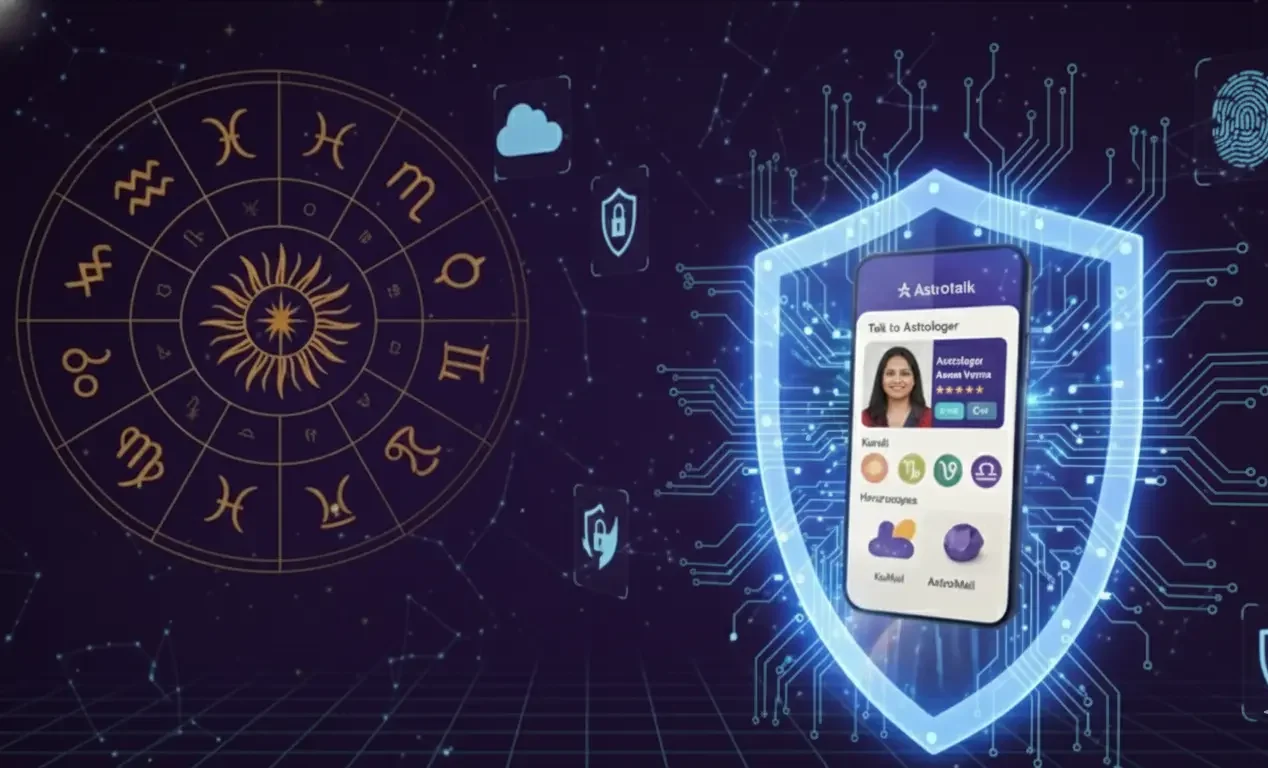
You’ve heard the horror stories about data breaches, leaked chat conversations, stolen payment information, and fake astrology platforms exploiting user trust. When it comes to launching a white-label AstroSage app, the very first question serious founders ask is not about features or revenue — it’s “Is this platform actually safe?”
In 2025, astrology apps handle far more than horoscopes. They process personal profiles, live chat data, birth details, emotional insights, geolocation, and digital payments. A single security loophole can destroy brand trust overnight, trigger regulatory fines, and expose you to massive legal liability.
Safety now determines survival. Users are more privacy-aware than ever. Governments are enforcing stricter data laws. App marketplaces are tightening compliance checks. And cyberattacks on spiritual, fintech, and wellness apps have increased sharply over the last two years.
This guide gives you an honest, no-hype security assessment of white-label AstroSage apps — what the real risks are, what standards your platform must meet, how to evaluate unsafe providers, and how to deploy your app with enterprise-grade protection from day one.
By the end, you’ll know exactly:
- What security a white-label AstroSage app truly needs in 2025
- What shortcuts can destroy your business
- How to launch a fully compliant, breach-resistant astrology platform with confidence
Understanding White-Label AstroSage App Security Landscape
What “White-Label Security” Actually Means
In a white-label AstroSage app, security responsibility is shared between the provider and the business owner. The core app architecture, backend infrastructure, encryption systems, and baseline compliance controls are built by the white-label provider. However, the moment you deploy the app under your brand, you become legally responsible for user data protection, regulatory compliance, and breach response.
This means white-label security is not “plug-and-play safety.” It is a foundation that must be verified, configured, and continuously maintained to remain compliant and safe in 2025.
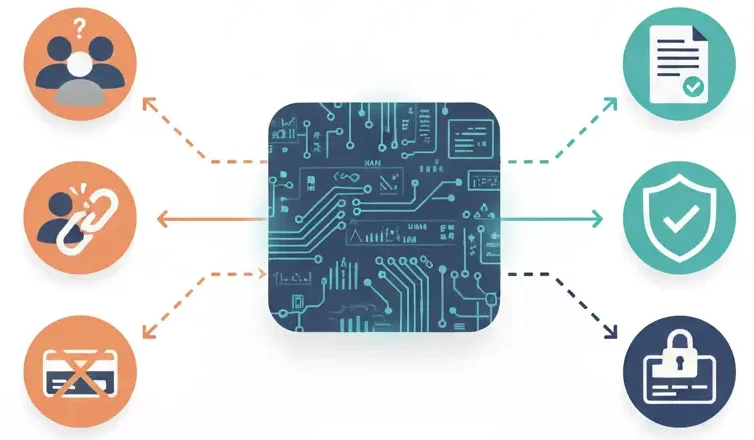
Common Security Myths vs Reality
Why People Worry About White-Label Apps
Trust issues around white-label platforms come from:
- Hidden code ownership
- Lack of transparency into backend infrastructure
- Fear of shared databases across multiple buyers
- Unclear responsibility during security breaches
- Unknown compliance status
These fears are valid — and ignoring them is what causes real-world security disasters.
Current Threat Landscape for AstroSage-Type Platforms (2025)
Astrology and spiritual consultation apps face targeted cyber risks because they combine messaging, payments, and sensitive personal data. The most common attack vectors include:
- Payment fraud through wallet and card gateways
- API exploitation in chat and video modules
- Account takeover via weak authentication
- Data scraping of birth charts and consultation history
- Insider leaks from poorly secured admin panels
Wellness and spiritual platforms experienced a sharp increase in credential stuffing, chatbot exploitation, and payment skimming attacks over the last 24 months.
Security Standards in 2025
In 2025, app security is governed by:
- Zero-trust cloud infrastructure
- Mandatory encryption for data at rest and in transit
- Strong identity verification and fraud detection
- Immediate breach disclosure requirements
- Automated security monitoring and audit logging
App marketplaces and regulators now expect security-by-design, not security after launch.
Real-World Statistics on App Security Incidents
- Over 62% of mobile app breaches involve personal user data exposure
- Financial data leaks make up nearly 40% of legal claims against app owners
- API-related vulnerabilities account for over 30% of modern mobile app attacks
- Non-compliant apps face average regulatory penalties between $250,000 and $4 million depending on region
These numbers confirm one truth: security failure is no longer survivable for digital platforms.
Key Security Risks & How to Identify Them
A white-label AstroSage app operates in a high-sensitivity data environment. It handles emotional conversations, personal identity data, and real-time financial transactions. This makes it a prime target for cybercrime. Below are the highest-risk security zones you must evaluate before launch.
Data Protection & Privacy
This is the most legally sensitive and reputationally damaging risk category.
User Personal Information
- Full names, phone numbers, email IDs
- Date, time, and place of birth
- Relationship, career, and emotional consultation data
If leaked, this data can lead to identity theft, stalking, and legal action.
Payment Data Security
- Card details, UPI, wallet IDs, transaction history
- Tokenization failures expose raw payment data
- Weak gateway integrations allow transaction interception
Location Tracking Concerns
- Real-time location during live consultations
- IP address tracking for fraud prevention
- Improper storage can violate privacy laws instantly
GDPR / CCPA Compliance Risks
- Improper consent collection
- No “right to delete” workflows
- No data portability or access controls
Non-compliance alone is enough to trigger heavy penalties, even without a breach.
Technical Vulnerabilities
These risks originate from weak engineering practices.
Code Quality Issues
- Copied or obfuscated code
- No secure coding standards
- Lack of input validation
These lead directly to SQL injection, remote code execution, and data leaks.
Server Security Gaps
- Open ports on cloud servers
- Poor firewall rules
- Unpatched operating systems
These allow direct unauthorized access.
API Vulnerabilities
- Exposed chat APIs
- Weak authentication tokens
- No rate limiting
APIs are now the #1 attack surface for mobile platforms.
Third-Party Integrations
- Payment processors
- Video SDKs
- Analytics tools
Each integration becomes a new external attack gateway if not properly audited.
Business & Operational Risks
Security is not just technical. It is also legal and financial.
Legal Liability
- You, not the white-label provider, face lawsuits
- Regulators prosecute the app owner, not the developer
Reputation Damage
- One data leak can permanently destroy brand trust
- User churn becomes irreversible after breach disclosure
Financial Losses
- Regulatory fines
- Compensation claims
- Infrastructure recovery costs
- Business interruption losses
Regulatory Penalties
- GDPR fines up to 4% of global turnover
- CCPA statutory damages per affected user
- Payment network blacklisting
White-Label AstroSage App Risk Assessment Checklist
Use this checklist before choosing any provider:
- Is user data encrypted at rest and in transit?
- Is payment data tokenized and PCI-compliant?
- Are APIs protected with OAuth or secure tokens?
- Are chat and video logs encrypted?
- Is cloud access restricted with role-based controls?
- Are security patches applied regularly?
- Is audit logging enabled for all admin actions?
- Is there a breach response and reporting policy?
If even two or three answers are uncertain, your platform security is already at high risk.
Security Standards Your White-Label AstroSage App Must Meet
In 2025, security is no longer optional or “best effort.” Your white-label AstroSage app must meet formal international certifications and technical security benchmarks to be considered legally safe, commercially trusted, and regulator-approved. Anything below these standards places your entire business at risk.
ESSENTIAL SECURITY CERTIFICATIONS
These are the minimum compliance credentials your AstroSage app must support through your white-label provider:
ISO 27001 – Information Security Management
- Confirms a structured, audited security management system
- Covers risk control, access management, encryption, backups, and breach handling
- Required for enterprise partnerships and payment processors
SOC 2 Type II – Operational Security Controls
- Validates long-term security performance
- Covers data confidentiality, availability, and processing integrity
- Critical for cloud-hosted astrology platforms
GDPR – Global Data Privacy Regulation
- Mandatory for any app handling EU user data
- Requires lawful data processing, user consent, breach notifications, and delete rights
- Non-compliance leads to multi-million-dollar penalties
HIPAA (If Health or Emotional Wellness Data Is Stored)
- Applies when consultations include mental health or emotional guidance
- Requires strict access control and encrypted medical communication
PCI DSS – Payment Card Security Standard
- Mandatory if your app processes cards, UPI, or digital wallets
- Prevents card skimming, transaction fraud, and gateway manipulation
CRITICAL TECHNICAL SECURITY REQUIREMENTS
Your white-label AstroSage app infrastructure must enforce the following technical defense layers:
End-to-End Encryption
- All chat messages, video consultations, and personal details must use AES-256 encryption
- Data must be encrypted both in transit and at rest
Secure Authentication Systems
- Multi-factor authentication (2FA) for users and admins
- OAuth-based session management
- Biometric login on supported devices
Regular Security Audits
- Quarterly vulnerability assessments
- Annual external security audits
- Continuous cloud security monitoring
Penetration Testing
- Simulated attacks on mobile apps and backend servers
- API stress testing
- Payment and wallet attack simulations
SSL & Transport Layer Protection
- TLS 1.3 encryption
- Auto-renewing enterprise SSL certificates
- Protection against man-in-the-middle attacks
Secure API Architecture
- Token-based authentication
- Rate limiting
- Firewall-level API traffic inspection
White-Label AstroSage App Security Standards Comparison Table
| Security Layer | Basic Provider | Enterprise-Grade Standard |
|---|---|---|
| Data Encryption | Partial encryption | Full AES-256 encryption |
| Authentication | Password-only login | 2FA + OAuth |
| Cloud Security | Shared hosting | Isolated secure cloud deployment |
| Payment Protection | Gateway only | PCI DSS + tokenized payments |
| API Security | Open APIs | Secured APIs with rate limiting |
| Security Audits | None | Quarterly internal + annual external |
| Compliance | Generic claims | Documented ISO, GDPR, SOC 2 |
| Breach Monitoring | Manual response | Real-time automated alerts |
If your provider fails to meet enterprise-grade standards, your AstroSage app is structurally unsafe — regardless of how attractive the feature list looks.
Read more : – Business Model of AstroSage : Revenue Model and Complete Strategy
Red Flags – How to Spot Unsafe White-Label Providers
Many security failures do not happen because of advanced cyberattacks. They happen because founders unknowingly choose unsafe white-label app providers. Below are the most dangerous warning signs you must never ignore when evaluating a white-label AstroSage app provider.
CRITICAL WARNING SIGNS
No Security Documentation
If the provider cannot clearly explain their data protection framework, encryption methods, or audit process, security is not a priority for them.
Unrealistically Cheap Pricing Without Explanation
Extremely low pricing often means shortcuts in infrastructure, testing, and security controls. Secure cloud deployment, audits, and compliance cannot be built at bargain rates.
No Compliance Certifications
Absence of ISO 27001, SOC 2, GDPR readiness, or PCI DSS compliance is a direct legal and financial risk.
Outdated Technology Stack
Old frameworks, unsupported libraries, and legacy server setups are the most common entry points for hackers.
Poor Code Quality
Obfuscated, unstructured, or copied code increases vulnerability risk and makes security audits difficult or impossible.
No Security Updates Policy
If updates are ad-hoc instead of scheduled, known vulnerabilities remain unpatched for long periods.
Lack of Data Backup Systems
Without encrypted backups and disaster recovery plans, a single breach or ransomware attack can completely wipe out your platform.
No Cyber Insurance Coverage
Providers without cybersecurity liability insurance shift all breach-related financial responsibility onto you.
PROVIDER EVALUATION CHECKLIST
Use this checklist before signing any white-label app agreement:
Questions to Ask Providers
- Where is user data hosted and how is it encrypted?
- What compliance certifications do you officially support?
- How often are security audits conducted?
- What is your breach response and notification timeline?
- Who is legally responsible in case of a security incident?
Documents to Request
- ISO / GDPR compliance reports
- Penetration testing reports
- Cloud security architecture diagrams
- Data processing agreements
- Cyber insurance policy copy
Technical Testing Procedures
- API vulnerability testing
- Login and authentication stress testing
- Payment gateway simulation attacks
- Admin panel access auditing
Due Diligence Steps
- Independent security consultant review
- Legal compliance verification
- Infrastructure audit
- NDA and data processing agreement validation
If a provider refuses to share any of the above, the safest decision is to walk away immediately.
Best Practices for Secure White-Label AstroSage App Implementation
Security is not achieved by a single tool or certificate. It is a continuous operational discipline that starts before launch and continues throughout the life of your white-label AstroSage app. Ignoring this phase is the fastest way to invite breaches, lawsuits, and regulatory action.
PRE-LAUNCH SECURITY BEST PRACTICES
These measures must be completed before your app goes live on any app store or production server.
Security Audit Process
- Full infrastructure vulnerability assessment
- Mobile app penetration testing (Android and iOS)
- Backend server and database intrusion testing
- API gateway stress testing
This confirms that no exploitable weaknesses exist at launch.
Code Review Requirements
- Secure coding standards validation
- Input validation and output encoding checks
- Authentication and session handling verification
- Third-party SDK security review
Infrastructure Hardening
- Isolated cloud environments
- Firewalls and Web Application Firewalls (WAF)
- Restricted admin IP access
- Encrypted cloud storage
- Automatic threat detection systems
Compliance Verification
- GDPR consent workflow validation
- PCI DSS payment verification
- Data retention and deletion policy checks
- Regional privacy law verification
Staff Training Programs
- Admin cybersecurity awareness training
- Phishing and social engineering prevention
- Incident response drill simulations
- Data access privilege education
POST-LAUNCH SECURITY MONITORING
Once your AstroSage app is live, security must operate in real time, not reactively.
Continuous Security Monitoring
- 24/7 cloud intrusion detection
- Real-time firewall traffic analysis
- Automated abnormal behavior detection
- API usage anomaly monitoring
Regular Updates and Patches
- Monthly security update cycles
- Immediate patch deployment for zero-day vulnerabilities
- Third-party SDK update tracking
Incident Response Planning
- Dedicated breach response team
- Breach isolation protocols
- Law enforcement and regulatory notification processes
- Customer communication escalation workflows
User Data Management
- Role-based access control (RBAC)
- Limited internal data visibility
- Data masking for support teams
- Automated data deletion on user request
Backup and Recovery Systems
- Encrypted daily backups
- Geo-redundant disaster recovery zones
- Ransomware recovery protocols
- Automated infrastructure restoration testing
White-Label AstroSage App Security Implementation Timeline
| Phase | Duration | Key Security Actions |
|---|---|---|
| Planning & Architecture | 1–2 Weeks | Threat modeling, compliance mapping |
| Pre-Launch Auditing | 2–3 Weeks | Penetration tests, code audits |
| Compliance Certification | Parallel | GDPR, PCI DSS validations |
| Launch Security Lockdown | Final Week | Firewall activation, monitoring setup |
| Post-Launch Monitoring | Continuous | 24/7 threat detection and patching |
This phased approach ensures your AstroSage app launches with enterprise-grade security stability, not experimental risk exposure.
Read more :- AstroSage Clone Revenue Model: How an AstroSage Makes Money in 2025
Legal & Compliance Considerations
Security failures in a white-label AstroSage app do not stop at technical damage. They trigger legal action, regulatory penalties, financial claims, and long-term brand liability. In 2025, compliance is enforced more strictly than ever across all regions.
REGULATORY REQUIREMENTS
Your AstroSage app must comply with multiple layers of data protection and digital service laws depending on where your users are located.
Data Protection Laws by Region
- European Union: GDPR (General Data Protection Regulation)
- United States: CCPA, CPRA, FTC Data Protection Rules
- India: Digital Personal Data Protection Act (DPDPA)
- UK: UK GDPR, Data Protection Act
- Middle East: PDPL (Saudi Arabia), DIFC Data Protection Law (UAE)
Non-compliance can lead to:
- Mandatory app takedowns
- Heavy financial penalties
- Business operation bans
- Criminal liability in certain regions
User Consent Management
Your app must legally prove:
- Explicit user consent for data collection
- Separate consent for marketing communication
- Clear opt-in for location tracking
- Verifiable age consent for minors
- Digital consent logs stored securely
Without proper consent records, your entire data operation becomes illegal, even if no breach occurs.
Privacy Policy Requirements
Your privacy policy must clearly disclose:
- What data is collected
- Why it is collected
- Who it is shared with
- How long it is stored
- How users can delete their data
- How breaches will be reported
Any mismatch between policy and actual system behavior is classified as regulatory deception.
Terms of Service Essentials
Legally enforceable terms must define:
- User responsibilities
- Limitations of liability
- Payment and refund rules
- Dispute resolution method
- Governing legal jurisdiction
Weak or copied terms expose you to unlimited legal exposure during disputes.
LIABILITY PROTECTION FRAMEWORK
Insurance Requirements
- Cyber liability insurance
- Data breach response insurance
- Technology errors and omissions coverage
These protect against: - Legal defense costs
- Compensation claims
- Regulatory fines where legally allowed
Legal Disclaimers
Your AstroSage app must clearly disclaim:
- Medical or psychological diagnosis liability
- Financial advice liability
- Dependency risk disclaimers
- Entertainment-purpose disclaimers
Without proper disclaimers, you can be sued for emotional, financial, or medical damages.
User Agreements
- Enforceable consent records
- Digital signature compliance
- Terms acceptance verification
- Automatic agreement version tracking
Incident Reporting Protocols
You must legally maintain:
- Breach detection logs
- User notification timelines
- Regulatory reporting documentation
- Law enforcement cooperation framework
Failure to report breaches on time is considered willful negligence in most countries.
Regulatory Compliance Monitoring
Ongoing compliance requires:
- Annual legal policy updates
- Real-time regulatory monitoring
- Documentation version control
- External legal compliance audits
White-Label AstroSage App Compliance Checklist by Region
| Region | Core Law | User Consent | Breach Reporting | Data Deletion |
|---|---|---|---|---|
| EU | GDPR | Mandatory | 72 Hours | Right to Erasure |
| USA | CCPA / CPRA | Mandatory | Immediate | Data Access & Delete |
| India | DPDPA | Mandatory | As Per Govt Rule | User-Controlled |
| UK | UK GDPR | Mandatory | 72 Hours | Data Erasure |
| UAE | PDPL | Mandatory | Mandatory | Controlled Access |
Failure in even a single category can result in financial penalties, forced shutdown, or app store delisting.
Why Miracuves White-Label AstroSage App is Your Safest Choice
When it comes to launching a white-label AstroSage app in 2025, security is not an add-on at Miracuves. It is engineered into the platform architecture from the very first line of code. While many providers focus only on speed and pricing, Miracuves is built on a security-first development philosophy designed for long-term regulatory safety, enterprise trust, and complete data protection.
MIRACUVES SECURITY ADVANTAGES
Enterprise-Grade Security Architecture
Miracuves platforms are deployed on isolated cloud infrastructure with multi-layer network security, intrusion detection systems, and hardened server environments. This ensures your AstroSage app is protected at the infrastructure, application, and data layers simultaneously.
Regular Security Audits and Certifications
Every Miracuves white-label app undergoes:
- Periodic internal vulnerability assessments
- Independent third-party security audits
- Continuous cloud security monitoring
This ensures new vulnerabilities are detected before attackers can exploit them.
GDPR / CCPA Compliant by Default
Your AstroSage app is delivered with:
- Built-in consent management frameworks
- User data access and deletion workflows
- Automated compliance logging
This removes legal uncertainty across global markets.
24/7 Security Monitoring
Real-time threat detection systems monitor:
- Abnormal login behavior
- API abuse attempts
- Payment fraud patterns
- Server intrusion events
Security threats are identified and blocked without waiting for manual discovery.
Encrypted Data Transmission and Storage
All user communications, consultation chats, video calls, and payment records are protected using:
- End-to-end encryption
- Secure HTTPS and TLS protocols
- Encrypted cloud storage
Secure Payment Processing
Miracuves integrates only PCI DSS–compliant payment gateways with tokenized transaction handling to prevent card exposure and payment interception.
Regular Security Updates
Your AstroSage app benefits from:
- Scheduled security patch cycles
- Emergency zero-day vulnerability fixes
- Third-party library and SDK security updates
Insurance Coverage Included
Unlike most providers, Miracuves maintains cybersecurity liability protection as part of its infrastructure risk management, reducing your potential financial exposure in the event of a security incident.
Why Businesses Trust Miracuves for Secure White-Label Platforms
- 600+ successful project deployments
- Zero major reported security breach incidents
- Enterprise client-grade infrastructure
- Multi-region compliance readiness
- Dedicated security and compliance teams
Conclusion
Do not compromise on security. Miracuves white-label AstroSage app solutions come with enterprise-grade protection built into every layer of the platform. Our 600+ successful projects have maintained zero major security breaches through strict audits, encryption, and compliance controls. Get a free security assessment and see why businesses trust Miracuves for safe, fully compliant astrology platforms
Launching a white-label AstroSage app in 2025 is not just a technology decision — it is a legal, financial, and trust responsibility. Security is the single factor that determines whether your platform scales safely or collapses under regulatory and reputational pressure. With the right standards, audits, and a security-first provider like Miracuves, you can grow with confidence while protecting your users, your brand, and your business.
FAQs
1. How secure is a white-label AstroSage app compared to custom development?
A professionally built white-label AstroSage app with audited security, encryption, and certifications can be as secure as — or more secure than — a custom-built app created without enterprise security controls.
2. What happens if there is a security breach?
Immediate isolation, user notification, regulatory reporting, forensic analysis, and recovery must follow a documented incident response plan within legally defined timelines.
3. Who is responsible for security updates?
The app owner is legally responsible, while the Miracuves security team manages continuous patching, monitoring, and infrastructure protection.
4. How is user data protected in a white-label AstroSage app?
Through end-to-end encryption, role-based access control, secure cloud storage, audit logs, and strict data access policies.
5. What compliance certifications should I look for?
ISO 27001, SOC 2 Type II, GDPR compliance, and PCI DSS for payment security are essential.
6. Can white-label AstroSage apps meet enterprise security standards?
Yes, when built with zero-trust architecture, certified cloud infrastructure, and continuous security audits like Miracuves platforms.
7. How often should security audits be conducted?
Internal audits should run quarterly, with at least one independent external audit per year.
8. What is included in the Miracuves security package?
Encryption, compliance frameworks, continuous monitoring, secure payments, audits, backups, and breach response readiness.
9. How is security handled across different countries?
Country-specific data protection laws are mapped into the platform with localized consent, storage, and breach-reporting workflows.
10. What insurance is needed for app security?
Cyber liability insurance, data breach response insurance, and technology errors and omissions coverage.
Related Articles