


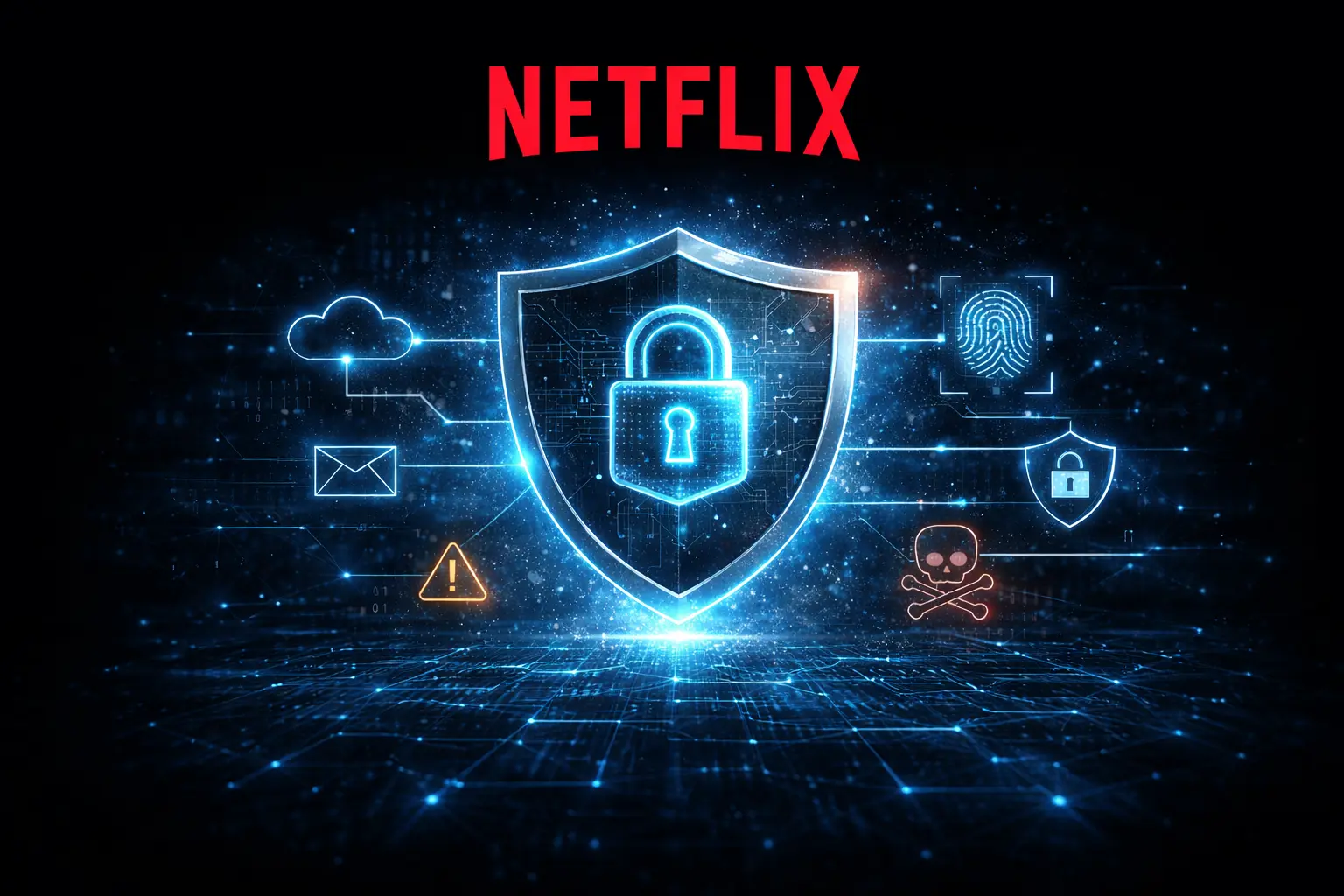
You’ve heard the horror stories. Streaming platforms leaking user data, hacked accounts sold online, pirated content causing legal trouble, and payment systems being compromised overnight. In 2026, these risks are no longer rare incidents. They are daily realities for video streaming platforms that ignore security.
If you are considering launching a white-label Netflix app, safety is not a technical checkbox anymore. It is a business survival factor.
In 2026, streaming apps handle massive volumes of sensitive data—user identities, viewing behavior, payment information, device fingerprints, and geo-location data. A single security gap can lead to regulatory penalties, app store bans, lawsuits, and irreversible brand damage.
This guide gives you an honest, no-fluff security assessment of white-label Netflix apps in 2026. You will understand the real risks, the standards your app must meet, and the practical steps to ensure your platform is safe, compliant, and trusted—without relying on assumptions or marketing claims.
We will also explain how security-first providers like Miracuves design white-label Netflix apps to meet enterprise-level security expectations from day one.
Understanding White-Label Netflix App Security Landscape
What “White-Label Netflix App Security” Really Means in 2026
White-label Netflix app security does not mean shared or weak protection. In 2026, it refers to a pre-built streaming app architecture that is customized for your brand while maintaining enterprise-grade security controls at the infrastructure, application, and data layers.
Security responsibility is split between:
- The white-label app provider (core architecture, updates, infrastructure security)
- The business owner (configuration, policies, compliance usage)
When done correctly, a white-label Netflix app can be more secure than rushed custom development.
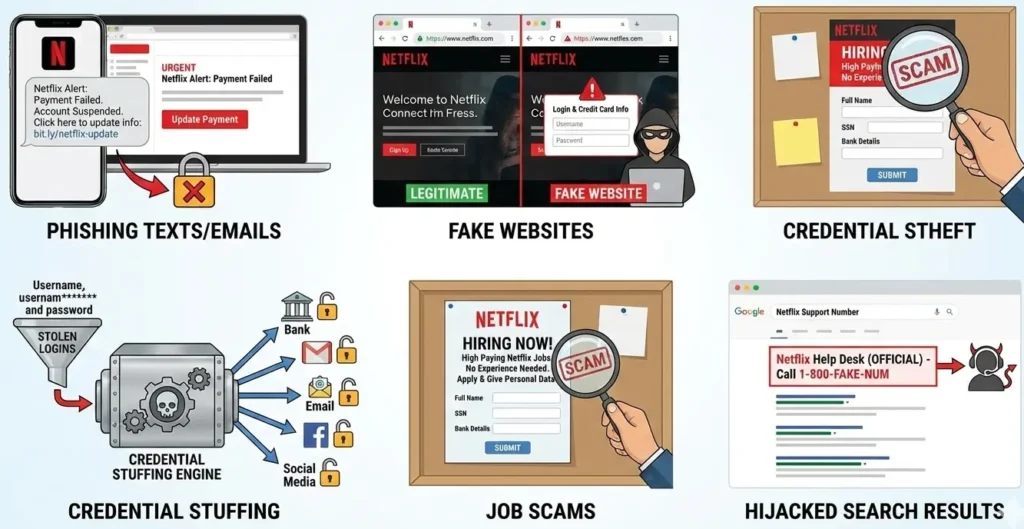
Why Businesses Worry About White-Label Streaming Apps
Concerns are valid, especially in 2026:
- High-profile streaming data leaks
- Credential stuffing attacks on OTT platforms
- Piracy lawsuits related to content distribution
- Regulatory fines for data misuse
- App store suspensions due to weak privacy controls
A white-label Netflix app processes continuous user activity, making it a high-value target.
Current Threat Landscape for Netflix-Type Apps in 2026
Netflix-style apps face specific risks:
- Account takeover via leaked credentials
- API abuse for content scraping
- Payment fraud through compromised gateways
- DRM bypass attempts
- Session hijacking on unsecured networks
- Insider access misuse
According to global app security reports (2026):
- Over 68% of OTT security incidents involve authentication weaknesses
- 41% of streaming app breaches originate from insecure APIs
- Payment-related attacks increased by more than 30% year-over-year
Security Standards That Define Safety in 2026
In 2026, a white-label Netflix app is considered safe only if it aligns with:
- Zero-trust architecture principles
- Mandatory encryption at rest and in transit
- Privacy-by-design frameworks
- Continuous vulnerability monitoring
- Compliance-driven development workflows
Security is no longer reactive. It is built, tested, monitored, and audited continuously.
Read more : – Can I get a Netflix subscription for free?
Key Security Risks & How to Identify Them
Data Protection & Privacy Risks in a White-Label Netflix App
In 2026, data is the most valuable and most regulated asset of a streaming app. A white-label Netflix app typically collects far more data than founders realize.
User Personal Information
Email IDs, phone numbers, device identifiers, IP addresses, and usage behavior are continuously logged. Weak access controls or poor encryption can expose millions of records instantly.
Payment Data Security
Subscription payments, card tokens, billing addresses, and transaction logs are prime targets. Without PCI DSS compliance and tokenized payment flows, financial exposure becomes unavoidable.
Location & Viewing Behavior Tracking
Geo-location, watch history, and content preferences are classified as sensitive data in many regions in 2026. Improper handling violates GDPR, CCPA, and newer regional privacy laws.
GDPR, CCPA, and Global Privacy Compliance
Non-compliance risks include:
- Heavy fines per affected user
- Forced app takedowns
- Mandatory breach disclosures
- Long-term trust erosion
Technical Vulnerabilities That Increase Risk
Code Quality Issues
Hardcoded credentials, outdated libraries, and lack of code audits create silent vulnerabilities that attackers exploit months later.
Server & Infrastructure Gaps
Unsecured cloud storage, weak firewall rules, and poor role-based access controls expose backend systems.
API Vulnerabilities
Streaming apps rely heavily on APIs. Missing rate limiting, weak authentication, and poor validation allow content scraping and data leaks.
Third-Party Integrations
Analytics tools, ad networks, DRM providers, and payment gateways expand the attack surface if not vetted properly.
Business-Level Risks Often Ignored
Legal Liability
In 2026, regulators hold platform owners accountable—even if the breach originates from a vendor.
Reputation Damage
Streaming apps lose user trust faster than any other app category due to subscription-based relationships.
Financial Losses
Breach recovery costs, refunds, penalties, legal fees, and infrastructure cleanup can exceed development costs.
Regulatory Penalties
Fines are calculated per affected user, making scale a liability when security is weak.
White-Label Netflix App Risk Assessment Checklist
- Is all user data encrypted at rest and in transit?
- Are payment flows PCI DSS compliant?
- Is API access protected with authentication and rate limiting?
- Are cloud servers isolated per app tenant?
- Are security audits conducted at least twice a year?
- Is there a documented incident response plan?
- Are third-party tools security-reviewed?
If any answer is unclear, the risk is real.
Security Standards Your White-Label Netflix App Must Meet
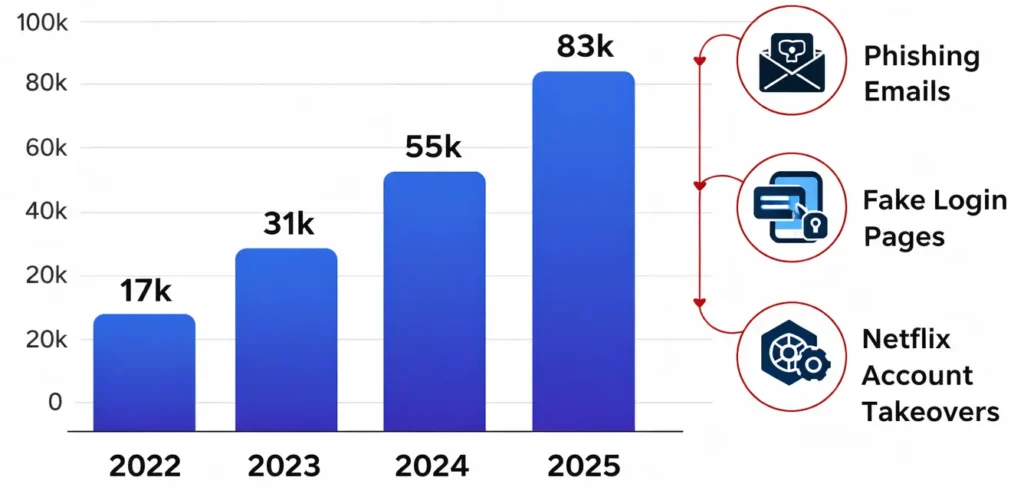
Essential Security Certifications in 2026
In 2026, a white-label Netflix app cannot be considered secure without alignment to globally recognized security and compliance frameworks. These certifications are no longer optional signals of quality. They are baseline requirements.
ISO 27001 Compliance
Ensures that the app provider follows a structured Information Security Management System (ISMS). It covers risk assessment, access control, incident management, and continuous improvement.
SOC 2 Type II
Validates how securely user data is handled over time. SOC 2 Type II is critical for streaming apps managing long-term subscriptions and recurring user activity.
GDPR Compliance
Mandatory for apps serving users in the EU. In 2026, GDPR enforcement is stricter, focusing on consent tracking, data minimization, and breach reporting timelines.
CCPA and Global Privacy Laws
US-based users are protected under CCPA and CPRA, while regions like India, UAE, and Southeast Asia have introduced their own privacy frameworks in 2026.
PCI DSS for Payments
Any white-label Netflix app offering subscriptions must comply with PCI DSS standards to protect cardholder data and prevent payment fraud.
Technical Security Requirements for Streaming Apps
End-to-End Encryption
All user data, session tokens, and content metadata must be encrypted during transmission and storage.
Secure Authentication Systems
OAuth-based login, optional two-factor authentication, and session expiry controls reduce account takeover risks.
Regular Security Audits
Code reviews, dependency scans, and infrastructure audits must be scheduled and documented.
Penetration Testing
Ethical hacking exercises identify real-world exploit paths before attackers do.
SSL Certificates and HTTPS Enforcement
Every request, including media APIs and authentication endpoints, must be secured.
Secure API Architecture
Token-based access, strict validation, and rate limiting are essential for preventing abuse and scraping.
Security Standards Comparison Overview
- Certified providers meet international compliance requirements
- Non-certified providers rely on assumptions and minimal safeguards
- Audited platforms reduce legal, financial, and reputational risk
- Continuous monitoring outperforms reactive fixes
In 2026, security standards define whether your streaming app scales safely or becomes a liability.
Read more : – Netflix Feature List Every Streaming Startup Should Know
Red Flags: How to Spot Unsafe White-Label Providers
Warning Signs You Should Never Ignore in 2026
Choosing the wrong white-label Netflix app provider is one of the biggest security risks founders make. Many security failures begin long before launch—at the vendor selection stage.
No Security Documentation
If a provider cannot share security architecture, audit reports, or compliance documentation, it usually means security was never prioritized.
Unrealistically Cheap Pricing
In 2026, enterprise-grade security has real operational costs. Extremely low pricing without a clear explanation often signals shortcuts in infrastructure, audits, or encryption.
No Compliance Certifications
Lack of ISO 27001, SOC 2, or privacy compliance indicates high regulatory risk.
Outdated Technology Stack
Old frameworks, unsupported libraries, and legacy servers increase vulnerability exposure.
Poor Code Quality
No version control, no peer reviews, and no automated testing are direct indicators of hidden risks.
No Security Update Policy
Streaming apps face evolving threats. Providers without scheduled updates leave your app exposed.
Missing Backup and Recovery Systems
Without secure backups, data loss during incidents becomes permanent.
No Cyber Insurance Coverage
In 2026, professional providers carry insurance to protect clients from breach-related liabilities.
Evaluation Checklist Before Selecting a Provider
Questions to Ask
- How often are security audits conducted?
- How is user data encrypted and isolated?
- Who is responsible for breach response?
- How are security patches deployed?
Documents to Request
- Compliance certificates
- Security policy documentation
- Data protection agreements
- Incident response procedures
Testing and Due Diligence
- Review demo app security behavior
- Validate API access controls
- Check cloud infrastructure standards
- Confirm update and monitoring processes
Ignoring these checks turns security into a gamble instead of a strategy.
Read more : –Top Features to Include in a Netflix Clone App
Best Practices for Secure White-Label Netflix App Implementation
Pre-Launch Security Measures for 2026
Security must be embedded before the app goes live. Post-launch fixes are always more expensive and less effective.
Security Audit and Risk Assessment
A full audit of the app code, APIs, and infrastructure should be completed before launch. This identifies weaknesses that may not be visible during development.
Code Review and Dependency Validation
All third-party libraries, SDKs, and frameworks must be reviewed for known vulnerabilities and licensing risks.
Infrastructure Hardening
Cloud servers should follow zero-trust principles, strict access controls, firewall rules, and network isolation.
Compliance Verification
GDPR, CCPA, PCI DSS, and regional privacy compliance must be validated with documentation and testing.
Internal Security Training
Teams managing content, users, and support must understand data handling responsibilities and breach protocols.
Post-Launch Security Monitoring and Maintenance
Continuous Threat Monitoring
Real-time monitoring tools detect suspicious activity, login abuse, and API anomalies before damage occurs.
Regular Updates and Patches
Security updates should be deployed on a fixed schedule to address emerging vulnerabilities.
Incident Response Planning
A documented response plan ensures faster containment, user communication, and regulatory reporting.
User Data Management
Data access must be logged, restricted, and reviewed regularly to prevent misuse.
Backup and Disaster Recovery
Encrypted backups with tested restoration procedures protect against data loss and ransomware.
Secure Implementation Timeline Overview
- Pre-launch audit and compliance validation
- Controlled beta testing with security monitoring
- Public launch with real-time threat detection
- Quarterly audits and compliance reviews
- Continuous updates and user data reviews
In 2026, security is not a one-time task. It is an operational discipline.
Legal & Compliance Considerations
Regulatory Requirements for White-Label Netflix Apps in 2026
In 2026, legal compliance is tightly linked with app security. A security breach is no longer treated as a technical failure but as a legal violation.
Data Protection Laws by Region
Different regions impose different obligations:
- EU regions enforce GDPR with strict consent, access, and deletion rights
- US regions follow CCPA and CPRA with enhanced consumer data controls
- India enforces the Digital Personal Data Protection Act with mandatory data localization expectations
- Middle East and Asia-Pacific regions apply sector-specific privacy laws
Your white-label Netflix app must be configurable to meet regional legal standards.
Industry-Specific Regulations
Streaming apps dealing with:
- Paid subscriptions
- User-generated profiles
- Personalized recommendations
must comply with consumer protection laws, digital content rules, and payment regulations applicable in 2026.
User Consent Management
Clear opt-in mechanisms, cookie controls, and data usage disclosures are mandatory. Silent consent is no longer valid in most jurisdictions.
Privacy Policy and Terms Requirements
Legal documents must clearly explain:
- What data is collected
- Why it is collected
- How long it is stored
- How users can request deletion
Liability Protection and Risk Reduction
Insurance Coverage
Cyber liability insurance is strongly recommended in 2026 to cover breach response costs, legal defense, and regulatory penalties.
Legal Disclaimers and User Agreements
Well-drafted agreements limit exposure while remaining compliant with consumer laws.
Incident Reporting Protocols
Most regions require breach notification within strict timelines. Delays increase penalties.
Ongoing Compliance Monitoring
Laws evolve continuously. Compliance must be reviewed regularly, not only at launch.
Legal readiness is as important as technical security for long-term sustainability.
Why Miracuves White-Label Netflix App is Your Safest Choice
Miracuves Security-First Approach in 2026
In 2026, most security failures in streaming apps happen not because businesses ignore security, but because providers treat it as an add-on. Miracuves follows a different philosophy. Security is built into the core architecture of every white-label Netflix app from day one.
Miracuves designs its platforms assuming attacks will happen. This mindset results in systems that are resilient, monitored, and compliant by default.
Enterprise-Grade Security Architecture
Miracuves white-label Netflix apps are built with:
- Isolated tenant environments to prevent cross-app data exposure
- Encrypted databases and secure cloud storage
- Role-based access controls across infrastructure and admin panels
- Hardened APIs with strict authentication and rate limiting
This architecture aligns with enterprise streaming standards expected in 2026.
Compliance Built In, Not Bolted On
Miracuves platforms are designed to support:
- GDPR and CCPA compliance by default
- PCI DSS–aligned payment flows for subscriptions
- Audit-ready security documentation
- Region-specific data handling configurations
This reduces legal risk for businesses expanding across multiple countries.
Continuous Monitoring and Updates
Security does not stop at launch:
- 24/7 monitoring for abnormal behavior
- Scheduled vulnerability scans and penetration testing
- Regular security patches and dependency updates
- Documented incident response workflows
This ensures long-term protection as threats evolve in 2026.
Proven Track Record
Miracuves has successfully delivered hundreds of white-label apps across high-risk categories, including media and subscription platforms. Across these deployments:
- Zero major security breaches reported
- Consistent compliance outcomes for clients
- Stable performance under high user loads
Final Thought
Don’t compromise on security in 2026. Miracuves white-label Netflix app solutions are built with enterprise-grade security, compliance, and monitoring at their core. With 600+ successful projects and a proven zero–major-breach record, Miracuves helps businesses launch safe, scalable streaming platforms with confidence.
Get a free security assessment and see why serious businesses trust Miracuves for secure, compliant white-label apps.
A secure foundation lets you focus on content, users, and revenue—without worrying about what could go wrong tomorrow.
FAQs
1. How secure is a white-label Netflix app compared to custom development in 2026?
In 2026, a mature white-label Netflix app with audited code and continuous monitoring is often more secure than custom apps built without long-term security processes.
2. What happens if there is a security breach?
A secure provider follows an incident response plan that includes containment, user notification, regulatory reporting, and system recovery within legal timelines.
3. Who is responsible for security updates?
In a white-label Netflix app, the provider handles core security updates, while the business manages configuration, policies, and compliance usage.
4. How is user data protected in a white-label Netflix app?
User data is protected using encryption at rest and in transit, access controls, secure authentication, and continuous monitoring in 2026-ready systems.
5. What compliance certifications should I look for in 2026?
ISO 27001, SOC 2 Type II, GDPR, CCPA, and PCI DSS are essential for a secure white-label Netflix app.
6. Can white-label Netflix apps meet enterprise security standards?
Yes. With the right provider, white-label Netflix apps can meet and maintain enterprise-grade security standards in 2026.
7. How often should security audits be conducted?
At minimum, security audits should be conducted twice a year, with continuous vulnerability scanning throughout 2026.
8. What is included in the Miracuves security package?
Miracuves provides encrypted architecture, compliance-ready systems, continuous monitoring, regular audits, and structured incident response.
9. How is security handled across different countries?
White-label Netflix apps must support region-specific data handling, consent management, and compliance rules based on local laws in 2026.
10. What insurance is needed for app security?
Cyber liability insurance is recommended in 2026 to cover breach response costs, legal claims, and regulatory penalties.