


Building a mobile app sounds exciting. You have an idea, a vision, and the motivation to bring it to life. But here’s the reality—most apps fail, not because the idea was bad, but because of avoidable mistakes during development.
Many startups jump straight into development without proper planning, only to realize later that they’ve wasted time, money, and effort. This is where smart decision-making and the right guidance matter.
At Miracuves, we’ve worked with startups and businesses across industries, helping them avoid costly development mistakes by offering ready-made apps, SaaS platforms, and custom solutions that accelerate success.
In this guide, we’ll walk you through the most common mobile app development mistakes—and more importantly, how to avoid them.
Why Most Mobile Apps Fail
Before we dive into the mistakes, it’s important to understand why so many apps fail.
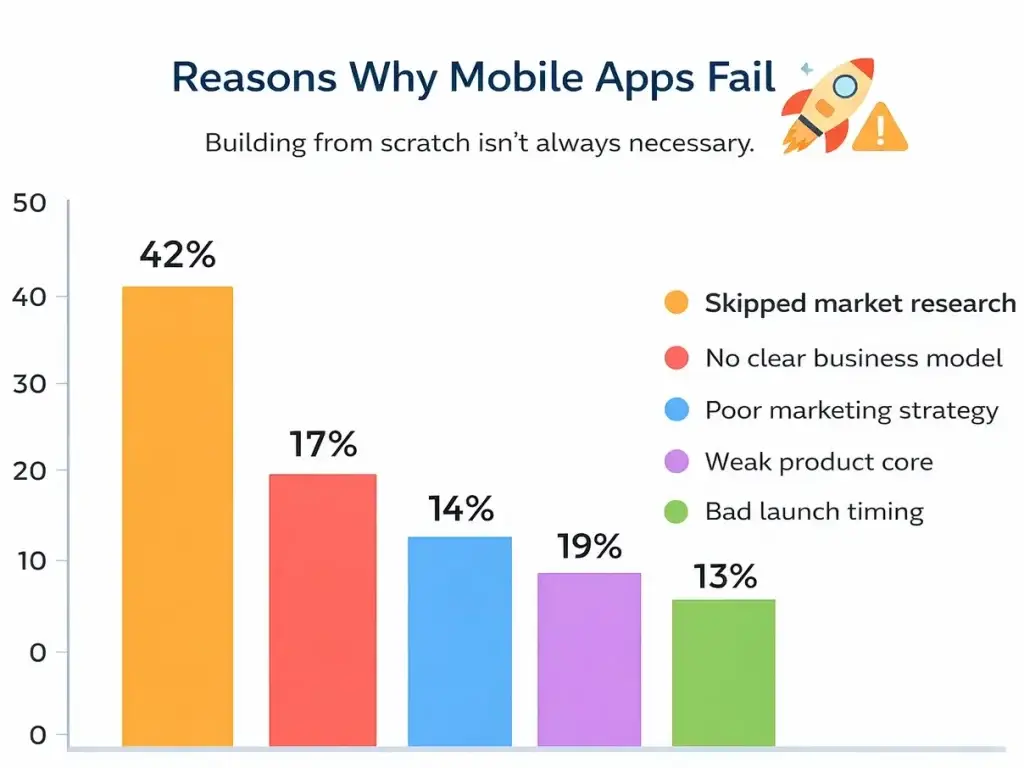
Studies suggest that a large percentage of apps lose users within the first few months. The problem is rarely the idea—it’s the execution.
Read more : – How to Turn Your Startup Idea Into a Mobile App
Top Mistakes to Avoid When Building a Mobile App
1. Skipping Market Research
Many founders assume their idea is unique and needed. But without proper validation, you’re building blindly.
What goes wrong
- No real demand
- Wrong target audience
- Poor product-market fit
What to do instead
- Conduct surveys and interviews
- Analyze competitors
- Validate your idea before development
2. Adding Too Many Features
Trying to build a “perfect app” from day one is a common mistake.
What goes wrong
- Increased development cost
- Longer time to market
- Confusing user experience
What to do instead
- Start with a Minimum Viable Product (MVP)
- Focus on core features
- Improve based on user feedback
3. Ignoring User Experience (UX)
A great idea can fail if the app is hard to use.
What goes wrong
- Users uninstall quickly
- Low engagement
- Negative reviews
What to do instead
- Keep the design simple
- Focus on usability
- Test user journeys before launch
4. Choosing the Wrong Technology Stack
Technology decisions affect performance, scalability, and maintenance.
What goes wrong
- Slow app performance
- Frequent crashes
- High maintenance costs
What to do instead
- Choose scalable technologies
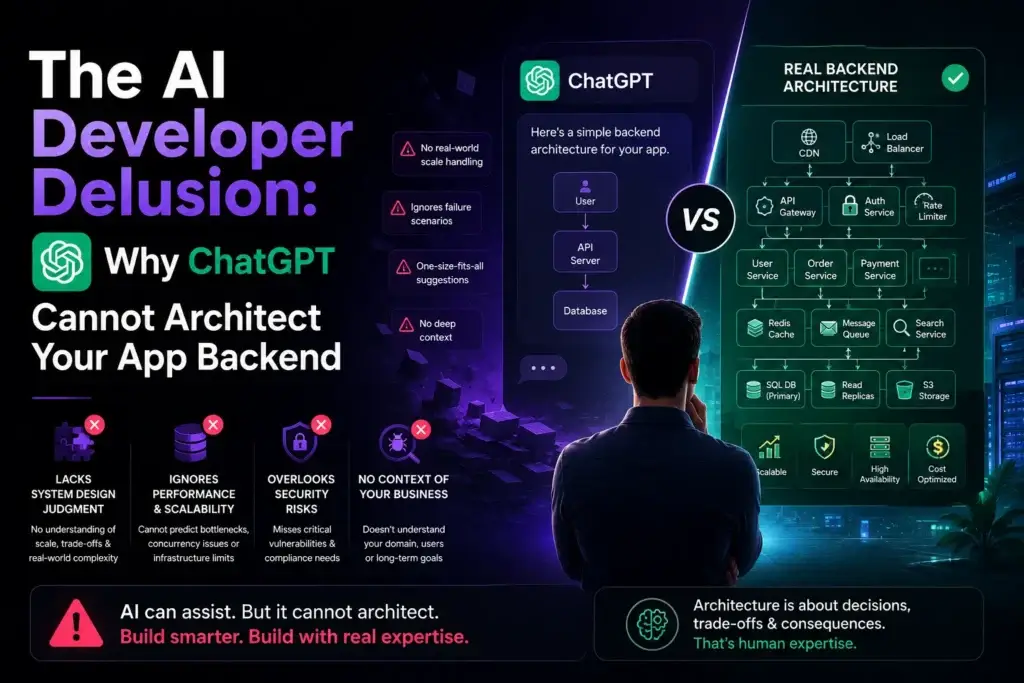
- Consult experienced developers
- Align tech with business goals
5. No Clear Monetization Strategy
Many apps launch without a revenue plan.
What goes wrong
- No return on investment
- Unsustainable growth
What to do instead
- Decide revenue model early
- Options include subscriptions, ads, or in-app purchases
6. Poor Budget Planning
Underestimating costs can stop your project midway.
What goes wrong
- Running out of funds
- Compromising quality
What to do instead
- Plan for development, marketing, and maintenance
- Keep a buffer budget
7. Skipping Testing
Launching without testing is risky.
What goes wrong
- Bugs and crashes
- Poor user experience
What to do instead
- Perform multiple testing phases
- Use real users for feedback
8. Ignoring Scalability
Your app might work for 100 users but fail at 10,000.
What goes wrong
- Server crashes
- Slow performance
What to do instead
- Design for growth from the beginning
- Use scalable infrastructure
9. Weak Marketing Strategy
Even great apps fail without visibility.
What goes wrong
- No downloads
- Low awareness
What to do instead
- Plan marketing before launch
- Use social media and app store optimization
10. Hiring the Wrong Development Team
Choosing inexperienced developers can cost you more in the long run.
What goes wrong
- Poor quality app
- Missed deadlines
- Increased costs
What to do instead
- Work with experienced teams
- Choose partners who understand business goals
Mistakes vs Smart Solutions
| Mistake | Impact | Smart Fix |
|---|---|---|
| No research | Product failure | Validate idea |
| Too many features | High cost | Build MVP |
| Poor UX | User drop | Focus on design |
| Wrong tech | Performance issues | Choose scalable tech |
| No monetization | No revenue | Plan business model |
How to Build a Successful Mobile App
Step 1: Validate Your Idea
Understand your audience and problem.
Step 2: Build an MVP
Launch a basic version with core features.
Step 3: Test and Improve
Gather feedback and refine your app.
Step 4: Scale Smartly
Add features based on user demand.
When to Use Ready-Made or Clone Apps
Building from scratch isn’t always necessary.
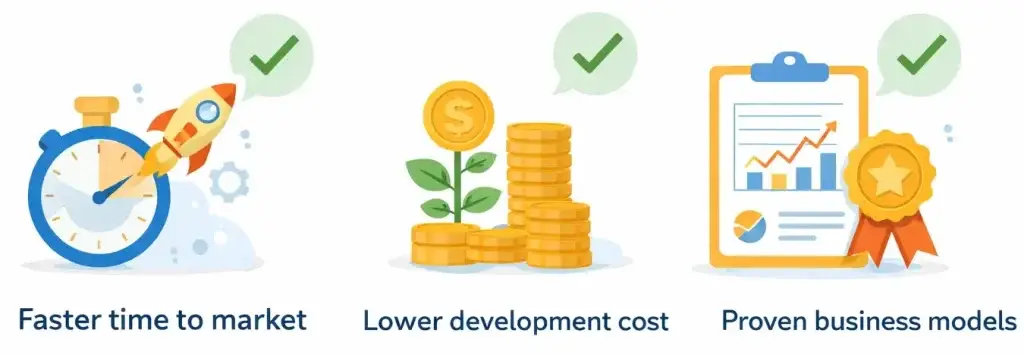
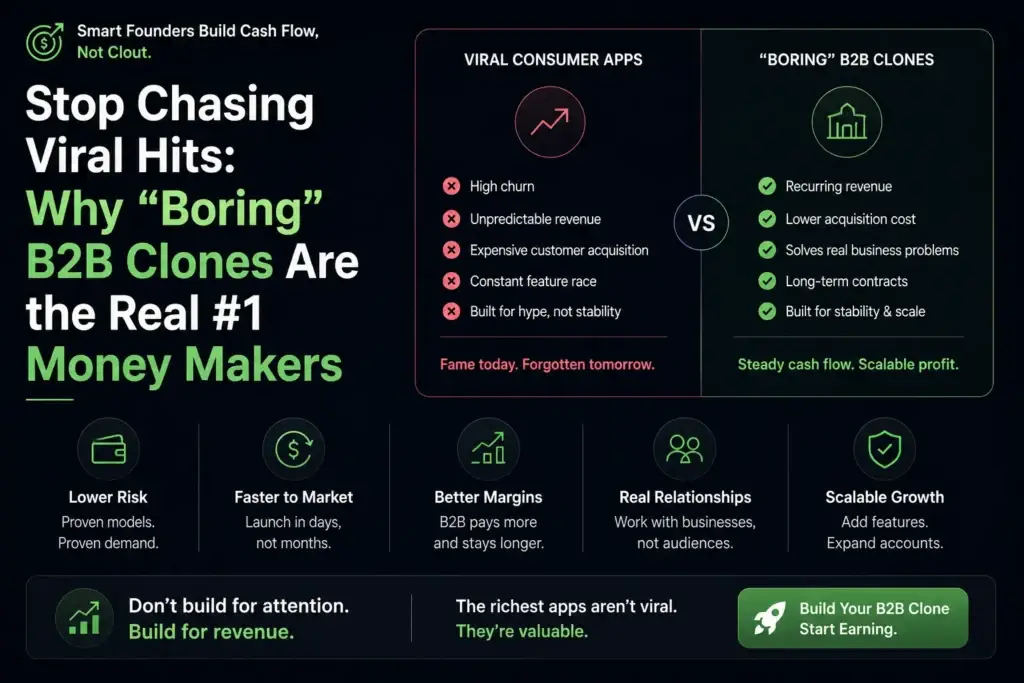
Ready-made and clone apps can help you launch quickly while minimizing risks. This approach is especially useful for startups with limited budgets.
How Miracuves Helps You Avoid These Mistakes
Instead of struggling with trial and error, you can work with experts who already understand the process.
Miracuves provides:
- Ready-made apps for quick launch
- Clone apps based on proven models
- SaaS platforms for scalability
- AI automation solutions
- Custom app development services
These solutions help you avoid common pitfalls while saving time and money.
If you want to build your app the right way and avoid costly mistakes, contact Miracuves today to get started.
Conclusion
Building a mobile app is not just about coding—it’s about making the right decisions at every stage.
Avoiding these common mistakes can significantly increase your chances of success. Focus on validation, simplicity, user experience, and scalability.
The difference between a successful app and a failed one often comes down to avoiding these early missteps.
FAQs
1. What is the biggest mistake in mobile app development?
Skipping market research is one of the biggest mistakes because it leads to building something users don’t need.
2. Why do most mobile apps fail?
Most apps fail due to poor planning, lack of user focus, and weak execution strategies.
3. Should I build an MVP first?
Yes, building an MVP helps you test your idea and reduce risk before investing heavily.
4. How much does it cost to build a mobile app?
Costs vary depending on features, complexity, and development approach, but planning helps control expenses.
5. Can ready-made apps reduce development risks?
Yes, ready-made apps are faster, cost-effective, and based on proven business models.
Related Articles