
You’ve probably heard the horror stories—data breaches, payment leaks, and apps getting hacked overnight. When it comes to launching a fashion marketplace like a Revolve clone, security isn’t just a technical requirement—it’s the foundation of user trust.
In 2026, users expect platforms to protect their personal data, payment information, and shopping behavior without compromise. One weak link can damage your brand before it even scales.
This is where many founders hesitate with white-label solutions. Are they truly secure, or are they shortcuts that come with hidden risks?
In this guide, we’ll break down the real safety of a white-label Revolve clone, uncover the actual risks, and show how platforms like Miracuves ensure enterprise-grade protection without slowing down your launch.
Understanding White-Label Revolve Clone Security Landscape
What “White-Label Security” Actually Means
A white-label Revolve clone is a pre-built fashion eCommerce platform that can be customized with your brand identity. But security in this context is not “pre-set and forget.” It depends on how the platform is built, maintained, and deployed.
White-label security includes:
- Backend architecture protection
- Data encryption mechanisms
- Secure payment integrations
- Server and hosting infrastructure
- Ongoing updates and vulnerability patches
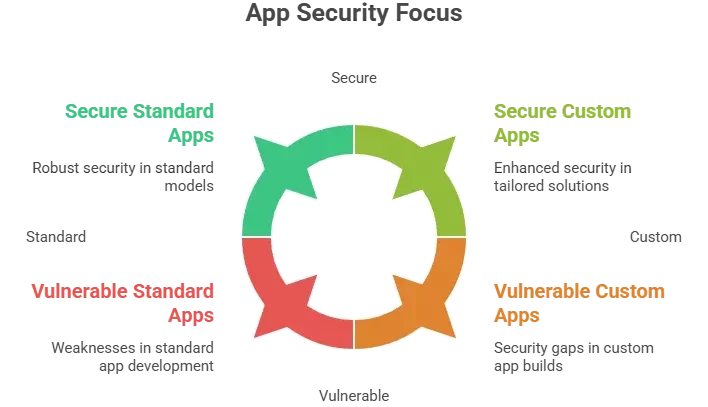
The biggest misconception is that white-label apps are less secure. In reality, well-built white-label solutions often follow stricter security frameworks because they are reused across multiple deployments and continuously improved.
Why Founders Worry About White-Label Apps
There are valid concerns, especially for fashion marketplaces like a Revolve clone where sensitive data is involved:
- Customer personal data (names, addresses, contact info)
- Payment credentials and transaction records
- User behavior tracking (wishlist, cart activity)
- Vendor dashboards and inventory data
If compromised, these can lead to financial loss and brand damage.
Current Threat Landscape for Fashion Marketplace Platforms
In 2025–2026, eCommerce and fashion platforms have become prime targets due to high transaction volume and user data.
Common threats include:
- Payment fraud attacks targeting checkout systems
- API exploitation through weak integrations (payment gateways, logistics APIs)
- Credential stuffing attacks on user accounts
- Malicious bots scraping pricing and inventory data
- Ransomware attacks targeting backend servers
Fashion platforms like Revolve clones are especially vulnerable because they combine high traffic + frequent transactions + third-party integrations.
Security Standards in 2026
Modern platforms are expected to follow structured security practices, including:
- Zero-trust architecture
- End-to-end encryption for transactions
- Secure cloud infrastructure (AWS, GCP with IAM controls)
- Automated threat detection systems
- Compliance-first data handling
Security is no longer optional—it’s a baseline expectation.
Real-World Security Statistics (Contextual Insight)
- Over 43% of cyberattacks target small to mid-sized businesses (2025 reports)
- eCommerce platforms saw a 30% increase in payment fraud attempts year-over-year
- Nearly 60% of data breaches involve weak APIs or third-party integrations
- Businesses without regular security audits are 3x more likely to face breaches
These numbers highlight one thing clearly: security gaps are not theoretical—they are actively exploited.
This makes it critical to understand not just whether a white-label Revolve clone is safe—but where the real risks exist and how to identify them.
Read more : – Business Model of Revolve : Complete Strategy Breakdown 2026
Key Security Risks & How to Identify Them
Launching a white-label Revolve clone without understanding its risk areas is one of the biggest mistakes founders make. Security issues don’t usually come from one big flaw—they come from multiple small gaps that go unnoticed.
Let’s break down the high-risk areas you need to evaluate.
Data Protection & Privacy Risks
Fashion marketplaces handle sensitive user data daily. If not protected properly, this becomes the easiest attack surface.
User Personal Information
- Names, addresses, phone numbers, and emails
- Risk: Data leaks leading to identity theft and spam exploitation
Payment Data Security
- Card details, UPI, wallets, transaction logs
- Risk: Financial fraud, chargebacks, and legal penalties
Location Tracking Concerns
- Delivery tracking and geolocation data
- Risk: Privacy violations and misuse of user movement data
GDPR / Data Compliance Gaps
- Improper consent handling
- Missing data deletion or export features
- Risk: Heavy regulatory fines and platform restrictions
Technical Vulnerabilities
Even a visually perfect platform can fail at the backend level if technical security is weak.
Code Quality Issues
- Poorly written or unoptimized code
- Lack of security validation layers
- Risk: Easy exploitation through known vulnerabilities
Server Security Gaps
- Weak cloud configurations
- Open ports or unsecured admin access
- Risk: Full server takeover or data breach
API Vulnerabilities
- Unsecured third-party integrations (payment, shipping, analytics)
- Lack of authentication or rate limiting
- Risk: Data leaks and unauthorized access
Third-Party Dependency Risks
- Plugins, SDKs, or integrations not regularly updated
- Risk: Indirect attacks through external systems
Business Risks
Security is not just technical—it directly impacts your business stability.
Legal Liability
- Non-compliance with data protection laws
- Risk: Lawsuits, penalties, and bans
Reputation Damage
- One breach can destroy user trust
- Risk: Drop in users, negative PR, brand loss
Financial Losses
- Fraud, refunds, penalties, downtime
- Risk: Direct revenue impact and operational costs
Regulatory Penalties
- Failure to meet standards like GDPR or PCI DSS
- Risk: Heavy fines and platform shutdowns
Risk Assessment Checklist
Before choosing or launching your white-label Revolve clone, evaluate this:
- Is user data encrypted at rest and in transit?
- Are payment gateways PCI DSS compliant?
- Does the platform support secure authentication (2FA/OAuth)?
- Are APIs protected with tokens and rate limiting?
- Is there a regular update and patching policy?
- Are backups automated and tested?
- Is there a documented incident response plan?
If even 2–3 of these are missing, your platform is already exposed to serious risk.
Understanding these risks is the first step. The next step is knowing what security standards your platform must meet to stay protected in 2026.
Security Standards Your White-Label Revolve Clone Must Meet
In 2026, security is not about “adding features”—it’s about meeting globally accepted standards. If your white-label Revolve clone doesn’t align with these benchmarks, it’s not considered secure by modern industry expectations.
Essential Certifications
These certifications act as trust signals and compliance requirements for fashion marketplace platforms.
ISO 27001 Compliance
- Global standard for information security management
- Ensures structured risk management and data protection processes
SOC 2 Type II
- Validates how your system handles user data over time
- Focuses on security, availability, and confidentiality
GDPR Compliance
- Mandatory for handling EU user data
- Includes consent management, data access, and deletion rights
HIPAA (If Applicable)
- Required only if your platform handles health-related data
- Less common for Revolve clones but important in niche cases
PCI DSS (Payment Security)
- Mandatory for handling card payments
- Protects against fraud and unauthorized transactions
Technical Security Requirements
Beyond certifications, your platform must implement strong technical safeguards.
End-to-End Encryption
- Protects data during transmission and storage
- Ensures no third party can intercept sensitive information
Secure Authentication (2FA / OAuth)
- Adds an extra layer of login protection
- Prevents unauthorized account access
Regular Security Audits
- Identifies vulnerabilities before attackers do
- Should be conducted quarterly or after major updates
Penetration Testing
- Simulates real-world attacks to test system strength
- Helps uncover hidden weaknesses
SSL Certificates (HTTPS)
- Secures communication between user and server
- Builds trust and improves SEO ranking
Secure API Design
- Token-based authentication
- Rate limiting and input validation
- Prevents data leaks through integrations
Security Standards Comparison Table
| Security Element | Basic Platforms | Secure White-Label (Recommended) |
|---|---|---|
| Data Encryption | Partial or optional | Full end-to-end encryption |
| Payment Security | Basic gateway use | PCI DSS compliant integrations |
| Authentication | Password only | 2FA + OAuth |
| API Protection | Minimal validation | Token-based + rate limiting |
| Compliance | Not defined | GDPR, ISO, SOC aligned |
| Security Testing | Rare or none | Regular audits + penetration |
| Updates & Patching | Irregular | Continuous monitoring & updates |
Meeting these standards is not just about protection—it’s about building a platform users trust with their money and personal data.
The real challenge, however, is identifying providers who actually follow these standards—and avoiding those who only claim to.
Red Flags: How to Spot Unsafe White-Label Providers
Not all white-label providers follow proper security practices. Many focus on speed and low cost, but compromise heavily on protection. Identifying these risks early can save your business from serious damage later.
Warning Signs You Should Never Ignore
No Security Documentation
- No mention of encryption, compliance, or security layers
- No architecture transparency
- Risk: You don’t know how your data is being handled
Unrealistically Cheap Pricing
- Extremely low cost without clear breakdown
- Security often sacrificed to reduce development cost
- Risk: Hidden vulnerabilities and poor infrastructure
No Compliance Certifications
- No GDPR, PCI DSS, or ISO alignment
- No audit reports available
- Risk: Legal exposure and penalties
Outdated Technology Stack
- Old frameworks, unsupported libraries
- No mention of cloud security or scalability
- Risk: Easy exploitation by attackers
Poor Code Quality
- No code review process
- No testing standards
- Risk: Bugs that turn into security loopholes
No Security Updates Policy
- No regular patching or maintenance plan
- Risk: Platform becomes vulnerable over time
Lack of Data Backup Systems
- No automated backups or recovery plans
- Risk: Permanent data loss in case of attack
No Insurance or Liability Coverage
- No cyber insurance or risk coverage
- Risk: You bear full financial loss in case of breach
Evaluation Checklist Before Choosing a Provider
Questions You Must Ask
- What security standards does your platform follow?
- Do you provide encryption for user and payment data?
- How often are security audits conducted?
- What happens if a breach occurs?
- Do you offer post-launch security support?
Documents You Should Request
- Security architecture overview
- Compliance certificates (ISO, GDPR, PCI DSS)
- Penetration testing reports
- Data handling and privacy policies
Testing Procedures to Follow
- Perform basic vulnerability scans
- Test login, payment, and API endpoints
- Check for HTTPS and secure headers
- Validate error handling (no sensitive data exposure)
Due Diligence Steps
- Review past projects and case studies
- Check client reviews related to security
- Analyze update frequency and support structure
- Ensure scalability and long-term maintenance
Choosing the wrong provider is one of the biggest risks in launching a Revolve clone. The next step is understanding how to implement security correctly from day one—before and after launch.
Best Practices for Secure White-Label Revolve Clone Implementation
Security is not something you add later—it must be built into your platform from day one. A well-secured Revolve clone follows a structured approach before launch and continues evolving after going live.
Pre-Launch Security Setup
Before your platform goes live, these steps are critical to eliminate foundational risks.

Security Audit Process
- Conduct a full system audit covering backend, frontend, and APIs
- Identify vulnerabilities in authentication, payments, and data flow
Code Review Requirements
- Ensure clean, optimized, and secure coding standards
- Remove unused or outdated libraries
- Implement input validation and error handling
Infrastructure Hardening
- Use secure cloud environments (AWS, GCP)
- Restrict access with IAM roles and firewall rules
- Disable unused ports and services
Compliance Verification
- Confirm GDPR and PCI DSS alignment
- Validate consent management and data handling policies
Staff Training Programs
- Train internal teams on basic cybersecurity practices
- Prevent phishing, weak password usage, and data mishandling
Post-Launch Security Monitoring
Launching is just the beginning. Most attacks happen after platforms gain traction.
Continuous Security Monitoring
- Use real-time monitoring tools to detect suspicious activity
- Set alerts for unusual login attempts or transaction spikes
Regular Updates and Patches
- Apply security patches immediately
- Keep frameworks, APIs, and plugins updated
Incident Response Planning
- Define clear steps for breach handling
- Assign roles and responsibilities
- Ensure quick containment and recovery
User Data Management
- Store only necessary user data
- Apply encryption and access restrictions
- Provide users control over their data
Backup and Recovery Systems
- Automate daily backups
- Test recovery processes regularly
- Store backups in secure, separate locations
Security Implementation Timeline
| Phase | Key Actions |
|---|---|
| Week 1–2 | Security audit, code review, infrastructure setup |
| Week 3–4 | Compliance checks, penetration testing |
| Pre-Launch | Final vulnerability scan, backup setup |
| Post-Launch (0–30 days) | Monitoring setup, patch updates, performance checks |
| Ongoing | Quarterly audits, continuous monitoring, regular updates |
A secure launch is important—but long-term success depends on consistent monitoring and proactive security management.
Now let’s look at the legal side—because even a technically secure app can fail without proper compliance.
Legal & Compliance Considerations
Security is not just technical—it is also legal. A white-label Revolve clone must comply with multiple data protection and eCommerce regulations depending on where your users are located. Ignoring this can lead to penalties even if your platform is technically secure.
Regulatory Requirements
Data Protection Laws by Region
- Europe: GDPR requires strict consent, data access, and deletion rights
- USA: CCPA/CPRA focuses on user data transparency and control
- India: DPDP Act governs personal data collection and processing
- Other regions: Local privacy laws may apply based on user base
Industry-Specific Regulations
- eCommerce platforms must follow consumer protection laws
- Payment systems must align with PCI DSS standards
- Tax and invoicing regulations vary by country
User Consent Management
- Clear opt-in mechanisms for data collection
- Cookie consent banners for tracking technologies
- Transparent communication of how user data is used
Privacy Policy Requirements
- Must clearly define:
- Data collection practices
- Data usage and storage
- Third-party integrations
- User rights and controls
Terms of Service Essentials
- Define platform rules for buyers and sellers
- Clarify refund, return, and dispute policies
- Limit liability where applicable
Liability Protection
Even with strong security, risks can still occur. Legal preparation reduces damage.
Insurance Requirements
- Cybersecurity insurance to cover breach-related losses
- Business liability insurance for operational risks
Legal Disclaimers
- Define responsibility boundaries between platform and users
- Protect against misuse of services
User Agreements
- Mandatory acceptance during signup
- Covers privacy, payments, and usage policies
Incident Reporting Protocols
- Clear process to notify users in case of a breach
- Must comply with regional reporting timelines (e.g., GDPR 72-hour rule)
Regulatory Compliance Monitoring
- Regular updates to match changing laws
- Periodic legal audits
Compliance Checklist by Region
| Region | Key Requirement | Mandatory? |
|---|---|---|
| Europe | GDPR compliance | Yes |
| USA | CCPA / CPRA | Yes (state-based) |
| India | DPDP Act | Yes |
| Global | PCI DSS (for payments) | Yes |
| Global | Privacy policy & consent system | Yes |
Legal compliance is what protects your business when things go wrong. Without it, even a minor issue can turn into a major financial and reputational setback.
Now, let’s understand why choosing the right development partner makes all the difference—and how Miracuves ensures security at every level.
Why Miracuves White-Label Revolve Clone is Your Safest Choice
Choosing the right technology partner is the most important security decision you will make. A secure foundation does not come from tools alone—it comes from how the platform is architected, tested, and maintained over time.
Miracuves focuses on building security-first white-label platforms, ensuring that your Revolve clone is protected from day one and remains resilient as it scales.
Read more : – Best Revolve Clone Scripts 2025: Launch a Premium Fashion E-Commerce Store That Scales
Miracuves Security Advantages
Enterprise-Grade Security Architecture
- Built with scalable, secure microservices architecture
- Follows modern cloud security best practices
Regular Security Audits & Compliance Alignment
- Continuous vulnerability assessments
- Alignment with GDPR, PCI DSS, and global standards
GDPR / CCPA Ready by Default
- Built-in consent management systems
- User data access and deletion capabilities
24/7 Security Monitoring
- Real-time threat detection
- Immediate alerts for suspicious activities
Encrypted Data Transmission
- End-to-end encryption for sensitive data
- Secure communication across all system layers
Secure Payment Processing
- PCI DSS compliant payment integrations
- Protection against fraud and unauthorized transactions
Continuous Security Updates
- Regular patches and system upgrades
- Protection against evolving threats
Insurance & Risk Coverage
- Structured approach to minimize liability exposure
- Prepared incident response systems
Built for Long-Term Trust, Not Just Launch
Most platforms focus on getting you live quickly. Miracuves ensures your platform stays secure as your user base grows, transactions increase, and integrations expand.
This means:
- No shortcuts in security implementation
- No outdated frameworks
- No compromise on compliance=
Final Thoughts
Building a white-label Revolve clone in 2026 is not just about speed, features, or design—it is about trust. Users are sharing their personal details, payment information, and shopping behavior with your platform. If that trust is broken even once, recovery becomes extremely difficult.
The reality is simple. White-label apps are not inherently unsafe. The risk comes from how they are built, deployed, and maintained. A well-structured white-label solution with proper security standards, compliance alignment, and continuous monitoring can be just as secure—if not more—than many custom-built platforms. Talk to our security experts and understand how your platform can be built with complete protection from the start with miracuves.
FAQs
1. How secure is a white-label Revolve clone compared to custom development?
A well-built white-label Revolve clone can be equally or more secure than custom apps because it follows standardized security frameworks, regular updates, and tested architecture.
2. What happens if there’s a security breach?
If a breach occurs, a proper system should have an incident response plan including immediate containment, user notification, data recovery, and vulnerability patching.
3. Who is responsible for security updates?
The development partner typically handles core security updates, while the business owner must ensure proper usage, access control, and compliance practices.
4. How is user data protected in a white-label app?
User data is protected through encryption, secure servers, access controls, and compliance with regulations like GDPR and PCI DSS.
5. What compliance certifications should I look for?
Key certifications include ISO 27001, SOC 2 Type II, GDPR compliance, and PCI DSS for secure payment processing.
6. Can a white-label Revolve clone meet enterprise-level security standards?
Yes, if built with proper architecture, encryption, compliance alignment, and continuous monitoring, it can meet enterprise-grade security expectations.
7. How often should security audits be conducted?
Security audits should be conducted at least quarterly, and immediately after major updates or feature additions.
8. What is included in Miracuves security package?
It includes encrypted infrastructure, secure payment integration, compliance readiness, regular audits, monitoring systems, and continuous updates.
9. How to handle security for users in different countries?
You must follow region-specific laws like GDPR (Europe), CCPA (USA), and DPDP (India), along with global payment security standards.
10. What type of insurance is required for app security?
Cybersecurity insurance and business liability insurance are recommended to cover financial losses from breaches or system failures.
Related Articles
Miracuves is an independent software development company. We are not affiliated with, connected to, sponsored by, or endorsed by any company or product named in this article.
Terms such as “X Clone” are used descriptively. It is how the software industry refers to building a platform with functionality comparable to a known service, and how clients search for it.
The entire design and codebase of our products is built by our own team. Our products contain no code, design, graphics, or content originating from any third-party website or applications.
All third-party names and marks referenced in this article are the property of their respective owners, referenced solely to identify the services discussed.