MEXC Clone App - White-Label Altcoin-Listing Centralized Exchange
Miracuves' ready-made, white-label MEXC clone lets listing-led venues add coins and tokens, choose quote assets and price every pair, with source code you own for the trader website, two Flutter apps and the admin, live in six working days.
A token can open with a launchpad round before its pair trades, and the admin has an ICO menu for it. Choosing and vetting projects, the liquidity behind your markets and the registration your region demands stay with you, and app-store review follows its own schedule at Apple and Google; liquidity pools and bots are add-ons. A listing approval step for your compliance staff is scoped in writing, then delivered within 2-8 weeks.
Launch in 6 Days with
- Unencrypted Code
- Web Trading Site
- Android + iOS
- Operator Console
- Fill Ledger
- Coin Importer
StackFlutter · ReactJS · Node.js · PNPM · Tailwind CSS · MySQL
Operator activity
- Coin listed and pair openedListings
- Round contribution recordedLaunchpad
- KYC application approvedKYC
- Withdrawal queued for sign-offWithdrawals
- Deposit credited after confirmationsWallets
- Staking pool updatedStaking
- Maker fee set on a new pairFees
- Provider markets importedMarkets
- Coin listed and pair openedListings
- Round contribution recordedLaunchpad
- KYC application approvedKYC
- Withdrawal queued for sign-offWithdrawals
- Deposit credited after confirmationsWallets
- Staking pool updatedStaking
- Maker fee set on a new pairFees
- Provider markets importedMarkets

- 6Quote FiltersUSDT, BTC, BNB, TRY, USDC and FDUSD in the demo markets list
- 2Withdrawal Approval Modesa staff member or a setting, chosen before launch
- 0%Revenue Share With Miracuvesnothing taken from listing, trading or launchpad income
- 4Profit Lineswithdrawals, transfers, P2P deals and ICO contributions, each booked separately
- 6Days to Launchand if the delay is ours, we keep going free
- $5,199Paid Once, Not Rentedsource code yours, no per-seat fee, no monthly rental
Live in six working days, or we keep working free until you launch. Every build carries 60 days guidance, 6 months bug fixes and 12 months updates.Verify every figure
Annurax Exchange Began From This Code
Annurax Exchange held a license but no trading platform; its 2024 venue was built from the code sold on this page, a base Miracuves sets up in 6 working days.
Seed Markets From a Provider
An importer in asset management brings in an exchange provider's markets and currencies, so the first pairs need not be typed in one by one.
Coins Leave Only After Sign-Off
Hot and cold stores are held apart and deposits credit after chain confirmations; a bank or fiat partner is yours to choose, and we wire in the one you pick.
01Try before you buy
Try It Yourself
Open the MEXC Clone Demo: Markets App, Web Trading Site & Admin Console
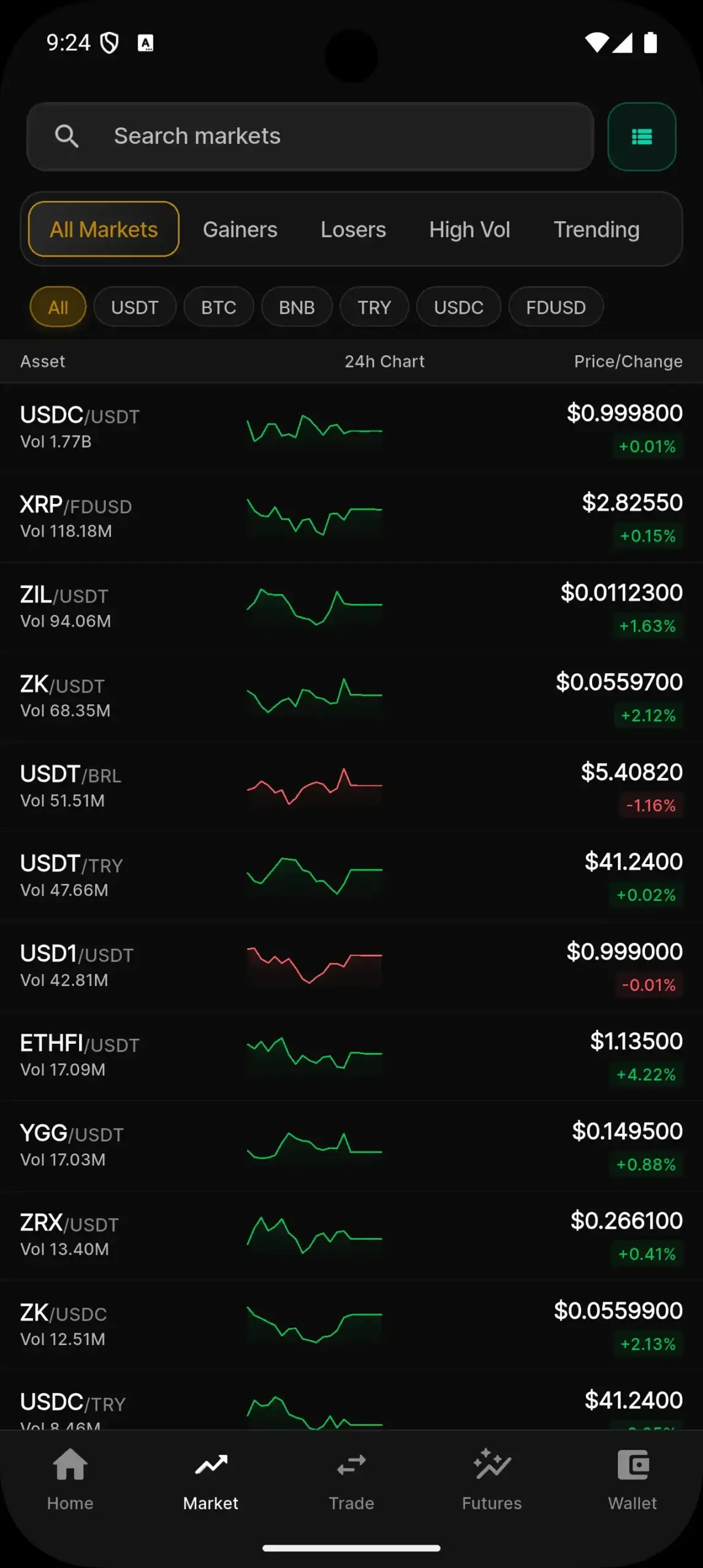
Miracuves lets you poke around its MEXC clone demo before anybody calls you back. The same demo credentials work in the trader app and on the web site, and the admin login comes over on a guided call. Scroll the long markets list, filter it by quote asset, tap the Launchpad tile on Home and copy a deposit address.

MEXC Clone - Markets App
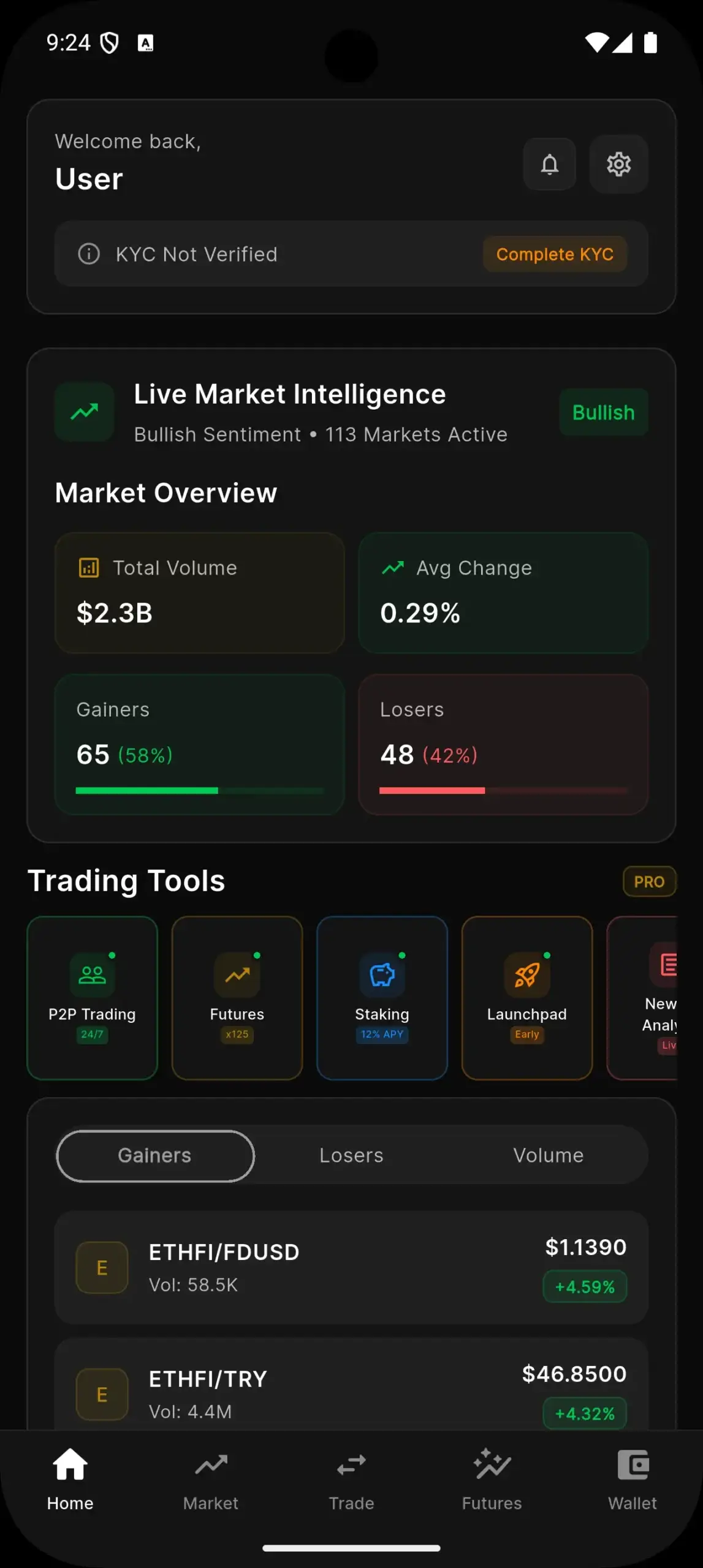
The whole venue in a pocket. Home shows KYC status, a market overview and a Trading Tools strip; the Market tab filters by quote asset; the wallet hands out deposit addresses; staking pools carry an APR figure.
- 1Open the app portal from your handset
- 2Sign in with the credentials shown here
- 3Look through Home, Market, Wallet and Staking
user@demo.com | User_321
MEXC Clone - Web Trading Site
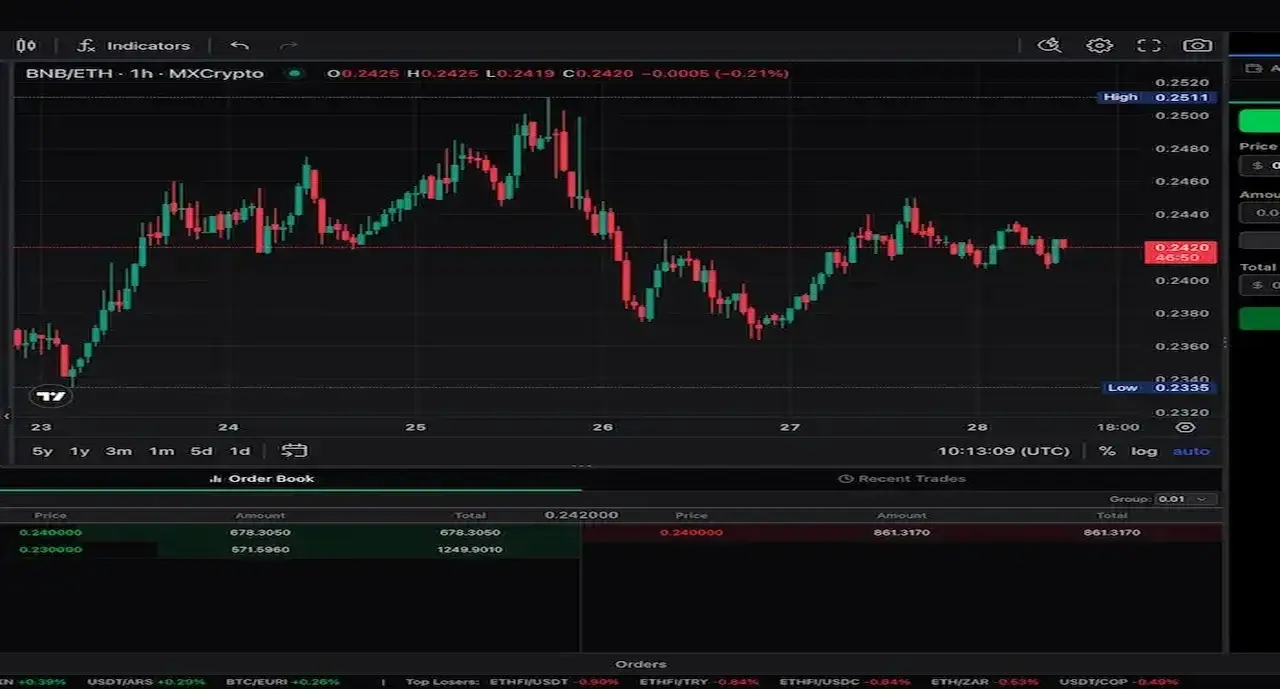
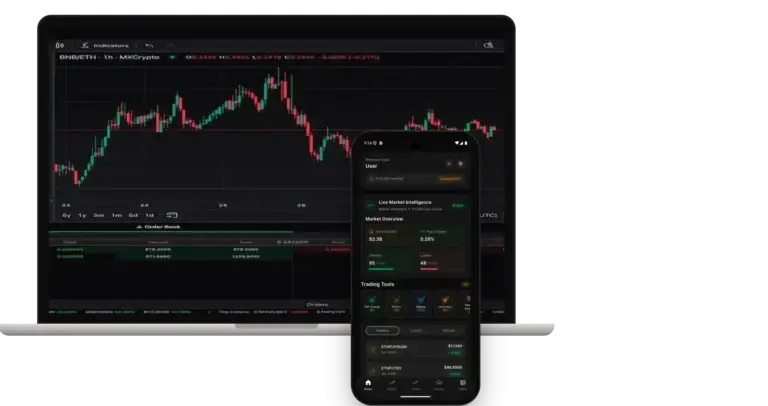
The same venue in a browser tab. A candlestick chart with indicators is flanked by the order book and a list of recent trades, and wallet and account pages sit behind it.
- 1Load the demo site in another tab
- 2Sign in with the credentials shown here
- 3Explore the Markets, Trade, Wallet and Account pages
user@demo.com | User_321
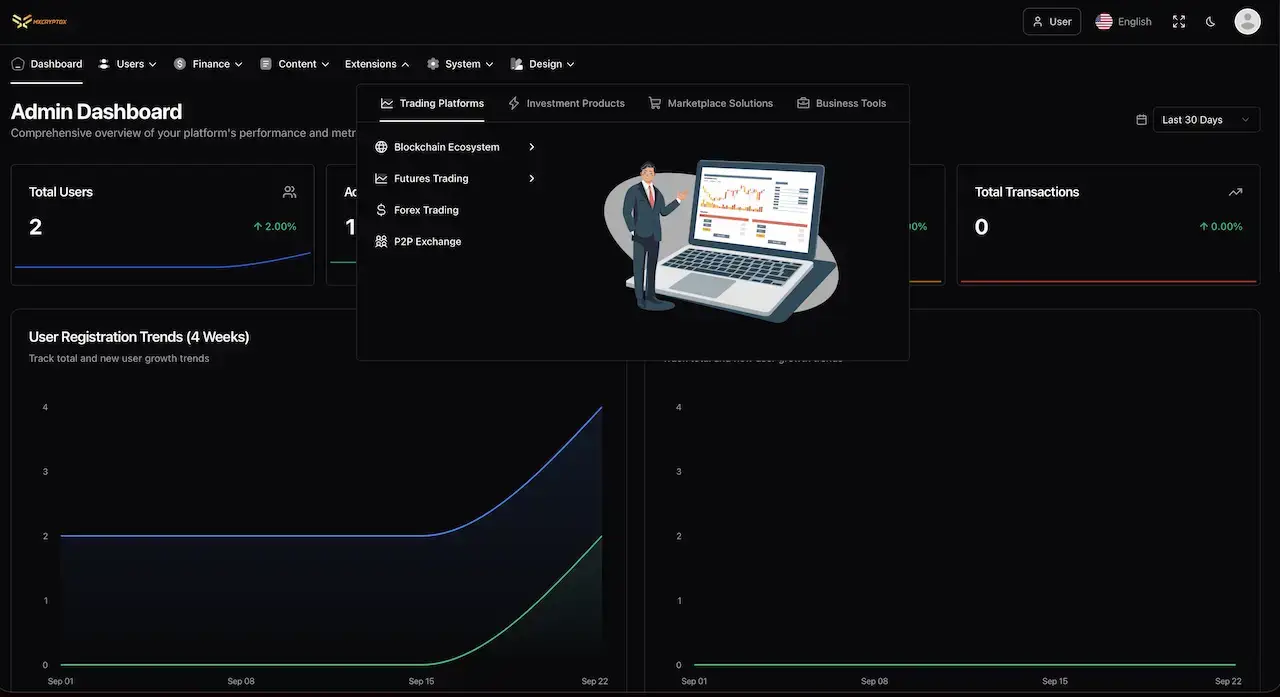
Admin Console - Users, Finance, Chains & Listings
The place a listing venue is really run from: a dashboard counting users and transactions, Users and Finance menus, an Extensions menu offering Blockchain Ecosystem, Futures Trading, Forex Trading and P2P Exchange, plus ICO and Staking in the side navigation.
- 1Find the admin console on the demo server
- 2Ask us for the admin credentials
- 3Inspect the Dashboard, Finance and Ecosystem pages
shared when we meet on a guided call
Listings, Quote Assets & Fees Tour
Three choices shape a listing venue: which coins, which quote currencies, which fees. They deserve a look against your own plan, so we go through them with you and not with the public demo data.
- 1Reserve a half-hour slot with an engineer
- 2Share the coins and quote assets you plan to list
- 3Open the relevant screens side by side
given when you ask
A Listing, Up Close
A Guided Tour of Asset Screens, the Markets List, the Launchpad Tile & Fee Settings
Reading about listings tells you little about using them. In a live call an engineer opens the admin asset and pair screens, hops to the app to find that market in its list, and follows your questions from there: the Launchpad shortcut, a staking pool, a fee field. Name a token you are considering and it becomes the worked example.
Book a guided demo call.Screen by Screen
App Flows of an Exchange Like MEXC - Markets, Wallet, Staking & the Admin Chain Manager
These are genuine screens from Miracuves' MEXC clone: first the phone app, laid out as a trader moves through it, then the admin dashboard and chain manager, the web trading site and a few device views.
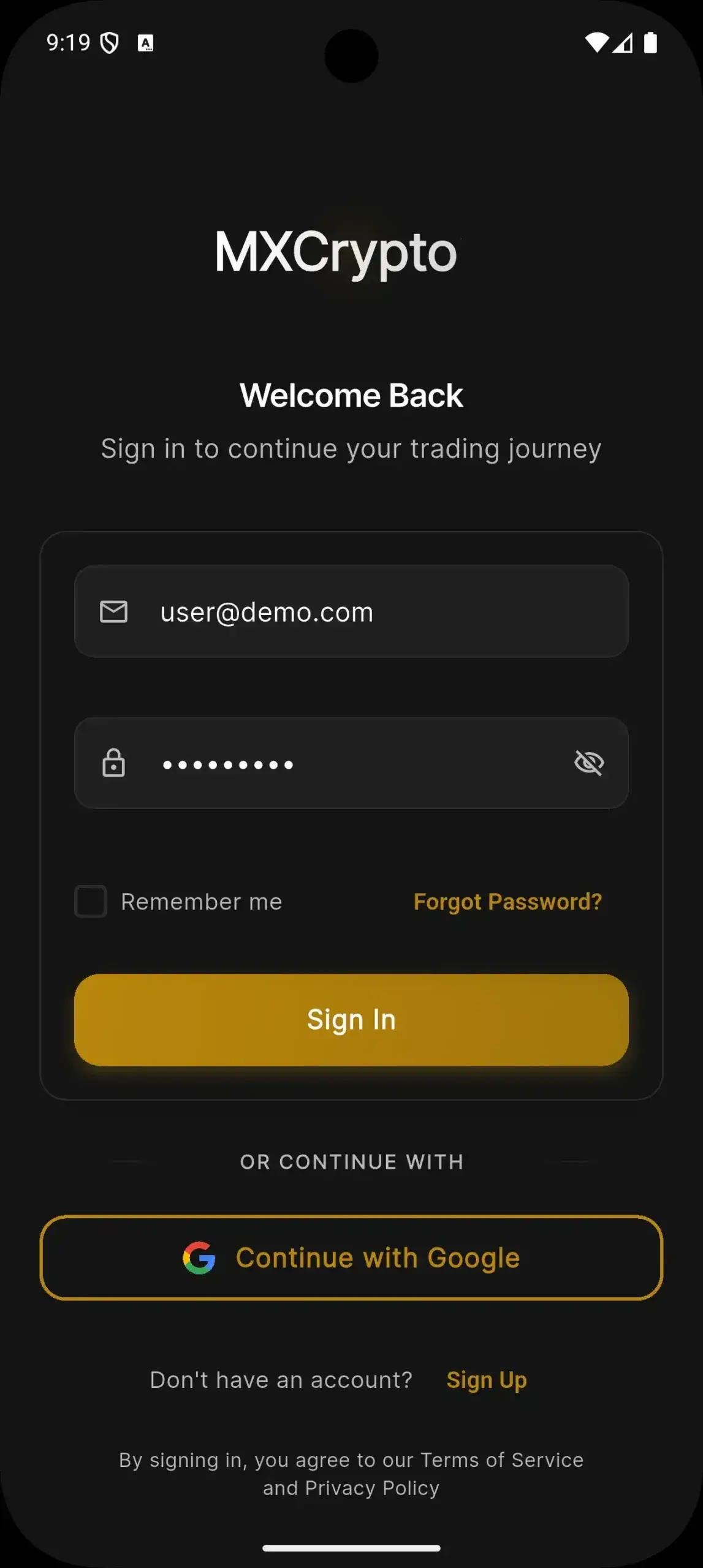
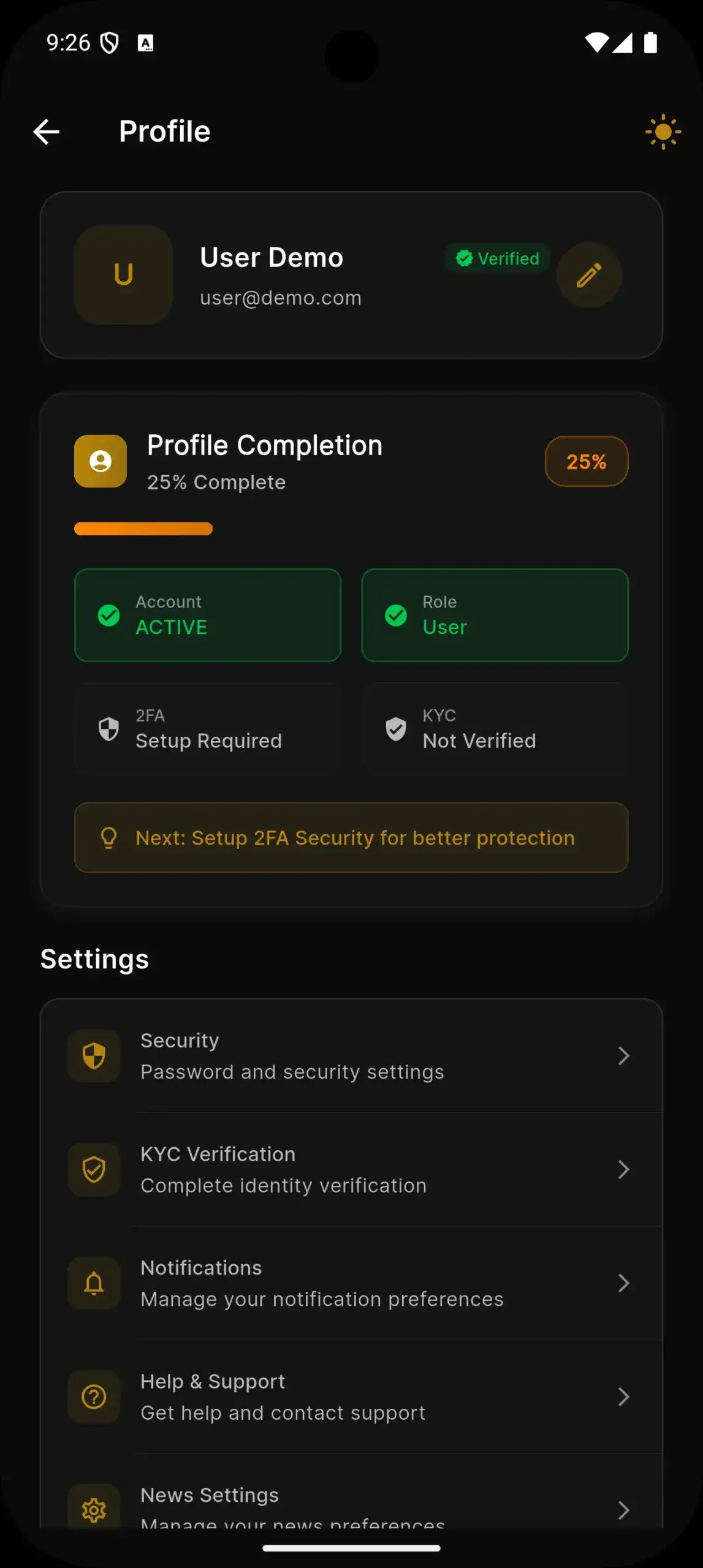
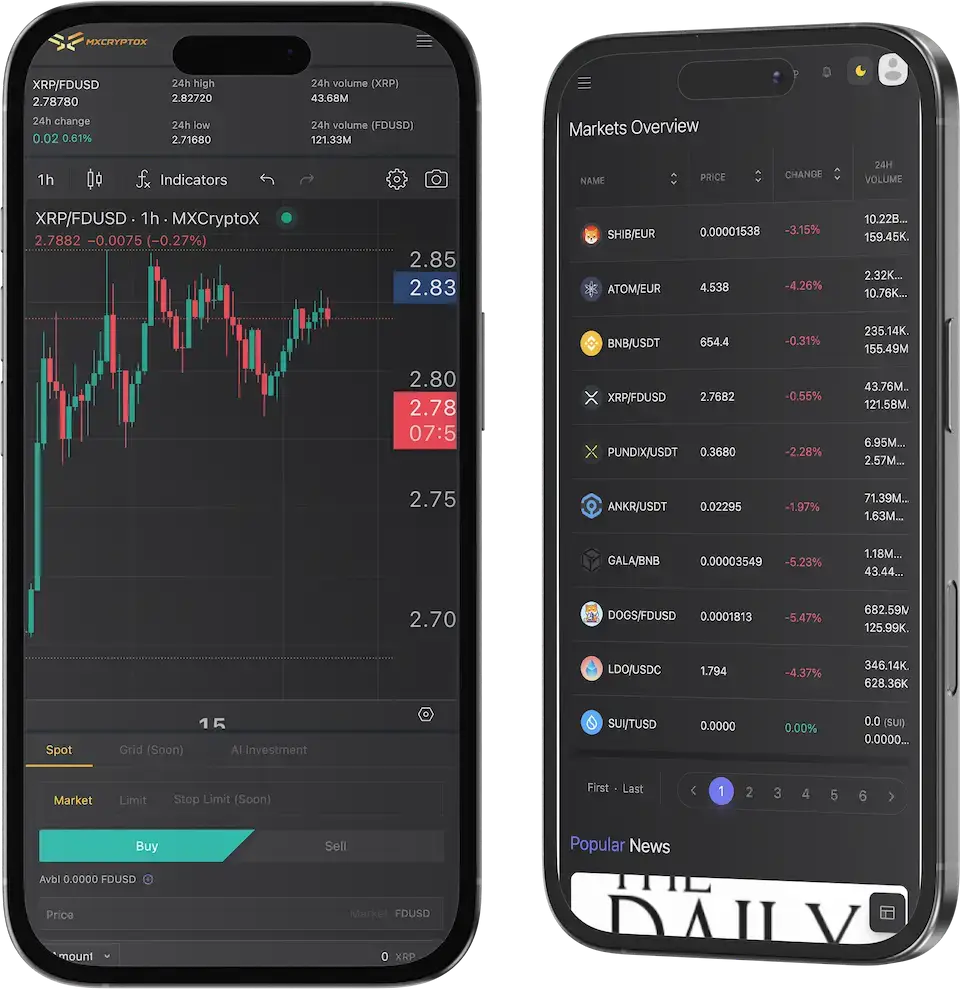
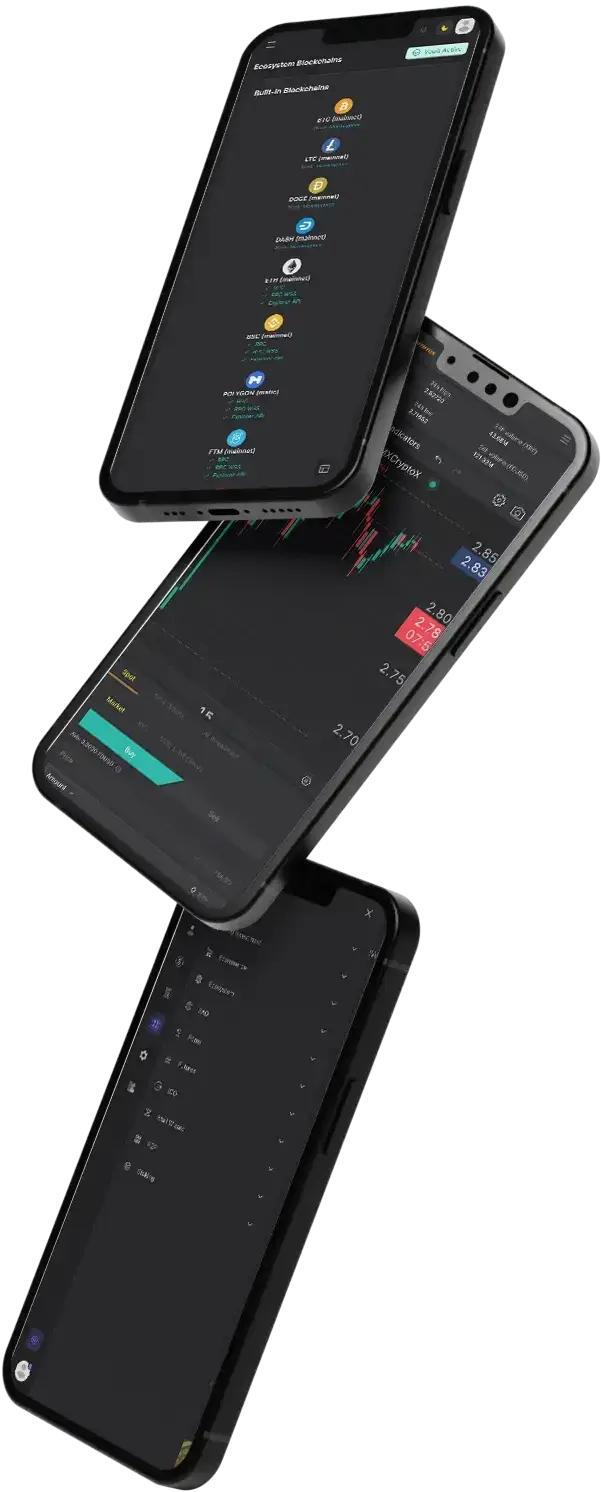
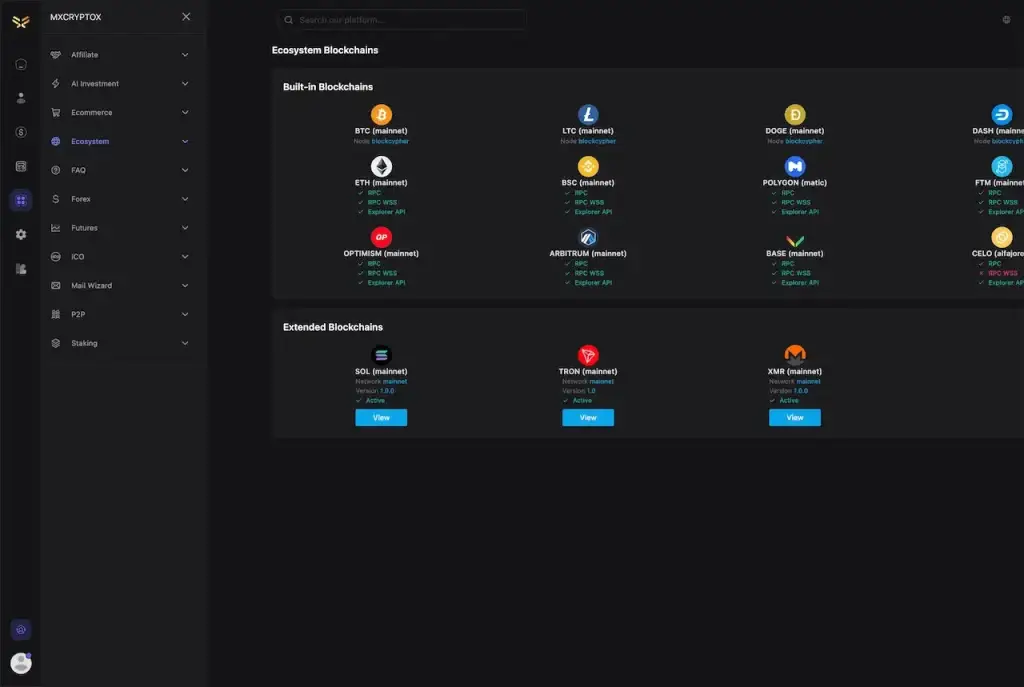


Page through the first tab as a trader would, sign-in to staking pool, and then open the second tab to see where the operator looks after chains and listings.
02Proof
Client Voices
MEXC Clone Client Reviews - What Founders Say About Building on Miracuves
Annurax Exchange had a license sitting idle and six-figure quotes on a nine-month timeline, so it put its effort into branding, the on-ramp and a reward token, with no settlement incidents since. Florida Growth Ventures, BRC20, Whizzxbook, Blue Silent Capital's OTC desk and Ryke and Co's Web3 suite fill out the rest.
“We had a licence sitting idle and every quote we pulled came back six figures on a nine-month timeline. Miracuves had a matching engine, settlement and the trading surface already built, so we spent our time on branding, the on-ramp and our reward token instead of on order books. The platform was running inside a month, and we have had no settlement incidents since.”
“We needed a centralized exchange with KYC, wallets, and mobile apps before our token launch — every US quote came back at six figures and 9 months. Miracuves had a battle-tested exchange base that already covered matching, settlement and the trading UI. We reused that and layered our own branding, a custom USD on-ramp, and the ORCA reward token. Staging was up in 6 weeks, live users by week 14. Building from scratch would have burned 8–10 engineering months and roughly $400k in salaries alone. Six months in, we've processed three figures of millions in volume with zero settlement incidents.”
“RFQ, matching and post-trade reporting was our long pole. Their OTC module covered it, and we layered on our compliance checks and multi-leg settlement. First counterparties were trading within weeks and we saved a third of the engineering budget.”
“Order book, matching, settlement and wallets are the long pole and they already existed. We layered on our token support, our listing rules and our compliance checks. Trading inside a month rather than the two quarters a from-scratch build was quoted at.”
“Order book, wallets and settlement existed. Our work was onboarding, our pairs and the compliance checks we are held to. Trading in weeks rather than quarters.”
“We needed seven Web3 products off one spine rather than five engineering teams. Shared auth, KYC and wallet came from their suite. Each product landed in weeks rather than quarters, and our ops cost per product is a fraction of a stand-alone build.”
Delivered in Practice
How Miracuves Delivered Annurax Exchange From This Codebase
The published case study of the 2024 delivery, in short: Miracuves delivered a centralized exchange to a licensed team, starting from the code sold on this page.
Annurax Exchange held a license and lacked a trading platform. Our team took the codebase on this page as its starting point, put the project hours into decisions that only the client could take, and handed over the source at the end.

- Platform quotes ran into six figures and roughly nine months while a license sat unused
- Building matching, settlement and trading screens from zero is slow and risky to launch
- Only the client could decide its listings, plus the reward token and how KYC and AML would work
- Open a venue with no rewrite of the matching engine or ledger
- Use the saved time for branding, an on-ramp and a reward token
- Finish owning the source, the schema and the deployment setup
- Spot trading, futures and forex surfaces plus P2P trading with escrow, each under its own permissions
- Five client choices handled on their own: listed markets, the token, KYC and AML rules, fees and the brand look
- Deployment onto the client's own hosting, with the apps going to store review from its developer accounts
- Handover of the source, the schema, the deployment setup and architecture notes
- Six working days for the base itself
“We had a licence sitting idle and every quote we pulled came back six figures on a nine-month timeline. Miracuves had a matching engine, settlement and the trading surface already built, so we spent our time on branding, the on-ramp and our reward token instead of on order books. The platform was running inside a month, and we have had no settlement incidents since.”Anton Barbaro · Founder & CEO, Annurax Exchange
03What is inside
In Plain Terms
What an Altcoin Exchange App Like MEXC Gives Its Operator
The MEXC clone from Miracuves is a centralized cryptocurrency exchange platform you buy once, host on your own servers and run under your own name. For a venue built around listings, the useful part is the workflow: operators enter coins and tokens, pair each with the quote assets of their choice, open it for trading at a fee they set, and may launch a token through a launchpad round before trading starts.

You Control Listings
Your operators enter, edit and delist coins and tokens in asset management. Nothing appears in the markets list unless somebody on your team put it there.
Readable Source
Web site, both apps and admin panel are delivered as unencrypted code, so your engineers can audit it, change it and redeploy it with no per-seat fee.
Extras Carry Their Own Price
Liquidity pools, trading bots, an NFT marketplace and social trading are optional modules with separate prices that bolt onto the base build.
Web, Android & iOS
What Is the MEXC Clone?
Traders meet a markets list. Behind it are an order book that stays in step with a ledger, wallet listeners across chains and an admin console holding every setting. All of that arrives working, which means the demo can settle questions that a brochure cannot.

- 01A long, searchable markets list with filters by quote asset
- 02Coin and token listings handled by your operators
- 03A Launchpad tile and an ICO menu for token rounds
- 04Spot, futures, P2P with escrow and staking pools
- 05Screens for fees, KYC and profit on the operator side
Four deliverables: the trader website, Android and iOS apps and the admin panel, each shipped with its source.
Everything Included
MEXC Clone Features - Listings, Launchpad, Quote Assets, Fees, Chains, Futures, P2P & Staking
Every feature Miracuves lists for this MEXC clone can be tried in the demo, traced in the changelog or read in the published case study, and separately sold modules appear as add-ons lower down.
Coin & Token Listings
Your operators decide what trades. They add, edit and delist assets in asset management, give each pair fee settings of its own, and a listed coin turns up in the app as a row in the markets list.
- Coins and tokens entered in asset management
- An operator can edit or delist a listed asset
- Each trading pair gets fees of its own
- Tokens can be deployed or imported via the ecosystem
- A connected provider's markets and currencies come in through an import
- Every listing is an operator decision with a name behind it, not an automatic feed
Markets List & Quote Assets
A long list of pairs is only usable if traders can cut through it. The Market tab searches by name, ranks movers and filters on the currency a pair is quoted in.
- Search a pair by typing its name
- All Markets, Gainers, Losers, High Vol and Trending as tabs
- Quote chips for All, USDT, BTC, BNB, TRY, USDC and FDUSD
- Every row carries price, 24-hour change, volume and a small 24-hour chart
- The Home overview counts markets, volume, gainers and losers
- Gainers, Losers and Volume tabs on Home
Launchpad & Token Rounds
A token can be introduced in a round before it trades. The app carries a Launchpad shortcut, the admin has an ICO menu, and the money contributors pay is booked in the profit pages.
- A Launchpad tile among the Trading Tools on Home
- An ICO menu in the admin side navigation
- ICO contributions booked as a profit line of their own
- Deploying a token through the ecosystem, with deployment errors now spelled out more clearly
- Imported tokens treated like deployed ones
Order Handling on Spot Markets
On the web site a chart shares the screen with an order book and a trades list, and the order side has safeguards that thin altcoin markets call for.
- A candlestick chart with indicators beside the order book
- Recent trades listed beside the order panel
- An ecosystem order cannot match its own user
- A partly filled order can be cancelled and the correct amount comes back
- Cancelled orders stay in the records
- Spot and futures keep separate books
Fee Settings for Each Pair
The margin on a fresh listing is a setting. Maker and taker rates belong to the pair, and extra levers cover transfers and withdrawals.
- Maker and taker rates set separately on every pair
- A percentage charged on transfers between wallets
- A flat chain fee on wallet withdrawals, leaving the full sum for the receiver
- A spot wallet withdrawal percentage
- Additional fees applied at percentages you define
- Removing a transaction as admin also clears its fee entries
Chains, Wallets & Deposits
A listed token needs a way in. The console shows twelve native chains and three extended ones, and every user receives a deposit address per chain.
- Native chains: Bitcoin, Litecoin, Dogecoin, Dash, Ethereum, BNB Smart Chain, Polygon, Fantom, Optimism, Arbitrum, Base and Celo
- Extended chains Solana, Tron and Monero, each activated from the chain manager
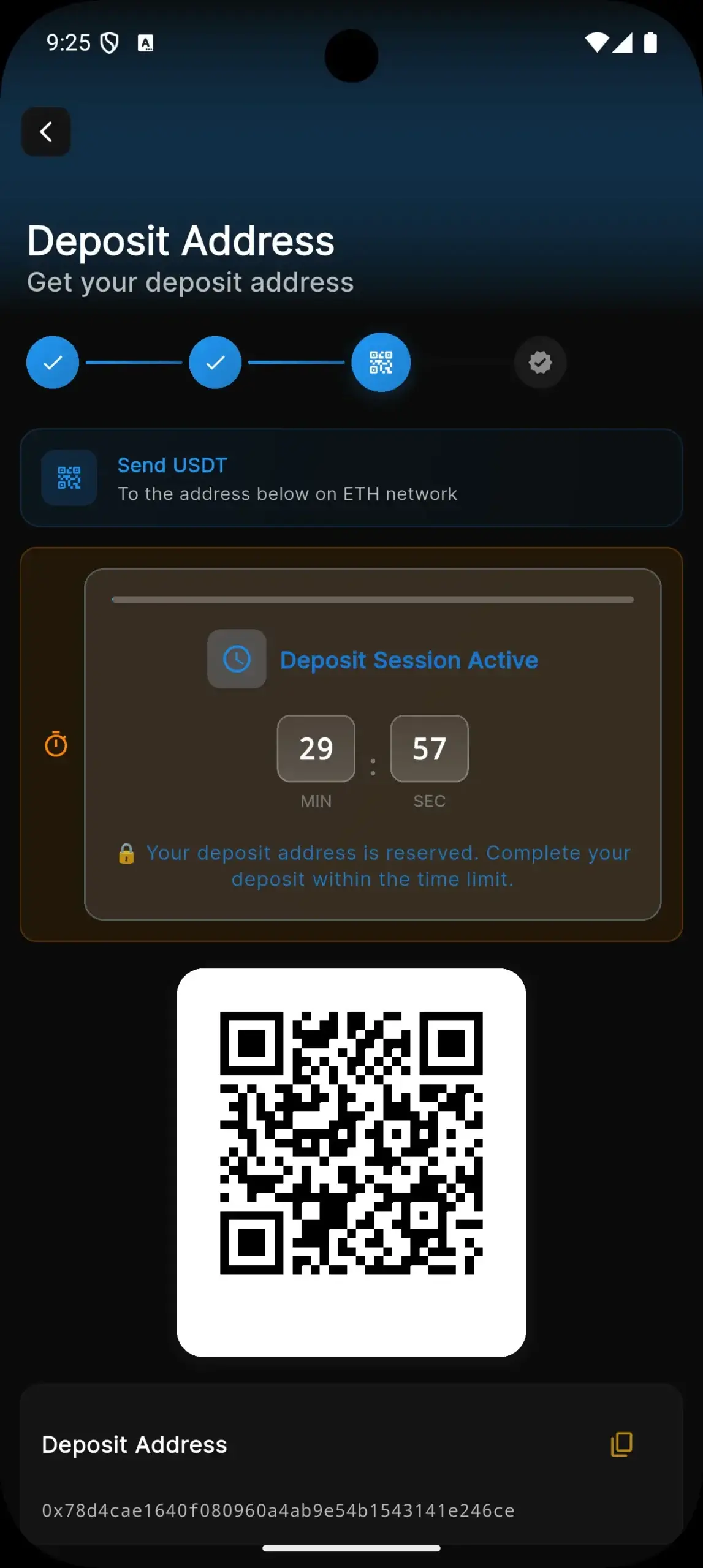
- The deposit screen carries a QR code and a countdown
- Master and user wallets are created chain by chain
- Custodial wallets can be searched by chain, with longer transaction lists
- A worker rechecks deposits that are still unconfirmed
Exchange Provider Connection
The release log shows an exchange provider connected as a source of markets and data, with XT as the named example. It supplies charts, tickers and books, and a bulk import of its markets and currencies.
- XT supported as an exchange provider
- Order book, orders, trades, tickers and charts from the provider
- Deposits and withdrawals through the provider
- Import of the provider's markets and currencies in one go
- Switching on automatic approval lets provider-side withdrawal and transfer tasks run on their own
- Several fiat currencies priced from an exchange-rate API
Staking Pools
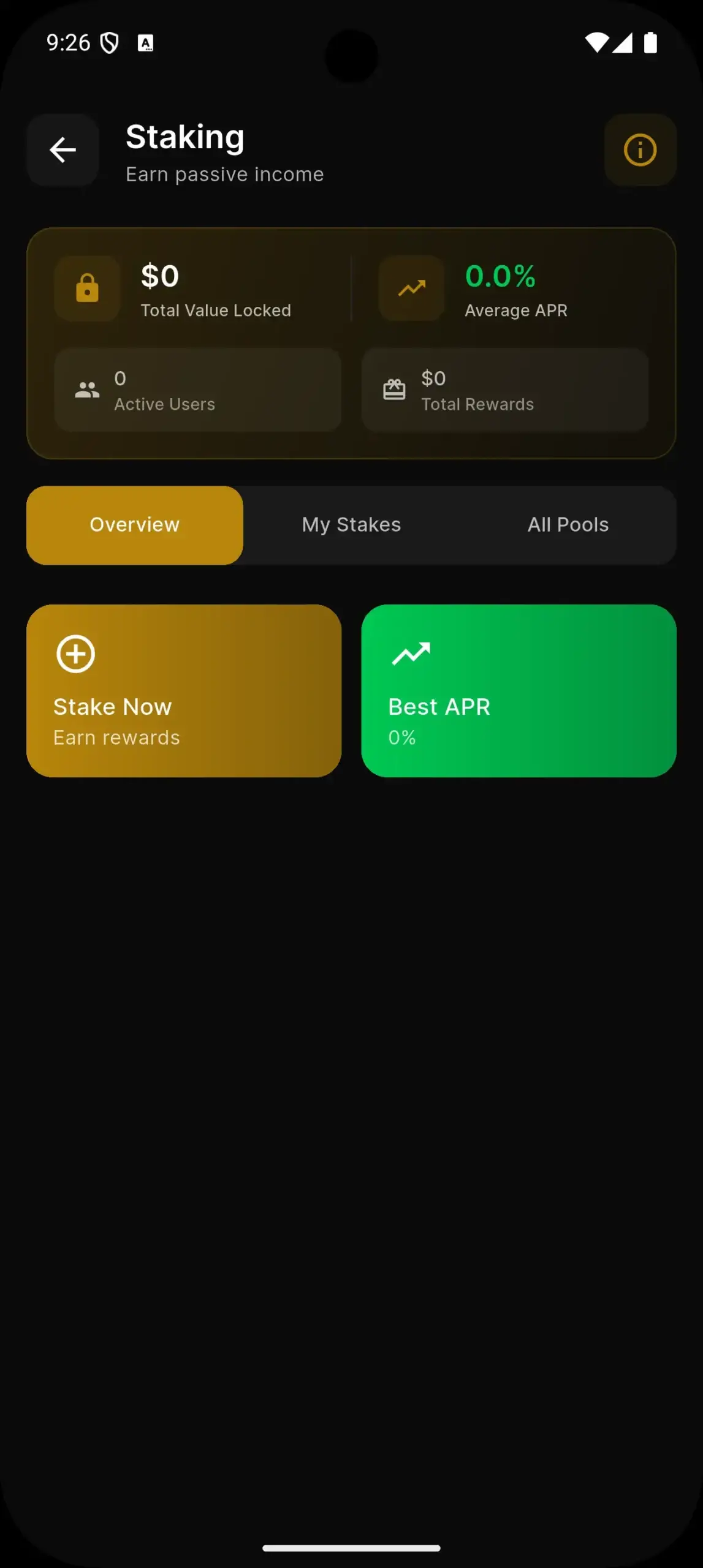
Holders get a reason to keep a listed coin on your venue. The Staking screen opens on headline numbers and splits into Overview, My Stakes and All Pools.
- Overview, My Stakes and All Pools as tabs
- Tiles showing value locked and average APR
- Counters for rewards paid out and stakes still active
- Quick links for Stake Now and Best APR
- A Staking tile on Home that shows an APY figure
- A Staking menu in the admin and a history of stakes and rewards
Futures & Forex Menus
Futures appear in the app navigation and in the Trading Tools row, while the admin Extensions menu offers Futures Trading and Forex Trading for whichever products you decide to enable.
- Futures as one of the five bottom tabs in the app
- A Futures tile in the Trading Tools row
- Futures Trading and Forex Trading in the admin Extensions menu
- Leverage and position limits are settings for the operator
P2P Trading With Escrow
Users can trade directly with one another through offers while the platform holds the money in escrow, and the profit pages show what those trades earn.
- A P2P menu where offers and trades live
- Payment Methods at the top of that menu
- Funds stay in escrow until the deal releases them
- Your own staff settle disputes
- Each offer card displays what remains of the balance in the trade currency
- A user can see only his or her own trades
KYC & Withdrawal Control
Verification starts on the Home screen and continues in an admin queue, and each withdrawal either waits for a person or goes through under a setting.
- KYC status plus a Complete KYC button on Home
- Staff review applications level by level using templates
- A rejection modal that also has a dark version
- Applicants may reopen a file that arrived with document errors
- Approve by hand, or turn on automatic approval in settings
- Withdrawals read Processing until they settle
- The fee goes back if a spot withdrawal is declined or fails
Apps, Referrals & Profit Pages
Both Flutter apps use the same five bottom tabs and a dark theme and offer Google sign-in, two finance pages report earnings, and an affiliate program brings traders in.
- Home, Market, Trade, Futures and Wallet along the bottom
- Sign in with an email and password, or choose Continue with Google
- Profit Management and Profit Analysis pages in the admin
- Income recorded separately for withdrawals, transfers, P2P deals and ICO contributions
- Affiliate rewards across unilevel and binary trees, with a wallet generator for reward claims
- Mail Wizard, an admin menu for writing to your users
Before you buy: rebranding and deployment take 6 days of Miracuves build time. On your side are web hosting, a domain, a verified store developer account, branding assets and company details, plus API keys from the KYC and market-data providers of your choice and whatever registration your market demands. Apple and Google review the apps on their own timetable.
Where the Money Comes From
MEXC Clone Revenue Models - Trading Fees, Listing & Launch Fees, Futures, Staking & P2P
In the MEXC clone app Miracuves delivers, each income line has its own admin switch and Profit Management records it as a separate entry, so you can see which fee earns and which sits idle.
Trading fees usually lead on a listing venue. Token rounds, staking, futures and P2P are layers you add as users and balances build up.
- 01
Fees on New Pairs: Maker & Taker
Every filled order pays a percentage, with the resting and matching sides priced separately. Rates are set per pair, so a fresh listing can open cheap to attract its first volume.
- 02
Listing & Token Round Fees
ICO contributions already flow into the profit pages, and adding a coin is something an admin does. Charging the project for either is a commercial term you agree with that project.
- 03
Futures Fees
Leveraged positions earn according to their size, and the limits you configure in the admin set how much exposure the venue will take on.
- 04
Staking & Rewards Income
Each pool shows its locked value and its APR. Whether to retain a share of the rewards before holders receive them is a pricing choice that stays with you.
- 05
P2P Trade Fees
The profit pages carry a P2P line already, which makes a fee on every escrowed deal a switch to flip and not a feature to build.
- 06
Withdrawal & Transfer Fees
Fees on transfers, on-chain withdrawals and spot withdrawals are set one at a time, which keeps network cost distinct from your own margin.
| Revenue stream | How it is charged | Take rateTypical take rate | What limits it |
|---|---|---|---|
| Fees on New Pairs: Maker & Taker | A percentage of each filled order: one rate for the resting side, another for the matching side, chosen pair by pair. | Kraken's entry tier charges 0.40% to makers and 0.80% to takers, and Binance's base level charges 0.100% to both. Gemini's exchange revenue comes to about 0.18% of its trading volume (our arithmetic). | Volume tiers pull rates down. At Kraken's top published tier makers pay nothing (0.0%) and takers pay 0.05%, so a young pair needs volume before it can charge much. Binance lists 0.075% when fees are paid in BNB. |
| Listing & Token Round Fees | A charge to the project, or a cut of the funds a round raises, in return for adding its coin or running its sale. | Nothing is published; Coinbase discloses seller fees on token sales without naming a percentage. | Regulation limits a round more than price does. MiCA lets offers of up to EUR 1,000,000 over 12 months skip a white paper, and in August 2026 the SEC proposed exemptions reaching $5 million and $75 million; both are only proposals. |
| Futures Fees | A slice of position size or order value charged as a leveraged position is opened or closed, with separate maker and taker rates where an order book is used. | At its lowest tier Hyperliquid charges makers 0.015% and takers 0.045%. On GMX the position fee is 0.04% or 0.06%, applied to position size. | How much leverage you permit and what competing venues charge. Above $7B in 14-day volume Hyperliquid cuts its taker rate to 0.024%, while Coinbase's institutional transaction revenue climbed to $479.7m in 2025, up 39%, thanks to derivatives. |
| Staking & Rewards Income | A portion of pool rewards kept back ahead of payout, instead of a joining fee. | There is no published rate; Coinbase booked $677.4m as blockchain rewards revenue in 2025. | What holders will accept compared with the raw network reward. Coinbase's blockchain rewards line was 4% lower in 2025. |
| P2P Trade Fees | Either the advertiser or each escrowed order bears a fee, or nobody does when the venue earns elsewhere. | Binance P2P makers pay between 0% and 0.35% while takers pay nothing, OKX takes no platform fee, and Hodl Hodl charges 0.75%. | Free P2P is widespread, so a fee has to buy something. Later, Binance P2P introduced a flat 0.05 USDT taker fee for USDT pairs in selected markets, and OKX cautions that outside payment providers may bill their own charges. |
How to read this. Spot rates are drawn from the Kraken and Binance fee schedules, and the exchange-revenue ratio from the Gemini annual report. Perpetuals figures come from the Hyperliquid and GMX documentation; staking and institutional numbers come from the Coinbase annual report on Form 10-K. For peer-to-peer, we used two Binance P2P announcements, one on maker fees and one on a flat taker fee, along with the help article of OKX and the FAQ of Hodl Hodl. For token sales, Coinbase says sellers pay it fees, the ESMA MiCA text sets an offer threshold, and an SEC press release describes two proposals. We worked out the 0.18% ourselves from Gemini's reported figures. Withdrawal and transfer fees have no shared published rate, so no row covers them. Take every number as modeling input rather than a quote or a forecast, and then settle your own schedule inside the admin console.
MEXC Clone Revenue Model, Stage by Stage
Each fee in this MEXC clone has its own admin setting, so a young altcoin venue can open fresh pairs cheaply and turn on futures, staking and escrowed P2P fees once traders fund accounts.
Launch
Start on maker and taker fees, pricing each fresh pair low so its first volume appears, and keep transfer and withdrawal fees apart from network cost from day one.
Traction
As projects queue to list, charge for listings and launchpad rounds on terms you agree with each project, while ICO contributions already land in the profit pages.
Scale
With balances building, futures fees on leveraged positions, a retained share of staking rewards and a fee on escrowed P2P deals add layers that the profit pages report one by one.
Profit Management and Profit Analysis log each stream separately, with 0% going to Miracuves.
The Console Behind the Markets
MEXC Clone Admin Panel - Asset Desk, Fee Settings, KYC Queue, Withdrawals, Profit Reports & Chain Manager
If you judge a listing exchange by what its operators can do, start with the console Miracuves built for this MEXC clone. A dashboard tallies users and transactions, and the menus under it organize money (Finance), people (Users) and trading products (Extensions).


Admin Panel Sections
- 01
Asset & Pair Desk
Enter, edit and delist coins and tokens, set up the pairs they trade in, and bring in a provider's markets and currencies with the importer.
- 02
Fee Settings
Every pair has its own maker and taker rate, and fees on transfers, on-chain withdrawals and spot withdrawals each have a setting of their own, edited independently.
- 03
KYC Review Queue
Go through applications level by level, apply templates, reject with a stated reason and spot the files that arrived with document errors.
- 04
Profit Reports
Two finance pages, Profit Management and Profit Analysis, record income from withdrawals, transfers, P2P deals and ICO contributions as separate entries and show which one carries the venue.
- 05
Withdrawals & Wallets
Approve a withdrawal by hand or let a setting do it, watch its Processing status and find custodial wallets by chain.
- 06
Users & Activity
Look users up (the ID sits in the name column), read activity logs, decide what staff can access and download user details as an Excel file.
- 07
Chain Manager
Lists native and extended blockchains with their endpoints, and has a page where further chains are activated, installed and updated.
- 08
Launch, Staking & Referral Menus
ICO, Staking, P2P, Futures, Forex, Affiliate and Mail Wizard entries, one menu for every product line you switch on.
What an Operator Can Do With an Asset
The levers the console offers over a single coin or token.
- Enter it, edit it or delist it
- Open pairs for it, each with its own fees
- Deploy or import a token through the ecosystem
- Import the markets of a connected provider
Rules Applied When Money Moves
How the console treats fees as value travels between wallets.
- Transfers charged by a dedicated percentage handler
- A flat chain fee that leaves the full amount for the receiving wallet
- The fee refunded when a spot withdrawal is declined
- An admin removing a transaction takes its fee records along
Does the console fall short of what you need? A listing approval step, further KYC levels, more exchange providers or a reporting view of your own can be scoped on top. Describe what your finance and compliance staff expect, and a written quote comes back.
04Price and package
The Full Package
What You Receive: Source, Apps, Admin Panel & Deployment
Miracuves puts a working exchange on your servers: a trader website, two apps, an admin console, a matching engine with a fill ledger, and the source and schema underneath. It belongs to you outright, with no seat fee, no per-trade charge and no license standing between you and a live venue. Outside the price sit the costs a listing venue pays to others as it grows: servers that scale with listings, market and rate data, identity checks, liquidity for fresh pairs, token vetting and counsel, store accounts, testing and the license. Another network, a second exchange provider or a listing approval step is quoted in writing first.
$ clone the whole venue Full Source Code
Every line of the web platform and the two mobile apps, delivered readable and never encrypted, ready for your engineers to reshape.
- The website as unencrypted source
- The Flutter code behind both apps
- Modify it, extend it and redeploy it as you wish
- Delivered into a repository that you own
Schema & Migrations
The data model for users, orders, wallets, KYC records, pairs and fees, plus migrations that recreate it on a blank server.
- Schema plus migration scripts
- MySQL as the database
- Tables covering users, wallets, orders and KYC
- Tables covering pairs, fees and the ledger
Order & Ledger Core
A matching engine for orders, a ledger that books every fill, and the streams that publish the order book and tickers.
- Order matching by price, then time
- A double-entry ledger that is only ever added to
- Streaming updates for the order book and tickers
- Jobs that fail are retried by an event bus
Trader Website
A public site that adapts to any screen, with markets, a chart, an order book and wallet and account pages waiting for your branding.
- Chart, order book and trades list on one screen
- Screens for trading, wallets and staking
- Doors into P2P and the launchpad
- A layout that reflows on small screens
Trader Apps
Android and iOS apps written in Flutter, built on Home, Market, Trade, Futures and Wallet tabs in a dark theme.
- One Flutter codebase behind both stores
- Five tabs, Home through Wallet
- A QR deposit screen and staking pools
- Sent for store review from your developer accounts


Admin Panel
Operator console for assets, fees, KYC review, withdrawals, profit pages, users and the chain manager, with ICO, P2P, Futures and Staking menus alongside.
- Asset, fee and profit screens
- A KYC queue beside user records
- Sign-off on withdrawals plus wallet lookup
- Chain manager and product menus
Access Control & Protections
Roles that keep traders and admins apart, a gateway shielding the services and the safeguards already built into the base.
- Separate permission sets per role
- A gateway that verifies callers and throttles request volume
- A profile prompt for two-factor login
- Keys kept outside the repository
Handover & Support
We rebrand and deploy for you, include a handover pack and start three support periods together on launch day.
- Logo, icons and colors changed to yours
- Installed on hosting you control
- Setup notes and an architecture overview come with it
- 60 days guidance, 6 months bug fixes, 12 months updates
Want proof first? Open the demo as a trader, or ask us for a guided tour that visits the markets list, a staking pool and a deposit address, followed by the admin's asset, fee and finance pages, each tested against your plan.
Clear Pricing
MEXC Clone Price: A Single Fixed Cost With the Source Code Included
The MEXC Clone script is sold ready-made and white-label for a fixed $5,199, a figure that stays put however many listings, users or trades you have. Add-ons, extra chains or exchange providers and custom flows are scoped and quoted separately, in writing. Costs for licenses, liquidity and KYC providers are yours and are not part of the price.
Professional
Ready-to-Launch PackageSuits: Altcoin crypto exchanges, token teams wanting a venue of their own, regional operators, brokers adding a crypto desk
You get the exchange as the demo shows it, in your logo, icons and colors and on hosting you control.
Start NowEnterprise
Bigger or Custom ScopeSuits: Exchange groups, multi-region operators and institutional desks
Need something the base lacks, be it an integration or a whole product? We build to your brief and put scope and price in writing before work begins.
Ask for a QuoteMEXC Clone Development Cost in 2026
One $5,199 payment buys the whole MEXC clone outright: a web trading site, the admin console with its asset desk, fee settings and chain manager, Flutter trader apps on Android and iOS, plus all source and the schema. Rebranding and go-live take six working days, and no seat fee follows as more coins list.
Bills that land outside the software price
- Servers that scale as listings and users grow
- Market and rate data feeds
- Identity-check providers and liquidity for fresh pairs
- Token vetting, legal counsel and the license
- Store developer accounts, testing and any add-on modules you choose
Extra chains, another provider connection or an approval step for listings are quoted in writing first, with delivery in 2-8 weeks once the scope is agreed.
Compare Your Options
Ready-Made MEXC Clone vs Custom Development vs SaaS
Whether you take Miracuves' ready-made MEXC clone or another route, opening an altcoin exchange like MEXC comes down to four things: how fast you list, what you pay, what you own and how freely you can change it.
| Criteria | MiracuvesReady-Made MEXC Clone | Custom Development | SaaS |
|---|---|---|---|
| Launch time | 6 working days to a branded install | 2-8 weeks, scope agreed in writing | Instant account, little control over timing |
| Upfront cost | $5,199 as a one-time payment | A written quote per brief | Small start, then a recurring bill |
| Source code ownership | Complete source and schema move to you | Owned once paid, per the contract | Never leaves the provider |
| Customization | Edit listings, fees and chains freely | Anything, at quoted cost | Only what the dashboard exposes |
| Ongoing fees | 0% cut of listing or trading fees | Upkeep by your developers or ours | Subscription plus usage charges |
| Branding & app-store listing | Your name on the site, the admin and both apps | Your brand on a new codebase | Shared template with light branding |
| Best for | Altcoin venues that list coins quickly | Groups wanting a one-off product | Short trials before a real launch |
Same product, other editions: Binance Clone · Crypto Exchange Script · Browse all Cryptocurrency solutions
Put to Work
Use Cases for an Altcoin Venue Like MEXC - New Listings, Launchpad Rounds, Quote Assets, Provider Markets & Staking
Listing venues lean on different corners of the same MEXC clone that Miracuves ships. One starts from cheap fees on new pairs, another from a token round, a regional one from its quote currencies. Configuration is what differs between them, never the code.
Swipe · 6
Enter a coin, pair it with a quote asset and start its maker and taker rates low until volume appears. Once a pair gets busy, nudge its rates up.

Run a token round through the Launchpad tile and the ICO menu, then list the token and open its market on the same venue, with contributions counted in the profit pages.

Offer pairs quoted in USDT, BTC, BNB, USDC, FDUSD or a local unit such as TRY, as the demo filter row shows, so that regional traders see prices in the currency they think in.

Connect an exchange provider and import its markets and currencies, so the list has breadth on day one. How you source liquidity remains your own decision.

Attach a staking pool with a visible APR to a listed coin, giving holders a reason to leave it on the venue and not move it elsewhere.

Pay referrers through unilevel and binary reward trees, give them reward wallets for claims and write to users through the Mail Wizard menu.

MEXC Clone Business Model: Three Ways to Run It
Operators on this MEXC clone choose which coins open, against which quote assets and at what maker and taker rate, so one install backs three distinct venues.
Breadth venue
An altcoin exchange competes on how many coins and tokens it carries, opening each pair on low maker and taker rates and earning as volume spreads across a long markets list.
Token-led venue
A token team runs a launchpad round through the ICO menu, then lists its own token and keeps trading, contributions and holders on a platform it controls.
Regional venue
A country-focused operator quotes pairs in a local unit such as TRY beside USDT and BTC, adds staking pools and referral trees, and builds a loyal local base.
All three share the asset desk, fee settings and launchpad menu; only coins, quote assets and rates differ.
One product, six ways to run a listing venue. All six run on one trader site, one pair of apps and one admin panel. What changes is the list of coins, the quote assets, the products switched on and how strict KYC is, which leaves a single codebase to maintain.
Talk to Our TeamMarket Timing
Why Launch a Listing Exchange From a Ready-Made Base in 2026?
Starting from a ready-made base changes the question from whether anyone can write an exchange to whether this one does what you need. Spend a few hours on the demo and the release log and you will know, and the venue you finish with carries your name.
01You Decide What Gets Listed
On someone else's venue a coin waits for their listing team. On yours, an operator adds it in asset management, and the decision, the fee and the timing are all yours.
02Fresh Pairs Need Cheap Fees
A new market has no volume, so its fees must start low. With maker and taker rates set pair by pair you can price each listing on its own merits.
03A Round and a Market Under One Roof
A Launchpad tile, an ICO menu and ICO contributions in the profit pages let a token be introduced and then traded without leaving your platform.
04Local Quotes Have Room
Traders think in their own currency or stablecoin. A venue quoting pairs in TRY or FDUSD beside USDT and BTC speaks to them in a way global platforms rarely bother to.
05Holders Need a Reason to Stay
Staking pools with an APR on screen give users a reason to keep a listed coin on your venue.
06Begin the License Process Early
Each market regulates crypto on its own terms, and listing tokens or running a token round can raise questions of its own. Choose your route while the technical build is under way.
By the Numbers
Chains Shown in the Admin Console
Quote-Asset Filters in the Demo
Earning Lines Tracked in Profit Pages
Days of Build Time
Traders notice the markets list. What decides whether a listing venue lasts is less glamorous: who may list what, how fees are priced, how withdrawals are approved and how earnings are reported. That layer is already built.
Industries
Businesses That Can Run a MEXC-Style Exchange
Anyone who wants a venue of their own for a long list of coins can use this product: altcoin exchanges competing on breadth, token issuers pairing a round with a listing, regional operators with local quote currencies, brokers and fintech apps opening a crypto desk, neobanks and payment firms extending digital assets to existing customers, P2P marketplaces using escrow, communities built on staking and referrals, and Web3 start-ups that want a working exchange under their own name.
one codebaseMXCrypto
- 01AeAltcoin Exchanges
- 02TiToken Issuers
- 03LoLaunchpad Operators
- 04CfCountry-Focused Venues
- 05BfBrokerage Firms
- 06FaFintech Apps
- 07NoNeobank Operators
- 08PpP2P Marketplaces
- 09SpStaking Providers
- 10TcTrader Communities
- 11WfWeb3 Founders
- 12PfPayment Firms
With your name on its engine, wallets and admin console, the Miracuves MEXC Clone is a centralized exchange that suits many trading models from the first screen. Whichever of these businesses you run, the product underneath stays the same: an order book kept in step with a ledger, wallets on several chains, and an admin console where your operators decide what is listed, at what fee and with which products switched on.
06The build underneath
Start to Finish
MEXC Clone Walkthrough: Sign In, Home, Markets, Deposit, Staking & Profile
The trader sees a few taps. Beneath that sits a fixed order of work: checking the account, matching the order, settling it and moving funds between wallets. We follow the route from sign-in to a staking pool first, and the architecture behind it comes after.
The Trader Journey, From Sign-In to a Staking Pool
Swipe · 6
- 1Log In to the Altcoin Exchange
Traders reach the exchange through email and password or Continue with Google, and links on that screen create an account or reset a password.
- Sign-in by email and password
- Continue with Google offered
- Register and password-reset links
- 2See KYC Status and Launchpad Tools
The home view confirms whether KYC is complete, condenses the markets into a summary and keeps the launchpad in its Trading Tools strip.
- Whether KYC is done, with a Complete KYC button
- Market overview: volume, average change, gainers, losers
- Tools strip: P2P, Futures, Staking, Launchpad
3Browse Altcoin Trading PairsA long Market tab shows each altcoin pair with price and 24-hour change, trimmed by movers, volume or the quote currency a trader prefers.
- Search by pair name
- Gainers, Losers, High Vol and Trending as tabs
- Quote chips from USDT through FDUSD
- 4Deposit Coins on a Network
Depositing starts with a network choice, after which the screen shows the address, a QR code and a countdown for that deposit session.
- The network is spelled out on screen
- A QR code, plus an address that can be copied
- A deposit session that runs out
- 5Stake for APR or Trade Spot and Futures
Pools state the amount locked and the APR on offer, and the Spot and Futures tabs are there for traders who want a market instead.
- Pools grouped into Overview, My Stakes and All Pools
- Buttons labeled Stake Now and Best APR
- Spot and Futures as separate tabs
- 6Manage Security and Verification
The profile covers account completeness, security settings and KYC verification, plus notifications and a help entry.
- A completion meter and account status
- Where to set up two-factor login and KYC checks
- Entries for notifications, help and support
How It's Built
Architecture of a MEXC-Like Exchange, Order by Order
- 01Part 01
Three Apps, Three Permission Sets
The trader site, the operator tools and the admin panel run as separate applications under their own permissions, which keeps traders out of the console.
- 02Part 02
Matching Engine & Feeds
Orders queue in a book ordered by price and then time, and every screen following a market is fed the book and tickers as a live stream.
- 03Part 03
Append-Only Ledger
Each fill is booked to a double-entry ledger which can only grow, so a balance can always be recomputed from its entries.
- 04Part 04
Wallets & Deposit Listeners
Listeners confirm deposits on every chain, withdrawals wait for sign-off and hot and cold stores are kept separate.
- 05Part 05
Exposure & Leverage Limits
Caps on exposure and leverage restrain leveraged positions, and the operator sets every limit in the admin.
- 06Part 06
Jobs & Event Bus
Notifications, deposit checks and retries run through an event bus that stays clear of the order path.
Under the Hood
MEXC Clone Technology Stack: React, Node.js, MySQL, Flutter & Wallets on Many Chains
Miracuves writes down the MEXC clone stack for technical buyers before the first call. Everything here is drawn from the product sheet and the changelog, and nothing has been added to sound bigger.
Web Tier
- Serves the trader site and the admin panel alike
- ReactJS with NodeJS, per the product sheet
- Styled with Tailwind CSS, dark theme included
- Layouts that rearrange for phones
Database
- Every record held in MySQL
- A ledger where entries are added and never changed
- Schema and migration scripts come with the source
- Rebuildable on a blank server
Phone Apps
- Flutter on current dependencies
- One codebase behind both apps
- Home, Market, Trade, Futures and Wallet along the bottom
- Published from the accounts you own
Live Data Layer
- Market data over REST and WebSocket
- A streaming order book and tickers
- Messages fan out over an event bus and failures are retried
- A queue worker rechecks pending deposits
Chain Wallets
- Twelve native chains appear in the admin
- Solana, Tron and Monero sit under extended chains
- A wallet for the platform and one per user on each chain
- Listeners watching deposits and a queue draining withdrawals
Rate & Market Providers
- A connected exchange provider, with XT named in the release log
- Market and currency import from the provider
- Fiat prices from Open Exchange Rates plus a currency API
- Provider accounts and keys registered in your name
The product sheet puts ReactJS, NodeJS, Tailwind CSS and PNPM behind the web and admin tiers, MySQL under the data and Flutter behind the apps. Where outside providers handle KYC, market data or fiat rates, their accounts and keys must be registered to you and are handed over at deployment. Everything is mainstream, which keeps hiring simple.
Growth Path
Built to Grow: Independent Parts, Rate Limits at the Gateway & a Documented Handover
Miracuves assembled this exchange from independent parts sharing a handful of building blocks, so growth in listings, users and chains calls for capacity and configuration, not a rewrite. We quote no throughput number here, because what peak load looks like is down to your hosting and visitor volume; sizing is done jointly before launch.
Apps Released Independently. Trader, operator and admin surfaces carry their own permissions, so changing one does not oblige the others to ship.
Book and Ledger Reconciled. Matching and settlement both record every fill, which gives the venue one answer to what any balance is.
Documents Held Elsewhere. Identity files go to object storage in the bucket and region you select, so the application tier stays light as users accumulate.
Background Jobs, Clear of Orders. Notifications, retries and deposit checks are spread over an event bus, which stops them from delaying an order.
Independent Applications
The trader site, the operator tools and the admin panel are three applications that each carry their own permissions and release schedule, so any of them can change independently.
Matching Linked to Booking
Orders are matched by price and then time, and each fill is written into an append-only double-entry ledger that balances can be rebuilt from.
- Price first, then time
- Entries appended, never overwritten
- Order book and ticker feeds
- Separate spot and futures books
A Gateway With Rate Limits
Each request meets an API gateway that verifies authentication and enforces rate limits before any trading logic runs.
- Callers authenticated at the gateway
- Public requests rate limited
- Each role signs in separately
- Accounts can enable two-factor login
Documents Stored Apart
KYC documents are kept in an object-storage bucket, in a region of your choosing, separate from the application servers.
- Storage location chosen by you
- Files served from a separate place
- Review takes place in the admin
- Document problems are reported back to applicants
Event Bus With Retries
An event bus carries notifications, deposit checks and withdrawals to several consumers and runs again whatever fails.
- Several consumers served in parallel
- Failed jobs run again
- A worker for pending deposits
- Queued withdrawals that show Processing
Documented Handover
You receive the code, the schema, the deployment settings and an architecture write-up, which is enough for a different team to run the platform alone.
Room to Adapt. Sooner or later every exchange needs a rule that only its own market or token calls for. Because the source is complete and the stack conventional, extending the venue with new pair types, rules or integrations is routine development that your engineers or ours can do.
Close to launch? Start with the coins and traders you can bring, on the deployment you already have. When volume climbs, capacity turns on hosting and configuration, and whatever lies beyond the base is scoped and quoted on its own.
07Safety and rules
Built to Be Checked
Security in a MEXC-Style Venue: Data Visibility, Withdrawal Paths & Open Items
Any MEXC-style exchange, including the one Miracuves builds, holds identities, balances and the ability to withdraw. Three questions decide how safe it is: who can see which data, how coins leave, and which jobs are still open before launch. The cards say what the base does and what remains for you and for us.
- 01 · RolesRoles Kept Apart
Permissions are tied to a role, and the server enforces them rather than the interface hiding buttons, so traders never get near the operator console.
- What You List: Operators add every coin and token in the admin. A listing is a decision with a name behind it, and keeping a risky or unvetted token off the venue is your job.
- Escrow Disputes: A P2P escrow hold may end in a dispute, which your own staff resolve using the trade record.
- 02 · AuditAudit Trail
The base records who changed what and when, so questions about an order or a withdrawal are answered from a log and not from memory.
- Verification Before Withdrawal: You can place higher limits and withdrawals behind the KYC levels you configure; staff process applications, decline some and follow up on document errors.
- 03 · TransportTraffic & Data at Rest
TLS carries all traffic, password hashes replace plain passwords and sensitive data at rest is encrypted properly instead of being obscured.
- Two-Factor Prompt: Users are nudged from the profile screen to enable two-factor authentication; whether a withdrawal requires it is a rule for you to set.
- 04 · SecretsSecrets Handling
Keys stay in environment configuration on your servers and never enter the repository you are given.
- Work Before Go-Live: Pre-launch work covers a custody review, penetration tests, key rotation, a restore drill and vetting of every token or contract you list or deploy, each completed before go-live.
- 05 · CustodyWallet Custody & Withdrawals
Hot and cold stores are held separately, and a sign-off must clear before any withdrawal moves coins off the platform.
- Approval Mode: Withdrawals can be approved by a staff member or by a setting. You decide before launch which of the two runs and what limits surround it.
- 06 · BackupsBackup Discipline
Before launch we schedule a backup run and a trial restore, since a backup nobody has tested is a wish, and an exchange cannot rely on wishes.
The base carries role separation, audit logging, hashed credentials and KYC levels, and a reviewer can follow the evidence. A wallet-setup review, outside pen testing, rotating keys and a backup trial restore sit in the go-live plan with you. Any attestation from an audit is issued to your own organization, with independent audit partners working beside you. KYC levels and audit logging here follow controls taken from ISO 27001, SOC 2, PCI DSS, AML/KYC and GDPR. See the audit support facts.
Discuss Security Before LaunchRegulation Explained
Operator Readiness for a White-Label MEXC Exchange: What the Code Covers and What You Carry
The MEXC Clone is software, and software holds no license. What we deliver is the platform: matching tied to a ledger, multi-chain wallets, asset and pair management, a launchpad shortcut, an admin console with profit pages, fee settings, withdrawal sign-off and KYC review tooling. Putting assets on a venue and safeguarding customers' coins is regulated in most places, and the permission to do so is held by your own registered or licensed entity, together with the banks, custodians and KYC providers it picks. Our code talks to their systems; it does not replace them.
Role separation, audit logging, credential hashing, KYC levels and withdrawal sign-off are in the base, so your compliance review begins with tools that work instead of a blank page. Registrations and licenses go to the operating entity once its policies, hosting and records are in place.
What the Software Provides
Matching and a ledger, spot and futures trading markets, asset and pair management, wallets and deposit addresses on each chain, a Launchpad shortcut with an ICO menu, KYC levels that include review and rejection, an audit log, profit pages, withdrawal sign-off and the fee and risk settings, all delivered as source you own.
Listings and Token Rounds Raise Their Own Questions
Adding a token or running a sale of one can count as offering it to the public in some regions, and the rules differ on securities, disclosure and marketing. Choosing what to list, vetting each project and preparing the paperwork for a round are the operator's work, since software cannot make those calls.
Policies and Providers Stay With You
Your AML policy, sanctions screening, any Travel Rule tool, the identity provider, bank or fiat partner you pick, the liquidity you supply and the text of your terms are decisions you make and answer for. We can wire in the provider you choose, but we file no applications for you.
Your Market Decides the Route
Under MiCA, a crypto-asset service provider in the EU must be authorized first. Operators in the US register with FinCEN and need state money transmitter licenses, with New York requiring the BitLicense on top. FCA registration is the UK route, and FIU-IND registration applies in India. Bring this question to specialist counsel first, since Miracuves cannot give legal, licensing or investment advice.
08Add more
- Spot, futures, P2P
- Wallets and chain deposits
- Launchpad, staking, KYC
- Asset, fee and profit pages
How a module is added
- 1Choose a module
Pick from trading bots, liquidity pools, an NFT marketplace or social trading, whether pre-launch or later.
- 2Agree the price
You receive a written scope and quote for each module before work starts.
- 3Delivered as code
The module becomes part of the source you already hold.
Extend It
MEXC Clone Script Add-Ons You Can Bolt On: Bots, Pools, an NFT Market & Social Trading
Miracuves ships the base MEXC clone finished and ready to demonstrate. Four optional modules follow, each priced separately since its scope varies with how you operate your venue. Automated market making is not among them and would count as custom work.
Drag to browse · hover to pause
- 01Activity
Auto Trading Bots
Automated strategies for your users, built from technical indicators, risk limits and algorithmic rules, keep an account trading while its owner is offline.
Trading · Bots - 02Activity
Liquidity Pool
Users put liquidity into chosen pairs and collect a share of the trading fees, which gives holders one more reason to leave assets on your venue. Pools arrive as a separately priced module.
Liquidity · Pools
- 03Community
NFT Marketplace
Users list, buy and sell unique digital assets in a marketplace of its own, drawing artists and collectors onto the venue.
NFT · Marketplace - 04Community
Social Trading
Members can follow experienced traders, study what they do and decide whether to copy them, creating a community around the brand.
Social · Trading
Crypto & Fintech Range
Going Beyond a Listing Exchange? Four Neighboring Products Are Ready.
Part of a larger crypto and fintech range. When your plan goes further than one exchange, these four products sit comfortably beside it.
01Runs token sales in staged rounds and shows each contributor a balance, a transaction history and an activity log.
Explore Solution
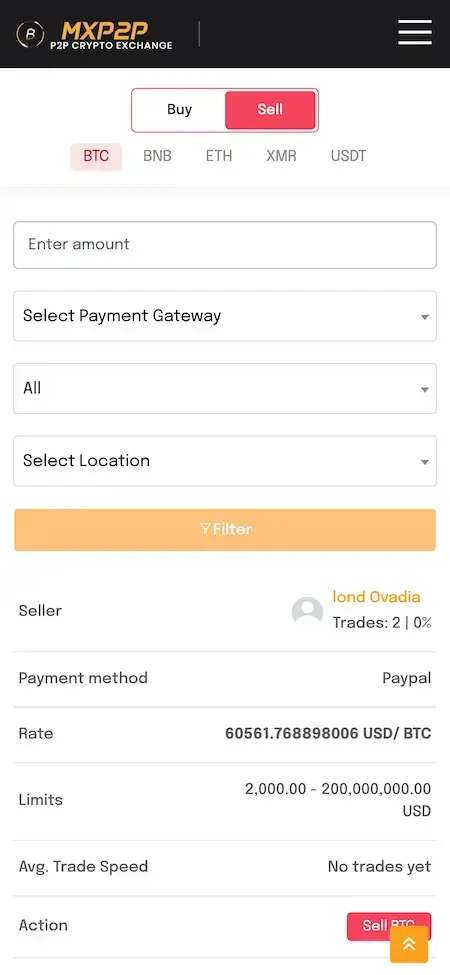
02Crypto users trade straight with each other here: they post Buy and Sell offers, filter by coin and payment method and open trade requests.
Explore Solution
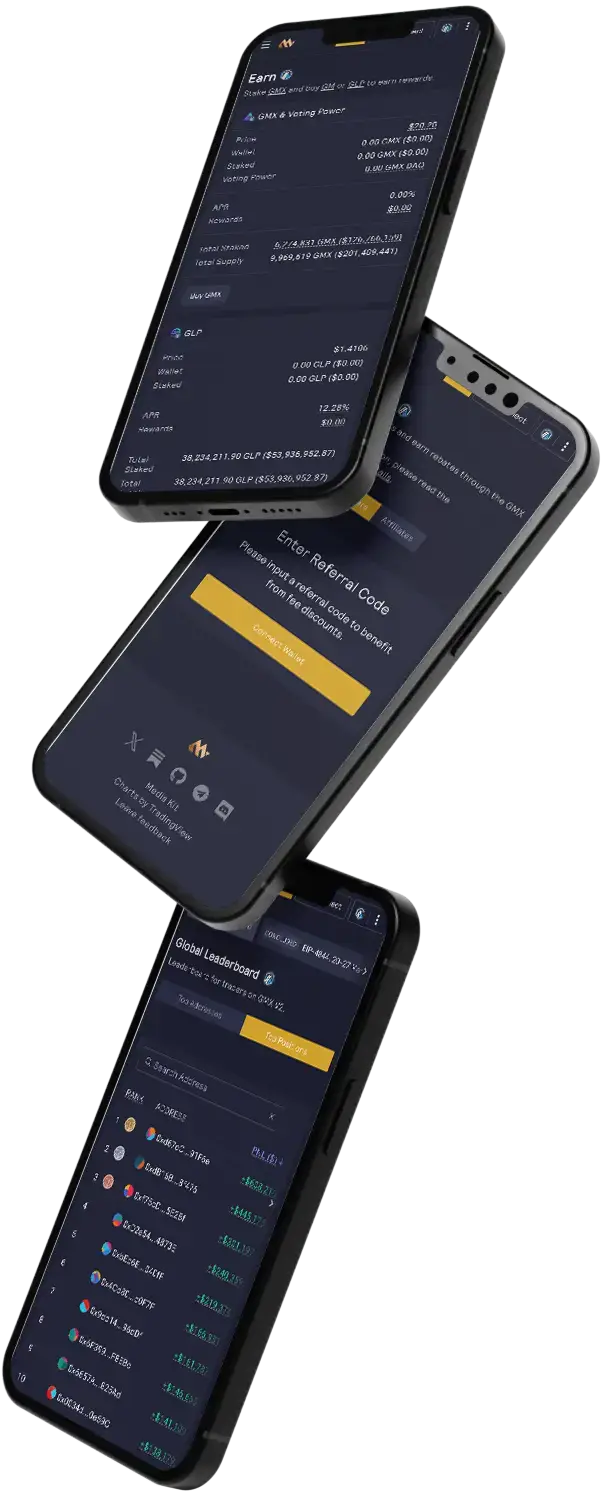
03Leveraged perpetual contracts that settle on-chain, with screens for earning, referrals and a leaderboard, built for wallet-connected traders.
Explore Solution
04Retail banking delivered as software: customer accounts, cards and transfers, with a back-office console for the operator.
Explore Solution09Money and market
Market Benchmarks
Crypto Exchange Market Benchmarks - Independent 2025-2026 Data
The revenue models above are ours. The figures below are not. They come from the Coinbase annual report on Form 10-K, the Gemini annual report on Form 10-K, the Bank for International Settlements and Kraken's published fee schedule, reproduced as published. They show how listed exchanges earn from trading and what published fees look like, so you can test your own business case against sources you can check.
59% of Coinbase Net Revenue Came From Trading
Coinbase's annual report on Form 10-K shows total transaction revenue of $4.06 billion in 2025, up 2 percent and equal to 59 percent of net revenue of $6.88 billion, against 63 percent in 2024. Consumer transaction revenue fell 3 percent to $3.32 billion: a lower average blended fee rate, as volume moved to users paying lower fees, outweighed a 7 percent rise in consumer Trading Volume.
$52.7bn Trading Volume, $93m Exchange Revenue
Gemini's annual report on Form 10-K reports 2025 Trading Volume of $52.7 billion, up from $38.6 billion, of which institutional was $46.0 billion and retail $6.7 billion. Exchange revenue across crypto assets totaled $93 million, about 0.18 percent of volume (our arithmetic on reported figures). Total revenue was $179.6 million against an operating loss of $345.7 million.
$320bn Stablecoin Market, Used Mainly to Trade
The Bank for International Settlements reports in its Annual Economic Report 2026 that stablecoin market capitalization was around $320 billion at end-May 2026, and that the main use of stablecoins so far has been crypto trading. It estimates annual stablecoin transaction volume at $28 trillion in 2025, and calls current use modest next to bank deposits.
Kraken Spot Fees: 0.40% Maker, 0.80% Taker
Kraken publishes a tiered maker-taker spot schedule. The entry tier, from $0 of 30-day volume, charges 0.40 percent maker and 0.80 percent taker. Fees fall with volume, assets on platform or futures volume, and the top Pro 5 tier at $500M+ of 30-day spot volume charges 0.0 percent maker and 0.05 percent taker. It shows how steeply an exchange discounts for scale.
Coinbase Global, Inc., Annual Report on Form 10-K for the year ended 31 December 2025, signed 12 February 2026 - sec.gov
Gemini Space Station, Inc., Annual Report on Form 10-K for the year ended 31 December 2025, filed 31 March 2026 - sec.gov
Bank for International Settlements, Annual Economic Report 2026, Chapter III: Anchoring trust in money: innovation beyond stablecoins, 23 June 2026 - bis.org
Kraken (Payward, Inc.), Fee schedule, accessed October 2026 - kraken.com
All figures are the publishers’ own filings, estimates and published fees, reproduced as published. The Gemini 0.18 percent is our arithmetic on reported figures (exchange revenue divided by Trading Volume). They describe the market and published price lists, not the performance of any platform Miracuves builds, and nothing here is investment advice or a revenue projection for your business.
Why It Pays
Marketability & Revenue Potential for a Listing Exchange
Revenue arrives once traders trust a venue enough to fund an account and return for the next coin on it. The points below try to shorten both decisions, with ownership of the venue, the order flow and the pricing staying with you. Nothing here counts as investment advice.
- 01
Income on Every Filled Order
Income grows with trading activity and not with staff, so one console can run a hundred pairs as easily as ten.
- 02
A Fee Schedule per Pair
Maker, taker, transfer and withdrawal fees are independent settings, so changing one price never disturbs another. Listing and round charges, futures fees and a share of staking rewards can be priced pair by pair, and referral rewards are the one line paid out.
- 03
Your Traders, Your Data
User records, KYC outcomes and trading history remain in your database, and the value they build up is the property of the venue that earned it.
- 04
Room to Change Course
Holding the full source and schema, you can switch host, team or direction without asking anyone.
- Fees on New Pairs: Maker & Taker
- Listing & Token Round Fees
- Futures Fees
- Staking & Rewards Income
- P2P Trade Fees
- Withdrawal & Transfer Fees
A venue is defended less by features than by trust, liquidity and the audience it has earned.
- 01Verified, funded traders tend to stay
- 02Regional and token communities are hard to copy
- 03The accumulation starts on day one in your database
- 04Careful listings and honest compliance add protection
The three cases differ in active-trader count, and each points to the income line leading at that size. They support planning conversations, and none of them predicts what an exchange will earn.
Trading fees carry the early revenue.
A small exchange with a handful of listed pairs, where maker and taker fees on filled orders pay for running it. For illustration, not a forecast.
Fees on trades, withdrawals and staking.
A wider list of coins and busy wallets, so withdrawal fees and staking income start to count beside trading fees. For illustration, not a forecast.
Futures, P2P and token rounds all running.
A venue with futures, P2P and launchpad rounds live, where the profit pages show which line has earned the next push. For illustration, not a forecast.
10Why Miracuves
Why Miracuves
Miracuves Compared With Other Ways to Launch an Altcoin Exchange
Your options are a ready-made base from builders such as Miracuves who have shipped one before, open-source code your engineers assemble, a freelancer or a development agency. A quick way to judge any of them is a listing test on a shared screen: add a coin and delist it, open it against two quote assets, give each pair its own fee, set up a round in the ICO menu, confirm a deposit on its network and hold a payout for approval.
What Founders Value in Miracuves
- 01
Listing Controls Built In
The base includes asset management, pair setup, a provider importer and token deployment, whereas a generic script may offer a trading screen and a fixed coin list.
- 02
Fees and Profit Reporting Included
Fee settings for maker, taker, transfer and withdrawal come with finance pages that attribute earnings to their source.
- 03
Compliance Tooling, Stated Honestly
KYC levels, review with rejections and withdrawal sign-off are present. Licensing, policy and providers are your own duty.
- 04
A Real Ledger Underneath
A price-time priority engine feeds a double-entry ledger that books each fill, so balances can be audited.
- 05
Proven on a Real Launch
In 2024 Miracuves delivered Annurax Exchange from this base with 20 of 25 building blocks reused, and its case study lists the work.
- 06
A Readable Changelog
The six logged versions cover chain support, fee options, KYC repairs and finance pages in everyday language, so upkeep is visible before you buy.
How to Choose a MEXC Clone Development Company
Make each vendor list a token, price its pairs and approve a withdrawal live on a call.
What to look for Miracuves
- Listing controls you can test Asset management, pair setup, provider import and token deployment, open in the demo
- A real delivery on the same code Licensed client Annurax Exchange received four apps at handover in 2024, on 20 reused blocks
- Source ownership Complete, never encrypted source and schema
- Time to launch Six working days to a branded install
- Support after launch Updates for 12 months on the matching engine and chain manager, plus 6 months of bug fixing and 60 days' guidance
Walk away from any vendor who
- Ships a fixed coin list
- Offers one fee field for every pair
- Cannot attribute profit to its source
- Lets withdrawals leave without sign-off
- Publishes no release history
Compared With Open-Source Scripts and Agencies
| Criteria | MiracuvesMEXC Clone | Open-Source Script | Development Agency |
|---|---|---|---|
| Time to Launch | Six build days from Miracuves | Whatever your engineers need | Fixed in the contract |
| Source-Code Ownership | Complete, never encrypted | Depends on the open license | Normally yours, as the contract says |
| Listing Controls | Asset management, pair setup and provider import | Varies by script | Built on request |
| Fee Controls | Separate maker, taker, transfer and withdrawal fee settings | Often one fee field | Built on request |
| Profit Reporting | Finance pages that attribute earnings by source | Thin or absent | Custom work at extra cost |
| Compliance Tooling | KYC levels with review, while policy and licensing remain yours | Configured by hand | Built on request |
| Wallets & Chains | A deposit address per chain, master wallets behind | Varies by script | Custom integration |
| Release History | Six logged versions in everyday words | Seldom published | Set by the contract |
| Ongoing Support & Updates | 60 days guidance, 6 months bug fixes, 12 months updates | Community help only | As the contract states |
Few routes survive a first real week of trading unscathed, and the table shows where they diverge.
Talk to Our TeamChangelog
Release Log of the Listing Exchange - Versions & Updates
What a careful buyer asks for: six versions with the newest on top, written plainly. The notes carry no dates, and tooling-only entries are left out.
| Release | Scope | Details |
|---|---|---|
| V4.6.0 | 6 new items | Added or improved Token deployment and import arrive, with clearer errors when a deployment fails Ecosystem orders are barred from matching with their own account A canceled partial fill now returns the exact amount owed, and canceled orders stay on file Custodial wallets gain a chain search and a longer transaction history A wallet is generated for each affiliate reward claim Every supported chain gets deposit handling, plus a worker that verifies deposits still waiting |
| V4.4.9 | 9 new items, 4 fixes | Added or improved About Us page added Finance gains Profit Management and Profit Analysis pages Profit totals in the admin now include withdrawals, transfers, P2P deals and ICO contributions Fee settings added for transfers (a percentage), wallet withdrawals (a chain fee) and spot withdrawals (a percentage) The P2P menu opens with Payment Methods On deposit, withdrawal and transfer pages the wallet-type picker adapts to the screen size User details export to an Excel file HEIC and HEIF pictures are converted to JPG when uploaded A simpler network picker, dark-theme list styling and a dark-theme KYC rejection dialog Fixed Tokens from the ecosystem did not show up in integrated add-ons A KYC applicant's own file would not open when it carried document errors A canceled KYC application was still being sent, the maximum level was miscalculated and a rejection could add a level On the user side, admins were shown P2P trades from every account |
| V4.4.8 | 3 fixes | Fixed Using a refresh token to get a new access token did not work Unilevel and binary affiliate nodes failed to register, and a user with no referrals saw no main node The multi-level network page requested the same nodes again and again |
| V4.4.6 | 3 new items | Added or improved User management shows each user ID in the name column Full Tron support: handler service, master and user wallet creation, balance queries, address activation checks, deposits, withdrawals, transaction parsing, fee estimation and the TRX token The extended-blockchains manager can install and activate Tron |
| V4.4.5 | 5 new items, 3 fixes | Added or improved Solana support from end to end: master and per-user wallets, balance checks, native SOL, deposits, transfers and queued withdrawals Emails are sent for confirmed and failed ecosystem withdrawals Withdrawals show a Processing status until they settle XT arrives as an exchange provider, bringing charts, tickers, books, orders, trades, deposits, withdrawals and an importer for its markets and currencies A card for extended blockchains and a page to install, activate and update them Fixed Auto-approval of withdrawals processed them incorrectly Deposit expiry settings behaved wrongly Network settings were not always fully read |
| V4.4.3 | 9 new items, 3 fixes | Added or improved Bitcoin transactions get a fee calculator Double-spend protection for transaction outputs, with improved error handling when outputs are swapped Moving funds between internal wallets is treated as a transfer with no fee A declined or failed spot withdrawal returns its fee Automatic withdrawal approval can be enabled in settings Fiat prices for several currencies come from an exchange-rate API Choose a regular or priority mining fee rate Back on the provider markets page now lands on the provider you picked P2P offer cards display the balance left in the trade currency Fixed Internal transfers could overwrite the destination wallet's chain address Custodial fund transfers inside the ecosystem were affected Google Analytics was missing some client visits |
Start the conversation
Let's turn your listing plan into a live exchange.
Book a free consultation and walk away with a firm timeline and straight answers; earning your trust comes before any quick sale.
- Answers within 2 hours
- First consultation is free
- No contract tying you in
- You receive the source code
11More to read
From the Blog
Guides on MEXC Alternatives and Listing Exchanges
Reading for anyone planning a MEXC-style exchange: how to approach an alternative, which mistakes to avoid and why a ready-made base beats a custom build.


The product6 questions
01What exactly is the MEXC Clone, and how does it run?
It is exchange software you buy once, install on your own hosting and operate as your brand. In the package are the trader website, the two Flutter apps (Android and iOS) and the admin panel, spanning spot and futures, P2P with escrow, staking, a launchpad shortcut, multi-chain wallets, KYC review and fee settings. After deployment it runs on its own, and your operators choose which coins and tokens traders find on it.
02Can I rebrand the MEXC Clone and change what it does?
Yes. We put your logo, icons and colors on the website and both apps before deployment, and the full source code is yours, so your developers can change screens, rules and integrations later. New chains, exchange providers, KYC services and special flows are scoped and quoted on top.
03How do I list a new coin or token, and who decides what gets listed?
Your operators decide. In asset management they add, edit and delist coins and tokens and set up the pairs those assets trade in. Tokens can also be deployed or imported through the ecosystem, and an importer brings in the markets and currencies of a connected exchange provider. Nothing is listed on its own, and checking a project, plus the legal side of listing it, falls to your entity.
04Which blockchains and quote assets can I offer?
The admin console shows twelve native chains (Bitcoin, Litecoin, Dogecoin, Dash, Ethereum, BNB Smart Chain, Polygon, Fantom, Optimism, Arbitrum, Base and Celo) and three extended ones (Solana, Tron and Monero). The demo markets list filters by USDT, BTC, BNB, TRY, USDC and FDUSD. A chain outside that list is custom development with its own quote.
05Does the MEXC Clone include a launchpad, liquidity pools or market making?
It includes a Launchpad shortcut on the Home screen, an ICO menu in the admin and ICO contributions as a line in the profit pages. Liquidity pools are an optional add-on priced separately, and automated market making is outside the base build, so it would be custom work. The liquidity behind your markets is something you bring yourself.
06Do the Binance Clone and the Crypto Exchange Script sell the same software as this page?
Yes. This page, the Binance Clone page and the Crypto Exchange Script page all describe a single product, with shared code, price and 6-day delivery. Each page approaches it from another angle, and what you receive is the same wherever you begin.
Trading, KYC & safety4 questions
07How secure is the MEXC Clone?
Security in the base comes from separated roles, an audit trail, hashed passwords, TLS for traffic and keys held outside the repository, with KYC levels and withdrawal sign-off added on top. A restore trial, key rotation and pen tests go into your pre-launch calendar.
08How do traders sign up and complete KYC?
A trader can sign up from the app or the web site using an email address and password, or use Google. The Home screen then shows KYC status and a Complete KYC prompt, while your staff review each application by level, working from templates and a rejection step. You pick the number of levels and the provider that checks documents.
09What can the admin do about KYC and AML?
The admin lets staff approve or reject KYC applications, look users up, read activity logs and manage staff permissions, and it exports user details to Excel. The AML policy you write, any screening or Travel Rule tool you add and the wider legal duties of operating a venue remain with your entity, since software cannot assume them.
10Is it legal to run a listing exchange with this software?
Making and selling the software is lawful. Running an exchange is regulated almost everywhere and needs a registration or license in your entity's name, KYC and AML controls and, in some regions, extra rules for listing tokens or running a token round. Because Miracuves cannot advise on the law, take your licensing question to counsel who specializes in it.
Fees, admin & revenue7 questions
11How do deposits and withdrawals work?
A trader chooses a network, copies the address or scans the QR code and sends coins; a timer tracks the deposit session and a worker confirms deposits still pending. A withdrawal is requested from the account, waits for your sign-off (manual or by setting) and shows Processing until it is final. A fiat on-ramp is not part of the base and would be scoped as an integration.
12Can I set fees and see what the venue earns?
Yes. Each pair gets a maker rate and a taker rate, and transfers, on-chain withdrawals and spot withdrawals each have a fee setting. Profit Management and Profit Analysis log what ICO rounds, P2P deals, transfers and withdrawals earn on separate lines, which shows you which fee pays.
13Does the admin panel offer monitoring and reports?
The admin dashboard counts users and transactions and charts registrations over four weeks; Finance holds the profit pages, and activity logs show what staff and users have done. The trading screens refresh their chart and order book live. Alert rules beyond that are not part of the claim, and a custom reporting view would be scoped separately.
14What has changed from one version to the next?
The log above runs from V4.4.3 to V4.6.0 and keeps additions apart from fixes. It records Solana and Tron as extended chains, XT as a provider, extra fee options, the finance pages and a series of KYC and P2P repairs, which shows how the product has been looked after.
15How soon can a new listing exchange expect revenue?
Expect trading fees to come first: a maker and taker schedule is the single income line that needs no extra product, and the first filled order pays it. Withdrawal and transfer fees begin as wallets fill up, and token rounds, staking, futures and P2P fees join once enough users ask for them. Sponsored listings or API access earn only through commercial deals you agree with partners, so they are not something to find ready-made.
16What stops a listing exchange from being copied?
A venue is defended less by features than by trust, liquidity and the audience it has earned. Traders with verified accounts, funded wallets and a track record on the platform tend to stay, and communities organized around a region or a token are difficult for global platforms to copy. The product lets that accumulation start on day one and keeps it in your own database, while careful listing decisions and honest compliance add a further layer of protection, since trusted venues are hard to displace.
17Does Miracuves host the exchange or guarantee uptime?
No. You choose the infrastructure and we deploy onto it. Miracuves provides no managed hosting and gives no uptime figure, because that depends on how your servers are set up. Capacity is sized with you before launch. Platform issues fall under the 60 days of guidance and the 6 months of priority bug fixes; server issues do not.
Launching with Miracuves9 questions
18How soon can my exchange go live?
Allow 6 days of Miracuves build time; that covers rebranding, installation on your hosting and handing over the source. Apple and Google review the apps on their own clock, and three things stay outside the 6 days: your license, your KYC provider's onboarding and the preparation of your own listings.
19Will I own the full source code?
Yes. The web platform, admin panel and Flutter apps are delivered as full unencrypted source along with the database schema, setup details and architecture notes, so changing anything needs nobody's permission.
20What does the project need from me?
You supply hosting and a domain, a verified developer account for publishing the apps, branding files and company details, API keys from your chosen KYC and market-data suppliers, plus whatever registration or license your jurisdiction demands. Providers and regulators have to be approached by you.
21What sets Miracuves apart as the developer of a MEXC Clone?
A working order book, ledger, wallet layer and admin panel are ready from day one, on the base Miracuves delivered Annurax Exchange from in 2024, reusing 20 of its 25 building blocks. Miracuves has completed 9,000+ projects for 6,000+ clients, and its catalogue has grown to 90+ ready-made solutions. A fixed $5,199 buys a go-live in 6 working days, with 60 days of guidance, 6 months of priority bug fixes and 12 months of product updates, and our first answer lands within two hours (Mon-Sat, 10 am to 7 pm IST).
22How much does a MEXC clone cost?
One payment of $5,199 buys the MEXC clone outright: the web trading site, two Flutter apps, the admin console and every line of source, branded and installed on your hosting in 6 working days. The figure does not grow with listings, users or trades, and Miracuves takes no share of your fees.
23Is a ready-made MEXC clone better than custom development?
If listing coins soon matters, the ready-made route wins. Its asset desk, per-pair fees, launchpad path and wallets on fifteen networks already work, and Miracuves delivered Annurax Exchange on this codebase in 2024. A from-scratch venue has to specify and code each of those first, priced only after discovery. Commission custom work for what your venue does differently, and we put that scope and price in writing beforehand.
24What is the business model of an exchange like MEXC?
An exchange like MEXC makes money from what traders do on it: trading fees on spot and futures pairs, withdrawal and transfer charges, launchpad rounds for new tokens and a share of staking. Breadth of listings is the growth lever, because each new coin brings holders who come to trade it. The operator keeps all of that income, since Miracuves takes 0%.
25What is the step-by-step process to launch my MEXC clone?
Open the demo and test the asset desk yourself. Send us your opening coin list, brand files and hosting details as a brief. We put your name on every screen, install the venue on your servers, connect providers, load the first listings, rehearse with your staff and hand over the source inside 6 working days. Store review of the two apps by Apple and Google comes after, on their calendar.
26Can I start a MEXC clone with a few coins and add features as traders arrive?
Yes. Each fee has its own admin setting, so a young venue can open fresh pairs cheaply and turn on futures, staking and escrowed P2P fees once traders fund their accounts. You choose which coins and tokens appear. Trading fees usually lead, and the other layers join as your audience grows.
Keep Exploring Exchanges Like MEXC
The pricing section, a client case study, a Miracuves service, industry context and how-to guides.
How Safe Is a White-Label MEXC App? Security Guide 2025
Read the guide→Speak to an expert →A single fixed price
One payment covers the product, the rebrand and the deployment. Anything beyond the base is priced separately, in writing.
Talk to the team→ServiceCrypto exchange development
Go to the service page→Annurax Exchange
A centralized exchange built from this codebase in 2024; the page itemizes what was reused, what was written new and what the client supplied.
Read the case study→GuideRevenue model
How an exchange of this kind earns, from trading fees to listings and staking.
Read the guide→Disclaimer
Miracuves is an independent software development company. We are not affiliated with, connected to, sponsored by, or endorsed by any of the brands or platforms named on this page.
Read our full Legal Notice & Disclaimer →Names of the form “Brand Clone” are used descriptively. It is how the software industry refers to building a platform with functionality comparable to a known service, and how clients search for it.
The entire design and codebase of our products is built by our own team. Our products contain no code, design, graphics, or content originating from any third-party website or application.
All third-party names and marks listed on this page are the property of their respective owners, referenced solely to describe the category of software offered.