
Picture this: It’s 2 AM, you’re hunched over your laptop, fueled by instant noodles and an unshakable belief that your idea—an intuitive website builder for niche creators—is the one. You’ve seen your fair share of drag-and-drop tools, but none hit the mark. So, naturally, you decide to build your own. Bold move. But before your codebase gets any longer, one big question looms—how much is this going to cost?
If you’re a creator, startup founder, or serial entrepreneur, you’ve probably been down this rabbit hole before. Trying to launch your own website builder platform means pricing a SaaS product—especially one as layered as a website builder—isn’t just about tallying dev hours. It’s about feature foresight, user behavior, infrastructure needs, and yes, a sprinkle of market paranoia. The costs can spiral quickly if you’re not steering the ship with data and direction.
At Miracuves, we’ve helped plenty of dreamers become doers with scalable, clone-ready SaaS builds that don’t break the bank. Let’s dig into the real cost anatomy of building a custom website builder SaaS.
Why Website Builder SaaS Solutions Are Gaining Serious Traction
Here’s the scoop: everyone wants their corner of the internet, and they want it yesterday. Whether it’s indie artists launching portfolios, mom-and-pop stores going digital, or content creators monetizing with personal landing pages, the market is booming. Platforms like Wix, Webflow, and Squarespace cracked the code—and now, niche-specific versions are popping up like mushrooms after rain.
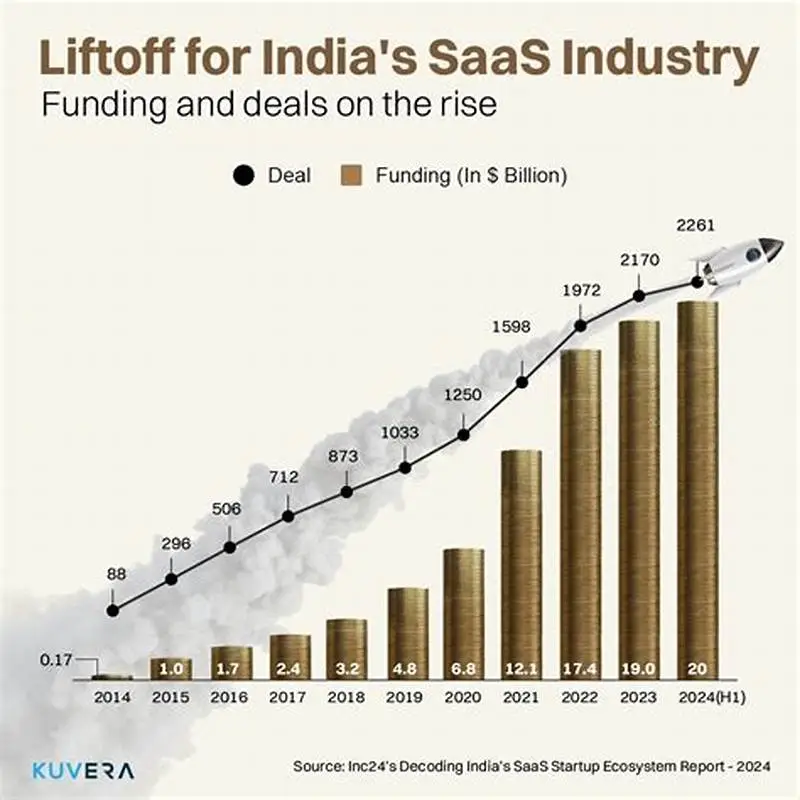
According to Statista, the global website builder software market size is projected to hit over $13 billion by 2030. That’s not a niche anymore; that’s a gold rush.
And that traction? It brings opportunities and expectations. Users want speed, custom domains, SEO tools, responsive designs, and integrations—from email to e-commerce. Pricing your custom build means pricing for feature demand, scale, and support—not just design and deployment.
Read more: How to Start a Website Builder Platform Business
Core Cost Factors: What You’re Really Paying For
1. Product Architecture & Tech Stack
Think of this as the skeleton of your SaaS. Will you go with React.js for a snappy UI? Node.js for real-time features? Firebase or AWS for hosting? These decisions drastically shape your cost structure.
- Custom CMS integration or build from scratch?
- No-code editor vs. code-optional hybrid models?
- Scalability: Can your stack handle 100 users today and 10,000 tomorrow?

Cost Range: $8,000–$25,000+
2. Frontend & UI/UX Design
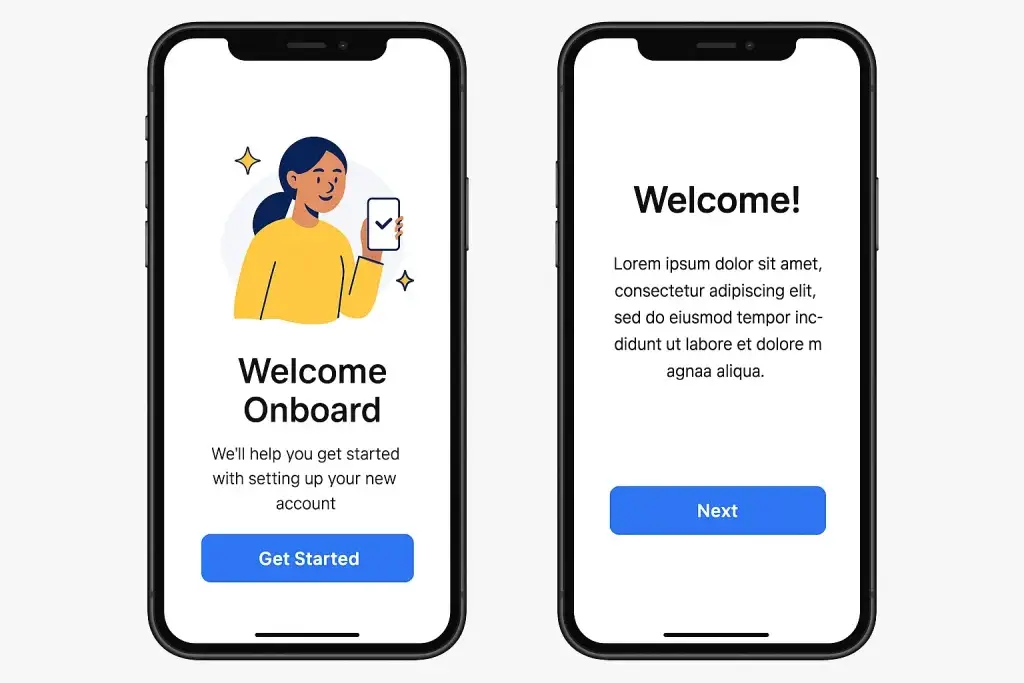
Let’s not sugarcoat it: ugly doesn’t sell. Your platform needs to look sleek but feel intuitive. That means clean UI, frictionless onboarding, responsive layouts, and mobile-first adaptability.
- Design system + component library
- Drag-and-drop editor elements
- Template customization
- Dark mode? Multilingual support?
Cost Range: $4,000–$10,000
3. Features That Shape the Dollar Signs
These are the big-ticket items—the core of your SaaS value proposition.
Must-Haves:
- Site editor with autosave
- Media library (images, videos, audio)
- Custom domain support
- Real-time preview
Nice-to-Haves:
- Integrated SEO panel
- Blog/podcast engine
- E-commerce modules
- Analytics dashboard
Cost Range: $15,000–$50,000 (modular)
4. Hosting, Infrastructure & DevOps
Your server setup is your foundation. No one likes a website builder that crashes when someone adds an image carousel.
- Cloud hosting (AWS, Azure, Google Cloud)
- CDN integration for global speed
- Load balancing and database scaling
- Auto-backups & uptime monitoring
Monthly Burn: $200–$1,000+ (depending on user base)
5. Security & Compliance
GDPR, SSL, two-factor authentication—non-negotiables if you plan to gain user trust.
- HTTPS & secure APIs
- Data encryption at rest and in transit
- Cookie compliance banners
- Activity logs
Cost Range: $2,000–$6,000 initial + ongoing audits
6. Ongoing Maintenance & Scaling
Even if you build the cleanest MVP, bugs will creep in and user requests will pile up. And then there’s version updates, feature extensions, and mobile app parity.
- Regular code audits
- Backend patching
- Customer support tools
- User feedback loops
Annual Cost: $5,000–$15,000 (or 20–30% of initial build)
Real-World Examples: Pricing Scenarios You Can Relate To
Scenario A: Niche Portfolio Builder for Photographers
- Limited templates, basic hosting
- No e-commerce
- Targeted mobile responsiveness
Estimated Build Cost: $15,000–$20,000
Scenario B: Robust Business Site Builder with E-Commerce
- Advanced editor, analytics, AI suggestions
- Custom domain + payment gateways
- SaaS dashboard with multi-user access
Estimated Build Cost: $40,000–$75,000

Read more: Best Wix Clone Scripts in 2025: Features & Pricing Compared
Don’t Forget: Hidden & Variable Costs
- Third-party APIs (e.g., Unsplash for image embeds)
- Licensing fees for fonts, analytics tools, templates
- Customer acquisition cost if you’re bootstrapping
- Support tools like live chat, CRMs, and onboarding automation
These aren’t line items people talk about—but they should be in your budget from day one.
Cost-Saving Tips Without Cutting Corners
- Go modular: Build the MVP with core modules, then stack on features later.
- Use clone scripts: Save time by using a solid website builder clone base (yes, we’ve got those).
- Hybrid teams: Outsource static UI builds while keeping backend in-house.
- User-first dev: Build based on real user pain points, not “cool” features.
Build and scale your own no-code web creation platform with our custom website builder development solutions designed for SaaS success.
Conclusion
Custom website builder SaaS solutions aren’t cheap—but they’re worth every penny when you design for purpose, performance, and profit. Whether you’re building a platform for freelancers, influencers, or digital-first businesses, smart pricing starts with smart planning.
At Miracuves, we help innovators launch high-performance app clones that are fast, scalable, and monetization-ready. Ready to turn your idea into reality? Let’s build together.
FAQs
Q:1 How long does it take to build a custom website builder SaaS?
Typically 3–6 months for a functional MVP, depending on features, integrations, and team setup.
Q:2 Can I start small and scale later?
Absolutely. Modular development allows you to launch with core features and scale with demand.
Q:3 Are clone scripts reliable for website builder platforms?
Yes, especially when developed and supported by experienced firms like Miracuves. They cut cost and dev time drastically.
Q:4 What ongoing costs should I plan for?
Hosting, maintenance, security audits, and user support—roughly 20–30% of your total dev cost annually.
Q:5 How do I monetize a website builder SaaS?
Freemium tiers, paid templates, premium support, and e-commerce plugins are common revenue models.
Q:6 What’s the biggest pricing mistake founders make?
Underestimating post-launch costs like scaling infrastructure or adding features requested by users.
Related Articles:
Miracuves is an independent software development company. We are not affiliated with, connected to, sponsored by, or endorsed by any company or product named in this article.
Terms such as “X Clone” are used descriptively. It is how the software industry refers to building a platform with functionality comparable to a known service, and how clients search for it.
The entire design and codebase of our products is built by our own team. Our products contain no code, design, graphics, or content originating from any third-party website or applications.
All third-party names and marks referenced in this article are the property of their respective owners, referenced solely to identify the services discussed.