

If you’ve ever watched someone swipe left while sipping their coffee like it’s a reflex—they probably weren’t texting their crush, they were on a dating app. Love has gone digital, folks, and it’s booming. From late-night confessions on Bumble to algorithm-driven matches on eHarmony, the hunt for love now lives on smartphones—right next to food delivery and banking apps.
For entrepreneurs and startup dreamers, the dating app space is more than just heart emojis and profile bios. It’s a cash-heavy, emotion-rich, behavior-hacking machine. Apps like Tinder and Hinge have proven there’s serious ROI in helping people find “the one”—or just someone for the weekend. That’s why so many founders are looking to Build your own dating platform and tap into this booming market.
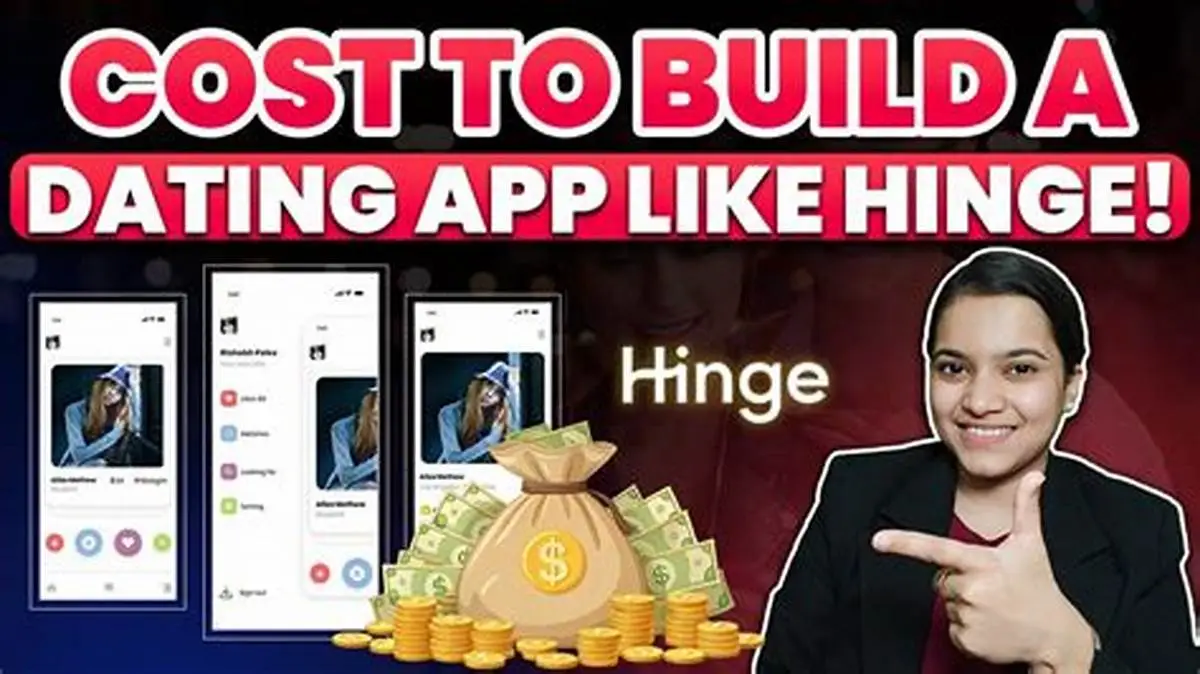
If you’re thinking of developing a dating app from scratch—one that’s slick, scalable, and seductive—you’re asking the right question: how much does it really cost? We’ve broken it down in detail. And if you’re serious about getting it done right, Miracuves has helped countless startups launch successful clone-based platforms with high performance and monetization baked in. Let’s dive in.
Read more: How to Start a Dating & Relationship Platform Business
Dating App Development Cost: A Reality Check
Before we toss around numbers, let’s get something straight: dating apps are deceptively simple. Behind that swipe gesture? Complex matchmaking algorithms, real-time messaging, GPS tech, user safety systems, and more.
So, the cost to build a modern dating app depends on:
- Features (basic vs. advanced)
- Design complexity
- Backend infrastructure
- Tech stack
- Development team location
- Timeline
Let’s break that down with some real estimates.
Cost Breakdown Table: MVP vs Full-Scale Dating App
| Component | MVP Estimate ($) | Full-Scale App ($) |
| UI/UX Design | 3,000 – 5,000 | 8,000 – 15,000 |
| Backend Development | 6,000 – 10,000 | 20,000 – 30,000 |
| Frontend (Mobile/Web) | 5,000 – 8,000 | 15,000 – 25,000 |
| Chat/Messaging System | 3,000 – 5,000 | 8,000 – 12,000 |
| Matching Algorithm | 2,000 – 4,000 | 6,000 – 10,000 |
| Admin Dashboard | 2,000 – 4,000 | 5,000 – 8,000 |
| QA & Testing | 1,000 – 2,000 | 4,000 – 6,000 |
| Total | $22K – $38K | $70K – $110K |
Features That Move the Needle
Core Features (Non-negotiables)
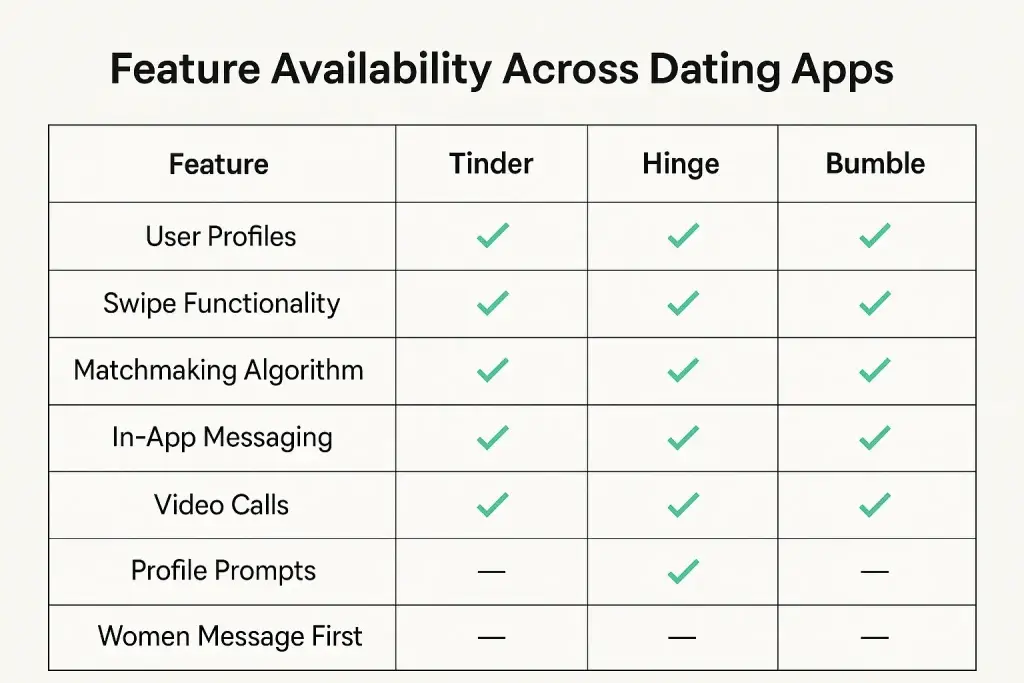
- User profile setup (bio, pics, interests)
- Geolocation for nearby matches
- Swipe or scroll match interface
- Chat/Messaging
- Push notifications
- User verification/login
Advanced (Revenue-driving) Features
- AI-powered match suggestions
- In-app video calls
- Gamified features like “Super Like” or “Roses”
- Subscription tiers (Gold, Plus, etc.)
- Virtual gifts, coins, and wallet system
- Advanced filters (location, intent, interest tags)
Design: Where Emotions Meet UI
The psychology of dating isn’t just in the algorithm—it’s in the design. Button placement, micro-interactions, animations, and color gradients affect user emotions and app stickiness. A bad UX? People bounce faster than a bad first date.
Expect to spend extra on:
- Prototyping and user testing
- Custom illustrations
- Gestural animations (like swipes or drags)
And yes, the “it just feels good to use” vibe? It costs extra—but it’s what keeps people coming back.
Tech Stack: Under the Hood
Here’s what powers a modern dating app:
- Frontend: React Native or Flutter for cross-platform, Swift/Kotlin for native
- Backend: Node.js, Django, or Firebase
- Database: PostgreSQL, MongoDB
- Real-Time: WebSockets or Firebase for chat
- Matching Logic: Custom ML model or basic algorithm
- Cloud & Storage: AWS, Google Cloud, Azure
Choosing the right stack affects:
- Scalability
- Security
- Performance
Miracuves helps founders pick the right stack for their vision, not a cookie-cutter approach.
Time to Market = Time is Money
- MVP with basic features: 3–4 months
- Fully-loaded app: 6–9 months
Trying to rush the timeline? That’s like showing up for a first date in pajamas—possible, but probably not your best bet.
Hidden Costs No One Talks About
- App Store Fees: 15–30% cut of revenue
- Ongoing Maintenance: ~15–20% of total build cost yearly
- User Acquisition: CAC can range from $3–$10 per user depending on targeting
- Legal/Compliance: GDPR, CCPA, data storage laws
Dating apps deal with a lot of sensitive user data. Cut corners here, and it could turn into a PR nightmare.
Monetization Models: Show Me the Money
Let’s be honest: nobody’s building a dating app just for love. Here’s how to monetize:
- Subscription Plans (Tinder Gold, Hinge Preferred)
- Freemium model (free core, pay for perks)
- In-app purchases (boosts, likes, superlikes)
- Ads (native and contextual)
- Partnerships (events, speed dating services)
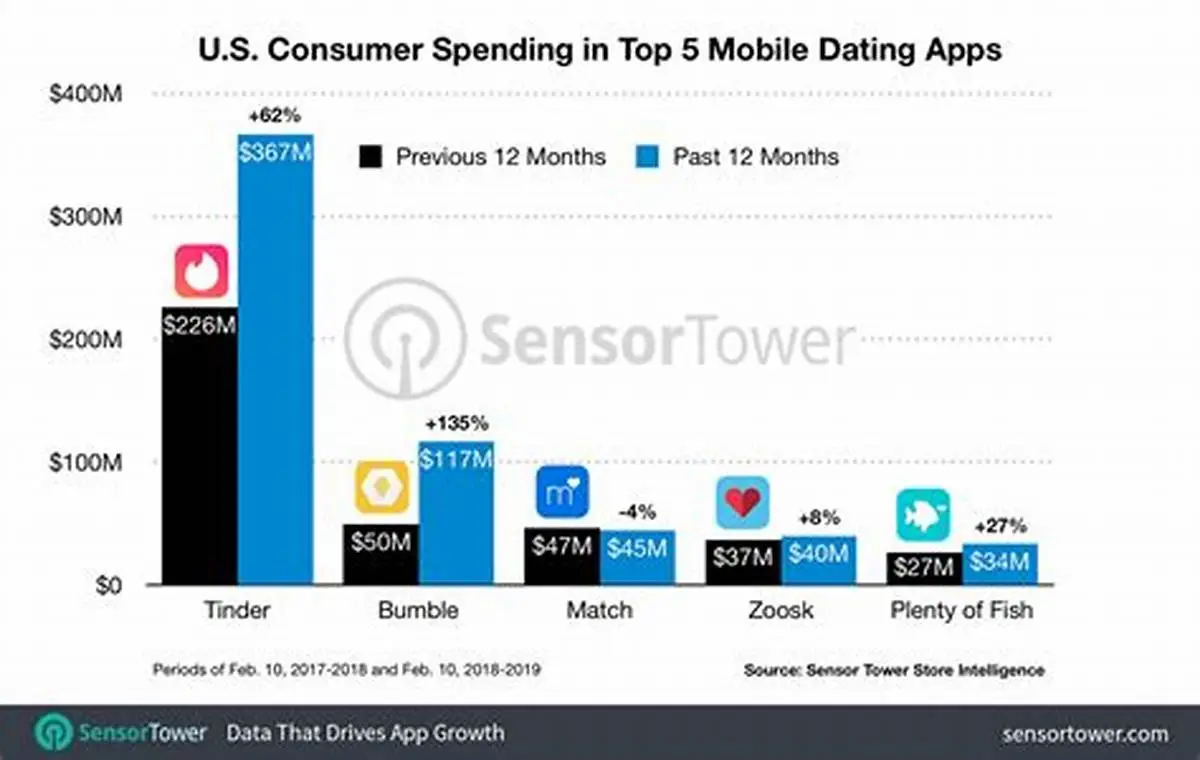
Top dating apps pull in billions annually—but only if the monetization model fits the user behavior like a well-tailored suit.
Read more: Revenue Model for Dating App and Matchmaking Platform
Conclusion
Building a dating app isn’t about duplicating Tinder—it’s about capturing human connection in code. Whether your goal is serious relationships, casual meetups, or a niche interest community, the cost of development reflects your ambition, features, and quality expectations.
At Miracuves, we help innovators launch high-performance app clones that are fast, scalable, and monetization-ready. Ready to turn your idea into reality? Let’s build together.
FAQs
Q:1 How much does it cost to build a Tinder-like app?
Building a Tinder clone with basic features starts at around $25K–$40K, but scaling it with AI, video chat, and monetization can take the cost above $100K.
Q:2 Is it cheaper to use a white-label dating app solution?
Yes, white-label or clone solutions (like the ones offered by Miracuves) drastically cut both cost and time, starting at just a fraction of scratch-built apps.
Q:3 How long does it take to build a dating app from scratch?
Typically, a basic MVP can be built in 3–4 months, while a full-featured app may take 6–9 months depending on the team and scope.
Q:4 Can I monetize a free dating app?
Absolutely. Many top apps use in-app purchases, ads, and freemium models to monetize users even without subscriptions.
Q:5 What’s the most expensive feature to build?
Real-time chat and matching algorithms tend to be the most resource-heavy, especially when powered by AI or ML personalization.
Q:6 Is it necessary to include location-based matching?
If you’re building for local discovery (like most dating apps), yes. It’s a standard user expectation now and adds significant UX value.
Related Articles:
Miracuves is an independent software development company. We are not affiliated with, connected to, sponsored by, or endorsed by any company or product named in this article.
Terms such as “X Clone” are used descriptively. It is how the software industry refers to building a platform with functionality comparable to a known service, and how clients search for it.
The entire design and codebase of our products is built by our own team. Our products contain no code, design, graphics, or content originating from any third-party website or applications.
All third-party names and marks referenced in this article are the property of their respective owners, referenced solely to identify the services discussed.