
Key Takeaways
What You’ll Learn
- Building a Skype alternative is a strong market opportunity as demand for modern communication tools continues to grow.
- Success depends on user experience, including mobile-first design, fast onboarding, and smooth interactions.
- Core features include video calls, chat, file sharing, and cross-platform support for real-time communication.
- Advanced features like AI tools, recording, and integrations help differentiate your platform.
- A strong Skype alternative combines performance, usability, and innovation to compete effectively.
Stats That Matter
- The video conferencing market is projected to reach $19.73 billion by 2030, showing strong long-term demand.
- Remote work, education, and creator economy continue to drive growth in communication platforms.
- Users expect modern UX features like one-click joining, integrations, and smart chat systems.
- Lightweight, mobile-first apps are replacing legacy platforms with better usability and performance.
Real Insights
- The biggest opportunity is not copying Skype, but improving UX, speed, and flexibility.
- Niche targeting works better, such as remote teams, educators, or creators.
- Monetization should match user behavior, using subscriptions or SaaS models.
- Technology choices are critical, especially WebRTC, scalable backend systems, and secure APIs.
- A successful platform connects product, UX, and growth strategy into one system.
Remember the first time you awkwardly waved at your webcam on a Skype call, just to make sure it worked? Yep, we’ve all been there. Once the crown jewel of video chat, Skype revolutionized online communication—but let’s be honest, it hasn’t aged like fine wine. In a world of Zoom rooms and Meet links, there’s a serious gap for a fresher, leaner, and smarter Skype alternative that doesn’t feel like it’s stuck in 2011.
For startup founders and digital builders, the appeal is obvious: video chat isn’t going anywhere. With remote work normalized, creators hosting global workshops, and families spread across continents, the demand for seamless video conversations is red hot. What’s missing? A user-first platform that’s modern, mobile-optimized, and plays nicely with every smart gadget we carry.
If you’ve been itching to build something Skype should’ve evolved into, this blog’s for you. We’ll walk you through the process—tech, UX, growth, monetization, the whole shebang. And yes, if you’re thinking of launching your own Skype clone, Miracuves has your back with cutting-edge, monetization-ready solutions.
Why Build a Skype Alternative Today?
The Market Is Ripe for Disruption
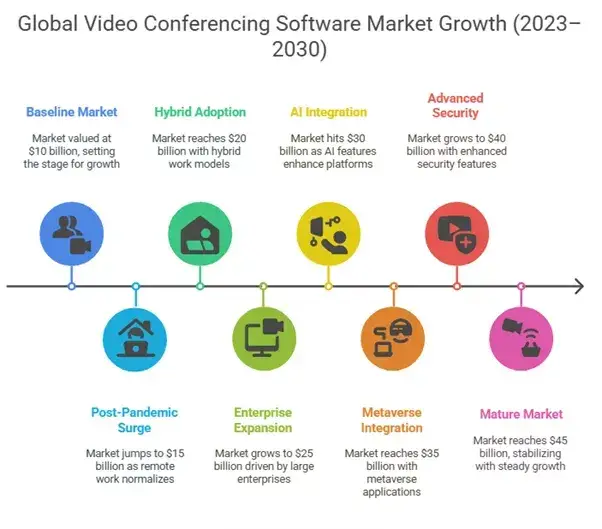
The global video conferencing market is projected to reach $19.73 billion by 2030 (Statista). Post-pandemic, it’s not just enterprises—freelancers, podcasters, gamers, and educators all crave reliable, stylish video tools. Skype, though familiar, struggles with bloated UX and outdated integrations.
Users Demand Better UX, Not Just Features
Modern users expect:
- 1-click joins (no downloads!)
- Background blur and noise cancellation
- Emoji reactions and smart chat
- Integration with calendar, cloud drives, CRMs
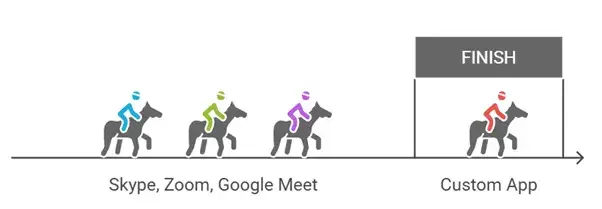
Skype alternatives like Zoom, Jitsi, and Google Meet cover the basics—but few deliver a slick, mobile-first experience with lightweight onboarding.
Competitive Gap Analysis
What Competitors Are Missing
| Feature | Skype | Zoom | Google Meet | What You Can Do |
|---|---|---|---|---|
| Smart mobile UI | Absent | Present | Absent | Present |
| End-to-end encryption by default | Absent | Present | Present | Present |
| Custom branding & plugins | Absent | Not Available | Absent | Present |
| In-app monetization | Absent | Absent | Absent | Present |
Core Features to Include in Your Skype Alternative
Must-Haves (The Essentials)
- HD Video/Audio Calls
- Group Meetings & Webinars
- Text Chat + File Sharing
- Cross-Platform Support (iOS, Android, Web)
- Secure Login (SSO, 2FA, social auth)
Should-Haves (The Differentiators)
- Meeting Recording + Transcripts
- AI-generated summaries
- Whiteboard & Screen Sharing
- Background FX, Avatars & Filters
- Multilingual UI + Translations
Could-Haves (Growth Features)
- Referral-based user onboarding
- Tipping or donations for content creators
- Event ticketing inside the platform
Monetization Models to Consider
1. Freemium + Subscription
Offer core features free, then lock premium perks:
- Unlimited recording
- CRM/Slack integrations
- Branding tools
2. SaaS for Teams
Charge per seat for business use. Add analytics, admin dashboards, and compliance tools.
3. Ads + Sponsorships
Host sponsored backgrounds or audio ads (like Spotify).
4. Pay-Per-Use
Perfect for event hosts and educators. Let users charge per live session.
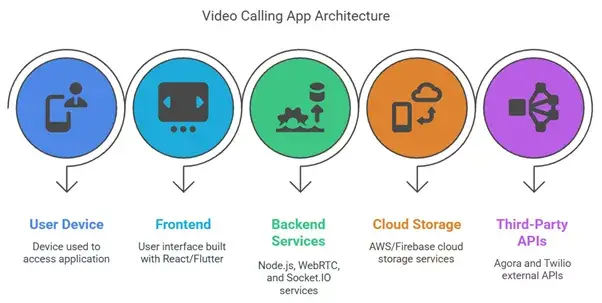
Tech Stack for Building a Video Chat App
Frontend
- React.js or Flutter (cross-platform)
- WebRTC for real-time calls
- Redux + Context API for state
Backend
- Node.js with Socket.IO
- MongoDB or PostgreSQL
- AWS or Firebase for infra
APIs & SDKs
- Agora, Twilio, or Daily.co for video calls
- Stripe for payments
- Firebase Auth or Auth0 for logins
Go-to-Market Tips
- Launch with a niche: Don’t chase “everyone.” Focus on coaches, online teachers, or DTC founders first.
- Content-led growth: Build SEO blogs around “Zoom alternatives,” “remote class tools,” etc.
- Leverage App Stores: Optimize for terms like “secure video call app” or “free meeting tool.”
- Integrate with ecosystems: Build extensions for Chrome, Slack, Notion, and more.
Common Pitfalls and Emerging Trends
Common pitfalls to avoid :
- Cloning Skype too literally. Users want innovation, not nostalgia.
- Overloading with features before nailing MVP.
- Forgetting offline support and spotty network handling.
- Ignoring user feedback loops.
Users are demanding more and so is the trend changing :
- AI note-taking and live translations (via GPT-style models)
- Metaverse meeting spaces
- Voice-to-avatar interactions
- AR-enabled screen sharing
Conclusion
Skype might’ve introduced us to the magic of video calling, but it’s no longer the poster child for what users need today. People want faster, smarter, mobile-first communication that doesn’t come with a clunky interface or outdated tools. That’s exactly where your opportunity lies.
But don’t stop at features. The real differentiator is experience. From intuitive UX to monetization options for content creators and teams, your video app should reflect the lifestyle and workflows of today’s remote-first, global user base.
And as trends evolve, so should your platform. AI note-takers, metaverse integrations, and gesture-based interactions aren’t sci-fi anymore—they’re tomorrow’s features. If you’re serious about this journey, don’t go it alone.
At Miracuves, we help innovators launch high-performance app clones that are fast, scalable, and monetization-ready. Ready to turn your idea into reality? Let’s build together.
FAQs
1. What tech is Skype built on?
Skype uses a combination of proprietary VoIP tech and Microsoft’s infrastructure. Your clone will use open tools like WebRTC and modern APIs.
2. Can I monetize a video chat app from day one?
Absolutely. Launch with in-app purchases, pay-per-use calls, or subscriptions.
3. How long does it take to develop a Skype-like app?
With Miracuves’ clone frameworks, MVPs can be ready in just 6 days.
4. Is it legal to build a Skype clone?
Yes, as long as you don’t use trademarked branding and create original code/features.
5. How secure can my video calling app be?
With E2E encryption, secure auth, and regular audits, your app can match (or exceed) Skype’s security.
Miracuves is an independent software development company. We are not affiliated with, connected to, sponsored by, or endorsed by any company or product named in this article.
Terms such as “X Clone” are used descriptively. It is how the software industry refers to building a platform with functionality comparable to a known service, and how clients search for it.
The entire design and codebase of our products is built by our own team. Our products contain no code, design, graphics, or content originating from any third-party website or applications.
All third-party names and marks referenced in this article are the property of their respective owners, referenced solely to identify the services discussed.