
The online grocery delivery market is booming, and apps like FreshDirect are proof that digital groceries are no passing trend. In 2026, people aren’t just ordering food—they’re curating shopping experiences that are fast, hyper-personalized, and 100% remote. If you’re an entrepreneur or startup founder eyeing the e-grocery gold rush, building your own FreshDirect-style app might just be the game-changer you’re looking for.
I remember being stuck in a queue at a supermarket during peak hours—sweaty, annoyed, and wondering why no one had cracked the code on truly seamless grocery delivery in my area. That frustration led me down a rabbit hole of exploring platforms like FreshDirect. The app’s tight logistics, efficient delivery flow, and focus on quality set a high bar—but also exposed areas ripe for innovation.
At Miracuves, we see those gaps as opportunities—to build smarter, faster, and more localized grocery delivery platforms that truly serve the modern consumer.
In this blog, we’ll walk you through how to actually develop a FreshDirect app from scratch or using smart tools. We’ll talk tech stack, features, monetization ideas, logistics integrations, and the nitty-gritty that developers, founders, and even investors care about. Spoiler alert: it’s not just about groceries—it’s about building trust at scale.
By the end, you’ll have a clear roadmap to start developing your own e-grocery app that can rival the big players, be it for a city, region, or even niche grocery market. Let’s dive in!
Why FreshDirect Works (And Why It’s Worth Cloning)
FreshDirect built its empire by cutting out the middlemen, sourcing directly from farms, and offering ultra-reliable delivery. It blends tech with supply chain finesse—things like optimized delivery routes, cold storage logistics, and curated shopping experiences.
The idea isn’t just to copy FreshDirect—but to take inspiration and localize it. Think of it as the Zomato for groceries, only smarter, more logistical, and with recurring customer orders baked into the user journey.
Key Takeaways from FreshDirect’s Model:
- Direct sourcing = Better margins + quality
- Scheduled deliveries = Lower overhead
- Niche targeting = Loyal customers
- Efficient logistics = Competitive pricing

Read more : –What is an AmazonFresh App and How Does It Work?
Step-by-Step Guide to Develop a FreshDirect-Style App
1. Define Your Business Model
Before you write a single line of code, figure out:
- Delivery model: Scheduled vs. on-demand?
- Inventory model: Own inventory, partner with stores, or hybrid?
- Revenue model: Commission, delivery fee, subscription, or freemium?
2. Choose the Right Tech Stack
Backend:
- Node.js / Express (scalable and event-driven)
- Django / Python (great for data-heavy apps)
Frontend:
- React Native or Flutter for cross-platform speed
- Swift + Kotlin if you’re going native
Database:
- PostgreSQL or MySQL (structured data)
- Redis for caching
Hosting & Cloud:
- AWS, Google Cloud, or Azure
- Use S3 for images, EC2 for server, and CloudFront for CDN
APIs & Tools:
- Payment Gateway: Stripe, Razorpay
- Notifications: Firebase, OneSignal
- Maps & Delivery Routes: Google Maps API
- SMS/OTP: Twilio or local providers
3. Design a Killer User Interface (UI/UX)
Your UI should be clean, clutter-free, and lightning-fast. Prioritize:
- Predictive search
- Category filters
- Favorites & reorder buttons
- Real-time delivery tracker
- Smart cart suggestions (based on history)
4. Build the Core Features
Here’s what your MVP should include:
| Feature | Why It Matters |
| User Registration & Login | Secure user flow |
| Product Catalog | Easily browse and filter groceries |
| Smart Cart & Checkout | Faster conversions |
| Real-Time Inventory | Prevents out-of-stock frustration |
| Delivery Slot Scheduler | Optimized logistics |
| Order Tracking | Builds trust & engagement |
| Payments Integration | Smooth and secure |
| Ratings & Reviews | Builds credibility |
| Push Notifications | Boosts retention |
Read more: – Best FreshDirect Clone Scripts in 2025: Features & Pricing Compared
Advanced Features to Stand Out
- AI-powered Recommendations: “Did you forget milk?” nudges
- Voice Search: Especially useful in regional apps
- Subscription Plans: Weekly essentials delivered automatically
- Referral Bonuses: Virality and retention combined
- Multi-language Support: India = Multilingual advantage
- Loyalty Wallet: For cashback, store credit, and gamification
Logistics and Backend Considerations
No grocery app succeeds without a robust backend. Here’s what to think about:
- Inventory Sync: Real-time sync with POS systems or warehouse DBs
- Cold Chain Logistics: If you’re dealing with dairy or meat, this is non-negotiable
- Delivery Fleet Management: Either build your own or integrate with third-party providers
- Admin Dashboard: Track orders, user issues, analytics, refunds, and inventory levels
Read More : – What is Foodpanda App and How Does It Work?
Monetization Options for a FreshDirect Clone
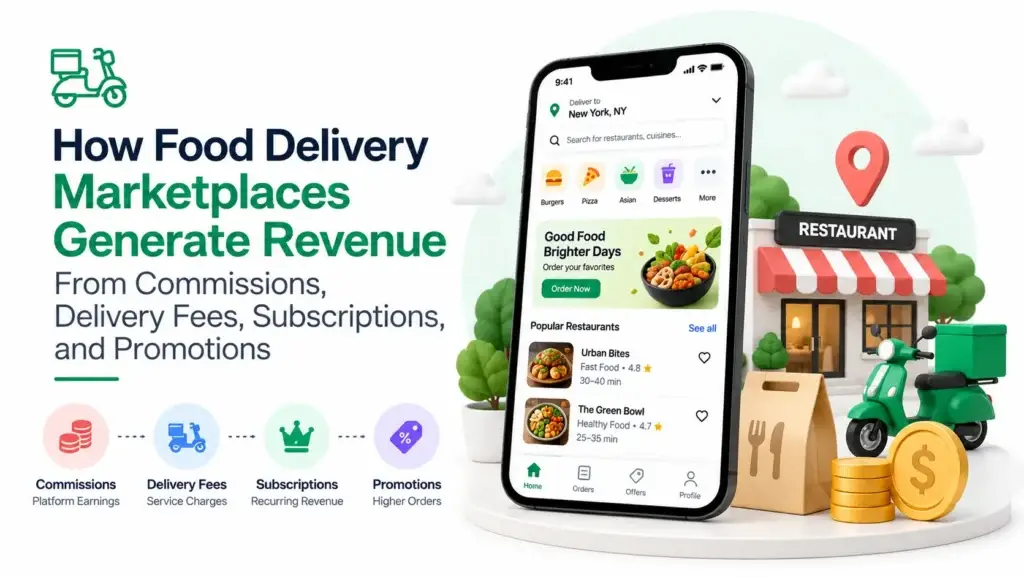
- Commission per Order: Ideal if you partner with local vendors
- Delivery Fee: Dynamic pricing for distance or time slots
- Subscriptions: Weekly plans with discounts for loyal users
- In-App Ads: Partner with FMCG brands
- Premium Features: Early delivery slots or exclusive items
Challenges to Prepare For
- Perishability of Goods: You need a smooth refund/replacement system
- User Retention: Send helpful notifications, not spam
- Price Wars: Compete with quality and speed, not just price
- Last-Mile Delivery: The biggest make-or-break factor
- Tech Maintenance: Real-time apps need 24/7 monitoring
Read more :- What is Dunzo App and How Does It Work?
Conclusion: From Idea to Grocery Empire
Developing a FreshDirect-style grocery app isn’t just a tech challenge—it’s a logistics ballet, a trust engine, and a UX story rolled into one. If you build it right—with the user in mind and logistics in your DNA—you can absolutely create a platform that’s fast, functional, and fiercely competitive.
With the rise of smart cities, AI personalization, and lightning-fast delivery expectations, the grocery game is changing. Want in? Build it, test it, tweak it—and deliver value.
FAQs:
Q1. Is it better to build from scratch or use a clone script?
If you want to move fast, start with a clone script. But for long-term customization, building from scratch gives more flexibility.
Q2. How much does it cost to build a FreshDirect-style app?
Anywhere from $20,000 to $100,000 depending on features, complexity, and region.
Q3. Can I monetize the app with subscriptions?
Absolutely. Weekly or monthly subscriptions can drive predictable revenue and boost user loyalty.
Q4. How do I manage inventory across multiple vendors?
Use real-time APIs, automated syncs, or middleware platforms that pull data from your partners.
Q5. Which cities are best to launch in India?
Start with metros like Mumbai, Delhi, Bangalore, and Hyderabad before expanding to Tier 2 cities.
Q6. How do I handle cold chain logistics?
Partner with cold storage delivery providers or invest in temperature-regulated delivery units.
Related Articles:
Miracuves is an independent software development company. We are not affiliated with, connected to, sponsored by, or endorsed by any company or product named in this article.
Terms such as “X Clone” are used descriptively. It is how the software industry refers to building a platform with functionality comparable to a known service, and how clients search for it.
The entire design and codebase of our products is built by our own team. Our products contain no code, design, graphics, or content originating from any third-party website or applications.
All third-party names and marks referenced in this article are the property of their respective owners, referenced solely to identify the services discussed.