


Key Takeaways
What You’ll Learn
- Short video apps can reduce streaming costs without sacrificing playback quality through smarter infrastructure optimization.
- Adaptive bitrate streaming helps maintain smooth playback while lowering unnecessary bandwidth usage.
- CDN optimization, caching, and intelligent storage management significantly reduce delivery expenses.
- Video compression and transcoding pipelines improve streaming efficiency across devices and networks.
- The goal is to balance playback quality, scalability, operational efficiency, and infrastructure cost.
Stats That Matter
- Bandwidth and CDN delivery remain among the largest operational expenses for video streaming platforms.
- Adaptive bitrate streaming dynamically adjusts video quality based on network conditions to improve efficiency.
- Optimized cloud storage strategies can significantly reduce long-term streaming infrastructure costs.
- Partial transcoding and intelligent repository management help reduce compute and storage overhead.
- Machine-learning-based storage prediction models improve infrastructure efficiency and resource optimization.
Real Insights
- Reducing streaming cost should focus on smarter infrastructure instead of lowering playback quality.
- Modern codecs and compression systems improve delivery efficiency without noticeably affecting video clarity.
- Regional CDN routing and caching improve playback speed while reducing unnecessary bandwidth load.
- Scalable cloud infrastructure allows platforms to optimize resources during viral traffic spikes.
- Long-term success depends on balancing video quality, creator growth, infrastructure scalability, and operational profitability.
Short-video platforms are growing rapidly, but their infrastructure costs are growing even faster. Every autoplay feed, creator upload, recommendation refresh, and continuous scrolling session increases pressure on bandwidth delivery, CDN systems, storage infrastructure, and transcoding pipelines.
Unlike traditional OTT platforms where users stream a few long videos, short-video apps continuously deliver hundreds of small video sessions within minutes. This creates massive network activity and real-time delivery challenges for startups trying to scale efficiently.
Many founders underestimate how quickly these operational costs increase. Platforms often overspend because of poor caching strategies, unnecessary high-resolution delivery, weak compression planning, and inefficient storage management.
Modern streaming platforms are now focusing on smarter optimization instead of simply increasing server capacity. Scalable short-video systems increasingly depend on adaptive bitrate streaming, intelligent CDN routing, advanced compression workflows, and lifecycle-based storage optimization to reduce operational expenses while maintaining smooth playback quality.
Platforms developed with scalable infrastructure strategies — including systems designed by miracuves — increasingly prioritize long-term delivery efficiency from the earliest development stages.
In this article, you’ll learn how modern short-video apps like TikTok reduce video streaming costs without affecting playback quality, including practical strategies around bandwidth optimization, CDN planning, video compression, scalable delivery systems, and storage efficiency.
Why Streaming Costs Grow So Fast in Short Video Apps
Short-video platforms create a very different infrastructure challenge compared to traditional streaming systems.
Users rarely watch a single video. Instead, they continuously scroll through autoplay feeds where content loads instantly in the background. Every swipe triggers additional requests for video delivery, analytics tracking, recommendation calculations, and content preloading.
This behavior creates enormous pressure on streaming infrastructure.
At the same time, platforms must maintain smooth playback because even small buffering delays can reduce retention rates significantly. Users expect instant loading, seamless transitions, and uninterrupted playback across different network conditions.
Major Factors That Increase Streaming Costs
- Continuous autoplay traffic
- High concurrent user activity
- Global video delivery
- Real-time transcoding
- Multiple bitrate generation
- Video storage expansion
- Feed preloading systems
- Recommendation engine processing
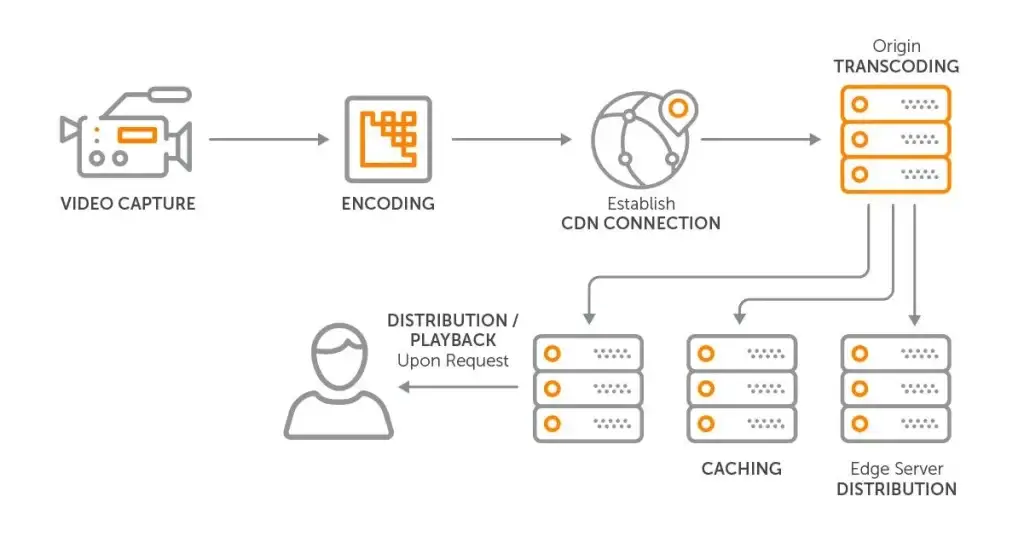
Core Infrastructure Areas That Increase Video Streaming Costs
Bandwidth Consumption
Bandwidth becomes one of the largest recurring operational expenses for short-video platforms.
Autoplay feeds continuously transfer data even when users quickly skip videos. Many apps preload multiple videos simultaneously to improve playback smoothness, but inefficient preloading systems often waste significant amounts of bandwidth.
High-resolution delivery also increases infrastructure pressure rapidly. Some startups stream unnecessarily high bitrates even when mobile users cannot visually distinguish the quality difference.
As daily active users increase, bandwidth costs scale aggressively.
CDN Delivery Costs
CDNs help platforms deliver videos globally with lower latency and smoother playback. However, inefficient CDN configuration can become extremely expensive.
Poor cache management creates repeated origin requests instead of serving content from nearby edge locations. Viral traffic spikes further increase infrastructure pressure when routing systems are not optimized properly.
Global video delivery requires careful balance between playback performance and delivery efficiency.
Video Storage Expenses
Storage costs are often underestimated during early product development.
Every uploaded video may generate:
- Original source files
- Multiple encoded versions
- Thumbnail assets
- Backup copies
- Archived media
As creator ecosystems grow, storage infrastructure scales rapidly. Without lifecycle management policies, startups often continue paying for inactive content indefinitely.
Compression & Encoding Infrastructure
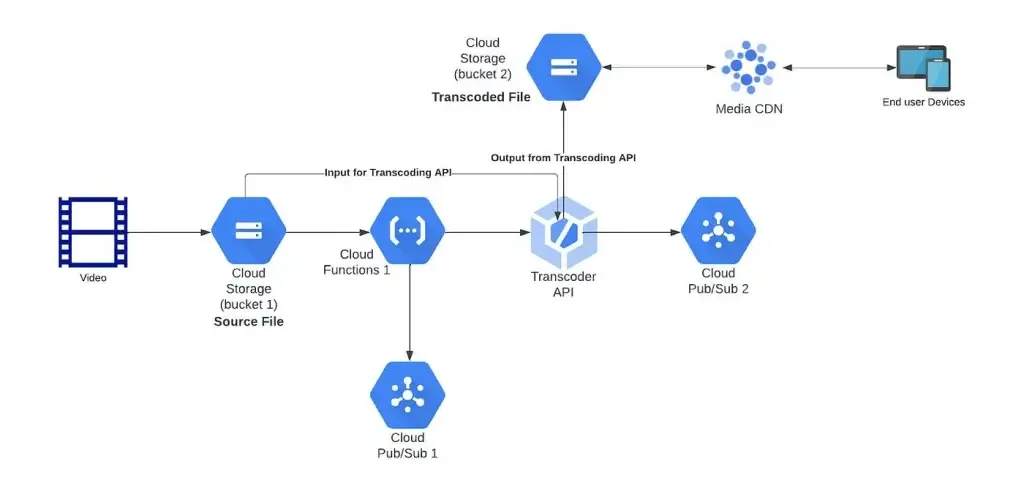
Modern streaming systems continuously process videos into multiple bitrate profiles for adaptive playback delivery.
This creates additional infrastructure requirements including GPU-intensive transcoding, real-time encoding workflows, multi-bitrate generation, and compression optimization pipelines.
Efficient encoding systems directly affect both bandwidth and storage costs.
| Infrastructure Component | Primary Cost Driver | Cost Pressure |
|---|---|---|
| Bandwidth Delivery | Continuous autoplay traffic | Very High |
| CDN Infrastructure | Global edge delivery | High |
| Video Storage | Multi-version retention | High |
| Encoding Pipelines | GPU transcoding workloads | Medium |
| Feed Delivery | Preloading systems | Medium |
Read More :- WebRTC vs HLS: Choosing the Right Streaming Tech for Short Video Apps
Smart Ways Short Video Apps Reduce Streaming Costs
Modern streaming platforms now focus on intelligent optimization systems instead of simply scaling infrastructure capacity.
The goal is to improve how videos are processed, compressed, delivered, and stored while maintaining smooth playback experiences.
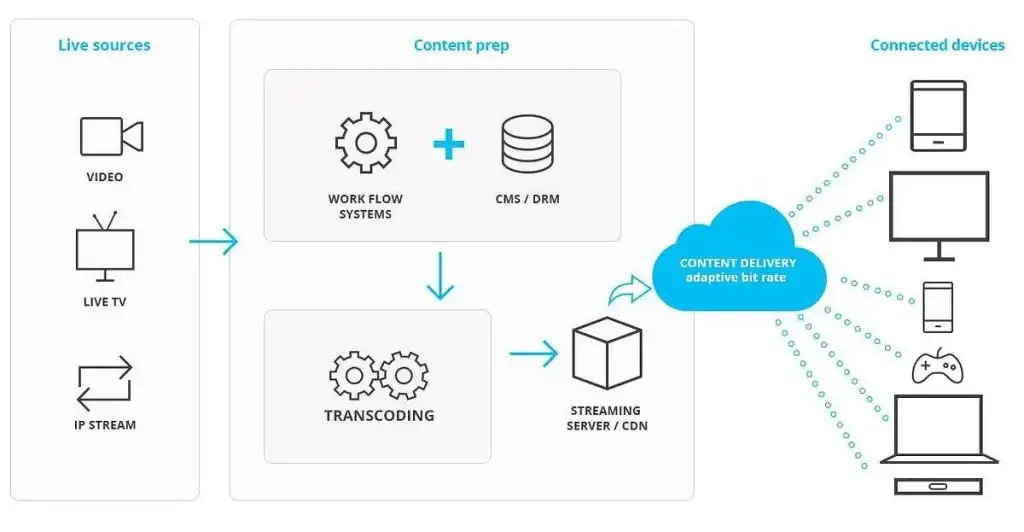
Adaptive Bitrate Streaming (ABR)
Adaptive bitrate streaming dynamically adjusts video quality depending on the user’s internet speed and device conditions.
Instead of continuously delivering maximum quality video, the platform automatically selects the most efficient bitrate required for stable playback.
This improves playback stability, mobile streaming efficiency, buffering reduction, and bandwidth optimization simultaneously.
ABR is one of the most effective ways to reduce video streaming costs without affecting user experience significantly.
Smarter CDN Caching Strategies
Modern platforms optimize CDN performance by storing high-demand content closer to users through regional edge servers.
Frequently viewed or viral videos are aggressively cached to minimize repeated origin requests. This improves scalability while reducing unnecessary bandwidth consumption.
Better cache optimization also helps platforms manage sudden traffic spikes more efficiently.
Modern Video Compression Techniques
Compression technology has evolved dramatically in recent years.
Modern codecs such as H.265 and AV1 allow platforms to deliver smaller files while preserving visual quality across mobile devices.
Instead of relying only on higher bandwidth, scalable streaming systems optimize motion-aware encoding, frame-level compression, and AI-assisted transcoding workflows.
This reduces both CDN delivery costs and storage consumption simultaneously.
Storage Tier Optimization
Modern short-video platforms separate content into multiple storage layers based on activity and usage frequency.
Recently uploaded or viral content stays in high-speed storage systems, while inactive videos gradually move into lower-cost archival environments.
This approach helps reduce long-term storage expenses significantly while maintaining scalability flexibility.
Optimizing Video Length & Resolution
Short-form platforms already benefit from lower viewing duration compared to traditional OTT systems.
However, additional optimization still matters.
Most mobile users do not require ultra-high bitrate delivery for vertical short videos. Smart resolution scaling and mobile-first encoding help reduce unnecessary bandwidth transfer while preserving visual quality.
Efficient Feed Preloading
Preloading improves playback smoothness, but inefficient prefetching systems can waste bandwidth heavily.
Modern platforms now use predictive loading systems that preload only the most likely next videos instead of buffering large content queues unnecessarily.
This creates better balance between instant playback and infrastructure efficiency.
CDN Optimization Strategies Used by Large Video Platforms
Scalable streaming companies rely heavily on advanced CDN optimization systems to control operational expenses while maintaining playback speed.
Multi-CDN Architecture
Many platforms distribute traffic across multiple CDN providers instead of relying on a single vendor.
This improves traffic balancing, regional delivery efficiency, reliability, and infrastructure flexibility.
Edge Server Distribution
Edge servers reduce the physical distance between users and streaming content.
When content is delivered from nearby edge locations, playback becomes faster while buffering and backbone traffic reduce significantly.
Regional Delivery Optimization
Modern platforms increasingly optimize traffic routing based on user geography, ISP conditions, traffic demand, and delivery efficiency.
This helps reduce unnecessary infrastructure strain while improving scalability.
| CDN Strategy | Infrastructure Savings | Playback Impact |
|---|---|---|
| Multi-CDN Routing | High | High |
| Edge Caching | Medium | Very High |
| Regional Routing | Medium | Medium |
| Smart Cache Policies | High | High |
Read More :- How to Scale a Short Video App Without Breaking User Experience
How Compression Helps Reduce Streaming Costs Without Hurting Quality
Compression has become one of the most important technologies behind scalable video streaming platforms. As short-video apps continue handling massive amounts of daily traffic, efficient compression systems help reduce infrastructure costs without negatively affecting playback experience.
Modern creator platforms no longer rely on simply increasing bandwidth capacity to maintain smooth streaming. Instead, they optimize how video files are encoded, processed, and delivered across different devices and network conditions.
Advanced codecs such as H.265 and AV1 allow platforms to deliver smaller video files while preserving visual clarity. These codecs are far more efficient than older compression standards, helping reduce both bandwidth consumption and storage usage significantly.
Modern streaming systems also use dynamic bitrate allocation and scene-aware encoding. Instead of applying the same compression level to every frame, intelligent encoding systems analyze video complexity in real time. Fast-moving scenes receive higher bitrate allocation, while static scenes use lower bandwidth automatically.
This creates a better balance between:
- Video quality
- Playback stability
- Bandwidth efficiency
- Infrastructure scalability
AI-assisted transcoding is also becoming increasingly important for large-scale streaming platforms. These systems optimize encoding workflows automatically based on user behavior, device type, network conditions, and playback patterns.
Better compression directly improves CDN efficiency because smaller files reduce data transfer requirements across global edge networks. At the same time, optimized file sizes lower storage consumption and improve mobile playback performance, especially for users on slower internet connections.
For short-video platforms handling millions of autoplay sessions daily, even small compression improvements can create major long-term savings in bandwidth, CDN delivery, and cloud storage expenses.
The most scalable creator platforms treat compression not just as a technical feature, but as a core infrastructure optimization strategy that supports both user experience and sustainable platform growth.
Storage Planning for Scalable Short Video Apps
Scalable video platforms require long-term storage planning from the beginning.
Without lifecycle optimization, storage systems become increasingly expensive as uploads grow.
Modern streaming infrastructure typically combines distributed object storage, archival systems, intelligent tiering, and retention lifecycle policies.
| Storage Type | Best Use Case | Cost Efficiency |
|---|---|---|
| Hot Storage | Active viral content | Medium |
| Warm Storage | Frequently accessed media | High |
| Cold Archive | Inactive videos | Very High |
| Glacier Storage | Long-term retention | Extremely High |
Common Cost Optimization Mistakes Startups Make
Many startups building short-video apps focus heavily on frontend growth, creator acquisition, and user engagement during the early stages of development. While these areas are important, infrastructure optimization is often ignored until operational costs begin increasing rapidly.
This usually creates expensive scalability problems later.
One of the most common mistakes is delivering unnecessarily high video quality across all devices and network conditions. Many platforms stream videos at higher bitrates than required, even for users watching short vertical videos on mobile devices. This increases bandwidth consumption significantly without creating noticeable improvements in user experience.
Another major issue is weak CDN cache configuration. Some startups rely heavily on origin servers instead of optimizing regional edge caching properly. As traffic grows, repeated origin requests increase delivery costs and reduce playback efficiency, especially during viral traffic spikes.
Storage management is another area where platforms overspend heavily. Many apps continue storing inactive videos, duplicate media versions, temporary processing files, and archived creator content permanently in expensive high-speed storage systems. Without lifecycle-based storage policies, cloud storage costs can grow uncontrollably over time.
Compression planning is also frequently delayed during MVP development. Platforms that do not optimize encoding workflows early often consume much higher bandwidth and storage capacity than necessary. Weak compression pipelines also affect playback performance for users on slower mobile networks.
Another common mistake is reactive scaling. Some startups wait until buffering issues, CDN overload, or server instability begin affecting users before improving infrastructure architecture. At that stage, migrations become more expensive, optimization becomes more complex, and technical debt increases significantly.
Poor infrastructure planning can also affect:
- Playback stability
- Global delivery performance
- User retention
- Long-term scalability
- Operational profitability
Modern short-video apps like TikTok require infrastructure systems that are designed for scalability from the beginning. Efficient bandwidth delivery, intelligent caching, adaptive bitrate streaming, optimized compression, and scalable storage architecture should be treated as core infrastructure priorities rather than later-stage optimizations.
Infrastructure optimization works best when implemented early because proactive planning helps platforms reduce long-term costs while maintaining smoother playback experiences as traffic grows.
Recommended Tech Stack for Cost-Efficient Video Streaming
| Layer | Recommended Technologies |
|---|---|
| CDN | CloudFront, Cloudflare |
| Video Processing | FFmpeg |
| Storage | AWS S3, Backblaze |
| Streaming | HLS, MPEG-DASH |
| Backend | Node.js, Go |
| Caching | Redis |
| Analytics | Kafka |
The ideal infrastructure stack depends on audience geography, traffic scale, playback quality goals, monetization strategy, and scalability expectations.
For startups building scalable platforms, solutions like a TikTok Clone Platform and broader Video Streaming Platform Development Solutions increasingly require infrastructure-first planning to support sustainable growth.
Why Infrastructure Planning Matters Before Scaling a Short Video App
Many startups focus heavily on launching features quickly during the MVP stage, but infrastructure planning often gets ignored until performance issues begin appearing. For short-video platforms, this can become a very expensive mistake later.
Even at an early stage, short-video apps handle continuous video uploads, autoplay feeds, recommendation processing, CDN delivery, transcoding pipelines, analytics tracking, and growing storage requirements simultaneously. As user activity increases, infrastructure pressure rises much faster than many founders expect.
If the backend architecture is not planned properly from the beginning, scaling later becomes far more difficult. Platforms may start facing higher bandwidth expenses, buffering issues, unstable playback performance, overloaded servers, and rising CDN costs once traffic grows.
For example, weak caching systems can generate unnecessary origin requests, while poor compression workflows increase both storage and bandwidth consumption. Similarly, inefficient video delivery systems can slow playback quality for users in different regions.
These problems are often manageable at small scale, but once daily active users increase, fixing infrastructure becomes much more expensive than building it correctly from the start.
Strong infrastructure planning helps platforms:
- Reduce long-term operational costs
- Improve playback stability
- Scale traffic more efficiently
- Minimize technical debt
- Maintain smoother user experience
Modern short-video platforms cannot rely on reactive scaling anymore. The most successful apps optimize CDN routing, bandwidth delivery, compression systems, and storage architecture early instead of waiting for scalability problems to appear.
Long-term infrastructure planning not only improves performance but also creates a stronger foundation for sustainable platform growth.
Why Choose Miracuves for Scalable Short Video App Infrastructure
Building scalable short-video systems requires much more than frontend application development.
Modern streaming platforms must support adaptive playback, global video delivery, high-concurrency traffic, scalable transcoding pipelines, CDN optimization, and real-time analytics systems simultaneously.
Miracuves helps startups build scalable streaming infrastructure using cost-aware architecture strategies focused on playback performance and long-term operational efficiency.
Infrastructure-First Development Approach
Miracuves focuses on scalable backend planning, optimization-ready architecture, and long-term infrastructure efficiency from the earliest development stages.
Scalable Video Delivery Architecture
The infrastructure strategy emphasizes adaptive streaming, optimized CDN workflows, and playback-focused delivery systems designed for growing traffic demands.
Compression & Bandwidth Optimization Expertise
Modern video compression workflows and mobile-first bitrate optimization help improve streaming efficiency while reducing unnecessary infrastructure expenses.
Flexible Storage & Cloud Infrastructure Planning
Storage lifecycle optimization and scalable cloud architecture help platforms grow sustainably without excessive operational complexity.
Startup-Friendly Scalability Strategy
The infrastructure approach supports MVP-to-scale deployment models that help startups launch faster while remaining prepared for future growth.
Read More :- Why Recommendation Algorithms Decide Whether Short Video Apps Grow or Disappear
Conclusion
Streaming costs can quietly become one of the biggest threats to the long-term profitability of a short-video platform. As user engagement grows, platforms must handle rising bandwidth consumption, global CDN traffic, video processing workloads, and expanding storage infrastructure — all while maintaining smooth, uninterrupted playback experiences.
The future of scalable video platforms is not about cutting quality to reduce expenses. It’s about building smarter infrastructure from the beginning. Modern short-video apps now rely on adaptive bitrate streaming, intelligent CDN optimization, advanced compression workflows, efficient caching systems, and scalable storage architecture to balance performance with operational efficiency.
The most successful creator platforms optimize infrastructure early instead of reacting after scaling problems appear. Strong backend planning not only improves playback quality and user retention, but also helps reduce technical debt, improve scalability, and create more sustainable platform growth over time.
As global demand for short-form video continues rising, infrastructure efficiency will become one of the biggest competitive advantages for next-generation streaming platforms.
If you’re planning to build a scalable TikTok-like platform or optimize your existing streaming infrastructure, this is the right time to evaluate your architecture strategy, delivery workflows, and long-term scalability roadmap.
Schedule a consultation with Miracuves to discuss scalable short-video app infrastructure, streaming optimization strategies, CDN planning, and cost-efficient platform architecture for your business growth.
FAQs :-
How do short video apps reduce streaming costs?
Short-video apps reduce costs using adaptive bitrate streaming, CDN optimization, efficient compression systems, intelligent caching, and lifecycle-based storage management.
What is the best codec for reducing video bandwidth?
Modern codecs like H.265 and AV1 provide strong compression efficiency while maintaining high playback quality with lower bandwidth usage.
Why are CDN costs high for video platforms?
CDN costs increase because video streaming generates massive global traffic volumes and continuous bandwidth delivery requirements.
How does adaptive bitrate streaming reduce infrastructure expenses?
ABR dynamically adjusts video quality based on user network conditions, reducing unnecessary bandwidth consumption.
What storage strategy works best for TikTok-like platforms?
A lifecycle-based system using hot, warm, and cold storage tiers is considered one of the most scalable approaches.
How can startups reduce video storage costs?
Storage costs can be reduced through archival systems, intelligent tiering, compression optimization, and retention lifecycle policies.
Does compression reduce video quality significantly?
Modern compression systems minimize visible quality loss while reducing file size and delivery bandwidth substantially.
Why is CDN caching important for short-video apps?
Efficient caching improves playback speed while reducing repeated origin requests and bandwidth costs.
What causes buffering in short-video platforms?
Buffering commonly occurs because of weak CDN routing, inefficient bitrate delivery, overloaded infrastructure, or poor caching systems.
When should startups optimize streaming infrastructure?
Infrastructure optimization should begin during early product development stages before scaling problems become expensive to solve.
Related Articles :-
Miracuves is an independent software development company. We are not affiliated with, connected to, sponsored by, or endorsed by any company or product named in this article.
Terms such as “X Clone” are used descriptively. It is how the software industry refers to building a platform with functionality comparable to a known service, and how clients search for it.
The entire design and codebase of our products is built by our own team. Our products contain no code, design, graphics, or content originating from any third-party website or applications.
All third-party names and marks referenced in this article are the property of their respective owners, referenced solely to identify the services discussed.