
White Label Messaging App - Encrypted Chat, Voice & Video Calls, Groups & Stories
Your own messaging app: encrypted chat, voice and video calls and stories on iPhone, Android and the web, hosted on your servers under your name.
It ships complete: encrypted private and group chat, voice and video calls, 24-hour stories, media, voice notes, files, polls, reactions, read receipts, moderation and an operator console. Add your brand and launch.
Go Live in 6 Days with MessagingVoice & Video CallsGroupsStoriesModerationWhite-Label
⚡ Platform at a Glance
16
Languages
right-to-left included, toggled from the console
4
Apps Included
iPhone, Android, browser and your operator console
0
Per-Minute Fees
calls connect phone to phone, so minutes are free
12
Message Types
text, photos, video, voice notes, files, pins, cards
Calls That Never Meter by the Minute
Voice and video run straight between the two devices instead of through a paid calling vendor, so heavy use costs no more than light use. Group calls behave the same way.
Rebranding Is a Console Task, Not a Release
Name, logo, colours, languages, privacy policy and sign-in methods are all settings a non-technical operator changes. Launching a new brand takes an afternoon, not a release.
🚀 Ready to launch a messaging app under your own name?









Live in Action
Live Demo - Two Accounts, the Operator Console & an Android Build
Open the platform yourself. Two working accounts are live, and that matters more for messaging than for any other product, because a messenger only proves itself with two people in the thread. Load one account in your browser and the other in a private window, then send a message across: it lands instantly, the ticks change as it is read, and the typing indicator shows as the other side answers.
ACCOUNT ONE
Chats, Calls, Stories & Media
What members see. A chat list with the story tray on top, private and group conversations, voice and video calls, photos, video, voice notes, files, location and contact cards, polls, reactions, replies, forwarding, starring and pinning, plus wallpaper, avatar and language choices.
-
Open the web app in your browser
-
Login with the first phone number below
-
Explore: Chats, Calls, Stories, Media
-
Try: +919876543210 | 123456
ACCOUNT TWO
The Receiving End of the Conversation
Load this account in a private window or a second browser for a genuine two-way test. Message it from account one and watch it arrive live, reply and watch the receipts and typing indicator update on the first, then place a call and post a story to see the viewer list fill.
-
Open a private window or second browser
-
Login with the second phone number below
-
Test: delivery, read receipts, typing, calls
-
Try: +911234567890 | 123456
OPERATOR CONSOLE
Users, Moderation, Analytics & Brand Controls
Where the platform is actually run. Fifteen dashboard figures for signups, active users, groups and call volume, reported-user and reported-group queues, blocking, your report reasons, language management, branding and integration keys. We show this one live rather than leaving an operator login public.
-
Book a walkthrough with our team
-
We open the console and drive it for you
-
Covers: Analytics, Moderation, Branding, Languages
-
Operator access is shown on a call, not published here
ANDROID BUILD
The Native App on an Actual Phone
The browser shows the product and the phone shows the experience. The Android build brings push alerts that name the sender, ringtones on incoming calls, camera and gallery in the composer, in-app voice notes, phone-book contact sync, and a local cache so the app opens instantly and survives a dropped signal.
-
Download the Android build
-
Sign in with either demo number above
-
Test: push, calls, camera, contacts, offline
-
Same demo numbers work on the app
Watch It Work
Platform Walkthrough - Messaging, Calling & the Operator Console
A walkthrough of an ordinary day on the platform rather than a feature reel. It opens with a phone number and a one-time code, moves into a first conversation with photos and a voice note, creates a group and promotes a second admin, places a video call, posts a story and checks who saw it, then ends in the operator console where the same activity appears as numbers and a reported account is reviewed and blocked.
Every Surface
Platform Screens - Chats, Calls, Stories & the Operator Console
The screens that matter across every surface: the chat list and story tray, a private conversation with replies, reactions and receipts, a group with its members and admin controls, the voice and video call screens, the story viewer and its viewer list, profile and settings with wallpaper, avatar and language pickers, and the operator console with its dashboard, moderation queues and branding panels.

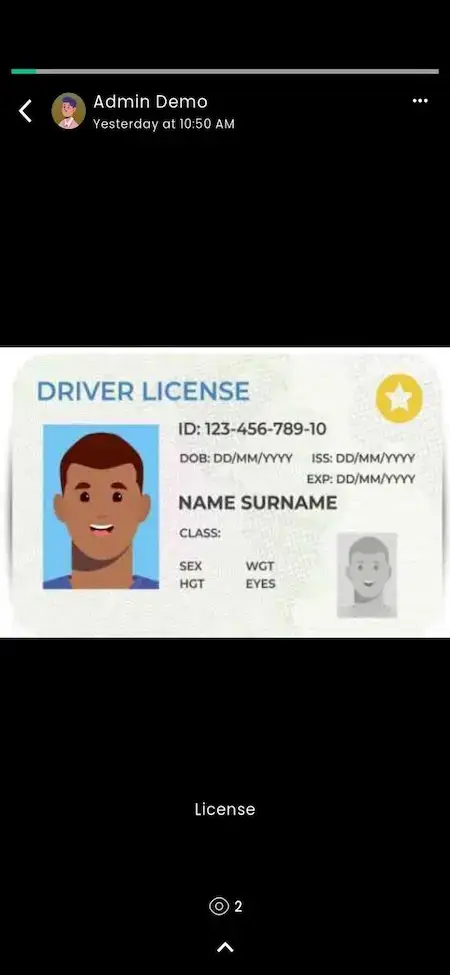

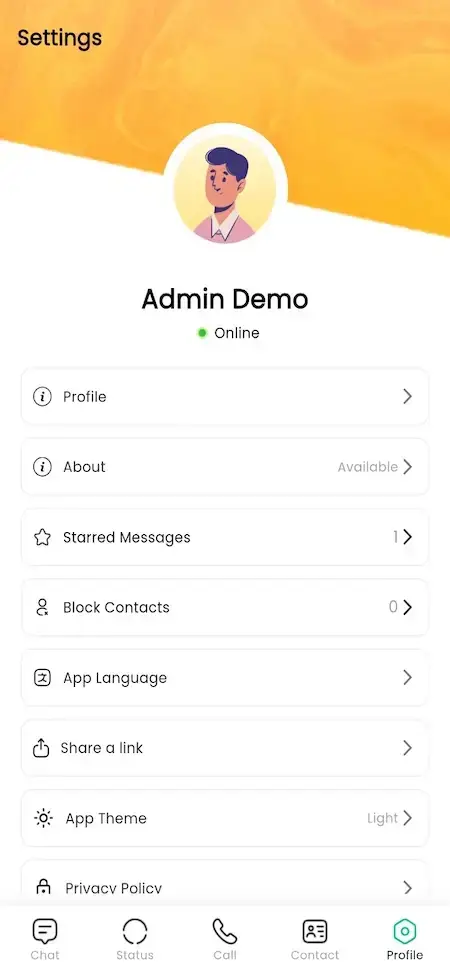
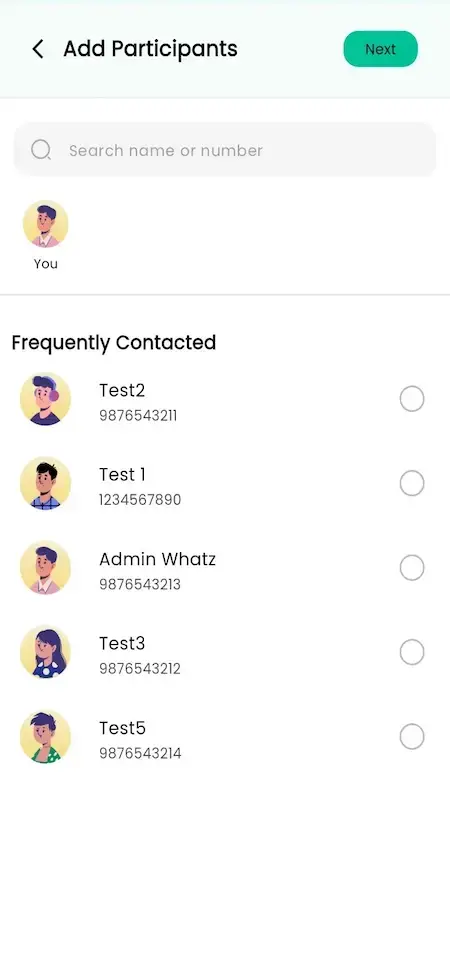
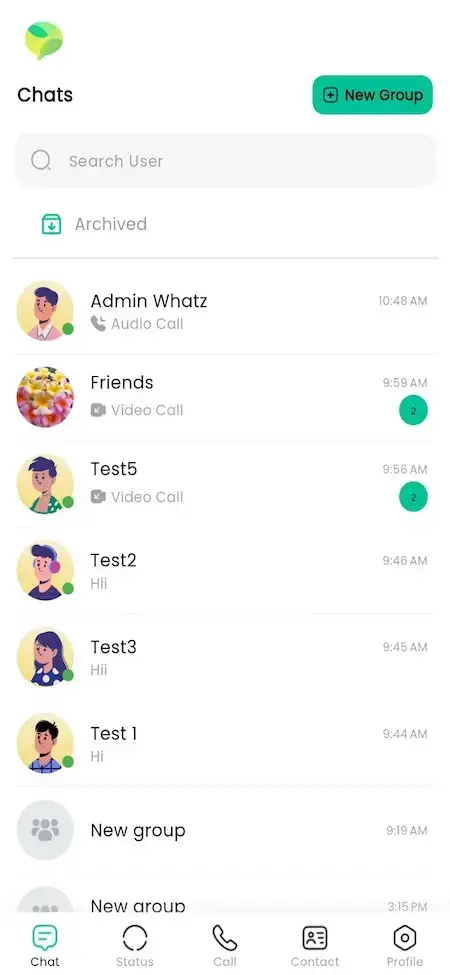
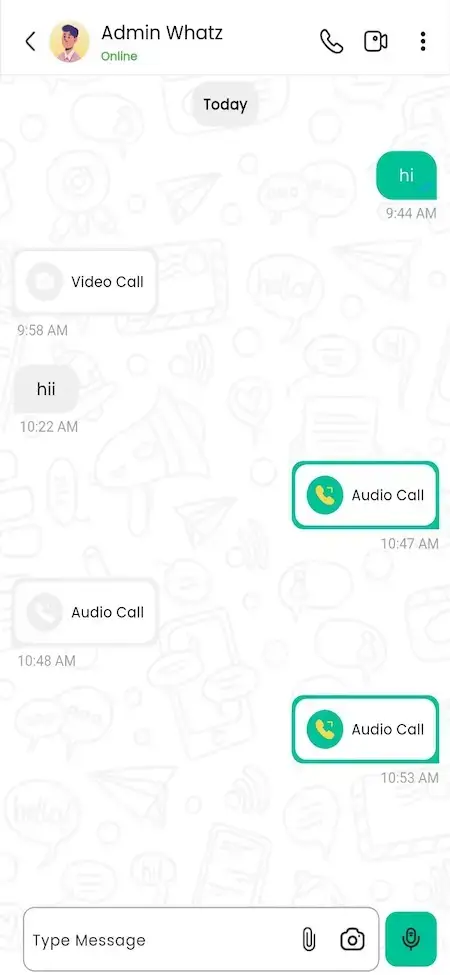
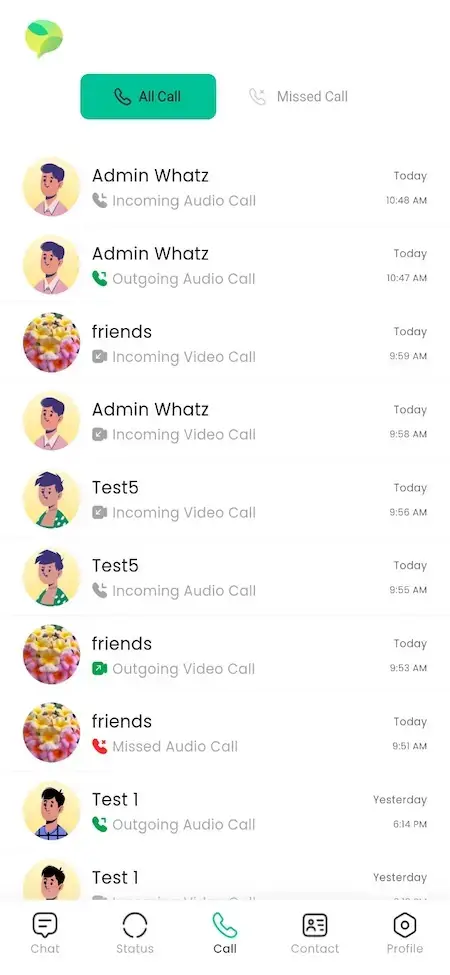
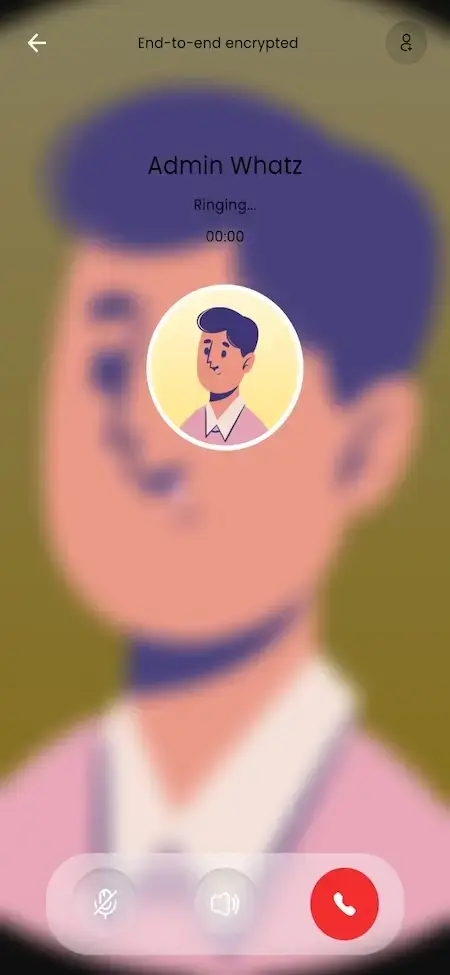
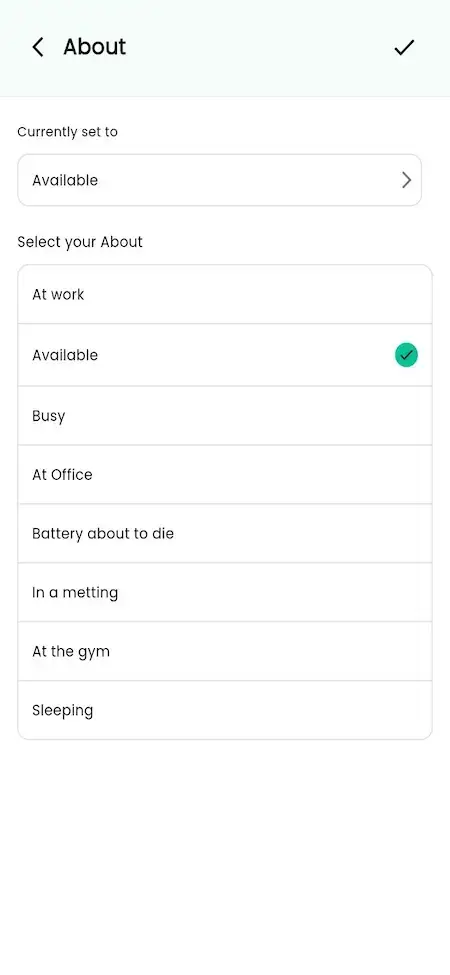
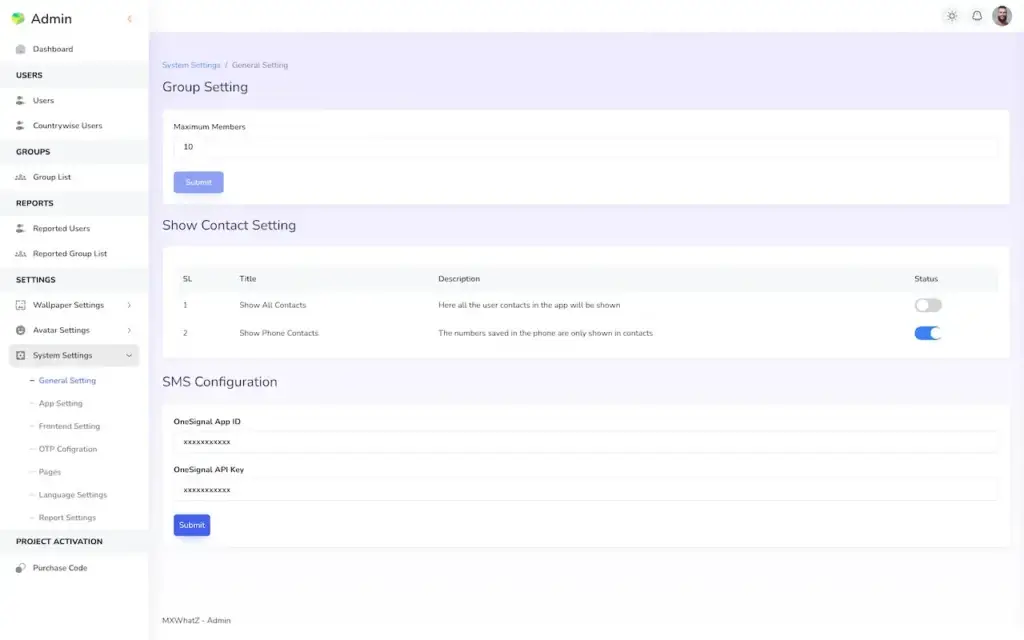
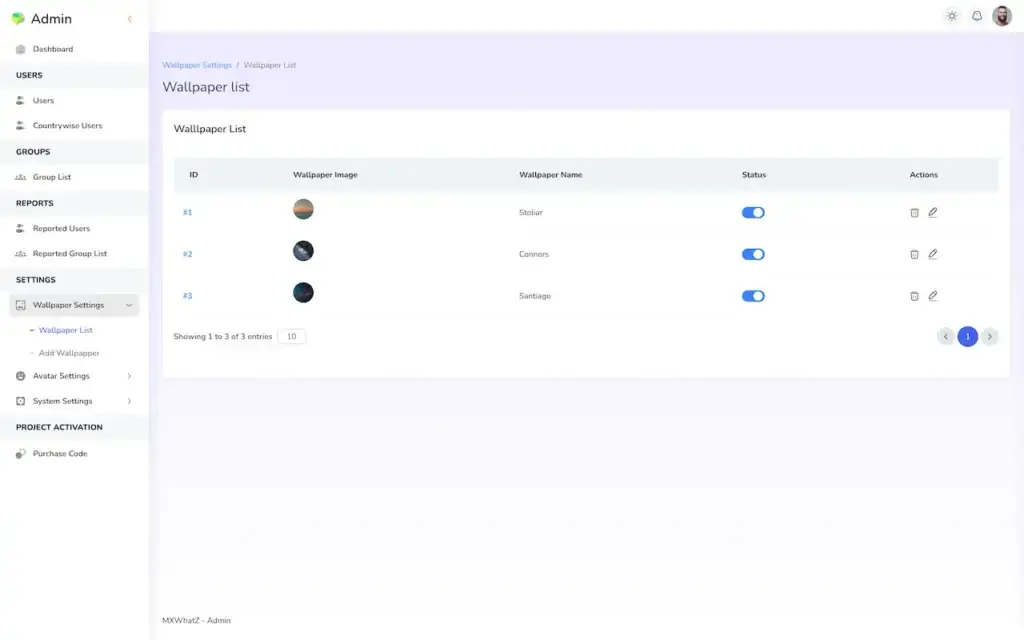
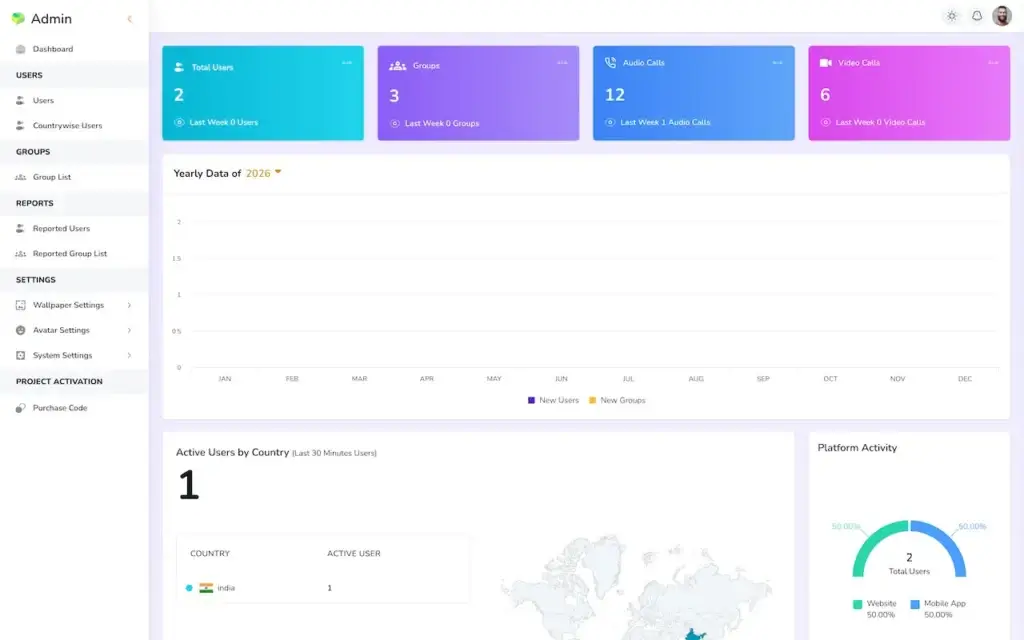
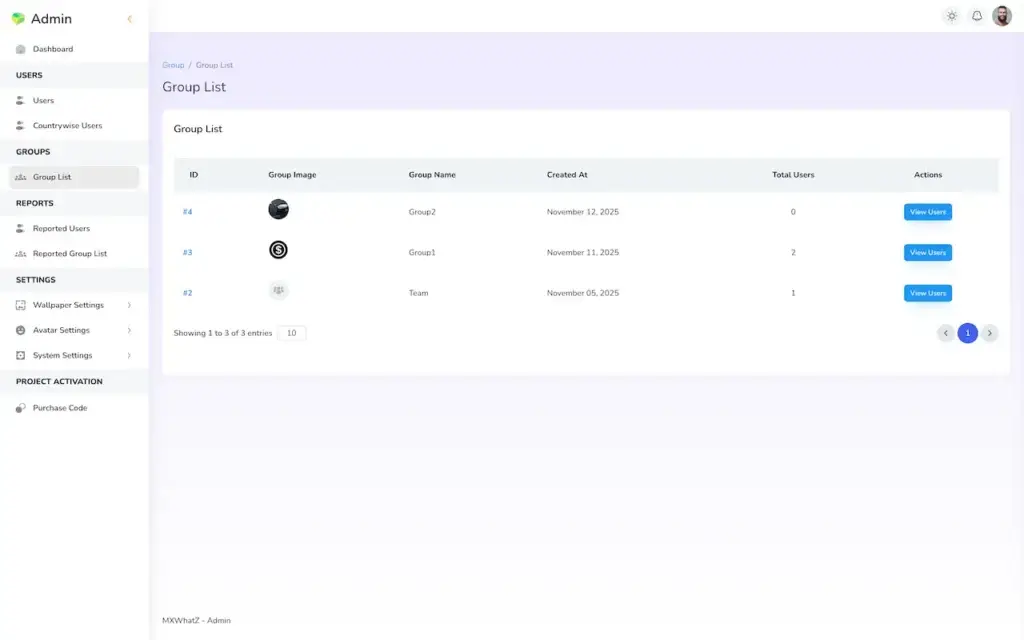
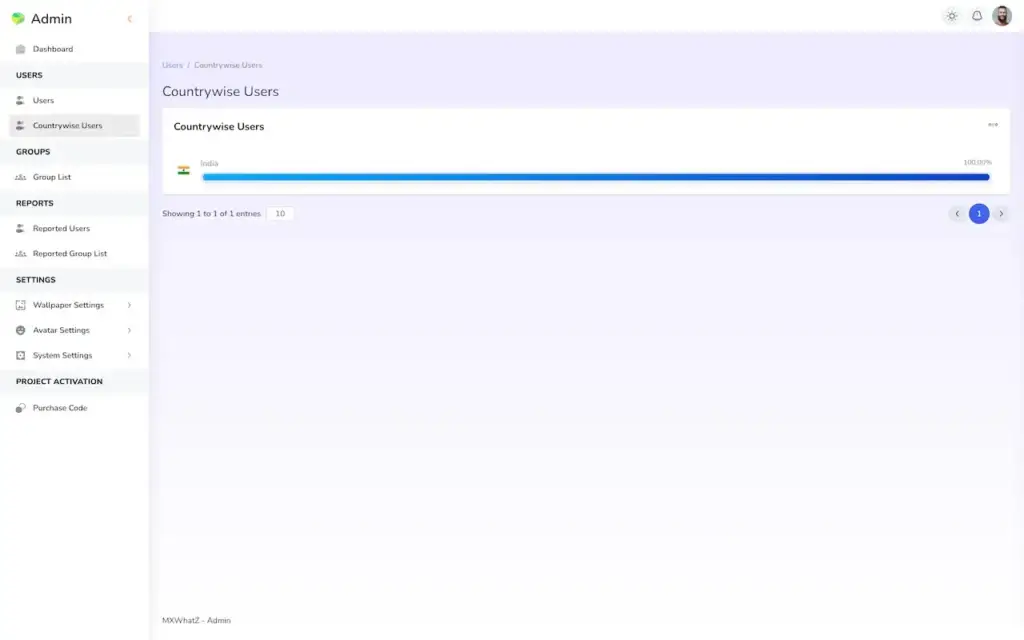
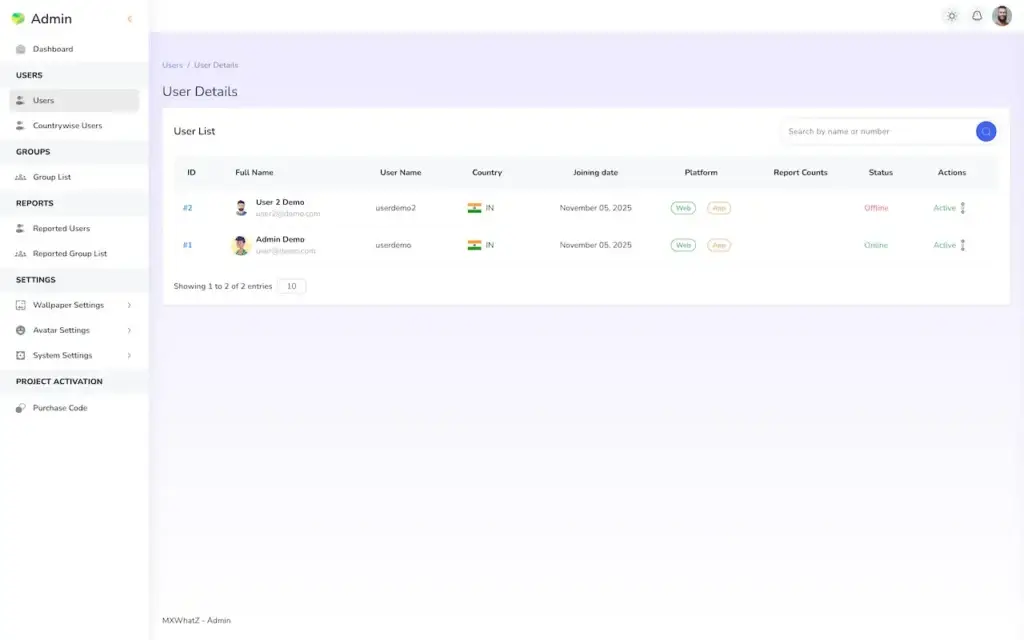
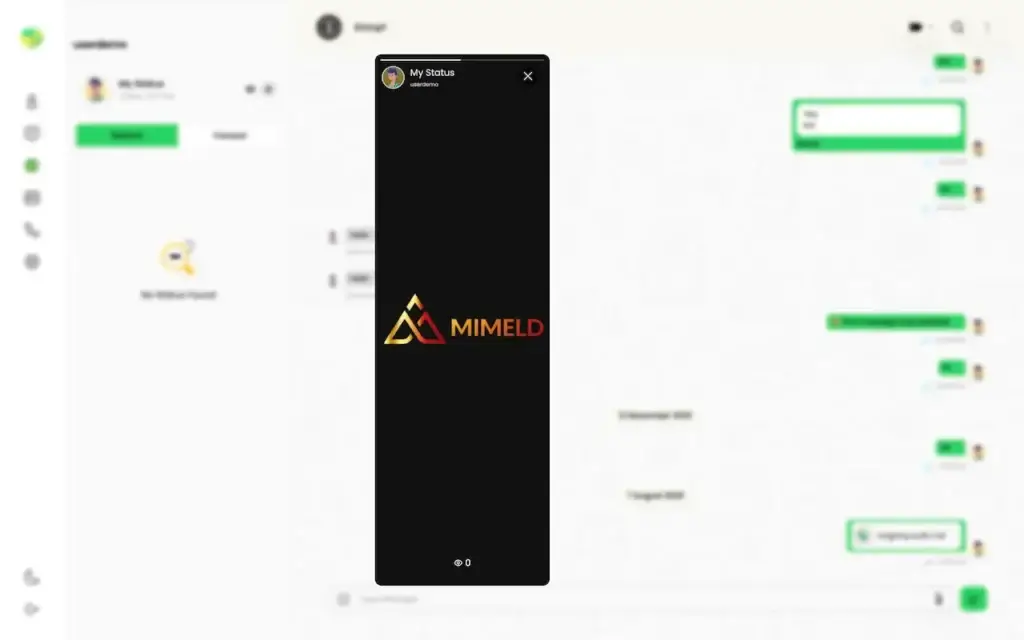
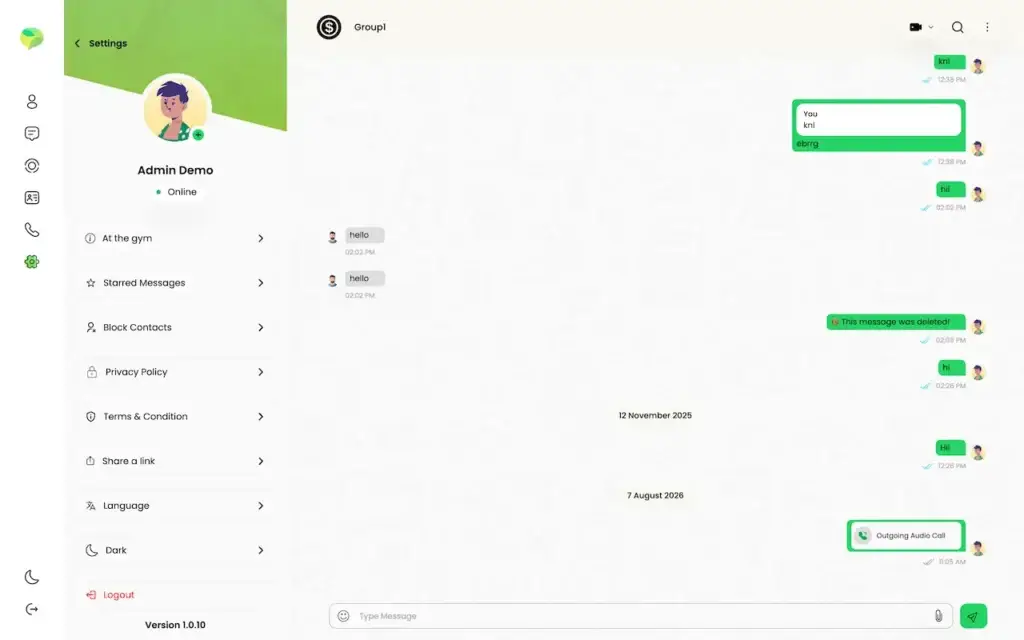
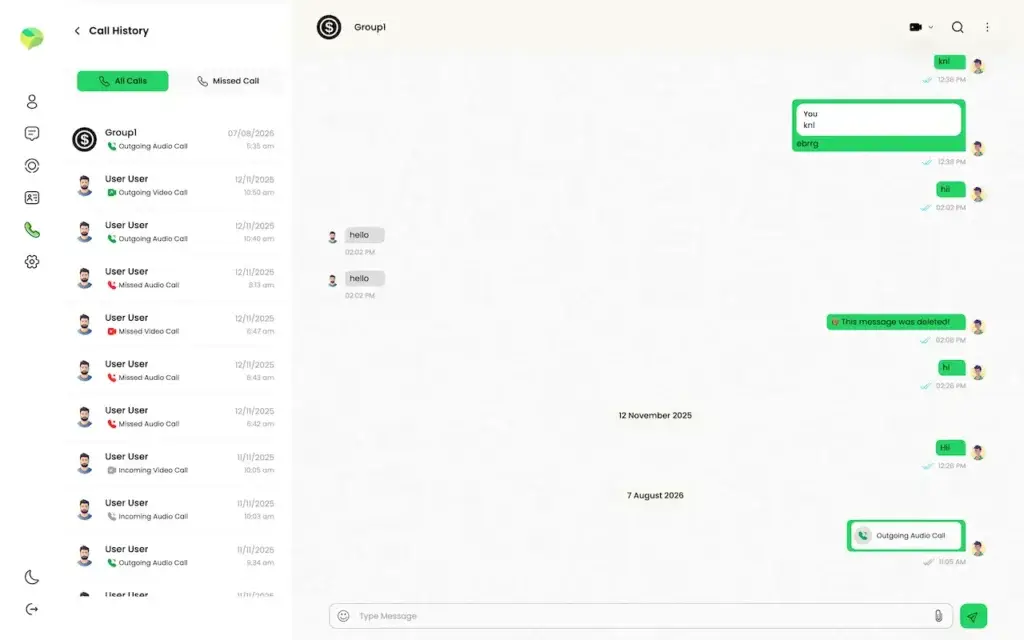
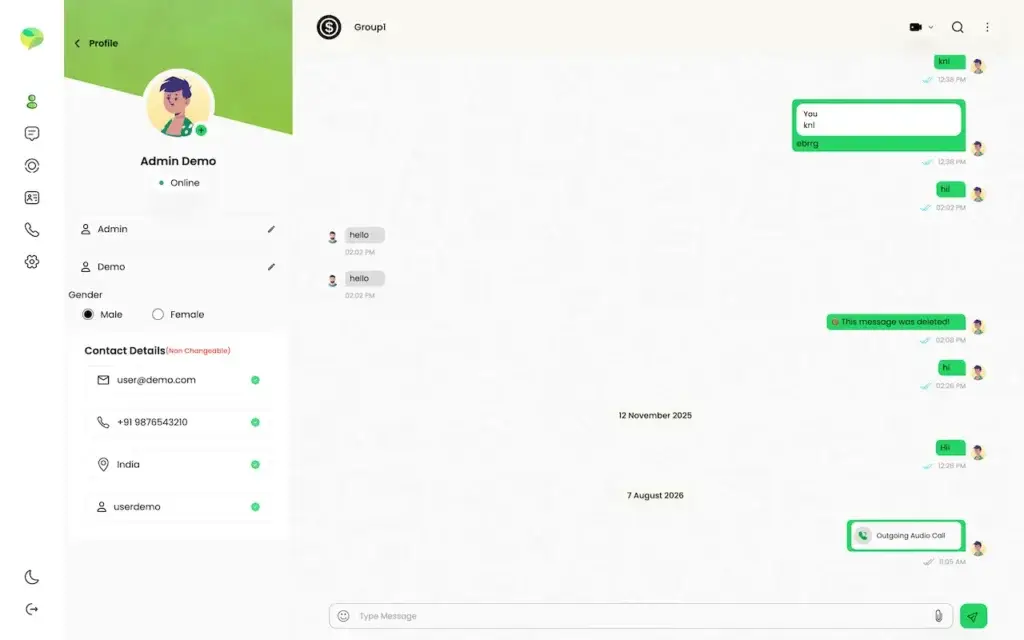
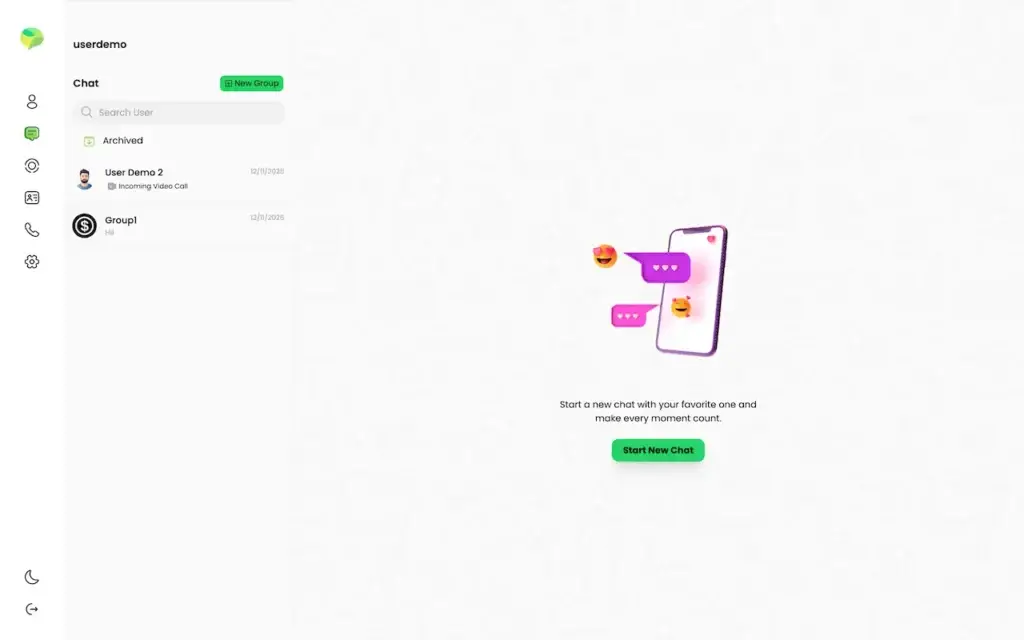
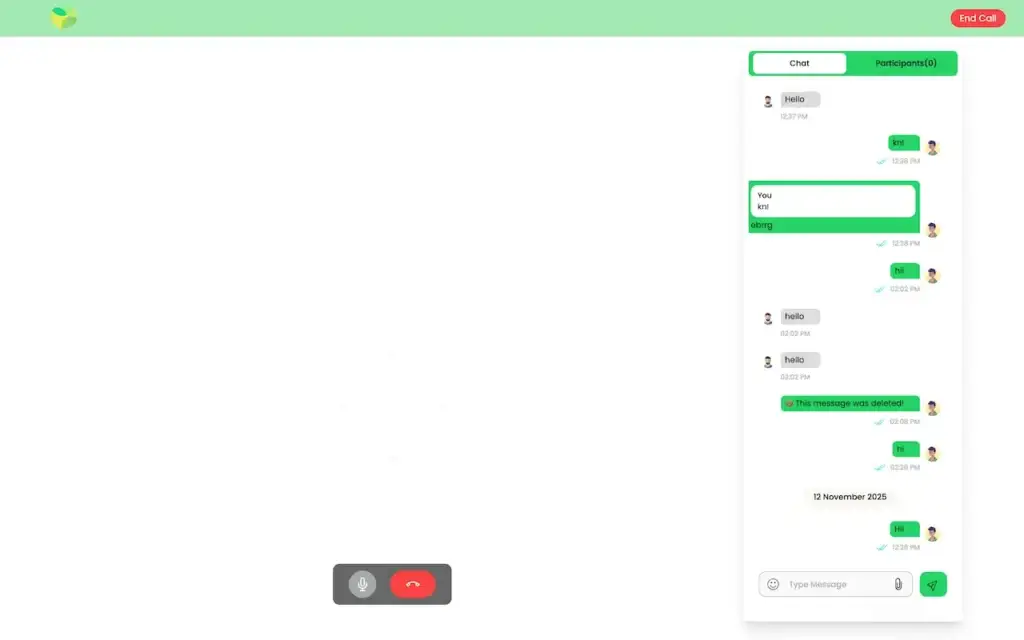
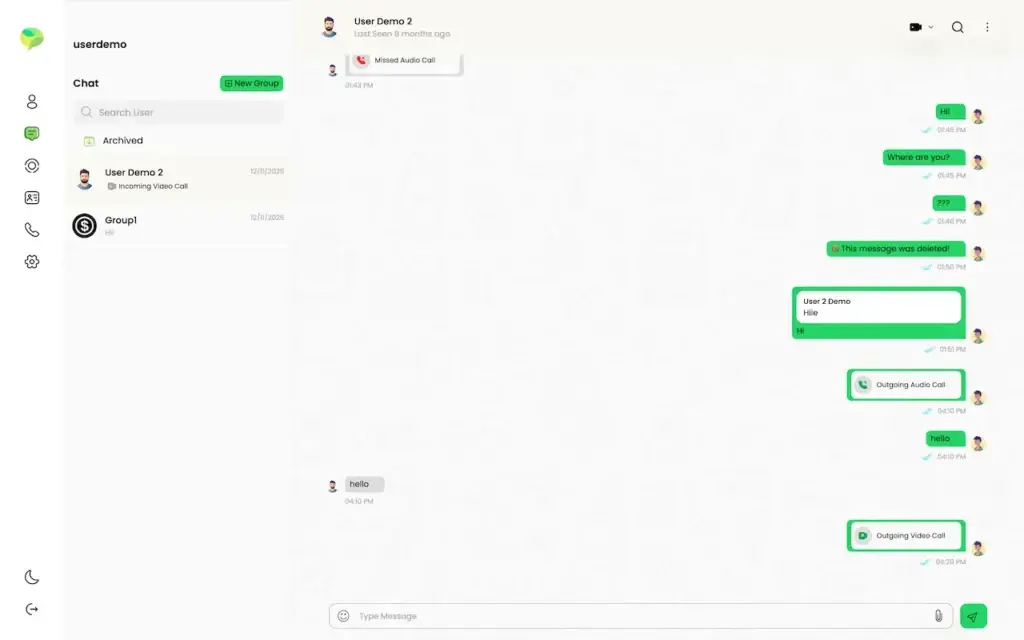
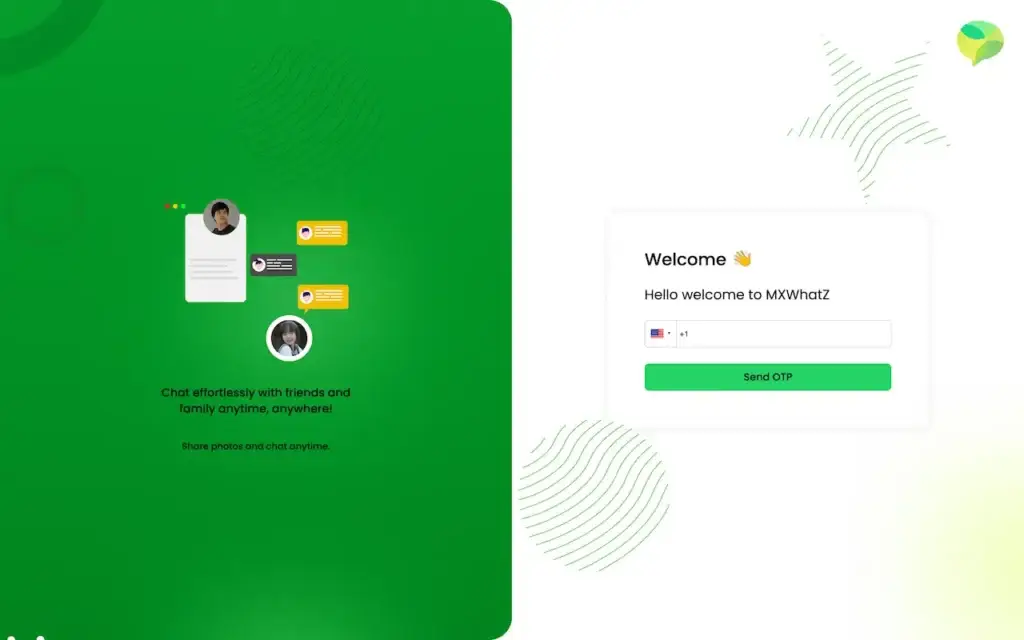
iPhone, Android and the browser show the same screens because all three speak to one API and one real-time layer, rather than each keeping its own idea of what a message is.
Demonstrable in the Demo
Platform References - What the Build Actually Does
Messaging has been one component of marketplaces, social platforms and consultation products Miracuves has shipped, and those engagements sit in the portfolio with their own figures. None was a pure messenger, so instead of borrowing proof from a different kind of product, everything below is a property of this build that you can check in the two live accounts above.
Illustrative Scenario
Modelled Reference - A Self-Hosted Community Messenger
An illustrative configuration showing how the platform would be set up for an organization that wants its community talking inside its own app rather than in an unmanaged group on another company’s service. It describes no client engagement, and every figure is a property of the software rather than a reported result.
Membership Sector
Branded Community Messenger
An organization whose members already talk every day in an unofficial group chat moves that conversation into its own app, because moderation, language and ownership now matter.
- Members talking in an unofficial group chat that nobody owns or can moderate
- No view of who is active, and no way to remove someone from the whole community
- A group size limit set by someone else, and rules that can change overnight
- One branded app for private chat, groups, calls and stories
- A moderation queue with the organization's own report reasons behind it
- Members, messages and media held on infrastructure the organization runs
- One-to-one and group messaging with read receipts, typing and presence
- WebRTC voice and video calling with no per-minute charge from a calling vendor
- Sixteen languages with right-to-left handled properly
- Stories, polls, reactions, replies, forwarding, starring and pinning
- Self-hosted deployment with the database and media inside the operator's own jurisdiction
This is a modelled reference deployment, not a client engagement. Every capability listed above ships in the base build and is demonstrable in the two live demo accounts. The figures are properties of the platform, not results reported by a customer.
Owning Versus Renting
Why Organizations Move Their Messaging In-House
Most organizations let their community live inside a consumer messenger because it was free and everybody already had it. That holds until the day it does not: nobody can see who is active, nobody can properly remove a member, none of it carries your brand, someone else sets the group cap, and the relationship with your own members belongs to a company you never signed with.
Visibility Into Your Own Community
Weekly and monthly signups, who is active now and in the last half hour, groups created, audio and video call volume, where your users are, and whether they arrive on mobile or web.
Rules You Write Yourself
Report reasons you write, a moderation queue for people and groups, the power to block either, and a group size limit you choose instead of one imposed on you.
Members Who Stay Yours
Accounts, conversations and media sit in your database on your servers, so nobody else can change the terms, throttle your reach or shut your community down.
What Renting a Community Actually Costs
What Changes When You Own It
Ownership changes the shape of the problem. Members, data, rules and name are all yours. Nothing about the everyday experience gets worse for the people using it, since they still open an app, tap a name and talk, but your position as the organizer improves on every axis.
-
Your brand on the app, the splash screen and the notifications
-
Your languages, including right-to-left, added without a release
-
Your moderation rules and your own report reasons
-
Your servers, your database, your data residency
-
Your source code, with no licence conditions attached
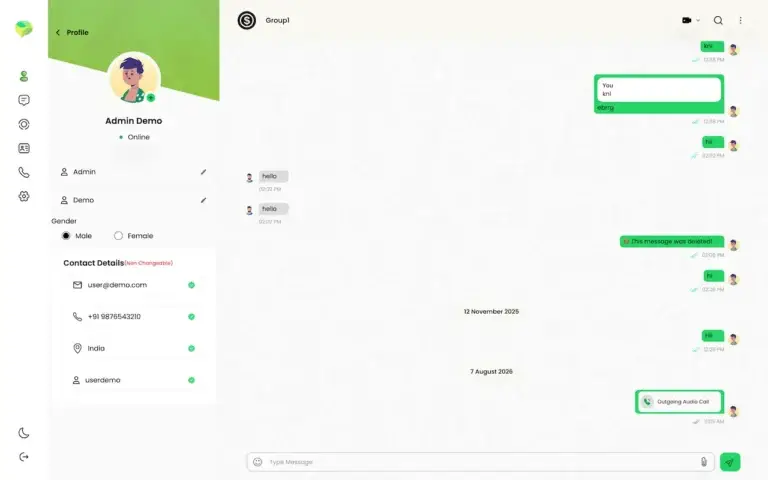
That is the gap between having a community and hosting one. Hosting it means you decide who belongs, where the limits sit, which languages it speaks and what happens when someone misbehaves, and it means you can see it: signups, active users, groups and calls on a dashboard instead of guesswork.
Everything Included
Platform Features - Encrypted Chat, Calling, Stories & Community Tools
The platform ships with everything people expect from the messenger they already use every day, plus everything an operator needs to run one properly. Nothing below is an optional module waiting on a second invoice.
Private Conversations
The reason people open the app. Messages move from delivered to read, the typing indicator shows when the other person is answering, and search reaches back through the history when something from last month is needed.
- Private conversations with anyone on the platform
- Delivered and read ticks with typing indicators
- Online status and last seen
- Search within a conversation
Groups and Public Communities
Start a group, name it, add a photo and invite members. Make trusted people admins, remove anyone who should not be there, and open a group publicly so new members can discover it.
- Named groups with a photo and member list
- Promote, remove, or leave as an admin
- Public groups people can discover and join
- A group size limit you set
Voice and Video Calls
Ring one person or a whole group over voice or video, with a real incoming-call screen and ringtone, and every call logged as missed, answered or declined with its duration.
- Voice and video, private and group
- A real incoming-call screen with ringtone
- Missed, answered and declined all logged
- Call history filtered by type
Media of Every Kind
Photos, video, voice notes, documents, GIFs, a location pin and a contact card. Video is compressed and thumbnailed on the phone before upload, so sending stays quick on a weak connection.
- Camera or gallery photos and video
- Voice notes recorded in the app
- Documents including PDFs
- GIFs, location pins and contact cards
24-Hour Stories
Photos and videos that disappear after a day, each with its own caption. The poster sees exactly who viewed, and any reply lands straight in a private chat.
- Stories that expire after a day
- Several photos or clips per story
- A caption on each item
- A full list of who viewed
Replies, Reactions and Polls
Answer one message inside a busy thread, react with an emoji, forward something elsewhere, or put a question to a group as a poll and watch the votes update live.
- Reply to one message in a thread
- Forward to another chat
- Emoji reactions
- Live polls
Star, Pin, Archive and Lock
Star what you will need later, pin something important for a day or permanently, move a quiet chat into the archive, and put a private conversation behind its own password.
- Star messages to find them later
- Pin for a day, a week, a month or for good
- Archive quiet conversations
- Password-lock a private chat
Deletion, Done Properly
Delete a message only for yourself, withdraw it for everyone, clear a whole conversation, or close the account entirely, each as a separate deliberate step.
- Delete for yourself
- Delete for everyone
- Clear a conversation
- Close the account
Contact Sync and Discovery
Sync the phone book, see which contacts are already on your platform, give someone your own label, and search for people who are not saved yet.
- Phone-book sync
- Your own label for a contact
- See which contacts are already here
- Search by name or number
Notifications With Context
Alerts name the sender and say what arrived, whether a photo, a video or a document, instead of a blank ping, and incoming calls ring properly even with the app closed.
- Push alerts that name the sender
- Different wording per media type
- Answer calls from the lock screen
- Ringtones and in-app sounds
Encrypted by Default
Conversations are end-to-end encrypted, so message content is unreadable in transit and in your own database. On top of that, anyone can block a person, report a person or group with a reason, and lock a sensitive chat behind a password.
- End-to-end encrypted conversations
- Block and unblock
- Report a person or a group
- Password-lock a private chat
16 Languages Built In
Arabic, Chinese, Danish, English, French, German, Greek, Hungarian, Italian, Japanese, Polish, Portuguese, Russian, Spanish, Swedish and Turkish, with right-to-left layouts handled properly.
- Phone number and one-time code sign-in
- Email, Apple, Google or Facebook sign-in
- Phone and browser signed in together
- Sixteen interface languages
All of this is in the platform at the fixed price, end-to-end encryption included. What is missing, such as payment processing, subscription billing or anything specific to your market, is named openly further down rather than implied.
One Platform, Four Ways In
Four Surfaces - iPhone, Android, Web & the Operator Console
Members will arrive on whatever device they are holding, so all four surfaces ship together and stay aligned. Both mobile apps come from one Flutter codebase, which is why iPhone and Android get each feature at the same moment instead of one trailing the other.
The iPhone App
A native iOS build with push alerts, camera and gallery access, voice-note recording, contact sync and background call handling, published under your own developer account.
The Android App
Identical features from the same codebase, installable as an APK for testing and publishable to Play under your account. You can try it on this page now.
The Web App
Messaging, calling, stories and settings in a browser for people who sit at a desk all day, with no install, no extension and nothing to update.
The Operator Console
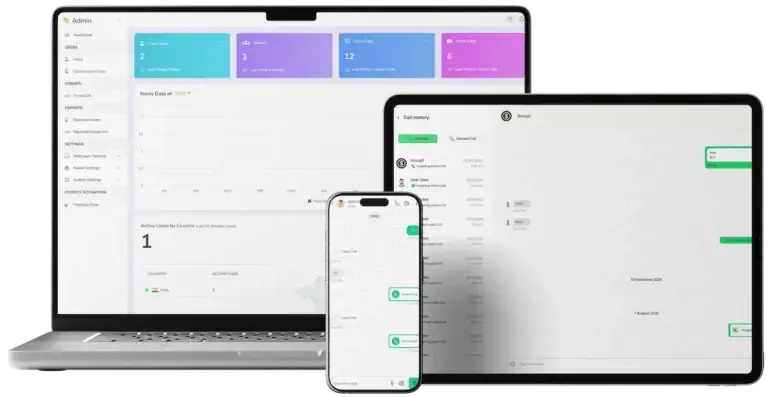
The operator dashboard: fifteen live figures, moderation queues, user and group management, language tools, branding, legal links and integration keys.
Phone and Browser at the Same Time
One account keeps several live connections, so a message reaches phone and browser together. Read it on one and the other clears, instead of showing unread all day.
Readable Through a Dead Spot
Conversations are cached on the phone, so the app opens instantly, stays readable through a dead spot, and catches up the moment the connection returns.
The browser version is not a reduced copy either. Someone at a desk gets the same conversations, calls, stories and settings as someone on a phone, and can stay signed in on both with messages landing on each.
Run It Without a Dev Team
Operator Console - Analytics, Moderation, Branding & Languages
The console is where the platform is actually run, and it is built for an operations team rather than engineers. How the app looks, which languages it speaks, who is allowed in and what happens after a report are all forms in a browser rather than change requests.
Operator Console Sections
The Dashboard
Fifteen live figures: total users and the week-on-week change, groups and their trend, audio and video call counts, newest users and groups, signup curves by week, month and year, and where your traffic comes from.
Who Is Online Now
Who is active right now and in the last half hour, the mobile and web split, and which sign-in method people actually chose, so you know whether SMS is worth paying for.
Reported Users
Each incoming report with who filed it, who it concerns, the reason picked and the conversation it came from. Review it, mark it seen and block the account where needed.
Reported Groups
An equivalent queue for groups, holding every report against a group in one place, with the option to block the whole group instead of chasing members one by one.
Your Report Reasons
The reasons offered when reporting are yours to write, separately for people and for groups, so the categories fit what actually goes wrong on your platform.
User Management
A searchable directory with block and unblock, plus a record of which accounts your team has already reviewed so two moderators never duplicate work.
Branding & Appearance
App and site name, primary and secondary colours, light and dark logos, favicon, banner, copyright text and store links, all editable by someone who has never opened a terminal.
Languages & Translation
Add a language, translate it key by key or in bulk, switch it on or off, and choose which one new members see first.
Wallpapers & Avatars
Choose the chat wallpapers and default avatars members can pick from, along with the ringtones and alert sounds the apps play.
- App name, logo and brand colours
- Light and dark logos, favicon and banner
- Privacy policy and terms links
- Store links and copyright line
Integration Keys
Your SMS, push, maps and email credentials, entered once and kept server-side. The console shows them masked, so operators manage keys without ever reading them.
- Add and translate a language in place
- Enable, disable and set the default
- Right-to-left per language
- Wording changes with no store resubmission
Since all of it is configuration rather than code, one build can serve an entirely different brand in an entirely different market the same afternoon, which is what makes the platform resellable and not merely reusable.
Transparent Pricing
How Much Does a White Label Messaging App Cost in 2026?
Building this from scratch means an iPhone app, an Android app, a browser client and an operator console, and then the parts nobody thinks to demo: a real-time layer that holds thousands of live connections, WebRTC calling that survives restrictive networks, read receipts and typing indicators that stay correct across two devices, sixteen translated languages with right-to-left, and a moderation system that works the first time somebody has to be removed. Quotes for that work start with a discovery phase and grow through change requests, because the expensive parts are invisible until they break. The fixed price below is the alternative to discovering that scope one invoice at a time.
Not sure which option
is right for you?
Talk to us - we'll understand your goals, timeline, and budget, and point you to exactly what you need. No upselling, just honest advice.
The Full Package
What's Included - Full Source Code, Four Surfaces & Deployment
One fixed price with everything below included and no conditions on what you do with it afterwards. Unlike a hosted chat service billed per user, nothing here stops working when a subscription lapses.
Full Source Code
The Node.js API, the Flutter mobile app, the browser client and the operator console, all yours to change, rebrand, redeploy and resell with no licence strings.
- The full source, yours to keep
- Change, rebrand or resell it
- No licence fee or revenue share
- Host it anywhere
Two Mobile Apps
iPhone and Android from a single Flutter codebase, so features land on both together, published under your own Apple and Google accounts with your name on them.
- Two mobile apps, one Flutter codebase
- Your own developer accounts
- Feature parity on iPhone and Android
- Your icon, name and splash screen
The Browser App
A complete web client for desk users with the same conversations, calls, stories and settings as the phone, served from your domain with nothing to install.
- A browser app for desk users
- Messaging, calling and stories
- No install, nothing to update
- On your own domain
The Operator Console
The dashboard, moderation queues, user and group management, branding, language tools and integration keys in a single browser interface.
- An operator console
- Fifteen live dashboard figures
- User and group moderation queues
- Branding, languages and keys
16 Languages Built In
Translated and ready to switch on, right-to-left included, with a console translation engine for adding a seventeenth yourself.
- Sixteen translated languages
- Right-to-left layouts
- More added from the console
- No resubmission for wording changes
Deployment & Handover
We deploy it on your infrastructure, connect database and storage, configure end-to-end encryption, wire in your SMS, push, maps and email credentials, and hand over to your team.
- Deployed on your infrastructure
- Database and media storage configured
- Your SMS, push, maps and email keys connected
- A handover with your team
The Documentation Set
Requirements, data model, API reference, a developer and security handbook and a VAPT compliance document, written for your engineers to work from.
- Product, schema and API docs
- Developer and security handbook
- VAPT and compliance reference
- Written for your engineers
Six Days to Deployment
Six working days from kickoff to a running platform, provided your infrastructure and third-party accounts are ready. Custom work is quoted separately on top.
- Six working days to a live deployment
- A post-launch support window
- A named engineer at handover
- Custom work quoted openly
Deliberately absent is anything we would have to invent to claim. There is no payment processing or subscription billing, because a messenger does not need either and the right provider depends on your market; both appear in the add-ons below with an honest account of what they involve.
Where It Fits
Who Is This White Label Messaging App Built For?
It suits any organization whose people already talk to each other constantly and would rather that conversation happened somewhere it controls than in a group on a consumer app.
Community & Membership Organizations
Enterprises & Internal Teams
Regional & Language-Specific Messengers
Education & Campus Networks
Agencies & White-Label Resellers
Government & Regulated Bodies
What these buyers share is not an industry. It is that the conversation already exists, it matters to them, and today it runs somewhere they cannot see, brand, moderate or keep.
Where It Fits
Use Cases - Community, Enterprise, Education, Resale & Sovereign Hosting
The case the platform was designed around. An organization with an active membership brings its conversation in-house under its own app, name, rules, group limit and moderation queue. Members keep the experience they know, and you gain a directory, a dashboard and the ability to remove someone properly rather than from a single group.
The Branded Community Messenger
Internal communication the business actually owns. Messages stay on your servers, operators open and close accounts, the group limit is yours, and no consumer platform sits in the middle with terms that can change. Email sign-in suits an internal rollout where SMS costs money and everyone already has a work address.
Private Internal Communication
A messenger for a market the global apps treat as an afterthought. Sixteen languages arrive translated with right-to-left done properly, and adding another is a console job rather than a release. Phone-number sign-in matters here, because in many markets the phone number is the identity and email is not.
A Messenger for One Market
Class groups, year groups, staff rooms and parent notices inside one moderated app, so teachers stop handing out personal numbers. Public groups let students find the right one, report reasons follow school policy, and an operator can block an account the day it becomes a problem.
Campus and Classroom Communication
An agency runs a separate deployment per client, rebrands each from the console in an afternoon and bills the relationship itself. Because branding, languages, limits and keys are configuration, one build serves many clients with no fork and no code change per brand.
White-Label Resale to Your Own Clients
For organizations that cannot place internal communication on a foreign consumer service at all. The whole stack self-hosts on your servers, database and storage, in your jurisdiction and behind your network controls, and calls run device to device so conversation content never passes through a third-party calling vendor.
Sovereign and Self-Hosted Deployment
Across all of these the experience is identical: people open an app and talk. What changes is who holds the data, who writes the rules and whose name sits on it, and those three things are exactly what the platform hands to the operator.
A case missing from this list is usually a variation of one above. The useful question is where your community talks today, and what would change if that place belonged to you.
The Opportunity
Why Launch Your Own Messaging App in 2026?
Messaging is the most-opened category on almost every phone, which is exactly why organizations keep discovering their own community living inside an app they have no relationship with. The operators changing that are not trying to beat a global messenger at global scale; they take one audience that already talks constantly and give that conversation a home they own.
Frequency Beats Reach
People open a messenger dozens of times a day without a notification asking them to. No other category has that habit built in, which is why messaging becomes the surface everything else attaches to.
Calls Do Not Meter
Voice and video connect device to device, so talk time never appears on your bill. Products built on a paid calling vendor grow more expensive exactly as they succeed.
Communities Are Actively Looking
Group caps, moderation that cannot be managed and sudden rule changes push organizations to look elsewhere for their community. They are already searching, and most do not realise owning it is affordable.
Language Is an Open Gap
Global messengers translate an interface without building for a market. Sixteen languages with real right-to-left support, plus more added from a console, is a genuine edge in regions served last.
Sovereignty Is Now Procurement
Public bodies, regulated sectors and large enterprises increasingly cannot run internal communication on a foreign consumer platform. For them self-hosting is a requirement, not a preference.
One Build, Many Brands
With branding, languages and limits held as configuration, one platform can be deployed again and again for different clients or markets, turning one purchase into a repeatable business.
Platform by the Numbers
The economics are unusually kind compared with most app categories, because the expensive part of a messenger is not what it costs to run. Calls connect device to device, so voice and video never meter, and what you pay for is the platform once and then hosting.
Under the Hood
Tech Stack - Node.js, Socket.IO, Flutter & MySQL
Deliberately ordinary and easy to hire for: Node.js and Express on MySQL with Socket.IO for live delivery, one Flutter codebase for both phones, a browser client and a React console, chosen so the operating knowledge is common rather than rare.
API & Application Core
Node.js · Express · Sequelize · MySQL
- A single JSON API for mobile, web and the console
- Public, signed-in and operator privilege tiers
- Sequelize with parameterized queries everywhere
- PM2 handling restarts, clustering and logs
Real-Time Layer
Socket.IO
- Persistent connections instead of polling
- Several live connections per account, phone and browser alike
- Typing, presence and read receipts as events
- A connection registry in the database, ready for more servers
Mobile Applications
Flutter · Dart
- One codebase for iPhone and Android
- On-device caching for instant open and dead spots
- Camera, gallery, voice and contacts wired in
- Video compressed and thumbnailed before upload
Calling
WebRTC · Relay fallback
- Voice and video straight between devices
- A relay takes over when a network blocks the direct path
- Call setup signalled on the messaging connection
- Each call logged as missed, answered or declined, with duration
Data & Media
MySQL · Typed file storage
- Nine data domains from identity to moderation
- Uploads sorted by type with sanitized filenames
- Relative media paths that survive a domain move
- Hourly cleanup of expired stories and pins
Operator Console
React
- Separate credentials and privilege tier
- Sixteen locales inside the console too
- Analytics computed from the live database
- Integration secrets always shown masked
Nothing here is unusual, and that is deliberate. Any capable Node and Flutter team can pick it up, so you are not tied to us or to a niche framework after handover.
How It's Built
How the Platform Works - Sign Up, Message, Call & Moderate
From outside a messenger looks like a list of names; underneath it is a tightly sequenced pipeline of identity, delivery, presence and moderation. This is the path from a phone number to a running, moderated community.
User Journey - From Phone Number to Moderated Community

Signing Up
Someone installs the app and proves they are reachable, before they can do anything else.
- They enter a phone number with its country code, or an email address if you prefer that route
- A one-time code is sent by SMS or email and checked on the server
- A session token is issued and stored, and the device is registered so notifications can reach it
- They choose a name, an avatar and a language, and accept your privacy policy and terms

Finding People
An empty messenger is useless, so the first job after signup is populating it.
- Contacts already on the phone are synced and matched against your user base, if you have that flow switched on
- They see immediately which of their contacts are already here and which are not
- They can save their own name for a contact, independent of what that person calls themselves
- People outside the address book can be found by name or number, and public groups can be browsed and joined

Sending a Message
The core loop, and the one that has to feel instant every single time.
- The conversation is created automatically on the first message, whether one-to-one or a group
- The message is stored, then pushed over the live connection to every device the recipient has open
- If nobody is connected, a push notification goes out naming the sender and what arrived
- Ticks update as it is delivered and read, and the typing indicator fires while the reply is being written

Sharing and Reacting
Conversation is more than text, so the media and interaction layer sits on the same delivery path.
- Photos, videos, voice notes, documents, GIFs, a location pin or a contact card, each routed to its own storage folder
- Video is compressed and given a thumbnail on the phone before it uploads, so sending stays quick on a weak connection
- Replies point at a specific message, forwards carry the media with them, and reactions and polls attach to the message itself
- Starring, pinning, archiving and per-conversation locks are all recorded per person, so your actions never change what anyone else sees

Calling and Stories
The two features people assume are hard, both included and both running on infrastructure you own.
- A call creates a room, rings every device the other person has, and connects the two devices directly
- A relay server steps in only when a restrictive network blocks the direct route
- Every call is written to history as missed, accepted or declined, with its duration
- Stories hold several photos or videos with captions, record who viewed them, and are removed automatically after 24 hours

Moderating and Measuring
Where the operator comes in, and the part most messaging builds leave until after the first incident.
- Users block each other, and blocking is enforced on messages and calls alike from that moment forward
- Reports arrive in the console with the reporter, the account, the reason and the conversation attached
- Operators block a user or an entire group, and mark records as reviewed so two moderators do not duplicate work
- The dashboard reports signups, active users, groups and call volume, so growth is measured rather than guessed
Every stage below is a real part of the build rather than an idealised flow, and each is visible in the two demo accounts at the top of the page.
How It's Built
Platform Architecture & Real-Time Flow
One API, Four Clients
One Node.js application owns every rule, and the iPhone, Android, browser and console clients are presentation layers over a single API: one deploy, one schema, one rule set, which keeps four clients from drifting.
The Conversation Is the Spine
Private chats and groups are one object with a flag, so delivery, permissions, moderation and retention behave identically for both and nothing is built twice.
Your Actions Never Change Mine
Starring, pinning, archiving, clearing and delete-for-me are stored against the person, not the message, which is why clearing your copy never erases the copy on the other side.
Presence Lives in the Database
Live connections and typing state sit in the database rather than in the memory of one server, which is the groundwork for spreading the real-time layer across several servers.
Media Paths Stay Relative
Uploads are stored as relative paths and expanded when read, so a new domain or a move to object storage needs no rewrite of existing rows.
Cleanup Runs on a Schedule
An hourly job clears stories older than a day and pins past their expiry, so ephemeral content really disappears instead of piling up for years.
Performance Targets
Built to Scale - Real-Time Connections, Media Growth & Multi-Server
Nothing exotic in the topology: a Node.js application behind a web server, MySQL as the system of record, file storage for media and a scheduled cleanup job. None of it needs a specialist, and nothing unusual has to exist before your first thousand users.
Messages and Media Grow Fastest
On a messenger the fastest-growing thing is not the user table but the message table and the media folder beside it. Every conversation keeps writing rows and every photo, clip and voice note lands on disk. The two levers that matter are indexes on the columns messages are fetched by and a plan to move media to object storage before disk becomes the limit, both cheap early and expensive late.
Live connections come second. One server holds a great many sockets comfortably, and because connection state is written to the database rather than memory, growing to several servers means an adapter and a load balancer, not a redesign.
As with any application of this shape, the database is the natural limit. Pooling is already in place, and growth brings the usual steps: secondary indexes on lookup columns, read replicas for heavier dashboard queries, and a retention policy for media you no longer need.
Calling is designed not to grow your bill. Voice and video run device to device, so call volume uses almost no server bandwidth, and the relay only carries the minority of calls where a restrictive network blocks the direct route.
Real-Time Connections
Persistent sockets instead of polling, with connection state in the database so several application servers can share load behind a balancer when needed.
Message Table Growth
The conversation tables grow fastest, and secondary indexes on the columns messages are fetched by are the highest-value tuning step, cheap when done early.
Media on Object Storage
Relative media paths turn a move to S3-compatible storage into a configuration change instead of a migration that rewrites every row.
Calls Off the Critical Path
Voice and video flow between devices rather than through your servers, so a heavy calling day costs bandwidth you never paid for.
Scheduled Cleanup
Story and pin expiry run on an hourly schedule, pinned to one instance in a multi-server deployment so the same cleanup never runs twice.
Process Management
PM2 manages restarts, clustering across cores and logs, the baseline reliability layer before any extra infrastructure.
None of it is needed on day one. One modest server runs the whole platform for a launch community, and each step above is taken when a real number calls for it, not in advance.
We size the first deployment with you at handover and write down which measurement should trigger which step, so the scaling plan belongs to your team rather than living in our heads.
Security Posture
Platform Security & Trust
A messenger holds identities, conversations and media, so its security posture is documented rather than asserted. Messages are end-to-end encrypted, WebRTC encrypts call media as standard, and a developer and security handbook plus a VAPT compliance reference both state plainly what the code does and what is your deployment work.
Documented, Not Asserted
What Is Your Work, Not Ours
End-to-End Encrypted Messaging
Authentication
Sign-in uses a one-time code to a phone or email, so there is no user password table to steal. Operator passwords are bcrypt-hashed and sessions are signed tokens that break if edited.
Who Can Do What
The API has three tiers, public, signed-in and operator, with separate operator credentials. Identity comes from the session token, never a request field, which stops one account acting as another.
Conversation Access
Only members can read a conversation, group admin rights sit on the membership record, and blocking applies to messages and calls from the moment it is set.
Database Safety
All database access runs through a parameterizing ORM, which removes SQL injection structurally. Message content is stored as ciphertext, so a database breach does not yield readable conversations.
Upload Handling
Files go to a folder by type with sanitized names, so an upload cannot escape its path, and replacing a profile photo deletes the old file.
Secrets Stay Server-Side
SMS, push, maps and email credentials live in server configuration and appear masked in the console, so operators manage integrations without seeing keys.
We would rather state plainly where the line falls than let your penetration test find it. The cards describe what the platform contains; what follows separates what we deliver from what belongs to your infrastructure team.
Go Further
Add-Ons - Payments, Key Recovery, Hardening & Enterprise
Work outside the base build, quoted separately and named plainly instead of implied. A fixed price only means something when its boundary is written down. None of these are gaps: each is a deliberate call about what belongs in a base messenger and what is specific enough to your market to do properly.
The Pre-Launch Hardening Pass
TLS termination, global rate limiting, upload size and type limits, secret vaulting, security headers, console access restrictions and a tested backup restore, completed with you before launch.
Encrypted Backup & Key Recovery
Encryption ships with the platform. The operational layer around keys sits outside it: encrypted backup and restore across a new device, and recovery for a lost phone, both worth scoping carefully because a weak recovery route undoes the encryption behind it.
Payments & Subscriptions
No payments or subscription billing ship in the base build, because a messenger does not need them and the right provider depends on your market. Paid tiers, in-app purchases or peer transfers are an integration against your own merchant accounts.
Enterprise Sign-On
Phone, email and social sign-in ship. Corporate SSO, directory sync and automated provisioning are what internal enterprise rollouts usually add, scoped against your identity provider.
Multi-Server Real-Time
The connection registry already lives in the database, which was the hard part. Adding a real-time adapter so several servers fan out messages is scoped when your concurrency needs it.
Object Storage Migration
With relative media paths, moving uploads to S3-compatible storage with signed URLs and a CDN is straightforward, and best done before disk becomes the limit.
Immutable Audit Logging
Reports, review state and timestamps are recorded on every row, a sound audit baseline. Append-only audit logs and SIEM forwarding are additions for regulated buyers.
Bots, Automation & Integrations
The API and real-time events make automation easy: broadcast bots, CRM hooks, ticketing and scheduled announcements. Outbound webhooks are added as scoped work.
Building in Communication? We Have the Whole Market Covered.
The white label messaging app is one platform in a complete communication suite. If your roadmap extends beyond chat, these connect naturally.

WhatsApp Clone
Branded messaging app with encrypted chat, voice and video calls, stories and an operator console.
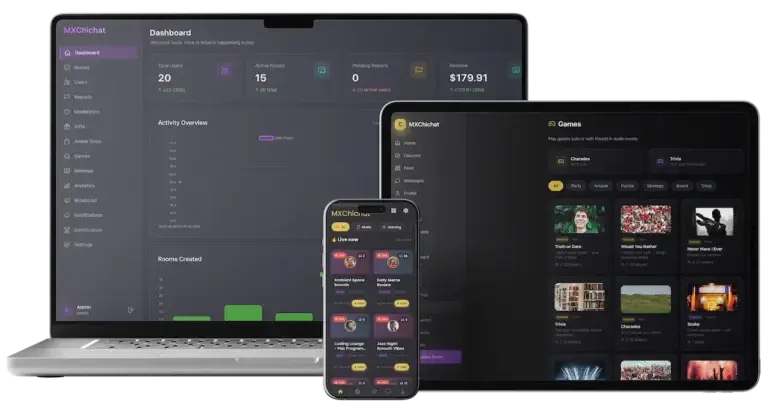
ChillChat Clone
Social audio rooms with live streaming, a virtual gift economy and gamification for creator communities.
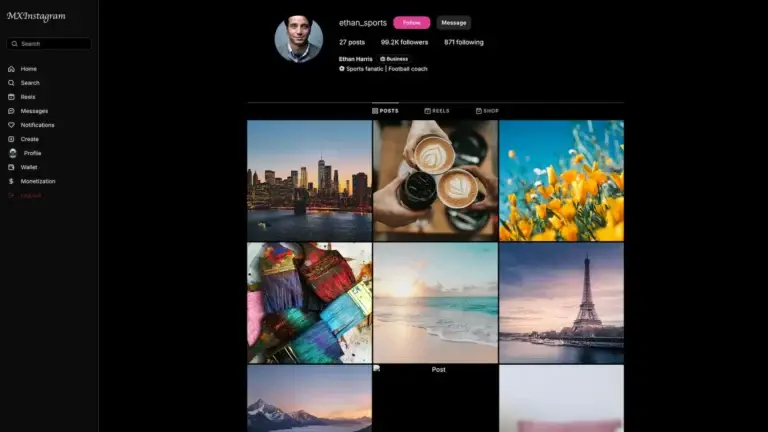
Instagram Clone
A photo and video social network with feeds, stories, follows and a creator layer on top.
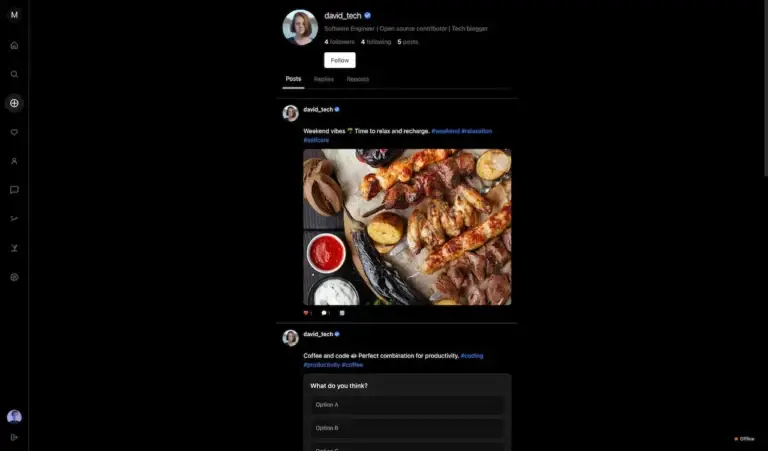
Threads Clone
Text-first social network with threaded replies, polls, reposts and follows for public conversation.
The Commercial Case
Marketability, Revenue Potential & Business Prospects
Messaging economics are unusual, so it is worth being direct. A messenger does not earn like a marketplace: there is no commission on a conversation and no take rate on a call. What it produces is attention and dependency, since people open it many times a day and their relationships live inside it, and operators who do well know what that attention is worth to them.
Resale & White-Label
A separate deployment per client, each rebranded from the console in an afternoon and billed by you, turning one purchase into a repeatable line of business.
Membership & Access
Where the community is the product, access is what people pay for. That needs a payment integration on top, which is scoped work rather than a base feature.
Retention for an Existing Business
Attach the messenger to a business you already run so customers, members or staff have a reason to stay in your app. The return shows up in that parent business.
Costs That Do Not Scale
No licence fee, revenue share, per-message charge or per-minute calling bill. Growth costs you hosting, the rarest and most valuable property in this category.
Mostly not directly. For most operators the return is control and retention: the community, the data and the rules are theirs, and no platform policy change can take members away. Direct revenue, where it exists, usually comes from reselling deployments to your own clients, charging for access to the community, or using the messenger to keep customers of a business you already run. Advertising is possible but needs real scale first.
Hosting and your third-party accounts, and little else. A server, a MySQL database, media storage, and whatever your SMS provider charges for sign-up codes, which is the one cost that grows with new users and the reason email sign-in suits internal rollouts. Calls do not meter, because they connect device to device rather than through your servers.
Example Revenue Scenarios
For most buyers the return is not advertising. It is that the community, members and data belong to them, that group size is no longer a limit set by another company, that a bad actor can actually be removed, and that the organization is no longer one policy change from losing its audience. Direct revenue, where it appears, comes from resale, paid access or holding on to customers of a business you already run.
Single Community Launch
Organization Live
One membership moved in-house on one deployment.
An association or club moving its group chat onto an app of its own: phone-number signup, groups capped at a size it chooses, its own report reasons behind the moderation queue, and a dashboard that finally shows who is active. No payment integration, because nothing is for sale yet.
Enterprise Rollout
Languages Available
Staff communication the business genuinely owns.
A company running internal messaging on its own infrastructure with email sign-in instead of SMS, so each new user costs nothing to onboard. Its operators open and close accounts, messages stay in its jurisdiction, and each office uses whichever of the sixteen languages it works in.
White-Label Portfolio
Surfaces Per Client
One platform redeployed and rebranded per customer.
An agency deploying separately for each client and rebranding from the console in an afternoon. Every client gets iPhone, Android, browser and console under its own name, with no fork per customer and nothing flowing back to us.
Why Miracuves
Miracuves vs Other White Label Messaging Vendors
Several routes lead to a messaging app: a hosted chat SDK billed per user, a generic script, a freelancer, an agency, or owning the platform outright.
The difference appears the first time someone has to be removed, not during the demo.
Moderation Ships, It Is Not Quoted
Reporting, blocking, operator-written report reasons and review queues for people and groups arrive built. Elsewhere they appear as a change request after launch, usually the week after the first serious incident.
Four Surfaces, Not One Skinned Twice
iPhone, Android, browser and an operator console kept in step by one API. A messenger that only ships a phone app leaves desk users and operators with no way in.
Calling Included, Not Rented
Voice and video are built in and connect device to device. Many scripts skip calling or wire it to a per-minute vendor, which quietly makes success expensive.
Sixteen Languages, Already Translated
Not an empty language file. Sixteen locales arrive translated with proper right-to-left, and a seventeenth is added from the console rather than in a release.
Encryption Is Not an Upsell
End-to-end encryption is part of the delivery, not a premium module quoted once you are committed. Many competing scripts omit it or sell it as the upgrade behind a cheap headline price.
The Source Code Is Actually Yours
Full source with no licence conditions, revenue share or dependency on us, built on Node and Flutter so any capable team can carry it forward.
Compare & Discover Why Clients Choose Us as
#1 Ready-Made Clone Solution Partner
| Criteria | Miracuves White Label Messaging App | Generic Clone Script | Custom Dev Agency |
|---|---|---|---|
| Time to Launch | 6 days (Production) | Unknown / DIY | 6-9+ months |
| Source-Code Ownership | ✔ Full | Often limited / encrypted | Usually yes |
| Feature Depth | High (chat, calls, stories, moderation) | Basic (text chat only) | Depends on budget |
| Security & Compliance | End-to-end encrypted, documented controls | Minimal | Varies widely |
| Scalability & Performance | Device-to-device calls, documented scale path | Rarely considered | Depends on architecture |
| Monetization Options | Resale, paid access, retention | Limited / needs custom work | Custom (more time & cost) |
| Admin & Analytics | Full-fledged dashboard | Very basic or missing | Custom build (extra cost) |
| Cost vs Speed vs Quality | Balanced | Cheap but risky | High cost, slow |
| Ongoing Support & Updates | Available with clear plans | Usually none | Depends on contract |
Any demo proves messages arrive. What separates platforms is what has to hold on day ninety: working moderation, a second language, an operator who is not a developer, and a bill that did not grow with call volume.
Industries
Industries We Serve
The platform suits any operator whose audience already talks among itself. Membership organizations use everything from groups to moderation, enterprises lean on private hosting and account control, schools use class groups and public discovery, regional operators use the language engine, agencies redeploy per client, and public bodies self-host it entirely for data residency.
- 💬 Community Networks
- 🏢 Enterprise Internal
- 🎓 Education & Campus
- 🌍 Regional Messengers
- 🏛️ Government & Public
- ⚕️ Healthcare Teams
- 🤝 Membership Bodies
- 📣 Creator Communities
- 🛠️ Agencies & Resellers
- ⛪ Faith Organizations
- 🏋️ Clubs & Associations
- 📡 Telecom & MVNO
A sector missing here rarely means a poor fit. It usually means the conversation in that industry is happening somewhere nobody has yet thought to bring in-house.
Changelog
Platform Release Log - Version History & Updates
| Version | Date | <span style="color: rgb(6, 6, 8); font-family: Montserrat, sans-serif; font-size: 13px; font-style: normal; font-variant-ligatures: normal; font-variant-caps: normal; font-weight: 700; text-align: left; white-space-collapse: collapse; background-color: rgb(255, 255, 255);">What's New</span> |
|---|---|---|
| v2026.1 | Sep 2026 | Initial release. Messaging, groups, WebRTC voice and video calling, 24-hour stories, polls and reactions, moderation queues and a 16-language console. |
Blog & Resources
Messaging Platforms - Latest Insights & Guides
Research, build notes and practical guidance on running a messaging platform you own and host yourself.
What Makes a Ready-Made Messaging Platform a Practical Choice for Startups?
Last Updated on September 14, 2026 by Ashish Khan For many startup founders, a messaging…
Last Updated on September 14, 2026 by Ashish Khan When someone asks what the WhatsApp…
How Does a Messaging Platform Business Model Create Value Beyond Personal Chat?
Last Updated on September 15, 2026 by Ashish Khan The business model of WhatsApp is…

Common Questions
White Label Messaging App FAQ - Hosting, Encryption, Calling & Rebranding
What operators ask before committing to a white label messaging app, answered against what the code actually does.
A finished messaging platform you publish under your own name and run on your own servers. People sign up with a phone number and a one-time code, find their contacts and start private or group chats with photos, video, voice notes, documents, location and contacts. Voice and video calls, 24-hour stories, polls, reactions, read receipts and typing indicators are included, and you run it from an operator console with fifteen dashboard metrics and moderation queues. It ships as iPhone, Android and browser apps plus the console, in sixteen languages.
A hosted chat SDK or SaaS messenger bills per monthly active user or per message, keeps the conversations on its own infrastructure and can change its terms or pricing whenever it likes. Here you receive the complete source code, the database sits on your servers, and there is no per-user, per-message or per-minute charge. If you stop working with us, nothing switches off.
Everything your users see: the app name, icon and splash screen, the store listings under your own Apple and Google developer accounts, logos, primary and secondary colours, favicon, banner, copyright line, privacy and terms links, sign-in methods and the language set. Most of it is a form in the operator console, and no Miracuves name appears anywhere in the product. Deeper visual changes, such as new screens or a redesigned navigation, are code and are quoted as customization.
Yes. Messages are encrypted on the sending device and decrypted on the receiving one, so what crosses the network and sits in your database is ciphertext. Call media is encrypted by the WebRTC stack as standard. Together with self-hosting, that means conversations are unreadable in transit and at rest, on infrastructure you control. Encryption is set up during delivery and is not a paid upgrade.
No. Calls connect directly between the two devices over WebRTC, so the audio and video never pass through your servers and no calling vendor meters them. A relay server carries the minority of calls where a restrictive network blocks the direct route, and that relay is the only calling infrastructure with a running cost.
The platform is $3,099 as a one-time price, covering the full source code, all four surfaces, sixteen languages, deployment on your infrastructure and the documentation set, with no licence fee and no revenue share. Standard delivery is six working days once your infrastructure and third-party accounts are ready. What usually sets the real date is App Store review, a Google Play account, an SMS provider approved for your country and your brand assets.
Yes. The whole stack is self-hosted: the Node.js API, the MySQL database, media storage and the call relay all run on infrastructure you choose, in the jurisdiction you choose, behind your own network controls. That is why public bodies and regulated enterprises can use it where a foreign consumer app is not allowed.
Sixteen locales ship translated: Arabic, Danish, German, Greek, English, Spanish, French, Hungarian, Italian, Japanese, Polish, Portuguese, Russian, Swedish, Turkish and Chinese, with proper right-to-left layouts. You switch on the ones you want, pick a default and edit any wording in the console. The apps read their wording from the server, so adding a seventeenth language or changing a phrase needs no app-store resubmission.
Users can block each other, enforced on messages and calls from that moment, and report a person or a group using reasons you write. Reports reach the console with the reporter, the account, the reason and the conversation attached. You can block one user or a whole group, and reviewed reports are marked so two moderators never work the same case. Users can also lock a sensitive chat behind its own password.
Yes. An account holds several live connections at the same time and every message goes to all of them. Read it on the laptop and the phone updates instead of showing it unread all day. It is an architectural property rather than a sync trick, so it behaves the same for messages, typing indicators and incoming calls.
Yes. You receive the Node.js API, the Flutter mobile app, the browser client and the operator console with no licence conditions attached. Change it, rebrand it, host it anywhere, hand it to another team, or deploy it again and again for your own clients. We take nothing from what you earn, and it is built on ordinary Node and Flutter so nobody depends on us after handover.
Payments are left out of the base build on purpose: a messenger works without them and the right provider depends on your market, so paid tiers or transfers are a scoped integration. On capacity, one modest server runs a launch community. Connection state lives in the database, so adding servers means a real-time adapter and a load balancer, and the database grows with the usual indexes, read replicas and object storage for media.
Let's turn your idea into
a live platform.
Get a free consultation, a clear timeline, and honest answers. We'd rather earn your trust than rush a sale.
What White Label Actually Means Here
The phrase gets used loosely, and most white label messaging software is rented by the month. Here is exactly where the line falls on this platform.
The iPhone and Android app names, icons, splash screens and store listings, the browser client on your own domain, and the logos, colours, favicon, banner, legal links and sign-in methods set in the console. The interface speaks whichever of the sixteen languages you switch on, so a new brand is an afternoon of settings rather than a release.
The Node.js API on MySQL with its Socket.IO real-time layer, the Flutter mobile app, the browser client and the React operator console, plus product, schema, API and security documentation. There is no per-user, per-message or per-minute charge, and no licence condition on changing, reselling or redeploying it.
It is not a hosted chat SDK or a SaaS tenancy that switches off when a payment lapses, and it does not include the accounts behind it: your SMS, push, maps and email credentials and your Apple and Google developer identities are yours, in your name. It does not skip the pre-launch hardening pass either, and payment processing is not in the base build.
Miracuves is an independent software development company. We are not affiliated with, connected to, sponsored by, or endorsed by WhatsApp, or any other messaging, chat or calling service.
“White label messaging app” describes a category of product, not any one company. Brand names appear elsewhere on this site only to describe the kind of platform being built and the terms buyers search for.
The entire design and codebase is built by our own team. The product contains no code, design, graphics, or content originating from any third-party messaging website or application.
No users, contacts or phone numbers are supplied with the platform. Data retention and lawful-access obligations, age and consent rules, content moderation, SMS sender registration, and the privacy and telecoms rules in every market you operate in are your responsibility. All third-party names and marks are the property of their respective owners.
