
Let’s face it—2025 isn’t about hotels or leases. It’s about flexibility, freedom, and fast Wi-Fi. With digital nomads, business travelers, and even families on the move, the way people live is shifting dramatically. And that shift has given rise to platforms like Blueground, which offer fully-furnished, ready-to-move-in rentals. But what if you could launch your own version—a Blueground alternative—customized for your city, region, or niche?
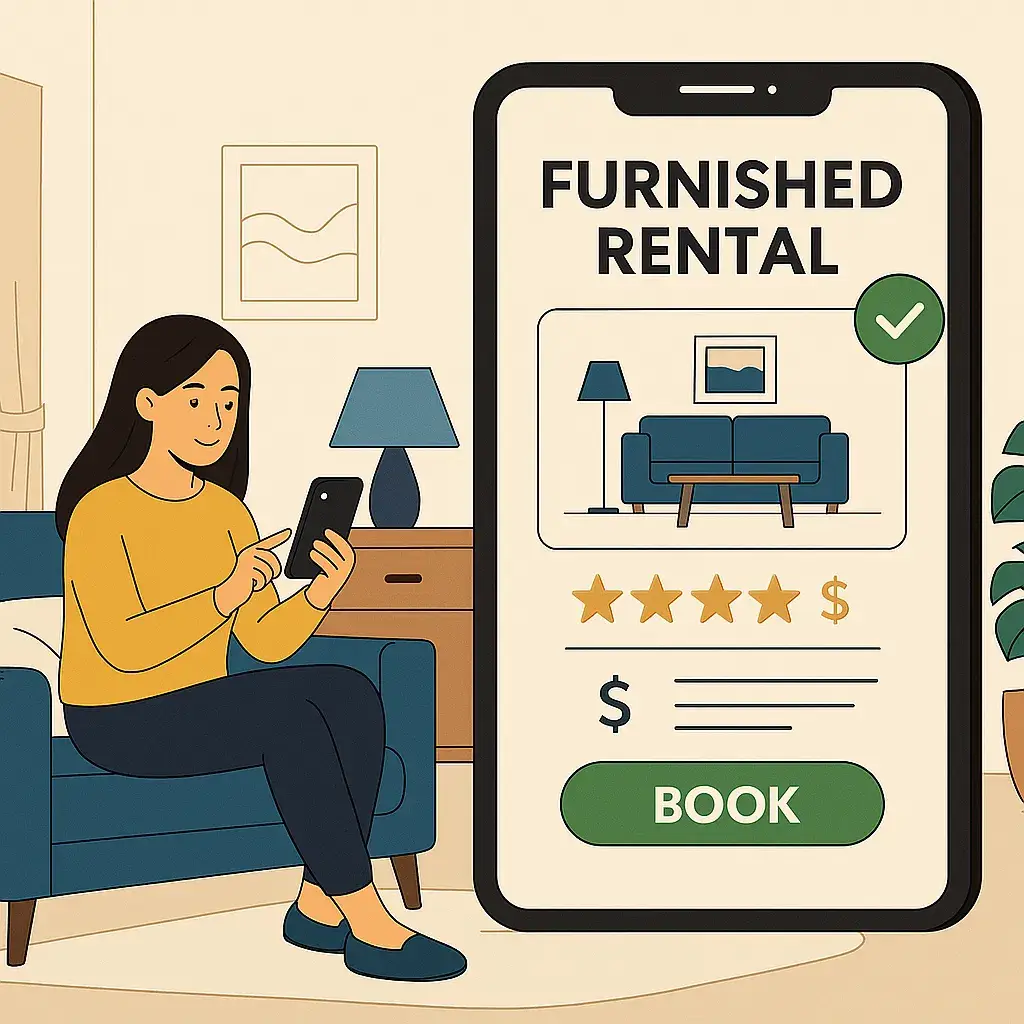
Back in 2021, I moved to Bangalore for a 6-month project. Finding a short-term rental with decent furniture, working plumbing, and a flexible lease was… a joke. Eventually, I found a listing via a serviced apartment aggregator—overpriced and underwhelming. When I later discovered Blueground while traveling abroad, the experience blew my mind. That’s when the light bulb went off: India needs its own version—and so do many other markets.
In this blog, we’ll break down exactly How to build a rental platform. You’ll learn about the features that make it tick, the business model behind the scenes, what kind of tech stack you’ll need, and how to position it for growth. Whether you’re a startup founder, a real estate agency, or a proptech investor, this blog will show you how to create a solution renters actually love.
Stick with me, and by the end, you’ll have a roadmap to build a smarter, local-first Blueground alternative that’s ready for 2025.
What Sparked the Rise of Blueground Alternatives?
Let’s be real—traditional rentals are outdated.
People want:
- Flexibility
- Fully-furnished spaces
- Hassle-free digital booking
- No brokers, no long-term contracts
Blueground came in with a slick app, great photos, and monthly pricing that made sense for business travelers and remote workers. But it’s not available everywhere. And it doesn’t always cater to local cultures, budgets, or neighborhood insights.
That’s where clone platforms step in—offering everything Blueground does but tailored for local landlords, tenant expectations, and even regional compliance rules.
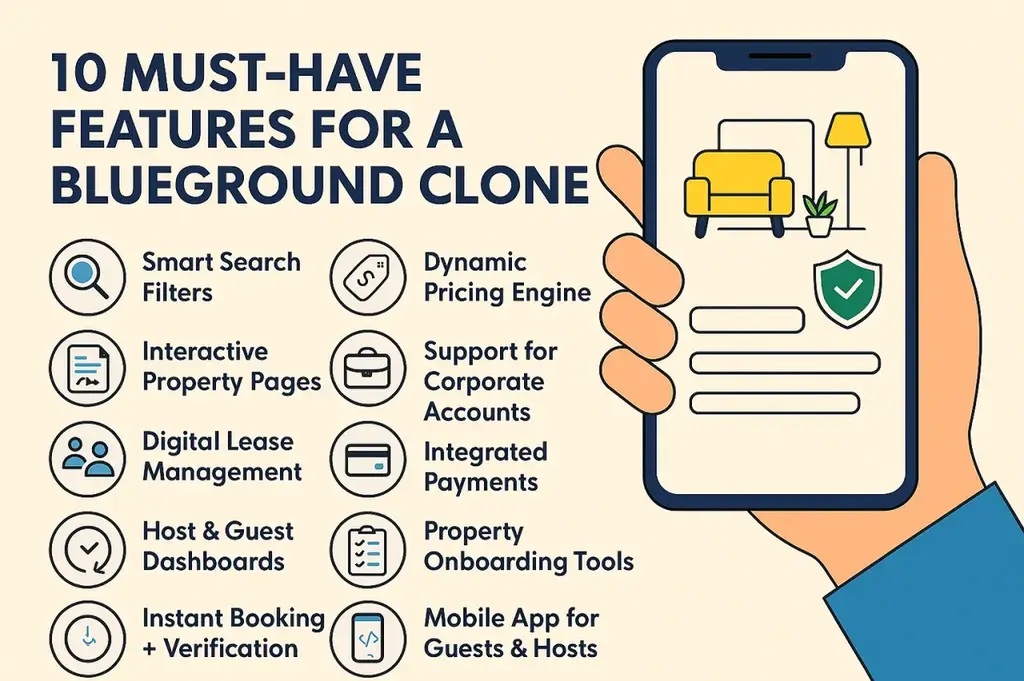
Top 10 Features You Need in a Blueground Alternative
It’s not just about listings. It’s about trust, ease, and experience.
1. Smart Search Filters
- Duration-based filtering (weekly/monthly/quarterly)
- Furnishing level
- Pet-friendliness & work-from-home suitability
2. Interactive Property Pages
- 3D tours & video walkthroughs
- Real-time availability calendar
- Detailed amenity checklists
3. Digital Lease Management
- Auto-generated contracts
- E-signatures
- Flexible extensions and terminations
4. Host & Guest Dashboards
- Property performance insights
- Booking history, payout tracking
- Maintenance request portal
5. Instant Booking + Verification
- Verified listings only
- KYC integration
- Pre-booking approval workflow
6. Dynamic Pricing Engine
- Adjusts rates based on demand, season, and reviews
- Coupon engine and referral discounts
7. Support for Corporate Accounts
- Multi-unit bookings
- Team stays & invoicing support
- Travel manager role
8. Integrated Payments
- Multi-currency support
- Stripe, Razorpay, PayPal integration
- Refund policies + auto-calculation
9. Property Onboarding Tools
- Host self-upload dashboard
- Compliance checklist automation
- Property scoring system
10. Mobile App for Guests & Hosts
- Booking on the go
- Check-in reminders
- Support chat & real-time updates
Learn more: Top Blueground App Features for Rental Marketplace Apps
Who Should Build a Blueground Clone in 2025?
1. Real Estate Agencies & Brokers
Digitize your inventory, eliminate paperwork, and control customer experience end-to-end.
2. PropTech Startups
Create a niche product for urban professionals, expats, or students looking for short to mid-term stays.
3. Co-living Brands
Use a clone to scale across cities with a unified user experience and centralized admin control.
4. Corporate Travel Management Firms
Offer clients branded rental solutions instead of handing off to third-party platforms.
Best Tech Stack to Build a Blueground Clone
- Frontend: React.js for web, Flutter for mobile
- Backend: Node.js or Laravel
- Database: PostgreSQL, MongoDB
- DevOps: AWS, Docker, Kubernetes
- Third-Party Integrations: Stripe, Twilio, Google Maps, Zoho CRM

Learn more: Blueground App Marketing Strategy | Grow Your Rental App
Comparison Table: Blueground vs Airbnb vs Clone Alternative
| Feature | Blueground | Airbnb | Clone Alternative |
|---|---|---|---|
| Monthly Booking Focus | Yes | No | Yes |
| Landlord Vetting | Strict | Varies | Customizable |
| Local Support | Limited | Community-based | Regionally scalable |
| Custom Contracts | Yes | No | Yes |
| Brand Control | Full | None | Full control |
Challenges to Keep in Mind
- Inventory Quality
You’ll need great-looking, reliable properties. Consider partnerships with builders, co-living operators, or hotel chains. - Trust Building
Establish strong verification and guest review systems early on. - Service Layer
Customers expect 24/7 support—either in-app or via chatbots. - Booking Fraud
Use pre-verification, OTP check-ins, and secure payment flows. - Scalability
Clone platforms need smart caching, CDNs, and zone-based content delivery to avoid slowdowns.
Read more : –What is Airbnb App and How Does It Work?
Conclusion
The future of rentals is flexible, digital, and tailored for people on the move. Blueground proved that a clean app and curated homes can win hearts—and revenue. But that doesn’t mean you can’t do it better.
Miracuves offers a fully customizable Blueground clone solution, ready to launch with multi-vendor support, mobile apps, admin control, and integrations for payments, maps, and more. Whether you want to serve digital nomads in Goa or interns in Gurugram—this platform lets you launch fast and scale even faster.
So stop renting space in someone else’s success. Build your own.
FAQ’s
Q1: What is a Blueground clone?
It’s a digital platform that replicates Blueground’s monthly rental model, built to support regional property owners and renters.
Q2: Is it legal to create a Blueground clone?
Yes, as long as you don’t copy their branding or trademarks. You’re replicating a business model, not stealing IP.
Q3: How much does it cost to develop one with Miracuves?
It costs $2899 to develop one with Miracuves.
Q4: Can I onboard multiple hosts like Airbnb?
Yes. Your clone can support multiple vendors with listing dashboards and payout systems.
Q5: Is this suitable for corporate housing?
Absolutely. Add custom booking modes, invoicing, and team manager access for corporate clients.
Q6: How fast can I launch?
With Miracuves’ white-label solution? In as little as 4–6 week
Related Articles:
Miracuves is an independent software development company. We are not affiliated with, connected to, sponsored by, or endorsed by any company or product named in this article.
Terms such as “X Clone” are used descriptively. It is how the software industry refers to building a platform with functionality comparable to a known service, and how clients search for it.
The entire design and codebase of our products is built by our own team. Our products contain no code, design, graphics, or content originating from any third-party website or applications.
All third-party names and marks referenced in this article are the property of their respective owners, referenced solely to identify the services discussed.