
Not too long ago, video calling felt like something out of a sci-fi flick. Now? It’s your daily grind—catching up with clients on Zoom, brainstorming with your remote team on Google Meet, or chatting with grandma on WhatsApp (who, by the way, still doesn’t know where the camera is). From creators to coders, everyone’s plugged in. But here’s the kicker—ever wonder how these apps make bank while offering so much… for free?
If you’re a startup founder or digital creator building the next big thing in real-time video chat, you know the game isn’t just about slick interfaces or crystal-clear streams. It’s about survival through monetization. You can’t run on vibes forever. From one-on-one counseling to large-scale webinars and dating platforms, video-calling solutions have become the beating heart of modern digital communication. But where there’s heart, there better be a business model.
So, let’s rip the curtain and decode the real revenue mechanisms behind these apps. Whether you’re bootstrapping or investor-backed, the insights here will help you build smart. And yep, Miracuves has a playbook for turning video call dreams into monetization machines.
The Process
1. Freemium Model: The Hook That Reels ‘Em In
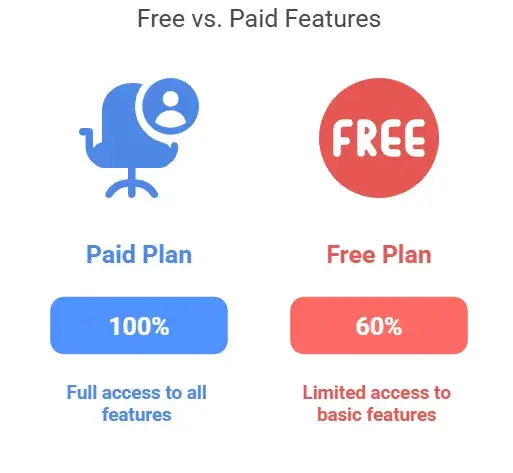
Here’s the classic bait-and-hook strategy. You offer the basics for free—think 40-minute meetings, standard video quality, limited participants. Then you upsell.
Why It Works:
- Lowers entry barrier.
- Builds habit and dependency (Zoom fatigue is real).
- Users are more likely to pay when the free plan hits a wall.
Real-World Example:
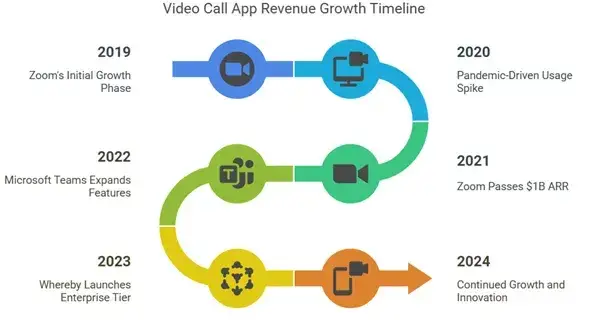
Zoom’s meteoric rise wasn’t luck. Their free 40-minute cap was the perfect frustration to convert users into subscribers.
2. Subscription-Based Monetization: Monthly Revenue = Stability
When you want predictable income, subscriptions are the MVP. Offer tiered plans—Basic, Pro, Enterprise. Stack them with features like:
- HD/4K calls
- More participants
- Cloud storage for recordings
- Custom branding
Business Angle:
Recurring revenue means better forecasting, easier investor pitch decks, and steady cash flow. Not sexy, but effective.
Read More : How to Build a Money-Making Video Conference App
3. In-App Purchases: Microspends, Mega Gains
If you’re building a more social or creator-led video app (like Houseparty back in its heyday or Bigo Live), in-app purchases are gold.
Examples:
- Virtual gifts
- Emojis & custom stickers
- Room themes & backgrounds
- Filters, voice changers (a la Snapchat)
These small transactions add up, especially in emerging markets where $0.99 is a sweet spot.
4. Ads & Sponsorships: Eyes on Screen = Dollars in Pocket
It’s a slippery slope, though. Ads during video calls can be annoying—but done right, they bring in solid revenue.
Where Ads Make Sense:
- Waiting rooms before the call starts
- Sponsored call backgrounds
- Pre-roll or post-call ad messages (similar to YouTube shorts)
Important: Keep UX clean. If your users feel like walking billboards, you lose them.
5. Premium Features à la Carte
Not every user wants to subscribe. Give them one-time upgrade options:
- Record a call? $1.99
- Host a webinar? $4.99
- AI transcription? $2.49 per hour
This à la carte model works well for event-based users or freelancers.
6. Enterprise Licensing & White-Label Solutions
If you’re going B2B, white-labeling or licensing your tech to corporates is where the real money kicks in.
Example:
A law firm may want a secure, branded video consultation platform. Boom—custom pricing, setup fees, support charges. Cha-ching.
7. Virtual Events & Paid Webinars
Think beyond chats. Build tools that help users monetize their own audiences:
- Paid webinars
- Ticketed live workshops
- Pay-per-view events
You earn by taking a cut. It’s the Airbnb of attention.
8. API Monetization: Build Once, Sell Forever
Got great video calling tech? Expose it as an API. Let others integrate it into their apps and platforms (think customer support tools, telehealth, online classes).
You charge by:
- Minutes used
- Number of active users
- Features enabled (e.g., AI moderation)
9. Hybrid Revenue Stacking: Because One Stream Ain’t Enough
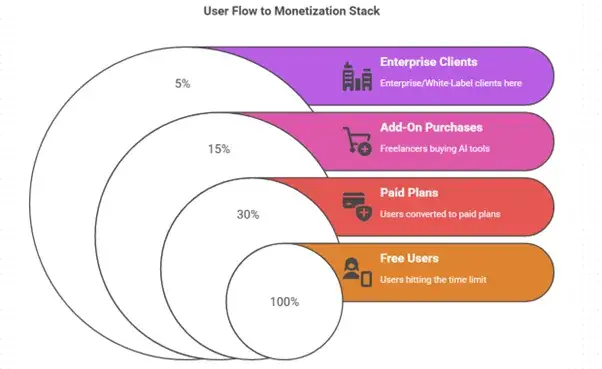
Smart founders blend multiple models. Freemium gets them in, subscriptions keep them, and extras (ads, events, gifts) maximize LTV.
Case in Point:
- Zoom: Freemium → Subscription → Enterprise solutions
- Bigo Live: Free → In-app gifts → Creator revenue sharing
Conclusion
Video calling isn’t just a utility. It’s a revenue engine—if you play it right. From freemium bait to enterprise deals, every monetization layer tells a story of user behavior, platform design, and market need. The trick isn’t picking just one—it’s building a model that evolves as you grow.
And as we dive into more immersive communication—AI-generated avatars, spatial audio, mixed reality—you’ll want a monetization setup that adapts, not collapses.
At Miracuves, we help innovators launch high-performance app clones that are fast, scalable, and monetization-ready. Ready to turn your idea into reality? Let’s build together.
FAQs
1.What’s the most profitable model for a video calling app?
It depends on your audience. B2B platforms do well with subscriptions and enterprise licensing. Social apps thrive on in-app purchases and gifts.
2.Can I combine multiple monetization methods?
Absolutely—and you should. A hybrid model increases user retention and lifetime value (LTV).
3.Are ads a good idea for video call apps?
Only if placed smartly—like in waiting rooms or non-intrusive banners. Avoid mid-call disruptions.
4.How do API-based video apps make money?
They charge developers per usage, features, or monthly active users. Think SaaS billing but for call features.
5.How do white-label video apps work?
You license your platform to businesses who rebrand and use it. You make money through setup fees and monthly licensing.
Related Articles :
Miracuves is an independent software development company. We are not affiliated with, connected to, sponsored by, or endorsed by any company or product named in this article.
Terms such as “X Clone” are used descriptively. It is how the software industry refers to building a platform with functionality comparable to a known service, and how clients search for it.
The entire design and codebase of our products is built by our own team. Our products contain no code, design, graphics, or content originating from any third-party website or applications.
All third-party names and marks referenced in this article are the property of their respective owners, referenced solely to identify the services discussed.