
Key Takeaways
What You’ll Learn
- Grofers is an on-demand grocery delivery app that allows users to order daily essentials, fruits, vegetables, and household products from their mobile.
- The platform works through dark stores and warehouses, where products are stored, packed, and dispatched for faster delivery.
- The user journey is simple — browse products, add to cart, choose delivery slot, and receive the order at the doorstep.
- Delivery partners handle last-mile logistics, using real-time tracking and route optimization for efficient delivery.
- The entire system operates as a tech-driven ecosystem connecting inventory, logistics, and customer demand in one platform.
Stats That Matter
- Grofers (now Blinkit) delivers groceries and essentials across multiple cities with fast delivery options.
- Orders are fulfilled through warehouses or partner stores, ensuring product availability and faster dispatch.
- The platform handles thousands of daily orders using automated backend systems and optimized delivery networks.
Real Insights
- Grocery delivery apps are logistics-driven platforms, where speed and inventory accuracy directly affect customer satisfaction.
- Dark store models enable faster delivery compared to traditional store-based fulfillment systems.
- Technology plays a critical role in managing stock, predicting demand, and assigning delivery tasks efficiently.
- Customer convenience is the main growth driver, especially with features like quick reorder and scheduled delivery.
- The success of Grofers-style apps depends on coordination between inventory, delivery, and user experience working together seamlessly.
Picture this: it’s 9 PM, you’re in pajamas, and you just realized you’re out of milk — again. Do you drag yourself to the store? Not in 2026. That’s where Grofers comes in, rescuing last-minute shoppers and lazybones alike with groceries delivered right to your doorstep. No checkout lines, no parking nightmares, just tap-and-relax grocery shopping on your phone.
For creators and digital business owners, Grofers isn’t just an app — it’s a case study in turning daily annoyances into tech gold. Started in India, the platform turned the age-old grocery business into a digital delivery dynamo by blending hyperlocal logistics, smart inventory, and fast delivery promises.
So, whether you’re dreaming up your own quick commerce (Q-commerce) venture or eyeing the grocery-tech wave, understanding how Grofers works is step one. At Miracuves, we help ambitious entrepreneurs build powerful on-demand app clones that don’t just work — they win.
What Is Grofers, Exactly?
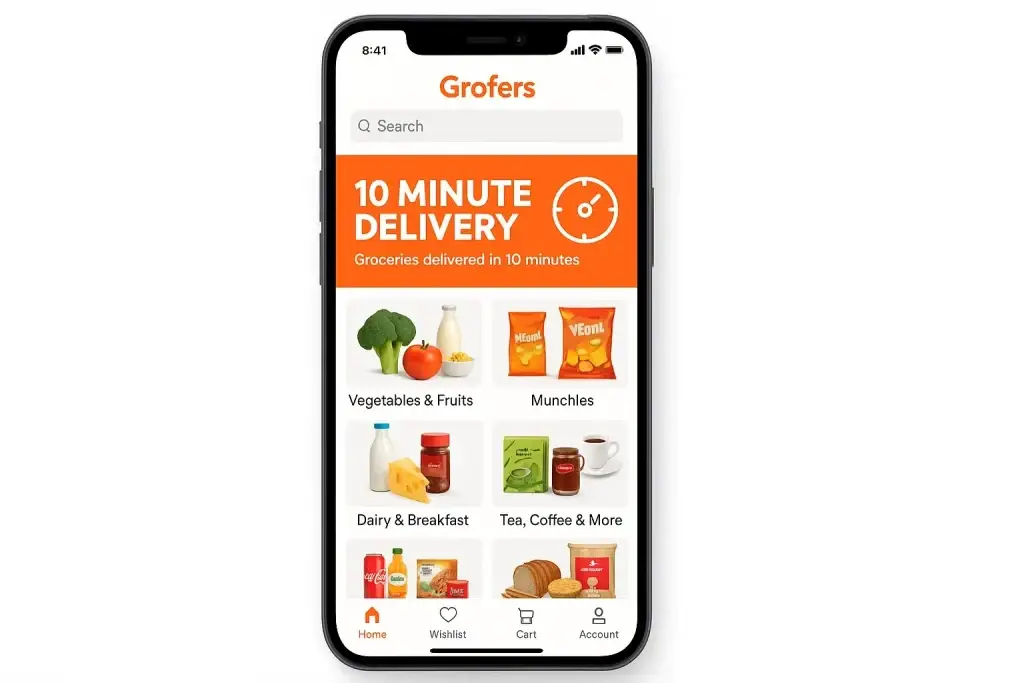
Grofers is a mobile-based grocery delivery app that lets users order groceries, personal care items, kitchen supplies, and more — all delivered in minutes. The app’s name is a clever blend of “grocery” and “offers,” and it lives up to that promise with aggressive pricing and discounts.
The company, now rebranded as Blinkit, took the “instant delivery” idea to the extreme — promising 10-minute delivery in metro cities. Think of it as the Zomato or Uber Eats of groceries.
Partner with a grocery delivery app development company that can replicate the efficiency and UX of Grofers from design to deployment.
Key Highlights:
- Founded: 2013 by Albinder Dhindsa and Saurabh Kumar
- HQ: Gurugram, India
- Now owned by Zomato (acquired in 2022)
- Over 10 million+ downloads across platforms
How Does Grofers Work? (Step-by-Step Breakdown)
1. User Places an Order
Users open the app, browse local inventory from nearby warehouses (called dark stores), and add items to cart. They can choose between categories like vegetables, snacks, dairy, home essentials, and more.
Smart personalization shows frequent purchases, current offers, and “running low” reminders based on past orders.
Also Read :-Online Grocery Delivery App Development Costs: What You Need to Know Before You Build
2. Inventory Matching at Dark Stores
Grofers doesn’t rely on traditional supermarkets. Instead, it runs micro-warehouses in urban hotspots. These “dark stores” hold fast-moving inventory and are restocked based on hyperlocal demand analytics.
These stores are invisible to the public but optimized for lightning-fast picking and dispatching.
3. Order is Packed & Assigned to a Delivery Partner
As soon as you hit “order now,” the system finds the nearest store with full inventory, and the pick-pack team assembles the items. A delivery rider is assigned via an internal algorithm based on proximity, traffic, and load balancing.
The goal? Doorstep delivery in 10 minutes. That’s faster than making a cup of coffee.
4. Live Tracking & ETA Notifications
Users can track their order live on the map, much like Uber. The app shows a breakdown of delivery partner name, order status, and estimated arrival.
Push notifications alert users about order acceptance, dispatch, and delivery.
Why Grofers Works: The Business & Tech Behind It
Hyperlocal Logistics
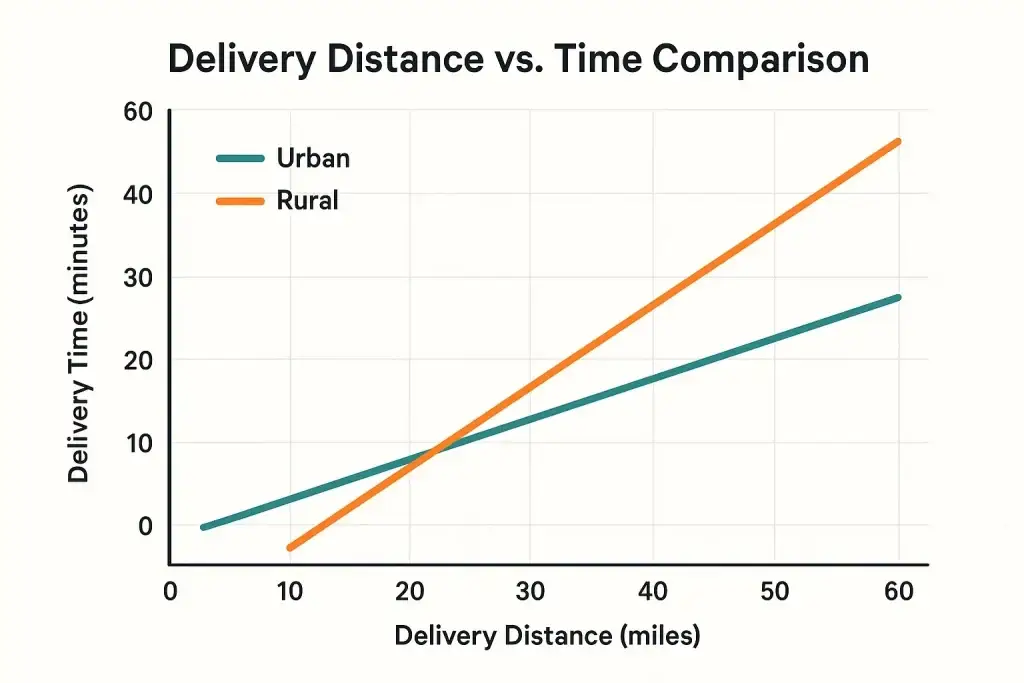
By setting up dark stores just 2–3 km apart in dense urban areas, Grofers reduces delivery time and transportation cost dramatically.
Data-Driven Inventory
Using AI and past user behavior, Grofers predicts what each area is likely to order next week — and stocks accordingly.
Efficient Last-Mile Delivery
The 10-minute promise isn’t magic — it’s careful planning of rider pools, optimized routes, and warehouse proximity.
How Does Grofers Make Money?
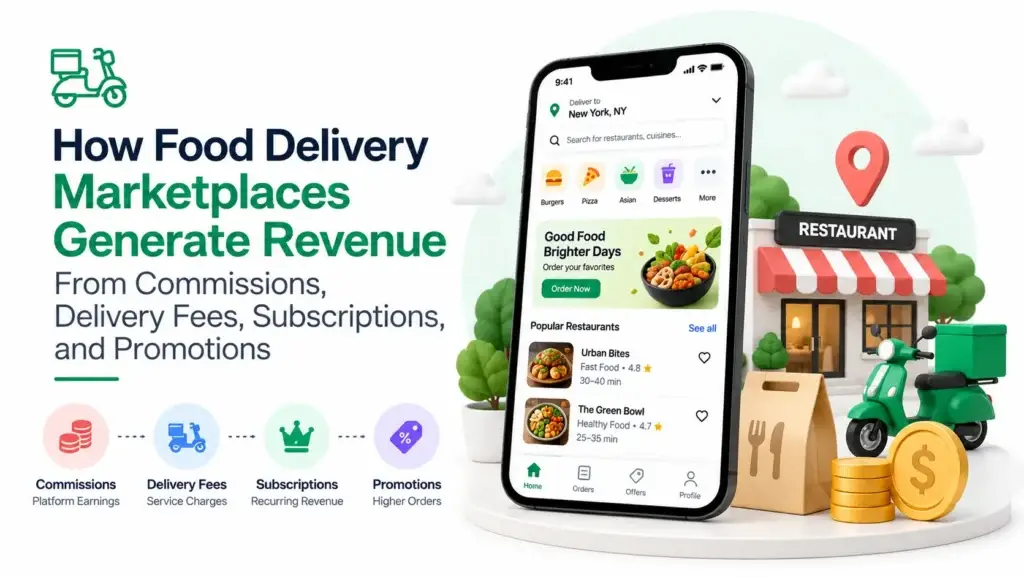
Grofers runs on a multi-pronged revenue model:
- Product Markup: Retail pricing is slightly higher than wholesale
- Delivery Fees: Nominal charges based on cart value and timing
- Membership Plans: Grofers Smart Bachat Club (now Blinkit Prime) for free delivery and extra discounts
- Promoted Listings: Brands can pay to push their products on the homepage or search results
- Private Labels: In-house brands (Staples, HappyChef, etc.) generate higher margins
Global Cost Factors & Pricing Breakdown
These values reflect global development cost estimates for a Grofers-like grocery delivery platform.
Miracuves Grofers-Like App Solution Cost and Tech Stack
Miracuves Pricing for a Grofers-Like Grocery Delivery Platform developed in PHP/Laravel with Flutter Apps for $2,199 USD (One-Time Price) in just 6 days
Get a fully developed, deployment-ready platform modeled after Grofers. Built on a reliable PHP/Laravel backend with Flutter mobile apps, this complete solution helps you launch and scale a grocery delivery business quickly and efficiently.
- Core Workflows: Product catalog browsing, cart system, order placement, real-time order tracking, inventory handling, and delivery management.
- Built-in Operations: Pricing logic, delivery fee setup, commission structure, inventory control, and payment processing.
- Management Hub: Centralized admin panel to manage customers, vendors, products, orders, delivery partners, transactions, and overall platform operations.
- Launch-Ready: Fully prepared for your branding, configuration, and immediate go-to-market execution.
Why is it so affordable?
Most modern grocery delivery platforms are built using complex architectures like Node.js or microservices. While powerful, these approaches require large engineering teams, longer timelines, and significantly higher development costs.
We took a smarter and more practical approach:
- You Aren’t Paying for Ground-Up Development: Our grocery delivery engine is already developed, tested, and ready to deploy. You skip months of development time and avoid the high costs of building from scratch.
- The Power of PHP / Laravel: Built on one of the most trusted and widely used frameworks globally, this solution keeps upfront costs low while ensuring long-term flexibility. With a large developer ecosystem, it becomes easier and more cost-effective to maintain, scale, and customize your platform.
- Built for Practical Growth: You get a strong, market-ready grocery delivery platform with essential features like inventory management, order workflows, and delivery tracking—without the complexity and expense of enterprise-level builds.
You get a scalable, production-ready platform without paying inflated development costs.
Note: This cost is for the solution, re-branding, deployment, and source code only.
.
Dive into Grofers’ revenue model and uncover the monetization tactics behind its fast-delivery grocery empire.
Building Your Own Grocery Delivery App Like Grofers
If you’re inspired by Grofers’ model, here’s what your app clone needs to succeed:
Key Features to Include
- User-friendly interface with real-time inventory
- AI-based recommendations
- Dark store management backend
- Multi-vendor support and geofencing
- Payment integration, wallet, coupons
- Delivery partner app with route optimization
Dive into the must-have features and development process for building a high-performing grocery delivery app like Grofers.
Tech Stack to Consider
- React Native or Flutter for mobile
- Node.js + MongoDB or Firebase for backend
- Google Maps API, Twilio, Razorpay, Stripe
Why Now Is the Right Time
Quick commerce is no longer a buzzword — it’s a battlefield. With giants like Swiggy Instamart, Zepto, and Dunzo investing big in fast delivery, the space is heating up. But there’s still massive opportunity in Tier 2 and 3 cities, niche grocery segments (organic, gourmet), and local D2C brands.
Learn how Grofers built its business model and marketing strategies — plus expert tips on how to market your grocery app after launch.
Conclusion
Grofers (aka Blinkit) proved that you can turn toilet paper and turmeric into a tech empire — all it takes is a smart business model and execution speed that would impress The Flash.
For entrepreneurs, the grocery app space isn’t crowded — it’s ripe. And with the right partner to build your idea into a scalable platform, you can be the next big disruptor.
At Miracuves, we help innovators launch high-performance app clones that are fast, scalable, and monetization-ready. Ready to turn your idea into reality? Let’s build together.
FAQs
Is Grofers the same as Blinkit?
Yes, Grofers rebranded to Blinkit in 2021 as it shifted focus to 10-minute deliveries.
How does Grofers make money?
Through delivery fees, product markups, subscriptions, and in-app promotions from brands.
Can I build a Grofers-like app for my city?
Absolutely. Platforms like Miracuves specialize in creating Grofers-style clones tailored for different regions and markets.
What’s a dark store in the Grofers model?
A mini-warehouse not open to the public but used for rapid fulfillment in local areas.
How fast does Grofers deliver?
Typically within 10–20 minutes in urban areas, depending on proximity to their dark stores.
What’s the tech stack behind such apps?
Usually a mix of React Native/Flutter (frontend), Node.js (backend), Google Maps API, and real-time database systems like Firebase.
Related Articles :-
Miracuves is an independent software development company. We are not affiliated with, connected to, sponsored by, or endorsed by any company or product named in this article.
Terms such as “X Clone” are used descriptively. It is how the software industry refers to building a platform with functionality comparable to a known service, and how clients search for it.
The entire design and codebase of our products is built by our own team. Our products contain no code, design, graphics, or content originating from any third-party website or applications.
All third-party names and marks referenced in this article are the property of their respective owners, referenced solely to identify the services discussed.