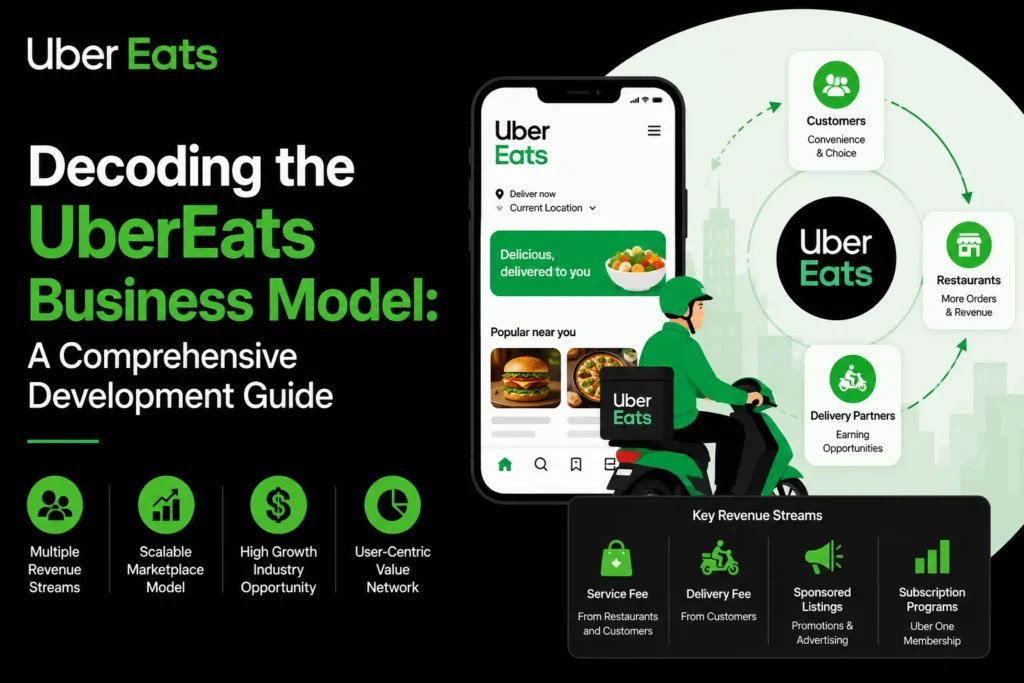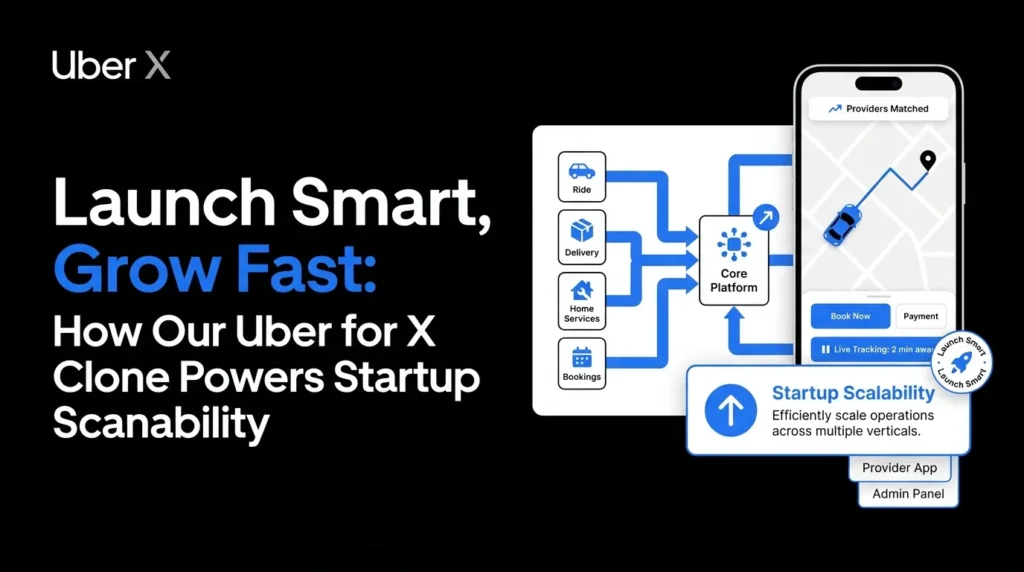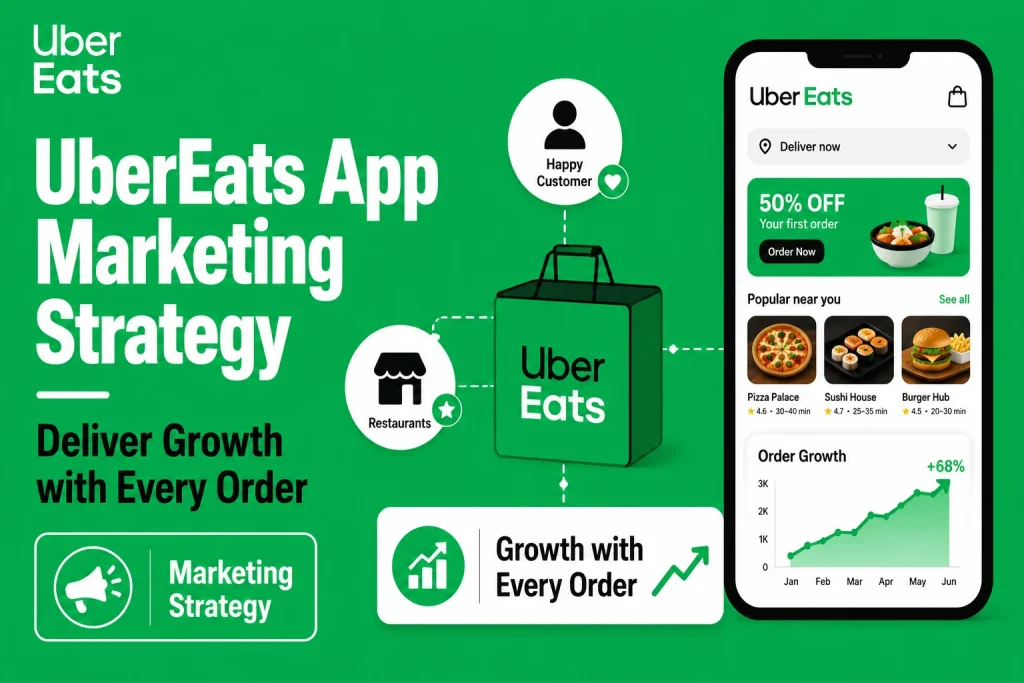




Imagine walking into a bustling restaurant where you can order food, book a ride, and even pay your bills—all from the same menu. That’s the beauty of a super app! In 2025, super apps are becoming the go-to solution for convenience and versatility. They combine multiple services into one seamless platform, changing the way we interact with technology.
So, why is it a good idea to invest in super app development now? Let’s dive into what a super app truly is and explore the immense potential they hold for businesses and consumers alike.
Understanding Super Apps
So, what exactly is a super app? Think of it as a digital Swiss Army knife. Instead of juggling multiple apps for different services, a super app brings everything together in one place. This integration not only saves time but also enhances user experience by providing a seamless transition between services.
A super app typically offers features like ride-hailing, food delivery, payment processing, and even social networking—all accessible with just a few taps.
Historical Context
The rise of super apps isn’t just a trend; it’s a response to our increasingly busy lives. Originally popularized in Asia, apps like Gojek and Grab have paved the way, showcasing how multi-service platforms can effectively meet diverse consumer needs.
As we step into 2025, understanding the evolution of super apps helps us appreciate their significance in the digital economy. They’re not just apps; they’re comprehensive solutions designed to enhance our everyday experiences.
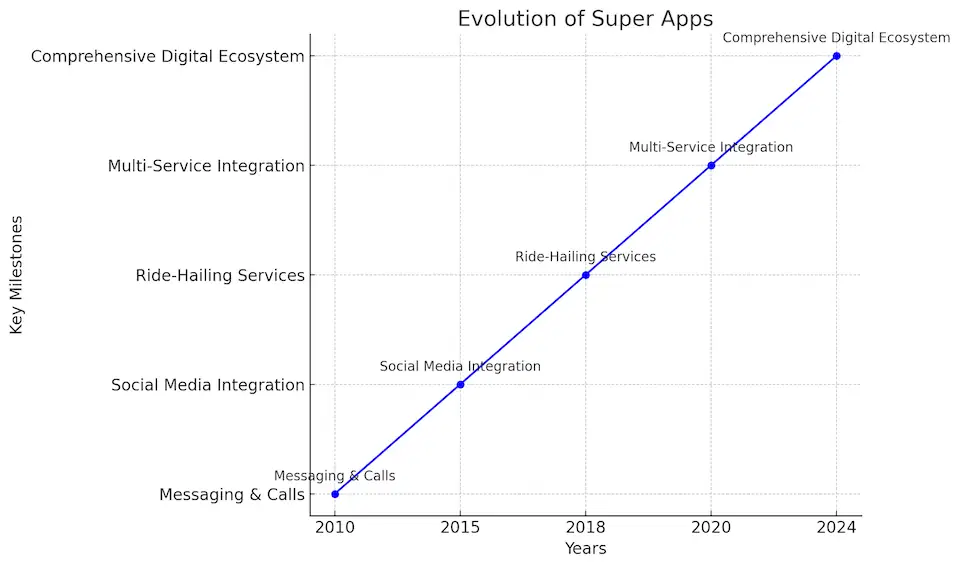
Now, what’s really exciting is that as you consider building a super app, you’re not just investing in technology; you’re investing in a future where convenience reigns supreme.
Key Features of a Super App
Alright, now let’s dive into what makes a super app truly special. Imagine having all your favorite services wrapped up in one convenient package—sounds great, right? Here are the key features that make super apps so appealing:
1. Service Integration
A super app seamlessly combines multiple services like ride-hailing, food delivery, and payment processing. Instead of switching between different apps, users can do it all in one place. This not only saves time but also enhances user satisfaction.
2. Seamless Payment Gateways
One of the biggest perks is having integrated payment options. Users can easily pay for rides, meals, or services without needing to re-enter their payment information each time. This convenience significantly improves the overall user experience.
3. AI-Driven Personalization
Super apps often utilize AI to personalize the user experience. By analyzing user behavior and preferences, they can suggest services or products tailored just for you. It’s like having a personal assistant who knows exactly what you need!
4. User-Friendly UI/UX
The design is crucial! A clean, intuitive interface keeps users engaged and makes navigating through various services a breeze. Apps like Gojek and Grab are great examples of user-centric design.
5. Security Features
With all this convenience, security is paramount. Super apps incorporate robust security protocols to protect user data and transactions, ensuring a safe experience.
6. Push Notifications and Engagement Tools
To keep users coming back, super apps leverage push notifications. These can alert users about promotions, new features, or reminders, effectively keeping the app top of mind.
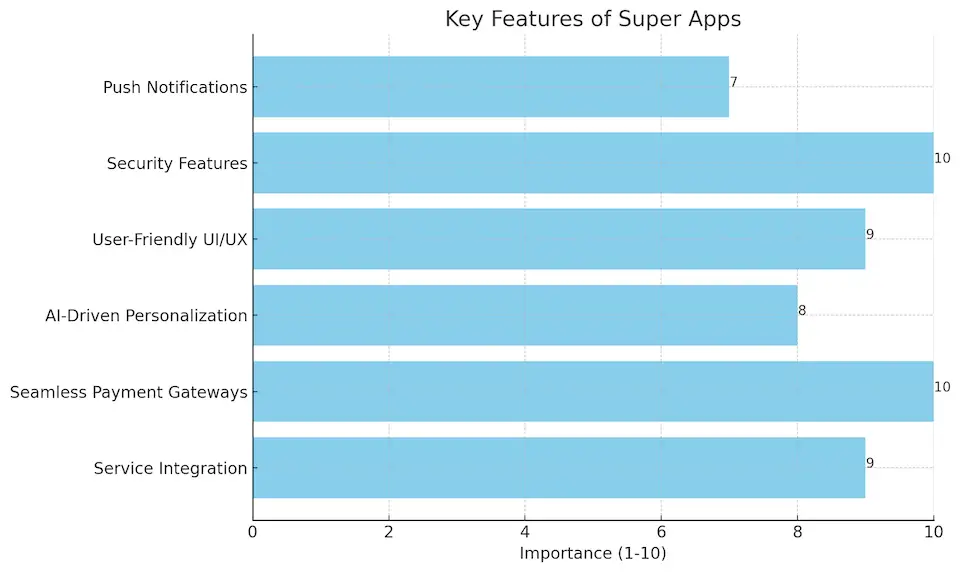
Now that you know what makes a super app tick, it’s clear that these platforms are designed with the user in mind. They truly redefine convenience in the digital age.
Benefits of Building a Super App
Now that we’ve explored the key features, let’s talk about why building a super app is such a smart move. Imagine you’re a business owner in a bustling market. A super app can be your best ally, and here’s why:
1. Customer Retention and Loyalty
One of the biggest advantages of a super app is its ability to retain customers. By offering multiple services in one platform, you keep users engaged and satisfied. Think about it—when users can find everything they need in one place, they’re less likely to jump to competing apps. This loyalty can significantly boost your customer lifetime value.
2. Revenue Diversification
With various services at your fingertips, you can explore multiple revenue streams. Whether it’s through subscriptions, in-app purchases, or transaction fees, a super app opens the door to diverse income sources. According to a report by Statista, the global super app market is projected to grow significantly, highlighting the financial potential.
3. Scalability and Adaptability
Building a super app means you’re setting up a platform that can easily scale. As your user base grows, you can add more services without overhauling the entire system. This adaptability allows you to respond quickly to market demands and user preferences.
4. Increased Market Reach
Super apps allow you to tap into various market segments. For instance, if you start with food delivery and later add ride-hailing, you’re attracting different user groups. This broad market appeal can lead to exponential growth and brand recognition.
5. Enhanced User Experience
Let’s face it, users love convenience! A super app simplifies their lives by offering everything in one place. This improved user experience can lead to positive reviews and word-of-mouth referrals, which are invaluable for business growth.
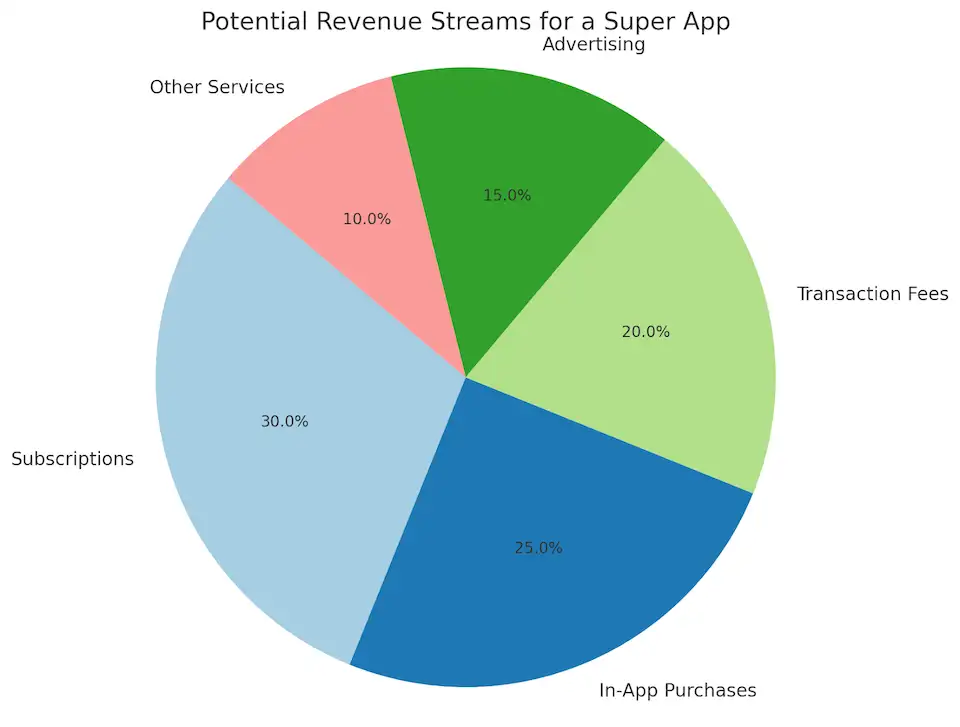
With these benefits, it’s clear that investing in a super app is not just a trend; it’s a strategic decision for future growth. Imagine how much easier life could be for your users—and for your business!
How to Develop a Super App: Step-by-Step Guide
Alright, so you’re convinced that a super app is the way to go. But how do you actually build one? Let’s break it down step-by-step, so you know exactly what to do.
Learn More: Key Features of Super Apps – You Need to Know
Step 1: Research & Feasibility
Before diving in, it’s crucial to conduct thorough market research. Identify your target audience, their needs, and how existing super apps are performing. This helps you find gaps in the market that your app can fill.
Step 2: Choosing the Right Tech Stack
Next, you’ll need to decide on the technology you’ll use. Consider factors like scalability, security, and ease of integration. Technologies like React Native for the frontend and Node.js for the backend are popular choices for super app development.
Step 3: Building Scalable Architecture
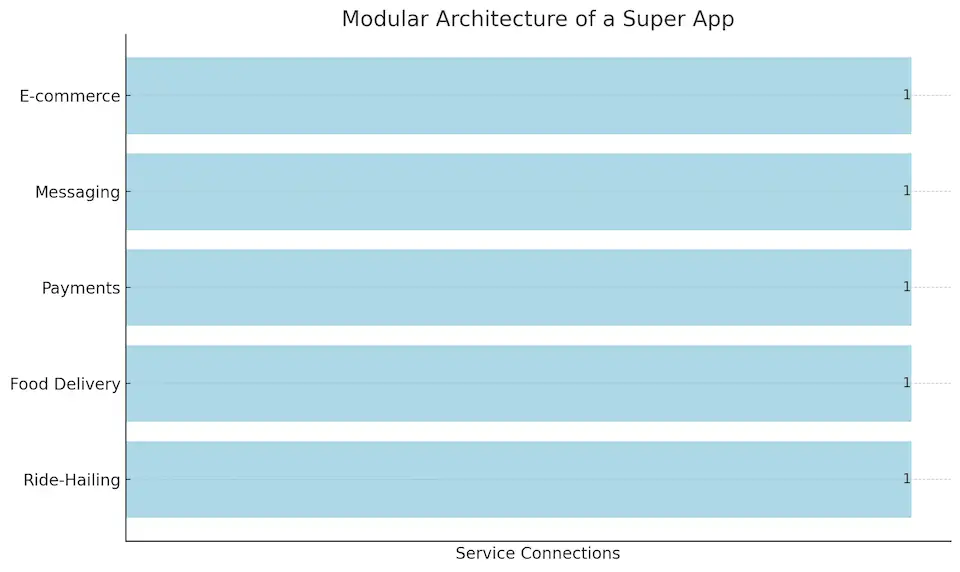
Creating a modular architecture is essential. This allows you to add or modify services without disrupting the entire system. Think of it as building a house with separate rooms—if you want to add a new room, you can do so without knocking down the entire structure.
Step 4: Frontend & Backend Development
Now it’s time to roll up your sleeves and get coding! Focus on creating a user-friendly interface that’s intuitive and engaging. Meanwhile, ensure your backend is robust, handling data and transactions efficiently. This is where you’ll also integrate payment gateways for seamless transactions.
Step 5: Testing & Quality Assurance
Once development is complete, rigorous testing is crucial. Ensure everything functions as intended and fix any bugs. Conduct usability testing with real users to get feedback on their experience.
Step 6: Post-Launch Support & Maintenance
Launching your super app isn’t the end—it’s just the beginning! Provide ongoing support and regularly update the app to enhance features and fix issues. This will keep your users happy and engaged.
With these steps in mind, you’re well on your way to building a successful super app. It’s a journey that requires careful planning and execution, but the rewards can be immense!
Cost of Building a Super App
Now, let’s talk about something crucial: the cost of building a super app. Understanding the financial aspect is key to making informed decisions as you embark on this journey. So, how much can you expect to invest?
Overview of Costs
The cost of developing a super app can vary widely based on several factors. Typically, the development can range from $50,000 to $300,000 or more, depending on the complexity and features you want to include. For instance, a basic app with essential features might start around $50,000, while a fully-featured app like Gojek or Grab could exceed $300,000.
Factors Affecting Cost
1. Features and Complexity: The more features you want (like multiple service integrations, payment gateways, etc.), the higher the cost.
2. Design and User Experience: A user-friendly and engaging design often requires skilled designers, which can increase the budget.
3. Development Team Location: The cost can vary based on where your development team is located. For example, hiring developers in North America might be more expensive than those in Eastern Europe or India.
Table: Here’s a breakdown of typical costs for different components of super app development:
| Component | Estimated Cost Range |
| Basic App Development | $50,000 – $100,000 |
| Advanced Features | $100,000 – $200,000 |
| User Interface Design | $10,000 – $50,000 |
| Ongoing Maintenance | $2,000 – $10,000/month |
Miracuves Starting Price
At Miracuves, our starting price for super app development is $1,899, which offers an affordable entry point for businesses looking to explore this space. This competitive pricing allows you to get started on your super app journey without breaking the bank.
Monetization Models for Super Apps
Alright, now that we’ve covered the costs, let’s shift gears and discuss how you can actually make money with your super app. Understanding different monetization models is essential for turning your investment into profit.
1. Subscription Model
One of the most popular ways to monetize a super app is through subscriptions. You can offer premium features or exclusive content for a monthly fee. Think about it—users are often willing to pay for enhanced experiences, like ad-free browsing or special perks.
2. In-App Purchases
Another lucrative option is in-app purchases. This could range from buying virtual goods to unlocking premium functionalities. For example, if your super app includes a ride-hailing service, users might be willing to pay extra for premium rides or added services.
3. Advertising Revenue
Ads can be a significant revenue source, especially if your app has a large user base. You can partner with brands to display ads or offer promotional space within the app. Platforms like Google AdMob can help you manage this seamlessly.
4. Freemium Model
The freemium model allows users to access basic features for free while offering premium options at a cost. This strategy can attract a larger user base, with the hope that some will convert to paid subscriptions.
5. Transaction Fees and Commissions
If your super app connects users with third-party services, consider charging transaction fees or commissions. For instance, if your app facilitates food delivery from local restaurants, you can take a percentage of each transaction.
Table: Here’s a quick comparison of different monetization models and their pros and cons:
| Monetization Model | Pros | Cons |
| Subscription Model | Predictable revenue | Requires ongoing value delivery |
| In-App Purchases | High user engagement | May deter some users |
| Advertising Revenue | Passive income potential | Can affect user experience |
| Freemium Model | Attracts a larger user base | Conversion to paid can be challenging |
| Transaction Fees | Easy revenue stream for marketplace | Depends on user volume |
Market Trends for Super Apps in 2025
Now that we’ve explored how to monetize your super app, let’s take a look at the exciting market trends shaping the super app landscape in 2025. Staying ahead of these trends can give you a competitive edge.
1. AI and Automation
Artificial Intelligence is set to play a significant role in enhancing user experience within super apps. By analyzing user behavior, AI can personalize services and streamline interactions. For instance, predictive analytics can suggest services based on past usage, making the app feel intuitive and user-friendly.
2. Blockchain Integration
Blockchain technology is gaining traction for its ability to secure transactions and protect user data. As users become more privacy-conscious, integrating blockchain can build trust and enhance security. A study from McKinsey indicates that blockchain can revolutionize various sectors, including app development.
3. Impact of 5G and IoT
With the rollout of 5G networks, super apps can offer faster and more reliable services. This means real-time data processing and smoother interactions, which are crucial for features like ride-hailing or food delivery. Furthermore, the Internet of Things (IoT) will enable more interconnected services, allowing super apps to integrate with smart devices seamlessly.
4. Growth in Emerging Markets
Emerging markets are quickly becoming hotbeds for super app development. Regions like Southeast Asia and Africa are witnessing rapid adoption of multi-service platforms due to increasing smartphone penetration and digital payment solutions. Companies looking to expand should pay close attention to these markets and explore how to build multi-service app, as they present vast opportunities for growth.
5. User Engagement and Retention Trends
Engagement strategies are evolving, with a greater emphasis on user feedback and community building. Apps that foster user communities and encourage feedback can create a loyal user base. Implementing gamification elements can also enhance engagement, making the app experience more interactive and enjoyable.
By keeping an eye on these trends, you can position your super app for success in a rapidly changing digital landscape. The future is bright for super apps, and being proactive about these developments can lead to significant rewards.
Super App Architecture and Tech Stack
Alright, let’s dive into the nuts and bolts of what makes a super app function smoothly: its architecture and tech stack. Understanding these elements is crucial if you want to build a robust, scalable, and efficient platform.
1. Modular Architecture
At the heart of every successful super app is a modular architecture. This means that different services—like ride-hailing, food delivery, and payments—are built as separate modules that can operate independently but interact seamlessly. This approach allows for easier updates and scalability, making it simpler to add new features without overhauling the entire app. Think of it as building blocks that can be rearranged as needed!
2. Microservices Architecture
Building on the modular concept, microservices architecture takes it a step further. Each feature is developed as a standalone service that communicates with other services via APIs. This makes your super app more flexible and resilient. If one service goes down, the others can continue to function, ensuring that your users have a reliable experience.
3. Database Management
Choosing the right database is critical for a super app. Whether you opt for SQL or NoSQL databases depends on your specific needs. SQL databases are great for structured data and complex queries, while NoSQL is more suitable for unstructured data and scalability. Understanding your data management needs can help you select the best option for your super app.
4. APIs and Third-Party Integrations
APIs (Application Programming Interfaces) are what allow your super app to connect with other services. Whether it’s integrating payment gateways or social media platforms, having a robust API strategy is essential for providing a seamless user experience. This integration capability can set your super app apart from competitors.
5. Security Protocols and Compliance
With great convenience comes great responsibility! Security should be a top priority. Implement robust security measures, including encryption and two-factor authentication, to protect user data. Moreover, ensure compliance with regulations such as GDPR to build trust with your users. According to IBM, investing in strong security can significantly reduce the risks of data breaches.
6. Cloud Solutions
Cloud computing offers scalability, flexibility, and cost-effectiveness. By leveraging cloud platforms, you can easily scale your app based on user demand, ensuring optimal performance at all times. Solutions like AWS, Google Cloud, and Azure are popular choices among developers for hosting super apps.
By focusing on these architectural and technical aspects, you can lay a solid foundation for your super app that not only meets user expectations but also scales efficiently as your business grows.
Case Studies: Gojek & Grab
Now, let’s dive into some real-world examples of super apps that have set the bar high—Gojek and Grab. These case studies will not only inspire you but also provide valuable insights into what makes a super app successful.
1. Gojek Case Study
Gojek, hailing from Indonesia, is a pioneering super app that offers a myriad of services—from ride-hailing and food delivery to digital payments. What sets Gojek apart is its ability to adapt to user needs. For instance, during the pandemic, they quickly expanded their delivery services to include groceries and essentials, proving their agility in responding to market demands.
According to a report by Warburg Pincus, Gojek has successfully integrated its services to create a seamless user experience. This adaptability has contributed significantly to its user retention and revenue growth.
2. Grab Case Study
Grab started as a ride-hailing app but has since evolved into a comprehensive super app serving Southeast Asia. With services ranging from food delivery (GrabFood) to financial services (GrabPay), Grab has effectively tapped into multiple revenue streams. Their focus on local partnerships has allowed them to customize services for different markets, enhancing user engagement.
The key to Grab’s success lies in its strategic use of technology. They leverage data analytics to understand user behavior and preferences, tailoring their services accordingly. This customer-centric approach has resulted in high levels of satisfaction and loyalty, as noted in their strategy report by IMD Business School.
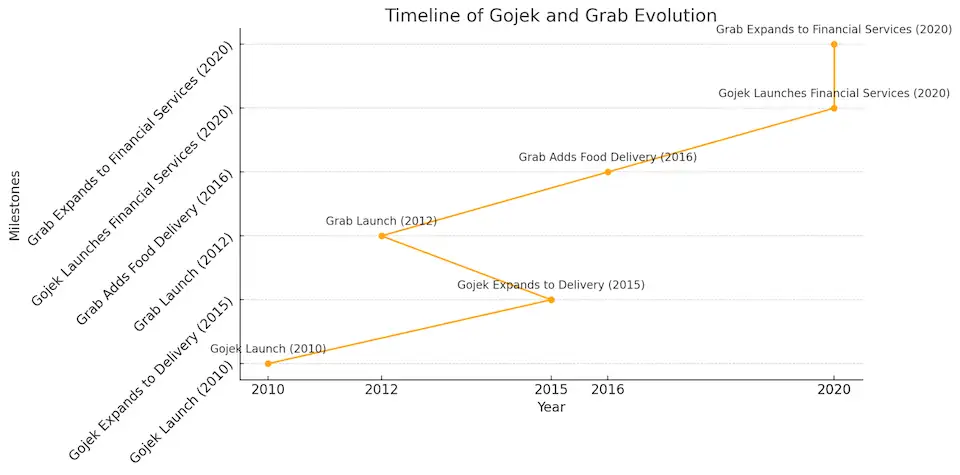
Key Takeaways from Their Success
- Adaptability: Both apps showcase the importance of quickly responding to market needs.
- User-Centric Design: Creating a seamless experience leads to higher retention rates.
- Diverse Revenue Streams: Offering multiple services not only attracts more users but also boosts profitability.
By learning from these giants, you can identify strategies that could work for your super app. Understanding the paths they took can help you navigate your own journey toward success.
Scaling Your Super App Globally
Alright, so you’ve built your super app, and now you’re ready to take it to the next level—global scaling! But scaling isn’t just about spreading your app across different regions; it’s about doing it smartly and strategically. Let’s break down how to effectively scale your super app.
1. Challenges in Scaling
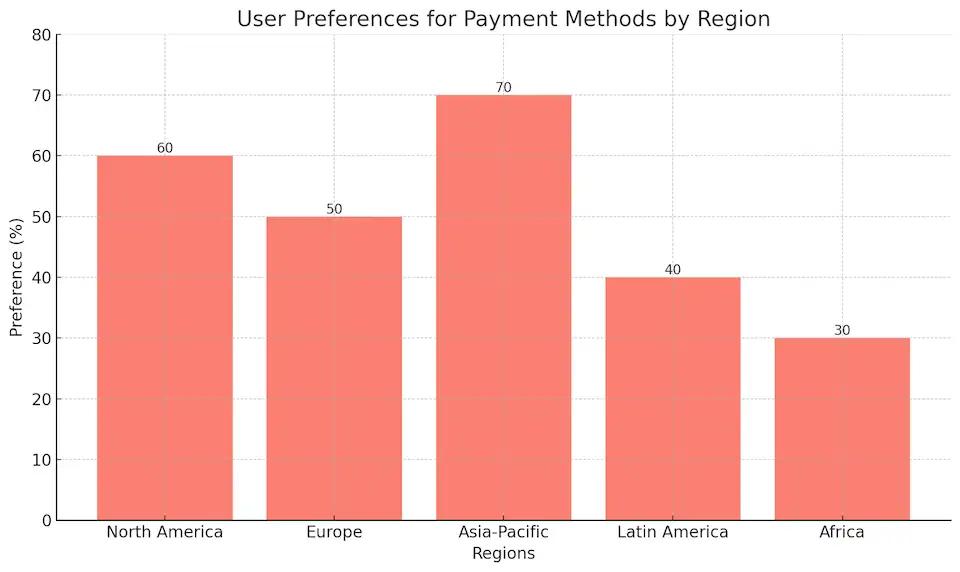
When you think about going global, the first thing that comes to mind is the challenges. Each market has its own regulations, cultural nuances, and user expectations. For example, payment preferences can vary significantly from one country to another. Adapting your app to meet these diverse needs is essential for success. According to Deloitte, understanding local consumer behavior is crucial for tailoring your services effectively.
2. Localization and Cultural Adaptation
One of the key strategies in scaling is localization. This means not just translating your app into different languages but also adapting it to fit local cultures and preferences. For instance, in Southeast Asia, features like cash payments might be more prevalent, while in Europe, digital payments could dominate. By localizing your content and services, you’ll enhance user experience and build trust.
3. Solutions for Global Expansion
To tackle these challenges, consider forming local partnerships. Collaborating with regional companies can provide valuable insights and help navigate local markets. Furthermore, utilizing cloud solutions can facilitate smoother operations across borders, ensuring that your app remains responsive and efficient.
4. Continuous User Feedback
As you scale, never underestimate the power of user feedback. Regularly collecting and analyzing feedback from users in different regions can provide insights into what works and what doesn’t. This iterative approach allows you to make necessary adjustments and improve user satisfaction.
By keeping these strategies in mind, you’ll be well-equipped to scale your super app globally. It’s all about being adaptable, understanding your audience, and continuously improving your offerings to meet their needs.
Future Trends in Super App Development (2025 and Beyond)
As we look ahead, it’s exciting to consider the future trends in super app development. These trends not only shape how super apps will operate but also how they will interact with users in increasingly innovative ways. Let’s explore what’s on the horizon!
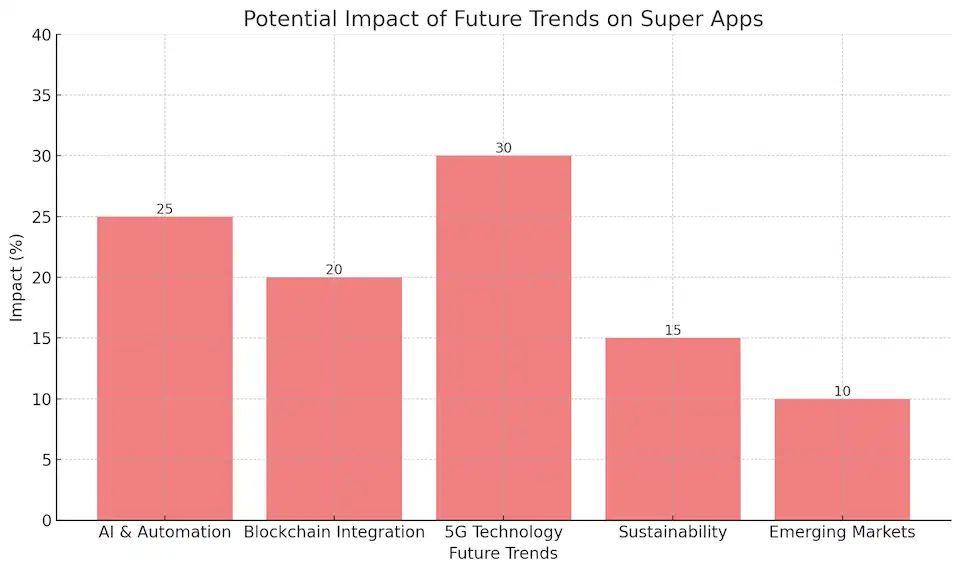
1. AI and Automation
Artificial intelligence will continue to evolve, enabling super apps to offer even more personalized experiences. Imagine an app that can predict your needs before you even ask! For instance, if you frequently order a certain type of food, AI could suggest similar options, enhancing your user experience. Reports from Forrester highlight how AI is expected to significantly improve customer interactions across various sectors.
2. Enhanced Security with Blockchain
As data privacy concerns rise, integrating blockchain technology can offer secure transaction processes. Users are becoming more aware of their data security, so ensuring that your app employs advanced security measures will be crucial. Blockchain can enhance trust and provide transparency in transactions, making users feel safer using your app.
3. Increasing Adoption of 5G Technology
With the rollout of 5G, super apps will have the ability to process data faster than ever before. This means smoother user experiences, quicker load times, and real-time data transactions. The potential of 5G to revolutionize app performance cannot be overstated. Users will expect instant responses, and super apps that leverage this technology will have a competitive edge.
4. Focus on Sustainability
As sustainability becomes more important to consumers, super apps can play a significant role in promoting eco-friendly practices. Features that encourage sustainable choices—like carbon tracking for rides or partnerships with local businesses that focus on sustainability—will appeal to environmentally conscious users.
5. Continued Growth in Emerging Markets
Emerging markets will remain fertile ground for super app growth. As smartphone penetration increases, so does the opportunity to introduce super apps that cater to these new users. Focusing on local needs and cultural nuances will be vital for success in these regions.
By staying attuned to these trends, you can position your super app for sustained success in the coming years. It’s all about embracing innovation and being ready to adapt to the evolving needs of your users.
Conclusion
Building a super app is an exciting venture that promises convenience and versatility. By understanding key features, costs, and market trends, you can position your app for success. At Miracuves, we’re here to guide you through the development process and help you create a super app that meets user needs and drives growth. Ready to start your journey? Let’s connect!
Ready to create a fully integrated app for your business?
Book a demo today See how our platform brings together diverse services like financial transactions, food delivery, and transportation—all in one app.
FAQs About Super App Development
1. How long does it take to develop a super app?
Typically, a basic super app takes 3 to 6 months to develop, while a fully-featured app can take 6 months to over a year.
2. What are the top features of a successful super app?
Key features include seamless user experience, integrated services, strong security protocols, and AI-driven personalization. For detailed insights, visit Statista.
3. How much does it cost to maintain a super app?
Maintenance costs generally range from $2,000 to $10,000 per month, depending on complexity and features.
4. What industries benefit the most from super apps?
E-commerce, transportation, and food services are among the industries that can greatly benefit from super apps.
5. Can a super app succeed in emerging markets?
Yes! Emerging markets offer significant opportunities, especially when apps are tailored to local needs.
Check out our popular super app solutions offered by Miracuves – built for versatility, performance, and scale:
- Gojek -Like App – A powerful all-in-one super app offering ride-hailing, food delivery, courier, payments, and more
- Glovo -Like App– An on-demand delivery app covering food, groceries, pharmacy, and courier services in one platform
- Grab -Like App – A comprehensive app solution combining transportation, delivery, digital payments, and everyday services