


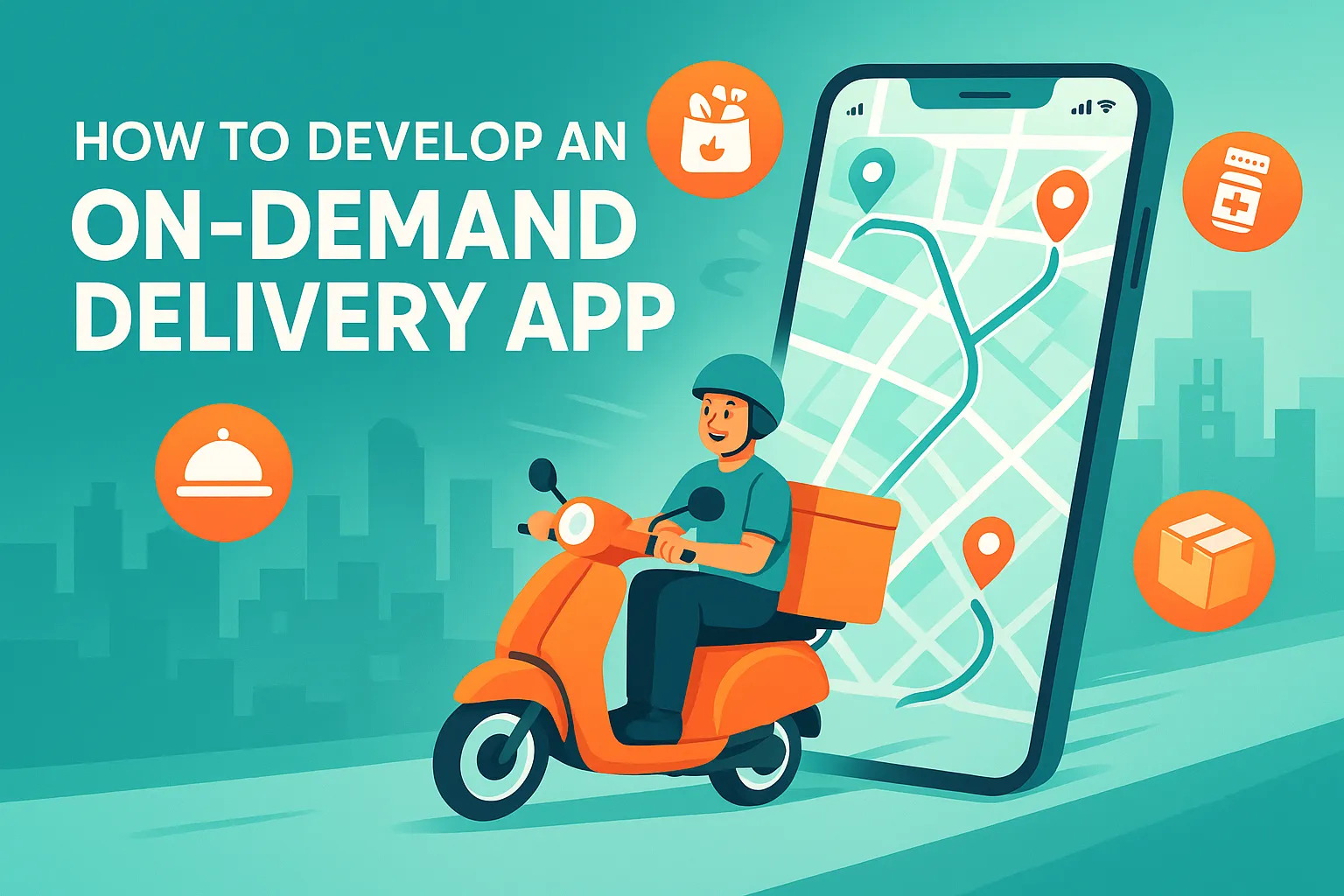
If you’ve ever opened an app, tapped a button, and had groceries, food, or even medicines delivered within minutes—you’ve witnessed the magic of on-demand delivery. In 2025, this isn’t a luxury—it’s the default. With urban lifestyles becoming more hectic and convenience ruling consumer choices, delivery apps are no longer optional; they’re essential infrastructure. Entrepreneurs and startups who grasp this shift are sprinting to grab their slice of the hyperlocal economy pie.
A few years ago, I laughed when a friend ordered just one energy drink at 11 p.m. But now? I’m that guy. Whether it’s late-night cravings, forgotten essentials, or emergency supplies, I’ve relied on apps like Glovo more than I’d like to admit. These apps have made life so easy, I barely remember the last time I stood in a checkout line. This isn’t just a trend—it’s a transformation in how we live.
In this blog, we’re going to unpack everything that goes into developing an on-demand delivery app. We’ll explore essential features, app architecture, development steps, industry challenges, and even monetization strategies. Whether you’re building your first Glovo Clone or refining your existing delivery platform, you’ll get actionable insights right here.
So, why should you keep reading? Because you’re not just building another app—you’re building a business model powered by real-time gratification. If you want your product to stand out in a saturated market, you need more than just code. You need clarity, strategy, and a few shortcuts that we’re about to reveal, especially if you’re exploring proven solutions like Miracuves.
What’s Fueling the Demand for On-Demand Delivery?
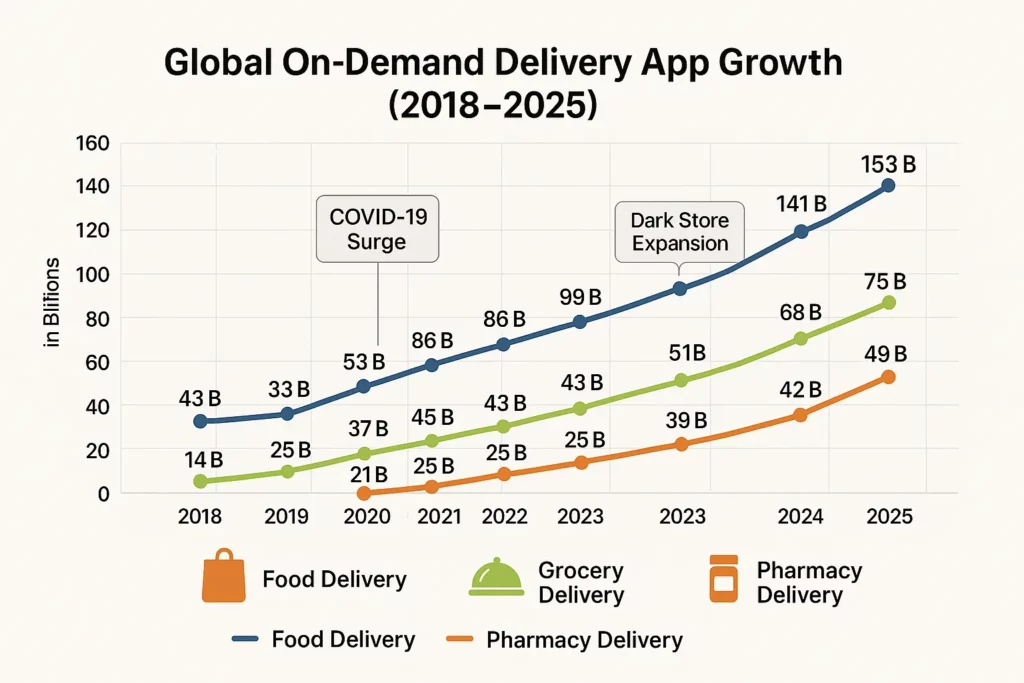
Let’s break it down: The combination of smartphone usage, faster internet, contactless payments, and pandemic-fueled behavior shifts has created a massive hunger for instant services. People expect immediacy—and businesses that deliver (literally) are winning loyalty. Today, ordering food, medicine, or groceries via an app is as normal as checking Instagram or sending a WhatsApp.
Core Features That Make or Break an On-Demand Delivery App
Real-Time GPS Tracking
If users can’t see where their order is, they panic. A live tracking map is non-negotiable.
Multi-Store Ordering
Want shampoo from Pharmacy X and snacks from Grocery Y? Let them bundle it all together.
Easy Payments
Cards, UPI, wallets—make it fast and fuss-free. The fewer taps, the better.
Smart Notifications
Useful alerts like “Your rider’s 2 minutes away” build trust and reduce churn.
Ratings and Reviews
Customer feedback isn’t just for quality control—it’s free marketing.
The Step-by-Step Process to Build a Glovo Clone
Step 1: Pick Your Niche
Are you focusing on food, groceries, flowers, or all of them? Specialization helps streamline UX.
Step 2: Design for Simplicity
Keep it intuitive. Think fewer screens, larger CTAs, and clean layouts.
Step 3: Choose Your Tech Stack
Use Flutter/React Native for cross-platform frontend; Node.js or Django for backend.
Step 4: QA Testing
Check for bugs in everything from payment flow to live tracking. Test real devices, not just emulators.
Step 5: Launch & Learn
Push it live. Track metrics like daily active users (DAUs), order volume, and support tickets to refine post-launch.
Different User Types, Different Needs
- Casual Users: They want fast food, period. Prioritize speed and simplicity.
- Heavy Users: Weekly shoppers or pharmacy regulars—offer subscriptions and loyalty perks.
- Vendors: They want clean dashboards, order alerts, and payout clarity.
- Delivery Partners: Route efficiency and easy earnings tracking are vital.
Things That Will Keep You Up at Night
Fraud & Spam Orders
Yes, users will try to game the system. Build in OTPs, address verifications, and flagged user alerts.
Poor Delivery Logistics
Bad routing = late deliveries = angry customers = app uninstalls.
Profit Squeeze
Commissions, driver incentives, and customer discounts can eat into margins fast.
Wrapping It Up: What the Future Holds
The playbook for on-demand delivery is changing fast. AI-based dispatching, drone-based drops, and micro-warehousing (dark stores) are already creeping into mainstream adoption. If you’re planning to build a Glovo Clone in 2025, the window of opportunity is still wide open—but only for those who ship fast, iterate faster, and obsess over user experience. Need expert help? Reach out to the Miracuves team.
Remember: You’re not building an app. You’re building a habit. Do it right, and people won’t just use your product—they’ll rely on it.
FAQ:
Q1. How much does it cost to build a Glovo Clone?
You can launch a Glovo Clone App for just $3,299, including full setup, branding, and deployment — all delivered within 3–6 days for a fast market entry.
Q2. Is it better to build from scratch or use a white-label solution?
If you’re short on time, go white-label. Want full control? Build custom.
Q3. How can I monetize my delivery app?
Delivery fees, vendor commissions, surge pricing, banner ads, and loyalty programs.
Q4. What’s the ideal tech stack?
Frontend: Flutter or React Native. Backend: Node.js or Django. DB: PostgreSQL or MongoDB.
Q5. What kind of team do I need?
UI/UX Designer, Frontend Developer, Backend Developer, QA Tester, and Product Manager.
Q6. Can I scale it city by city?
Absolutely. Start small, localize deeply, and expand based on demand.