


Real estate isn’t what it used to be. No more chasing brokers, paper contracts, or weekend site visits. In 2025, real estate apps have turned the entire buying-selling-renting game into a few taps on your phone. Whether you’re hunting for your dream apartment or listing a rental, these apps are now your go-to. But while we’re swiping and scrolling, have you ever stopped to wonder—how do these apps actually make money?
I remember the first time I listed my old apartment on a property app. It felt like I was tossing a paper plane into a tornado of listings. A few upgrades to the ad placement, a paid photo shoot offer, and—bam!—they got my money before I even heard from a buyer. That’s when it hit me: this wasn’t just a tech platform. It was a full-blown business engine.
So today, we’re peeling back the curtain. You’ll discover how these apps really work, the clever monetization tricks behind them, and why investors are pouring in cash like there’s no tomorrow. From freemium features to B2B partnerships and algorithm-driven lead generation—there’s a whole digital jungle behind those clean app screens.
Stick around, because if you’re an entrepreneur, a startup founder, or even just someone curious about launching your own real estate tech product, this blog could save you months of research. We’re going beyond the buzzwords—this is the business blueprint you’ve been hunting for.
If you’re thinking of building your own real estate app or enhancing an existing one, check out Miracuves—a trusted name in developing next-gen app solutions tailored for entrepreneurs.
What’s Behind the Boom of Real Estate Apps?
Tech Took Over the Bricks
The shift started slowly—digital listings here, virtual tours there. But with smartphone penetration skyrocketing and COVID teaching us that physical presence is optional, real estate tech saw a golden opening. Apps like Zillow, Redfin, and India’s 99acres turned into digital property supermarkets. Add in GPS-based matching, AI pricing engines, and 3D walkthroughs—and suddenly traditional agents looked a bit…old-school.
A New Breed of User
Homebuyers today don’t just want listings. They want instant updates, price predictions, investment potential, even neighborhood insights—all in one place. And apps are responding by layering tools like EMI calculators, chatbot support, and legal documentation help. The app is no longer just a catalog—it’s a full-stack real estate assistant.
The Core Business Models Powering Real Estate Apps
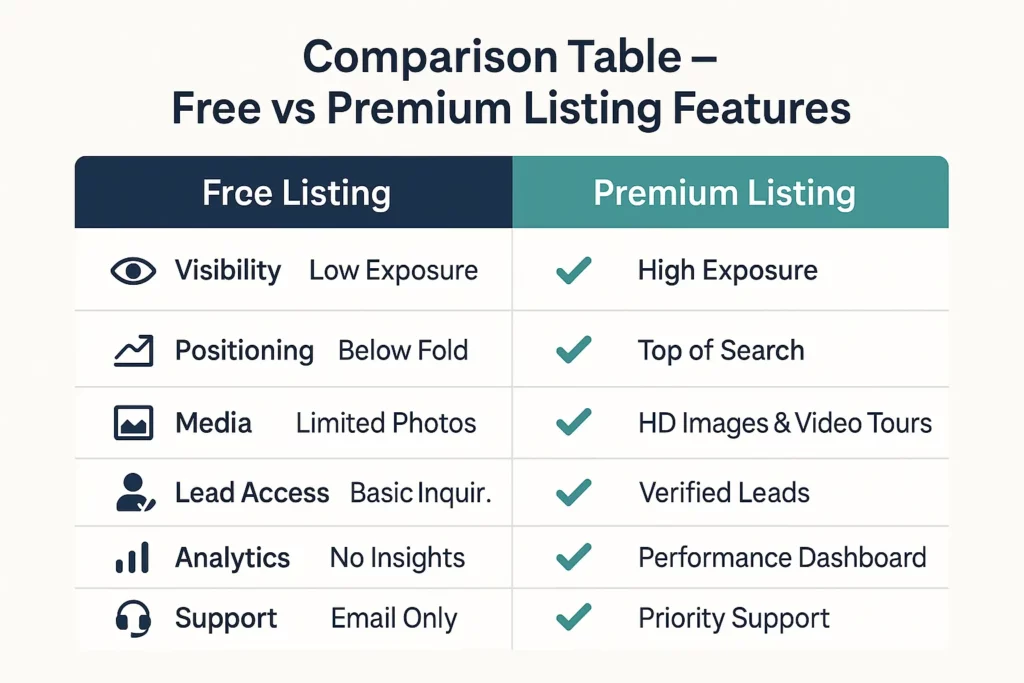
1. Freemium Listings (B2C)
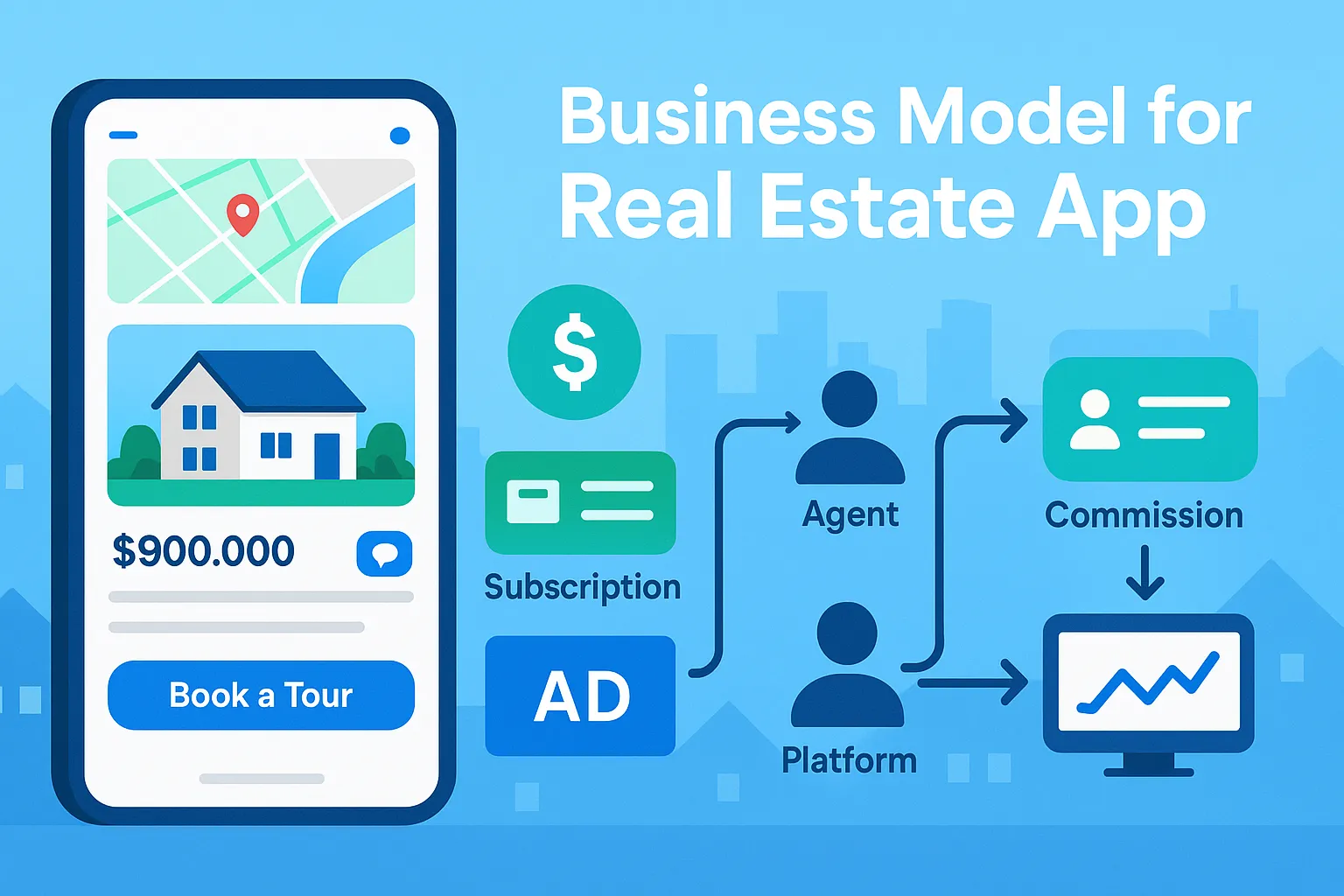
Think of it like dating apps—basic access is free, but boosting your profile? That’ll cost you. Property owners and agents can list for free, but premium exposure, highlighted spots, and homepage banners bring in solid revenue.
2. Subscription Packages for Agents (B2B)
Brokers and agencies are charged monthly or yearly fees for access to tools like advanced analytics, CRM dashboards, buyer leads, and priority listing access.
3. Lead Selling Model
Apps collect buyer data and preferences, then sell these warm leads to real estate agents or developers. It’s like matchmaking, but high-stakes and high-value.
4. Commission Cut on Closures
For apps that go a step beyond and facilitate transactions (especially in rentals), they may charge a fixed percentage from landlords or agents once a deal is sealed.
5. In-App Advertising
Property developers, furniture brands, and even moving companies love placing contextual ads. Think Google Ads, but ultra-targeted for house hunters.
Niche Add-ons That Drive Extra Cash
Virtual Tours as a Service
Instead of static photos, users can pay to get immersive video tours produced by the platform or partner vendors.
Legal and Documentation Services
For a fee, users can get access to lawyer-verified agreements, sale deed templates, and stamp duty calculators.
White-labeled SaaS Tools
Some apps sell their backend platform tech to other startups or real estate agencies wanting to run their own listing portals.
Who Are the Main Players and What Sets Them Apart?
| App Name | Target Market | Unique Feature | Monetization Focus |
| Zillow | USA | Zestimate (price estimator) | Lead generation, ads |
| MagicBricks | India | Local agent verification | Subscription, ads |
| Redfin | USA | In-app agents | Commission, premium plans |
| NoBroker | India | Peer-to-peer rentals | Freemium + service layers |
Current Challenges in Monetizing Real Estate Apps
Trust and Transparency
Fake listings and shady brokers can erode user trust faster than a collapsed ceiling. Apps are investing in KYC, badges, and user reviews.
Regulatory Hurdles
Laws differ drastically between states, cities, and countries—making scalability a logistical nightmare.
Platform Overload
As new features pile on, keeping the UX clean is tricky. You don’t want a home-hunting app to feel like a CRM.
Conclusion:
Real estate apps in 2025 aren’t just cool tech—they’re economic ecosystems. From solo renters to massive property firms, they serve everyone while cashing in through layered monetization models. If you’re building in this space or investing, understanding these models isn’t optional—it’s survival.
The next wave? Expect more AI-driven insights, blockchain-based contract handling, and maybe even property transactions in crypto. Yup, the future is knocking—and it’s ringing the smart doorbell. Got an idea for a property app and want to bring it to life? Contact Miracuves to get expert help and a customized plan.
FAQs
Q1. How do free users generate revenue for these apps?
Even free users contribute data and activity patterns that help apps refine targeting, which is gold for advertisers and lead-selling.
Q2. Are all real estate apps based on the freemium model?
Not really. Some are pure B2B SaaS platforms or take a transactional fee per closure instead.
Q3. Do users really pay for premium listing?
Oh, yes. Especially in competitive cities. Visibility = faster sales.
Q4. What’s the most profitable revenue stream?
Lead selling and subscriptions are currently the cash cows, followed closely by targeted ads.
Q5. Can a new app compete with giants like Zillow?
Sure—if it nails a niche. Think rentals for students, luxury-only listings, or hyperlocal data insights.
Q6. What tools can help manage such an app?
Backend CRMs, AI-matching algorithms, cloud storage for media, and digital KYC systems are foundational.