


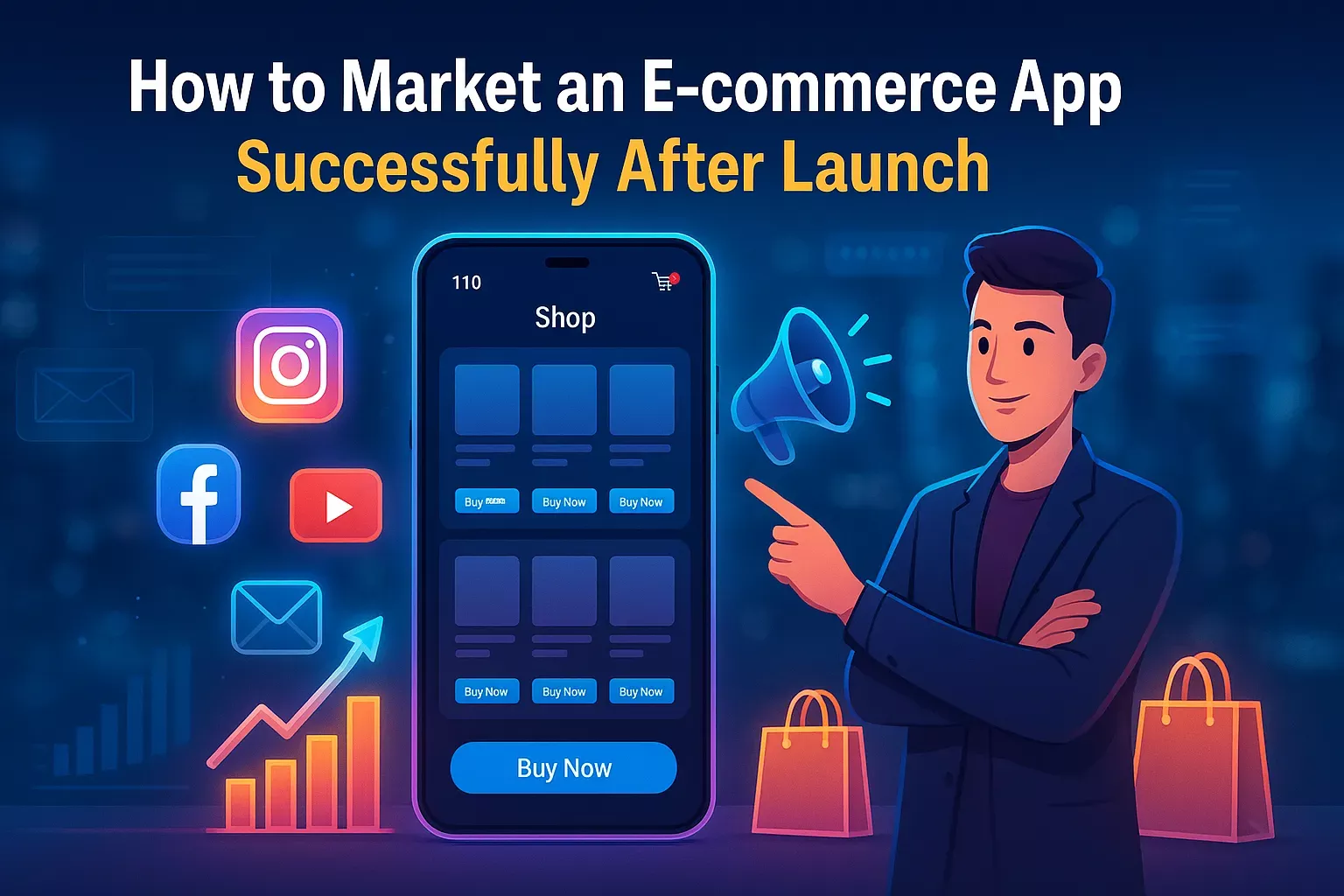
Launching your e-commerce app is a huge milestone—but let’s be real, it’s just the beginning. In 2025, simply getting your app on the App Store or Google Play doesn’t mean customers will come flocking. Competition’s brutal, user attention spans are short, and there’s probably a dozen apps like yours already vying for the same digital shelf space. So, how do you break through the noise? That’s where smart, strategic, post-launch marketing comes in.
I remember consulting for a startup that spent over a year building their e-commerce platform, poured thousands into development, and then… crickets. Downloads stalled. User churn was sky-high. They hadn’t planned how to actually get users on board, keep them engaged, and turn them into buyers. Sound familiar?
This blog is your battle plan. Whether you’re a startup founder, solo entrepreneur, or growth marketer, I’ll walk you through real-world, actionable tactics to grow your app audience. We’re not talking fluffy advice—you’ll get strategies for app store optimization (ASO), user retention, influencer plays, email hooks, and paid ads that actually convert.
So grab your metaphorical marketing armor and stick around. If you’ve launched your e-commerce app (or are about to), you’ll want to read this till the end. Because getting downloads is one thing. Building a thriving user base that shops, shares, and stays? That’s the real win.
If you’re still at the product development stage, check out Miracuves—we help startups and entrepreneurs build robust, launch-ready e-commerce platforms.
Why Marketing Your E-commerce App After Launch Matters
The App Graveyard Is Real
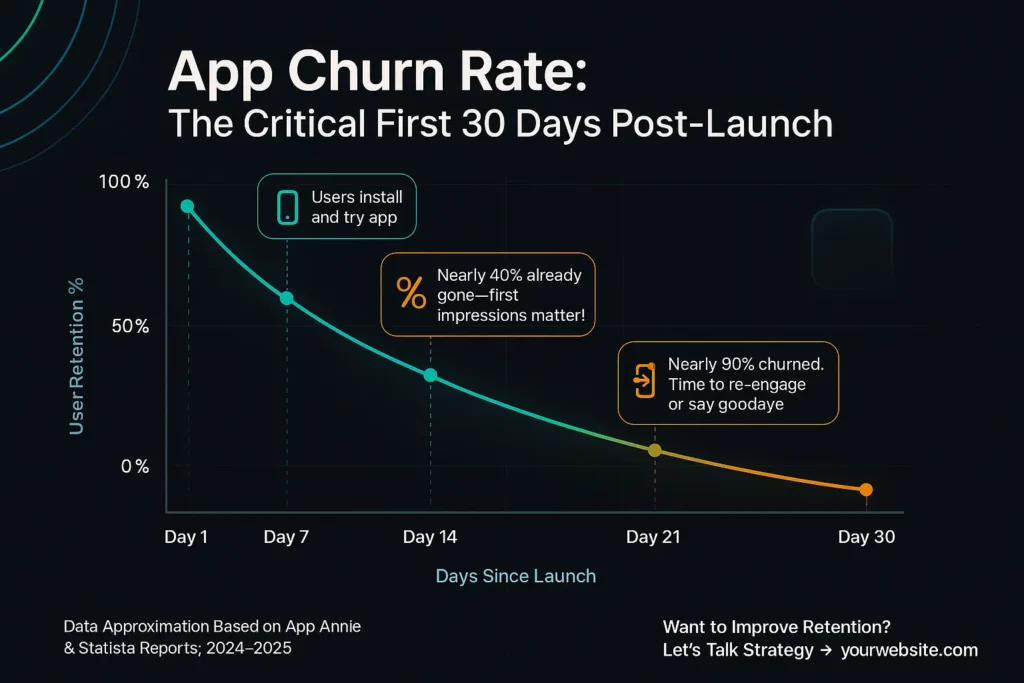
There are over 5 million apps available across app stores—but guess what? Most die a quiet death after launch. Why? No users. Poor reviews. Zero discoverability. Marketing isn’t optional anymore—it’s survival fuel.
Users Don’t Just “Find You”
Sure, you’ll get a few organic downloads here and there, but without serious marketing muscle, your app won’t hit critical mass. You need to create demand—through targeted ads, social buzz, and killer onboarding flows.
Step-by-Step E-commerce App Marketing Plan
1. Optimize Your App Store Listings (ASO)
You know SEO, right? This is ASO—App Store Optimization. Nail your title, keywords, and screenshots. Your description should scream benefits, not boring features.
- Use emotional hooks (“Shop Like a VIP” vs. “Online Shopping App”)
- Include videos or gifs showing how the app works
- Focus on lifestyle, not just functionality
2. Launch With Influencer Firepower
Nano and micro-influencers are your best bet. They’re affordable, relatable, and have engaged followings. Find creators who already align with your niche—fashion, fitness, eco-lifestyle, you name it.
- Run unboxing campaigns
- Use affiliate promo codes
- Get them to show app usage live
Bonus tip: Cross-promote their content on your email, socials, and app push.
3. Use Referral Loops (Viral Hooks)
Word of mouth still slaps. Build referral rewards into your app:
- “Give $10, Get $10”
- “Share and unlock VIP access”
- “Invite 3 friends, get 20% off”
The trick? Make sharing dead simple. Think: WhatsApp, Instagram DM, SMS—all one tap.
4. Retarget Like a Pro
Got people who downloaded but didn’t buy? Time to retarget. Use platforms like Facebook Ads Manager or Google Ads to set up:
- Abandoned cart reminders
- “Hey, we miss you” nudges
- Personalized product promos
And yes, dynamic ads (showing the exact product they viewed) still work like magic.
5. Email + Push = Engagement Power Duo
Don’t just blast promo codes. Send helpful stuff: order updates, wish list reminders, trending picks. Segment your audience like a DJ curating vibes:
- New users = onboarding sequence
- Inactive users = re-engagement drip
- Big spenders = VIP perks
Push notifications? Use sparingly. And time them smartly (not at 3 AM!).
Challenges to Watch Out For
Privacy Regulations
Users are fed up with data misuse. You need GDPR/CCPA-compliant systems and clear opt-in flows. Trust = currency.
High Ad Costs
CPCs are going up, and Facebook isn’t the only game in town anymore. Platforms like Reddit, Pinterest, and even TikTok Ads are emerging as underpriced attention hotspots. According to SensorTower’s 2025 App Marketing Trends, user acquisition costs rose 15% YoY, pushing brands to diversify spend and optimize ROI across platforms.
User Fatigue
People install, browse, then ghost. Combat this with delightful UX and personalized nudges.
Conclusion: Play the Long Game
Marketing your e-commerce app isn’t a sprint—it’s a marathon with pit stops for analytics, creative refreshes, and community love. If you’re serious about turning installs into long-term engagement, now’s the time to review your retention flows, test new outreach strategies, and get expert feedback before scaling further.
FAQs
Q1. What’s the best time to start marketing?
Start pre-launch with teasers and waitlists, then go all-in post-launch with ASO, paid campaigns, and influencer buzz.
Q2. Do I need to be on every social media platform?
Nope. Pick 2-3 where your users hang out. Quality > quantity.
Q3. Should I offer app-exclusive discounts?
Absolutely. It’s a great incentive to drive app downloads and purchases.
Q4. How much should I spend on ads initially?
Test with $500–$1,000/month across 2–3 channels. Double down on what works.
Q5. How often should I update the app?
Push updates monthly, especially early on. Squash bugs fast and keep it fresh.
Q6. What’s the biggest mistake to avoid?
Launching without a retention plan. A flashy app is useless if no one comes back.