



Key Takeaways
What You’ll Learn
- Developing a neobank app can be expensive, but the actual cost depends heavily on features, compliance, and technology choices.
- Basic MVP neobank apps are more affordable and allow startups to launch and validate faster.
- Advanced neobank platforms require high investment due to security, KYC, AML, and regulatory requirements.
- Infrastructure and integrations such as payment gateways, banking APIs, and card systems significantly impact cost.
- The smartest approach is to start lean, validate the market, and scale with advanced features over time.
Real Insights
- Cost is driven more by compliance than features, as security and regulation are mandatory in fintech.
- Building everything from scratch increases risk in both budget and time-to-market.
- API-based infrastructure reduces development effort by leveraging existing banking and payment systems.
- Choosing the right development partner can significantly impact both cost efficiency and product quality.
- The most successful neobank startups balance cost, speed, compliance, and scalability instead of over-investing early.
Let’s cut to the chase—if you’ve been flirting with the idea of launching a neobank app, you’ve probably wondered: “Is this going to burn a hole in my pocket?” The truth? It depends. I’ve seen startups blow six figures before they even find product-market fit, while some bootstrapped founders manage to hack together MVPs for a fraction of the cost. It’s like shopping for a car—sure, you can go for the flashy sports model, but do you need it, or is a reliable sedan good enough for now?
The rise of neobanks isn’t a fluke. It’s a byproduct of the mobile-first, on-the-go generation that’s tired of clunky banking apps and outdated services. From freelancers juggling side gigs to Gen Z creators building personal brands, everyone craves faster payments, simpler interfaces, and that elusive “wow” factor. And yes, there’s money in it—Statista predicts the neobank market could hit $722 billion by 2028. That’s no small change.
But here’s the kicker: while the opportunities are vast, so are the challenges. From compliance headaches to UI design snags, the development journey isn’t always smooth sailing. At Miracuves, we’ve been in the trenches, helping startups and creators build lean, mean, fintech machines that don’t just look good but work. Let’s break down the real costs, the hidden traps, and how to stretch your budget without cutting corners.
Why Are Neobank Apps So Popular? The Market’s Shiny New Toy
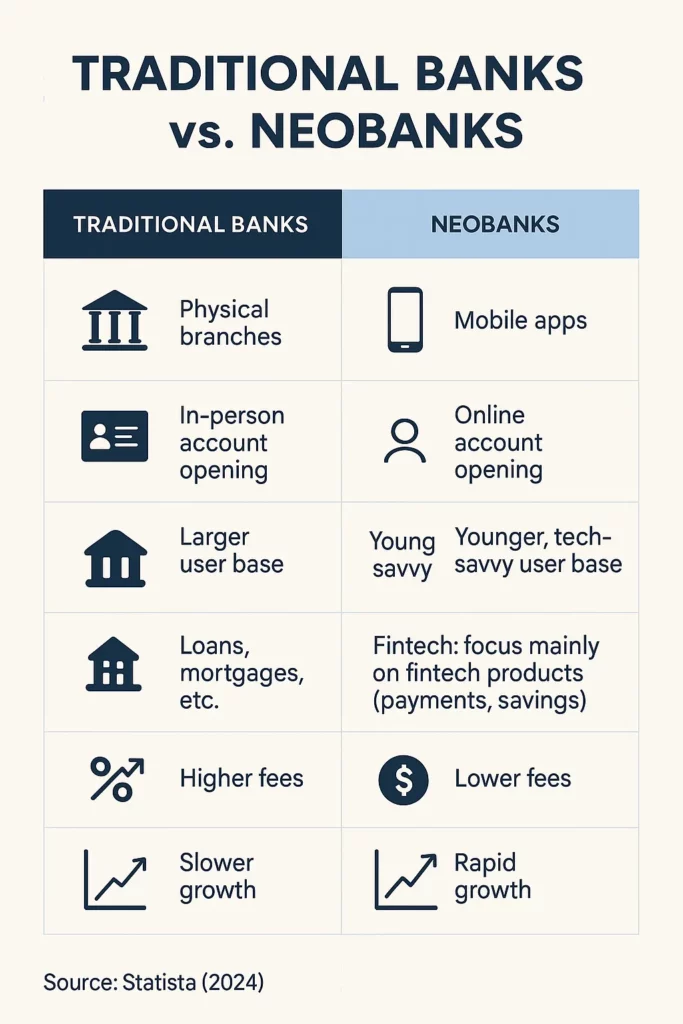
Let’s face it—traditional banks are like your grandpa’s rotary phone in a world of iPhones. People want instant transfers, savings insights, and even AI-driven spending tips—and they want it yesterday. That’s where neobanks shine: they blend financial services with slick, mobile-first design, ditching the brick-and-mortar legacy.
Think Monzo, Revolut, N26—these aren’t just apps; they’re experiences. They simplify banking, gamify saving, and often throw in goodies like cashback rewards or budgeting tools. The trick is: building a neobank isn’t just about slapping together a payments gateway. It’s about creating an ecosystem of features—like KYC, account management, analytics, and even crypto integrations.
How Much Does It Really Cost to Develop a Neobank App?
Ah, the million-dollar question (sometimes literally). The cost of building a neobank app can swing wildly depending on your approach. Let’s break it down:
1. Core Features—What You Can’t Skip
Your MVP (Minimum Viable Product) should include:
- User registration & KYC onboarding (regulations, remember?)
- Digital wallets & payment gateways (Stripe, Razorpay, etc.)
- Transaction history & analytics dashboards
- Security & compliance layers (think PCI-DSS, GDPR)
- In-app notifications & support chat
Read more: Must-Have Features in a Neobank Clone App
2. Design & User Experience—Looks Matter
Let’s be honest—no one wants to bank on an ugly app. A smooth UX with intuitive flows can make or break user retention. A well-designed interface, tailored for smartphones, costs anywhere. Want custom animations, seamless transitions, or that buttery-smooth swipe? That’ll add up.
3. Backend Development & APIs—The Engine Room
Neobank apps aren’t just pretty faces; they’re powered by complex APIs, third-party integrations, and server infrastructure.
- Your tech stack (Flutter? React Native? Kotlin?)
- Cloud hosting (AWS, GCP, or Azure)
- The number of external services you plug in (Plaid, Twilio, etc.)
4. Compliance & Security—Not Optional
This is the part many underestimate. Building a neobank means dealing with financial regulations, KYC/AML compliance, and data privacy laws.
CB Insights on neobank regulatory challenges:
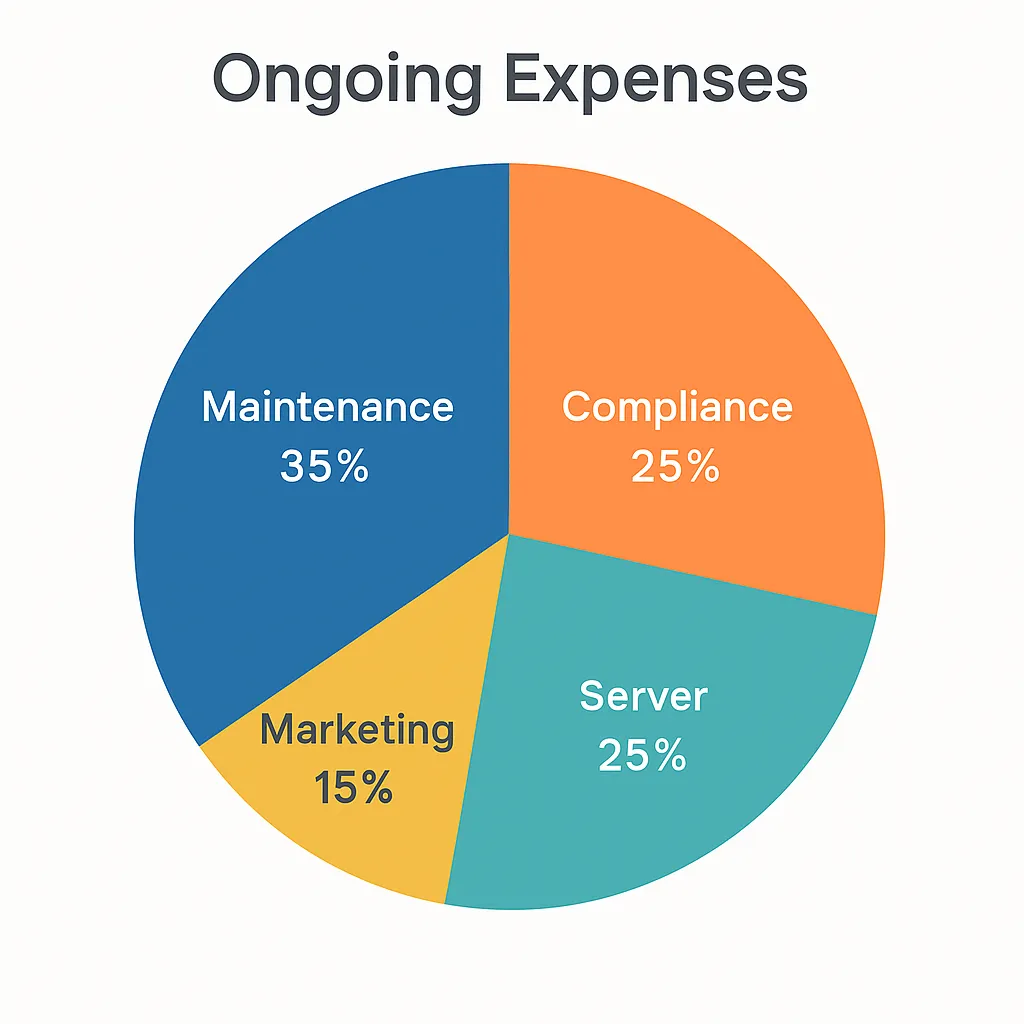
5. Ongoing Costs—The Hidden Monsters
Even after launch, there’s no coasting. Expect monthly server costs, security audits, feature updates, and customer support expenses to bite into your budget. A good rule of thumb? Set aside 15–20% of initial development costs per year for maintenance.
Global Cost Factors & Pricing Breakdown
PHP/Laravel is often the most practical choice for launching a neobank quickly and affordably. Node.js/Python is better suited for real-time financial systems and advanced integrations, while microservices architecture is ideal for enterprise-scale digital banking platforms with high security and scalability requirements.
Miracuves Neobank-Like App Solution Cost and Tech Stack
Miracuves Pricing for a Neobank (Digital Banking) Platform developed in PHP/Laravel with Flutter Apps for $6,999 USD (One-Time Price) in just 6 days
Get a fully developed, deployment-ready platform modeled for modern digital banking. Built on a reliable PHP/Laravel backend with Flutter mobile apps, this complete solution helps you launch and scale a neobank quickly and efficiently.
- Core Workflows: User onboarding, KYC verification, digital wallet management, fund transfers, transaction history, and customer communication.
- Built-in Operations: Pricing logic, transaction processing, payment gateway integrations, account management, and financial workflow handling.
- Management Hub: Centralized admin panel to manage users, transactions, KYC approvals, financial activities, compliance monitoring, and overall platform operations.
- Launch-Ready: Fully prepared for your branding, configuration, and immediate go-to-market execution.
Why is it so affordable?
Most modern digital banking platforms are built using complex architectures like Node.js or microservices. While powerful, these approaches require large engineering teams, longer timelines, and significantly higher development costs.
We took a smarter and more practical approach:
- You Aren’t Paying for Ground-Up Development: Our fintech engine is already developed, tested, and ready to deploy. You skip months of development time and avoid the high costs of building from scratch.
- The Power of PHP / Laravel: Built on one of the most trusted and widely used frameworks globally, this solution keeps upfront costs low while ensuring long-term flexibility. With a large developer ecosystem, it becomes easier and more cost-effective to maintain, scale, and customize your platform.
- Built for Practical Growth: You get a strong, market-ready neobank platform with essential features like KYC workflows, transaction handling, and user account management—without the complexity and expense of enterprise-level builds.
You get a scalable, production-ready platform without paying inflated development costs.
Note: This cost is for the solution, re-branding, deployment, and source code only.
Can You Build a Neobank App on a Budget?
Absolutely—but it’s all about prioritizing. Don’t get caught up in shiny features you don’t need at launch. Focus on a lean MVP, test your market, and scale features once you know what users actually want. Remember: Moj didn’t start with filters; they added those once they had traction.
At Miracuves, we’ve helped clients build cost-effective neobank clones that punch above their weight—without breaking the bank. Whether you’re eyeing a full-featured platform or a sleek MVP, we tailor solutions that match your go-to-market strategy.
Want to see how we helped others? Check out our Clone App Development.
Read more: Reasons startup choose our neobank clone over custom development
Final Thoughts
Building a neobank app isn’t cheap—but it’s also not a luxury reserved for the deep-pocketed few. By understanding the real costs, making smart choices, and working with the right partner, you can build a neobank that’s lean, user-focused, and ready to disrupt the market.
At Miracuves, we help innovators launch high-performance app clones that are fast, scalable, and monetization-ready. Ready to turn your idea into reality? Let’s build together.
FAQs
Q:1 Do I need a license to launch a neobank?
Yes. In most countries, you’ll need a banking or EMI license. This is a critical part of your go-to-market plan.
Q:2 Can I start small and add features later?
Absolutely. Many successful neobanks launch with a core feature set and expand based on user feedback.
Q:3 Is it better to build from scratch or use a white-label solution?
If speed is your goal, white-label is a great option. For a fully customized, unique brand, building from scratch makes sense.
Q:4 What are the hidden costs in neobank development?
Compliance, third-party integrations, and ongoing maintenance costs often catch founders off guard. Always budget for the unexpected.
Q:5 Can Miracuves help with compliance and legal support?
While we’re not a legal firm, we partner with experts who can guide you through KYC, AML, and data privacy requirements during development.
Related Articles: