


Key Takeaways
What You’ll Learn
- Bumble is a dating and social networking app that connects users through matching and communication.
- The platform uses swipe-based matching, allowing users to like or skip profiles quickly.
- Matches occur only when both users show interest, ensuring mutual connections.
- Women-first messaging is a core feature, where one side initiates the conversation.
- Bumble supports multiple modes including dating, friendship, and networking within one app.
Stats That Matter
- Swipe-based interfaces increase engagement by simplifying discovery.
- Dating apps have a large global user base, showing strong demand.
- Women-first interaction improves control and safety in communication.
- Multi-purpose apps increase retention by offering multiple use cases.
Real Insights
- Mutual matching is the core interaction model, improving connection quality.
- The women-first approach creates differentiation in a competitive market.
- Simple UX drives daily engagement and repeat usage.
- Combining features increases user retention and platform stickiness.
- A successful Bumble-like app connects discovery, interaction, and trust into one system.
Remember those awkward days when dating apps felt like a wild west of weird bios and ghosting galore? Yeah, Bumble flipped the script. Picture this: a dating app that lets women make the first move. Revolutionary? Absolutely. But it didn’t stop at romance — Bumble now helps people find friends and even business connections. Swipe right on innovation, folks.
If you’re a creator or entrepreneur thinking, “Hey, I could build something like this,” you’re in good company. Bumble isn’t just a matchmaking app — it’s a multi-purpose, multi-billion dollar brand with a fiercely loyal user base. And with the right angle, your idea could be the next buzzworthy platform.
Curious how Bumble became the queen bee of connection apps? Let’s break it down — and if you’re considering launching your own Bumble clone, Miracuves has your back with custom development solutions that are fast, monetization-ready, and downright lovable.
What Exactly is Bumble?
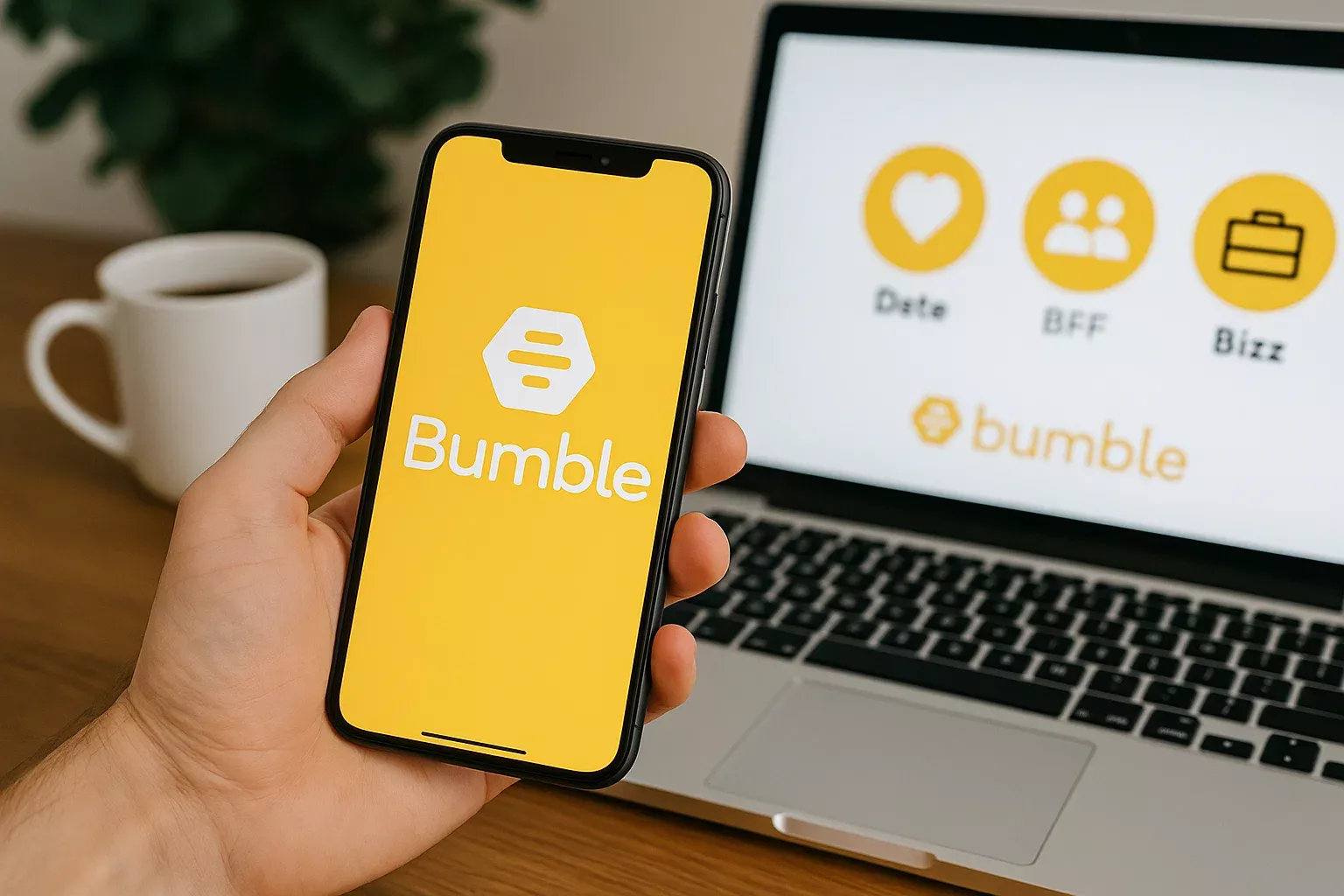
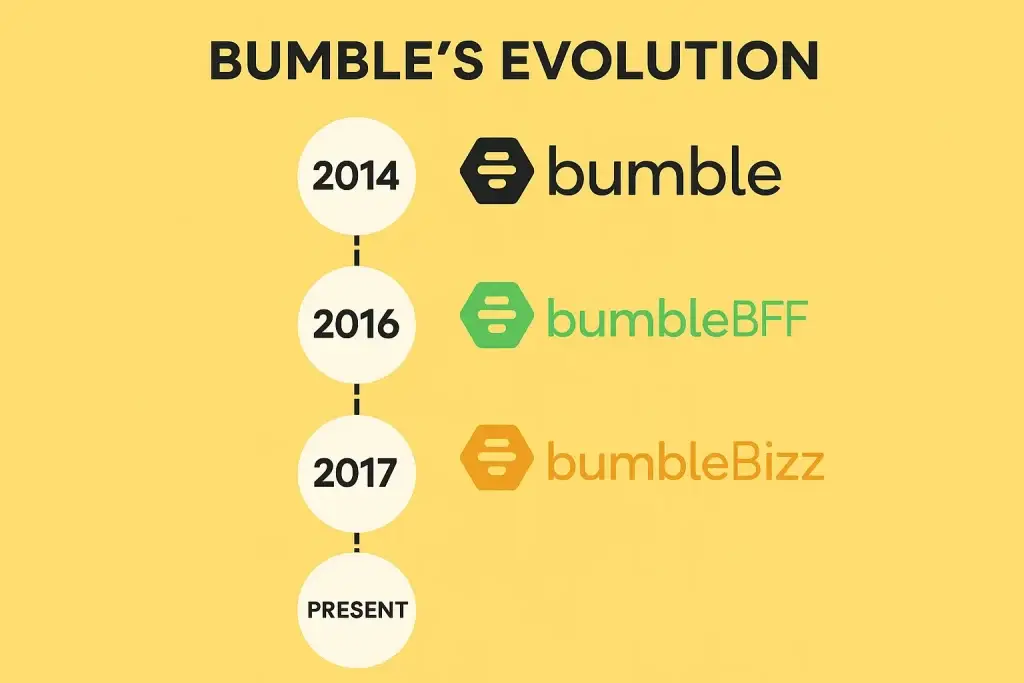
Bumble is a social networking app with a twist — it started as a dating app where only women can initiate conversations. Over time, it evolved into a 3-in-1 platform:
- Bumble Date – Romantic matches
- Bumble BFF – Friend-finding mode
- Bumble Bizz – Professional networking
Launched in 2014 by Whitney Wolfe Herd (former Tinder co-founder), Bumble was designed to empower women in online dating and digital communication. It took the typical “match and chat” model and gave it a thoughtful, boundary-pushing edge.
Global Cost Factors & Pricing Breakdown
PHP/Laravel is often the most practical choice for launching a dating app quickly and affordably. Node.js/Python supports real-time interactions and engagement, while microservices architecture is ideal for large-scale platforms.
Miracuves Bumble-Like App Solution Cost and Tech Stack
Miracuves Pricing for a Bumble-Like App developed in PHP/Laravel with Flutter Apps for $3,399 USD (One-Time Price) in just 6 days
Get a fully developed, deployment-ready platform modeled after the Bumble-style dating and social networking model. Built on a reliable PHP/Laravel backend with Flutter mobile apps, this complete solution helps you launch and scale a modern dating app quickly and efficiently.
- Core Workflows: User registration, profile creation, swipe-based matching, chat initiation (women-first logic if needed), messaging, and user interaction.
- Built-in Operations: Matching algorithm setup, profile management, subscription logic, notification system, moderation tools, and payment handling for premium features.
- Management Hub: Centralized admin panel to manage users, matches, reports, subscriptions, conversations, and overall platform activity.
- Launch-Ready: Fully prepared for your branding, configuration, and immediate go-to-market execution.
Why is it so affordable?
Most modern dating platforms are built using complex architectures like Node.js or microservices. While powerful, these approaches require large engineering teams, longer timelines, and significantly higher development costs.
We took a smarter and more practical approach:
- You Aren’t Paying for Ground-Up Development: Our dating app engine is already developed, tested, and ready to deploy. You skip months of development time and avoid the high costs of building from scratch.
- The Power of PHP / Laravel: Built on one of the most trusted and widely used frameworks globally, this solution keeps upfront costs low while ensuring long-term flexibility. With a large developer ecosystem, it becomes easier and more cost-effective to maintain, scale, and customize your platform.
- Built for Practical Growth: You get a strong, market-ready Bumble-like app with essential features like swipe matching, real-time chat, and user engagement systems—without the complexity and expense of enterprise-level builds.
You get a scalable, production-ready platform without paying inflated development costs.
Note: This cost is for the solution, re-branding, deployment, and source code only.
How Bumble Works: A Quick Breakdown
Sign-Up & Profile Creation
Users sign up using their phone number or Facebook account, then set up a profile by uploading photos, writing a bio, and selecting preferences. Bumble also lets users verify their profile with a selfie — a nice touch in an age of catfishing.
Also Read :-Best Bumble Clone Scripts in 2025: Features & Pricing Compared
Matching Logic & User Experience
- Users swipe right to like, left to skip
- When two users like each other, it’s a “match”
- In heterosexual matches, only women can send the first message
- In same-gender or Bizz/BFF modes, either party can initiate
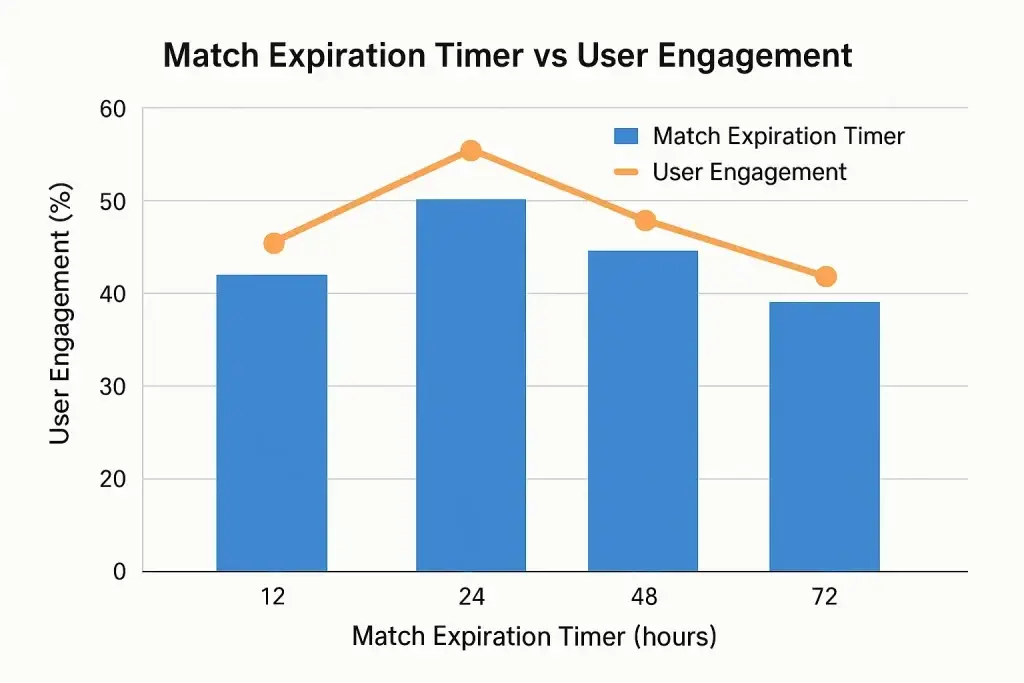
- If no message is sent within 24 hours, the match expires
That ticking clock adds urgency — and keeps users coming back. This “limited time offer” vibe is one of Bumble’s secret weapons.
Three Modes, Three Markets
1. Bumble Date
Swipe. Match. Chat. Repeat. It’s your classic dating experience — but with a modern, feminist twist.
2. Bumble BFF
Want to find gym buddies, book club pals, or new friends after a move? BFF mode helps you find platonic connections. It’s perfect for Gen Z and Millennials who move frequently or want to expand their social circle.
3. Bumble Bizz
Think of it as LinkedIn with less suits and more real talk. Users can network, find collaborators, or seek mentorships.
Bumble’s Business & Monetization Model
Bumble makes money — a lot of money. According to TechCrunch, it crossed $900 million in revenue in recent years, thanks to:
1. Freemium Model
The app is free, but offers premium features like:
- Spotlight (get seen first)
- SuperSwipes (let them know you’re serious)
- Travel mode
- Rematch after expiration
2. Subscription Tiers
- Bumble Boost: See who liked you, extend matches, etc.
- Bumble Premium: Everything Boost offers + incognito mode, unlimited swipes
3. In-App Purchases & Ads
While the app isn’t ad-heavy (yet), there are occasional branded campaigns and in-app purchase bundles that boost visibility or give extra features.
Want to build an app like Bumble?
Dive into Bumble’s commission-free, user-led revenue model and find out what makes its business model so scalable and brandable.
Tech Behind the Buzz
AI & Matching Algorithms
Bumble uses behavioral data and AI to improve match suggestions — learning what users swipe on and adjusting accordingly. It also deploys machine learning to moderate content and flag inappropriate behavior.
Geolocation and Real-Time Engagement
Location-based swiping is key. So is in-app real-time engagement (like countdown timers, nudges, and push notifications) to keep dopamine flowing.
What Makes Bumble Different?
Let’s get honest — there are tons of dating apps. But Bumble stands out because of:
- Female-first design — unique power dynamic
- Multi-functionality — date, friend, biz
- Modern UX/UI — polished, emoji-friendly, Gen-Z-ready
- Safety-first culture — photo verification, harassment detection, block/report tools
It’s not just a tech product — it’s a brand with personality. That’s what today’s users vibe with.
Want to Build a Bumble Alternative?
Whether you’re targeting Gen Z daters, solo travelers looking for friends, or niche networking circles — a Bumble-style app opens three markets in one shot. That’s huge.
At Miracuves, we help entrepreneurs, creators, and digital brands build high-performance dating, friendship, and networking apps — all under one roof. From intuitive matching logic to scalable architecture and sleek design, we’ve got your MVP (and monetization!) covered.
Explore the standout features and bold marketing strategy that helped Bumble redefine the online dating experience.
Conclusion
Bumble redefined what a dating app can be — social, respectful, and multi-dimensional. From romance to career growth, it’s not just about swipes; it’s about meaningful connections.
If you’ve got an idea buzzing in your head, don’t wait. The future of networking is swipeable, chat-driven, and mobile-first.
At Miracuves, we help innovators launch high-performance app clones that are fast, scalable, and monetization-ready. Ready to turn your idea into reality? Let’s build together.
FAQs
Is Bumble only for dating?
Nope! Bumble has three modes: Date, BFF, and Bizz — covering dating, friendship, and professional networking.
How does Bumble make money?
Through premium subscriptions, in-app purchases, and occasional brand partnerships.
What happens if I don’t message a match?
In Date mode, if you don’t send the first message within 24 hours, the match expires. But you can rematch using paid features.
Can men message first on Bumble?
In heterosexual matches — no. Women message first. In same-gender matches or BFF/Bizz, anyone can initiate.
How is Bumble different from Tinder?
Tinder is primarily dating-focused and allows either party to message first. Bumble emphasizes women-first interactions and adds friend and business modes.
Can I build an app like Bumble for a niche audience?
Absolutely! Whether it’s for pet lovers, gamers, or expats — Miracuves can help you launch your custom social connection app.