


Ever had that “Oh no, I forgot the milk!” moment? Or maybe the panic of needing a last-minute gift delivered in under an hour? You’re not alone. In a world where instant gratification is the new normal, hyperlocal delivery services have quietly crept into our daily lives like that neighbor you didn’t know you needed—until they showed up at your door with your groceries, your medicine, or that extra-large pepperoni pizza you swore you wouldn’t order again.
For creators, startups, and entrepreneurs, this surge in hyperlocal delivery isn’t just a convenience—it’s a goldmine. The gig economy, powered by smartphones, GPS tracking, and real-time logistics, is creating a dynamic landscape where delivering “just in time” isn’t just a feature—it’s the whole business model. The trick? Building a platform that connects buyers and local sellers with lightning speed and frictionless UX, while keeping margins juicy enough to scale. Understanding the right Business Model for On-Demand Hyperlocal Delivery Service is key to making it all work.
And that’s where companies like Miracuves step in—helping ambitious founders turn hyperlocal delivery dreams into high-performance apps that don’t just deliver—they dominate.
What is an On-Demand Hyperlocal Delivery Service?
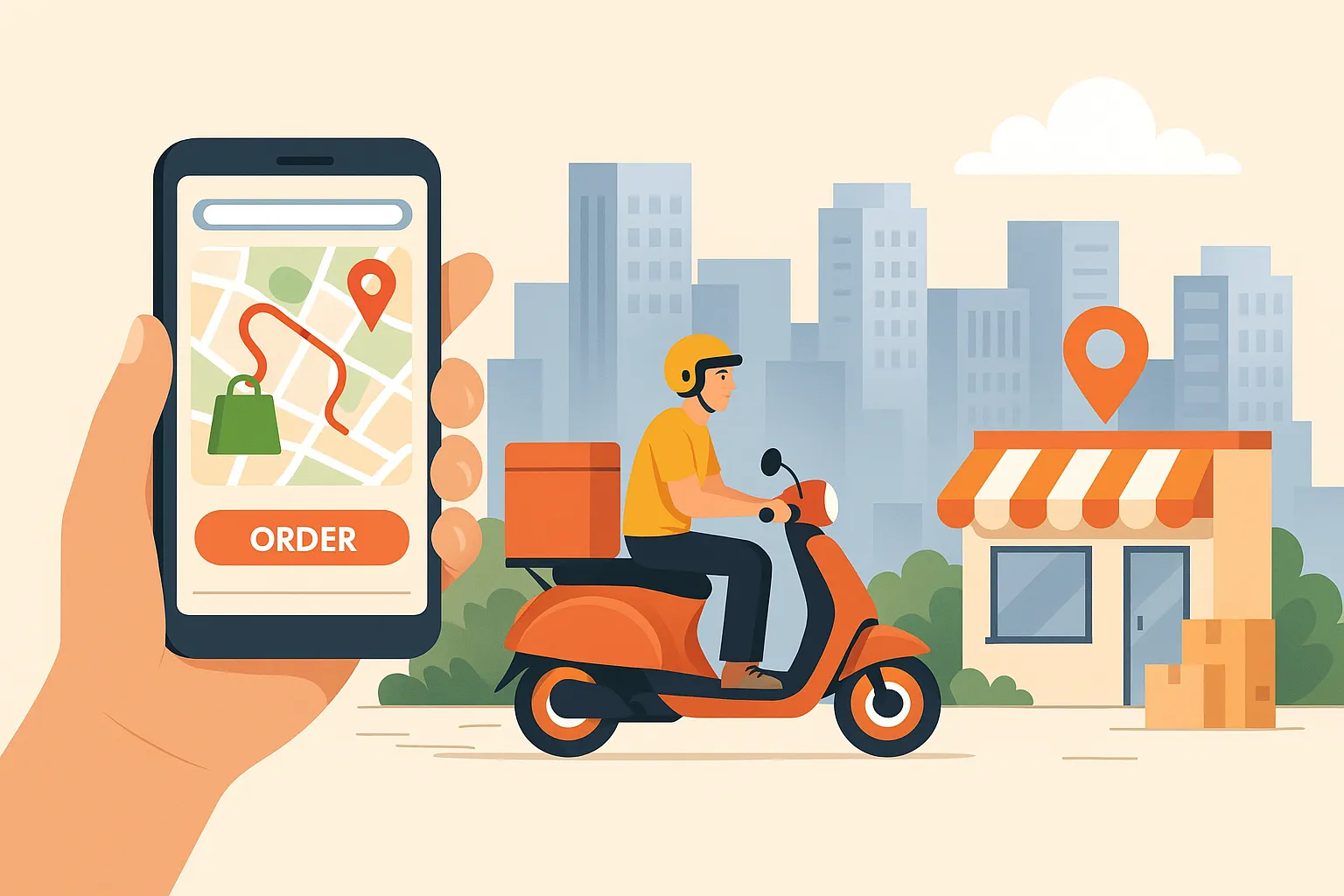
At its core, an on-demand hyperlocal delivery service bridges the gap between local sellers—think florists, grocery stores, pharmacies, and restaurants—and consumers who need products within a specific geographic area, often in under a few hours. Hyperlocal isn’t just local; it’s “right here, right now”—powered by location-based tech, smart algorithms, and a fleet of gig workers zipping through traffic on bikes and scooters.
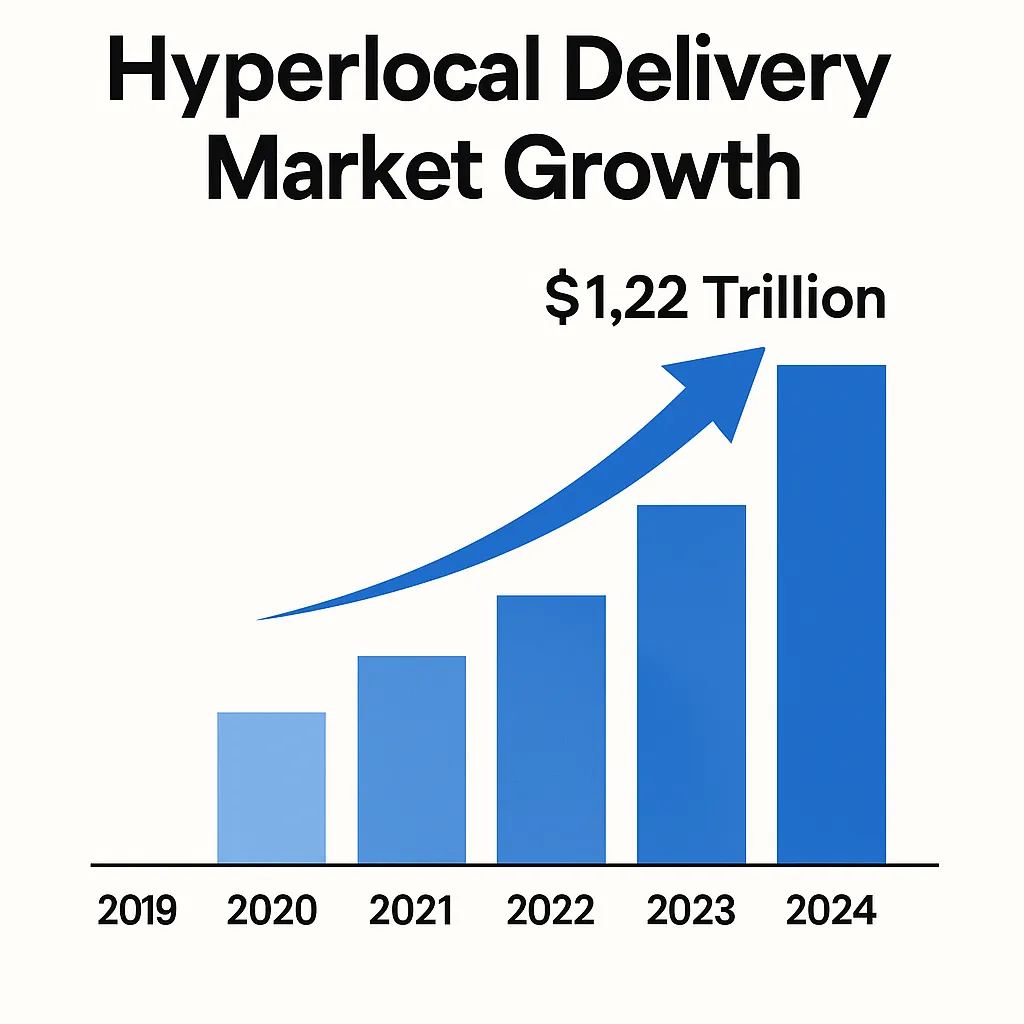
From Instacart in the U.S. to Dunzo in India, the market has seen an explosion of these platforms, fueled by consumer demand for speed and convenience. According to a recent report by Statista, the global online food delivery market alone is projected to reach $1.22 trillion by 2024. That’s trillion with a “T”. Hyperlocal isn’t a trend—it’s the future of commerce in a “get it now” economy.
Read more: How to Develop an On-Demand Hyperlocal Delivery Service App
Core Components of a Hyperlocal Delivery Business Model
The Platform: Your Digital Bridge
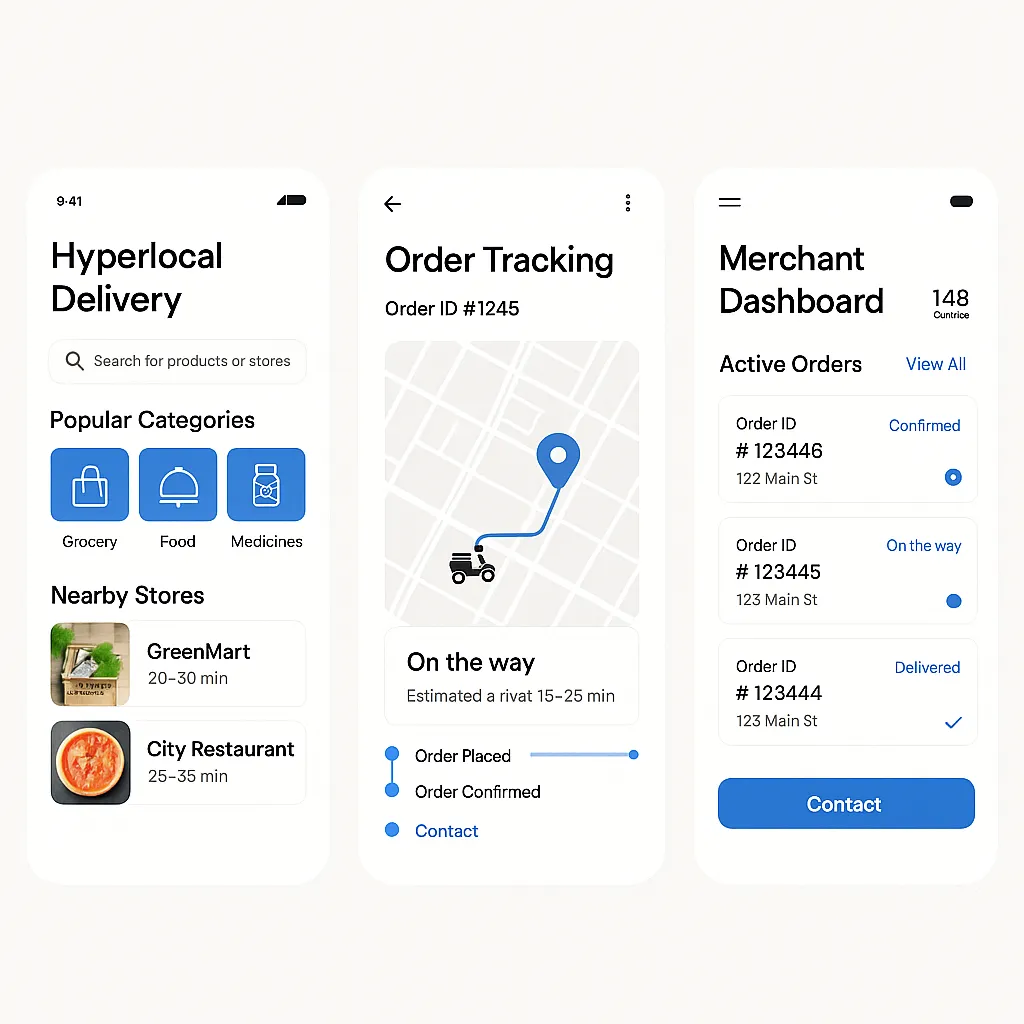
At the heart of it all is the mobile-first platform—a web or app interface connecting local businesses to customers. Think of it like a matchmaking service for needs: “You want a cake at 5 PM? Here’s a bakery two blocks away.”
Key Features to Build:
- Real-time inventory sync with merchants
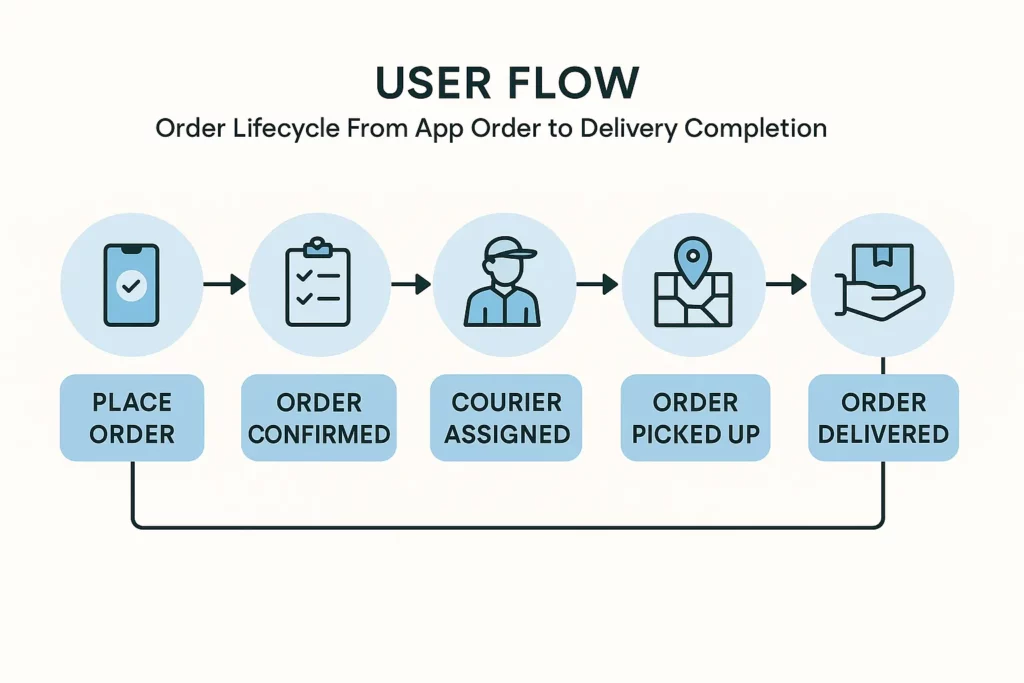
- Order tracking and ETA updates
- In-app chat and customer support
- Ratings & reviews for service quality
- Integrated payments with multiple gateways
The Fleet: Your Delivery Backbone
Your delivery partners—whether gig workers, freelancers, or part-timers—are your operational muscle. A dynamic driver management system is critical to balance supply and demand.
Considerations:
- Route optimization algorithms
- Delivery slot management
- Payouts and incentives to retain drivers
- Compliance with local labor laws
Many platforms offer hybrid models, allowing businesses to use their own staff for deliveries during peak hours while outsourcing the rest.
Revenue Streams: Where the Money Flows
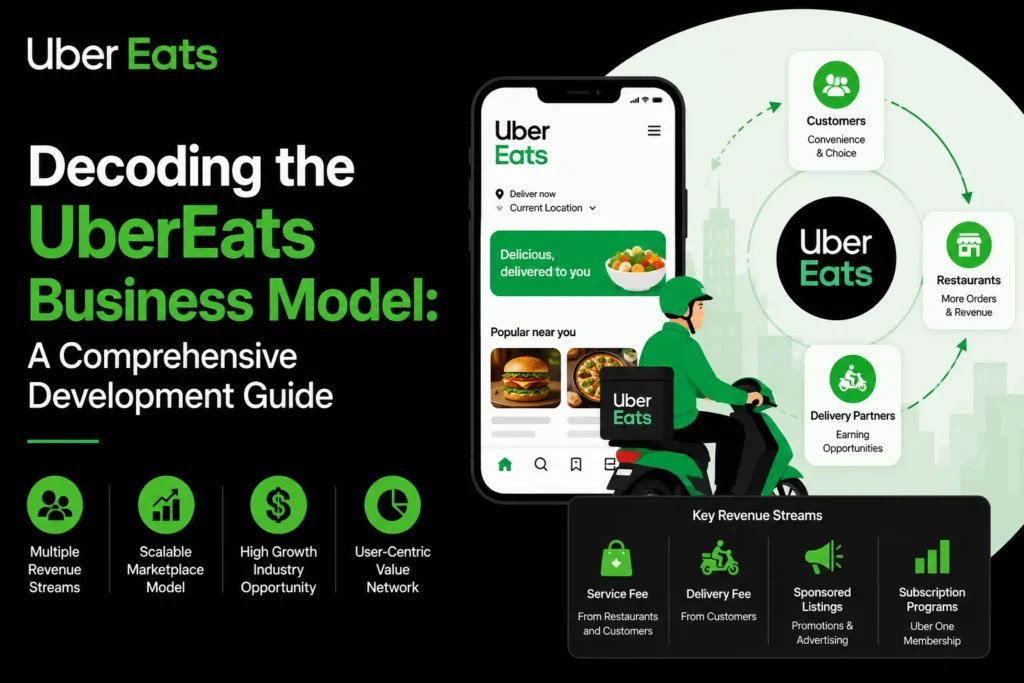
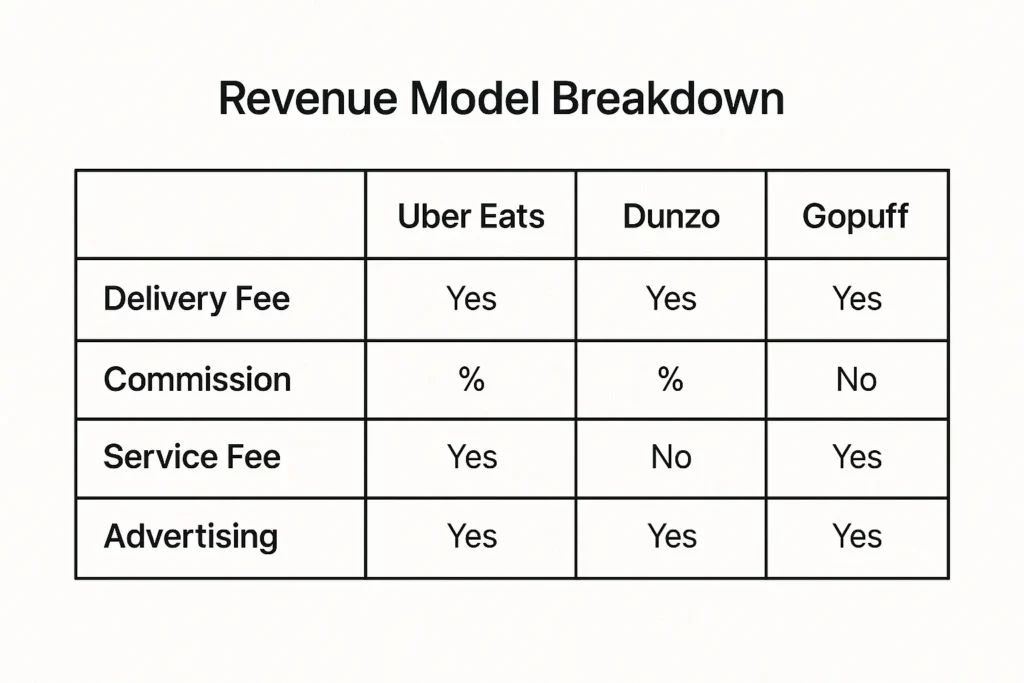
Let’s talk cash. A hyperlocal delivery app typically makes money through:
- Commission per order from merchants
- Delivery charges paid by customers
- Surge pricing during peak hours
- Subscription models for premium customers
- Ads & featured listings for businesses
For example, Swiggy and Zomato generate a significant chunk of revenue from restaurants paying for visibility. The key is balancing monetization without alienating users—a tightrope walk, but when done right, it’s magic.
Read more: Revenue Model for On-demand Hyperlocal Delivery Service
Challenges & Opportunities in Hyperlocal Delivery
Let’s not sugarcoat it—this business is tough. Margins are razor-thin, logistics can spiral, and customer loyalty is as fickle as the weather. But therein lies the opportunity.
Common Challenges:
- Last-mile delivery costs eating into profits
- Reliability of local vendors
- Retention of delivery partners
- Scaling to new geographies
Opportunities:
- Leverage AI and machine learning for demand prediction
- Integrate loyalty programs for customer stickiness
- Tap into hyperlocal niches—like pet care, laundry, or pharmacy delivery
Why the Time is Ripe for Hyperlocal Apps
With smartphones becoming near-ubiquitous and 5G rolling out globally, the infrastructure for hyperlocal apps is stronger than ever. Plus, consumer habits have shifted permanently—once you’ve had groceries delivered in 30 minutes, it’s hard to go back.
For founders, the sweet spot lies in local relevance—understanding the needs of a specific city, town, or neighborhood. That’s how hyperlocal apps thrive where big players struggle.
Curious about building your own hyperlocal delivery app? Check out how Miracuves can help you build your own delivery app that’s fast, scalable, and monetization-ready.
Conclusion
Hyperlocal delivery isn’t just a business model—it’s a way of life in the “I want it now” era. The key is building a robust, user-friendly platform, managing a nimble delivery network, and creating revenue streams that scale.
As consumer expectations continue to rise, the next generation of hyperlocal delivery apps will be faster, smarter, and more integrated than ever.
At Miracuves, we help innovators launch high-performance app clones that are fast, scalable, and monetization-ready. Ready to turn your idea into reality? Let’s build together.
FAQs
Q1: What’s the difference between local and hyperlocal delivery?
Local delivery covers a broad area, while hyperlocal focuses on a specific neighborhood or area within a few kilometers. Think city-wide vs. a few blocks.
Q2: How do hyperlocal delivery apps make money?
Primarily through commissions, delivery fees, surge pricing, ads, and premium subscriptions.
Q3: What are the biggest challenges in hyperlocal delivery?
Last-mile logistics, managing delivery partners, and balancing supply-demand are the top hurdles.
Q4: Can I start a hyperlocal delivery service in a small town?
Absolutely! In fact, smaller markets often have less competition and stronger community ties—huge advantages.
Q5: Do I need a huge fleet to start?
Not necessarily. Many startups begin with a small team and scale up based on demand.
Q6: What tech stack should I consider for building a hyperlocal app?
A mobile-first approach is key—think GPS integration, real-time tracking, scalable backend, and seamless payments. Miracuves can guide you through the technical decisions!
Realted Articles: