


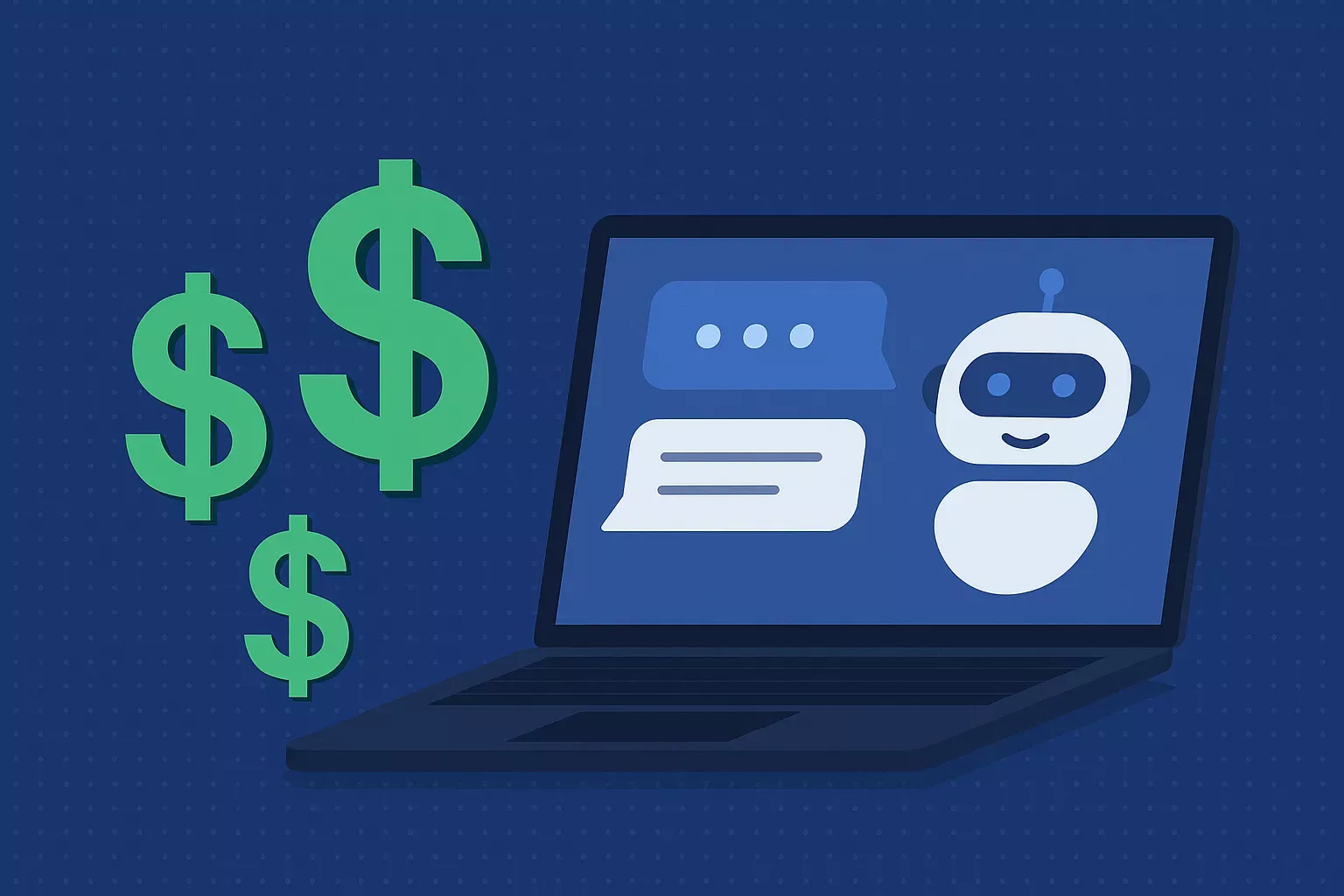
Let’s be real—everyone’s talking about AI chat assistants these days. Whether it’s OpenAI’s ChatGPT stirring up debates or your favorite e-commerce brand using a chatbot to handle customer queries, AI is the thing. And for startups? It’s not just a buzzword. It’s the shiny new toy in the founder’s toolkit, promising to cut support costs, improve engagement, and yes, even help close sales while you sleep. But let’s not kid ourselves—building an AI chat assistant isn’t exactly like setting up a lemonade stand on a summer afternoon.
I’ve seen founders dive headfirst into building an AI chat assistant, assuming it’s a weekend project. Spoiler: It’s not. Between natural language processing, machine learning, and user experience design, you’ll find yourself juggling way more than just code. Plus, costs can sneak up on you like that random surcharge on your food delivery order—you know the one I’m talking about. One minute you’re setting a budget, the next you’re wondering where all the funds went.
So, how much does it really cost to develop an AI chat assistant? And what should startups watch out for? Let’s unpack the numbers, the hidden costs, and a few startup stories that’ll make you feel seen. Oh, and by the way—if you’re looking for an experienced partner to bring your AI chat assistant idea to life, Miracuves has your back. Let’s get into it.
Read more: What is Grok App and How Does It Work?
The AI Chat Assistant Niche: Why It’s Booming
AI chat assistants have become the Swiss Army knife of the digital world. They’re not just for customer service anymore—think onboarding flows, lead generation, e-commerce support, and even personalized shopping recommendations. Platforms like Instagram, TikTok, and YouTube have trained users to expect instant responses and tailored experiences. That expectation has spilled over into everything—whether you’re running a SaaS tool, a travel booking app, or even a fan subscription platform.
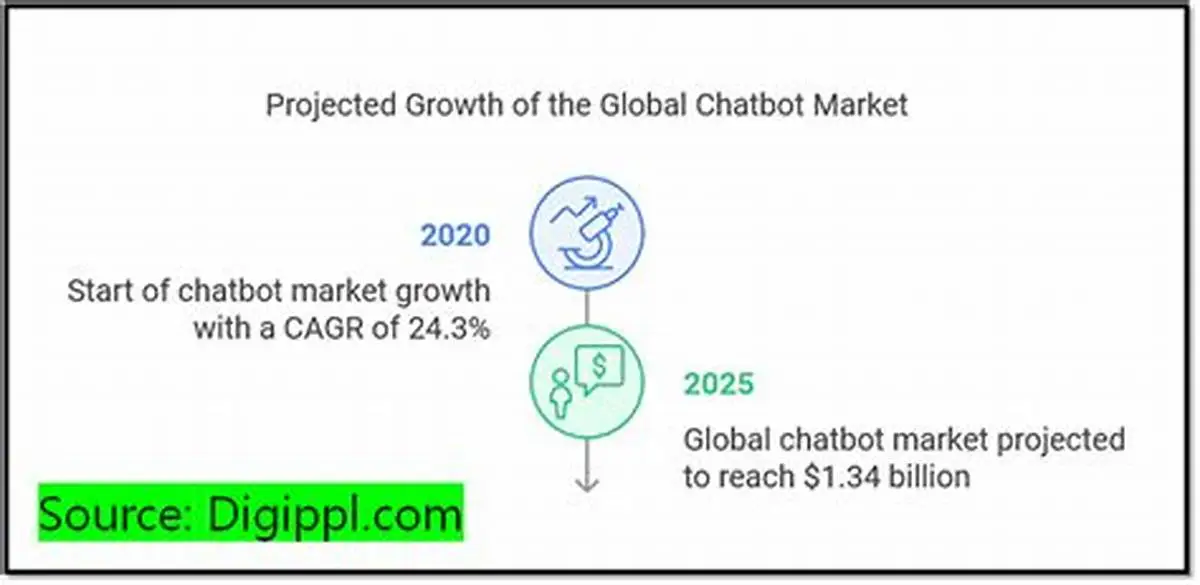
The rise of mobile-first users, faster smartphones, and global demand for 24/7 availability are pushing businesses to adopt AI. According to Statista, the global chatbot market is expected to reach $1.25 billion by 2025—and that’s just the tip of the iceberg. AI chat assistants aren’t optional anymore; they’re part of the core user experience.
Breaking Down the Costs: What You’re Really Paying For
1. Core AI Development: NLP, ML, and Beyond
Building a chat assistant isn’t just slapping together a few APIs. At the core is Natural Language Processing (NLP) and Machine Learning (ML)—the tech that makes your AI understand what users are saying. You’ll need data scientists, NLP engineers, and AI trainers. Expect 20–30% of your budget to go into just this foundational layer.
2. Backend Infrastructure: Where the Magic Happens
Your AI assistant needs a brain and a nervous system. Hosting large language models (LLMs), managing data pipelines, and scaling to handle spikes in traffic—all that requires robust backend architecture. Using cloud services like AWS, GCP, or Azure comes with variable costs: think $5,000–$15,000/month depending on usage.
3. Frontend & UX: The Human Touch
Don’t underestimate the frontend. Your users will interact with the AI through a sleek UI—buttons, animations, and flows that feel intuitive. A great chat experience is like a good first date: smooth, engaging, and leaving users wanting more. Design and development here can run from $10,000–$25,000.
4. Training & Fine-Tuning: The Cost of Getting It Right
Off-the-shelf models can only take you so far. To make the AI understand your users’ slang, pain points, and intent, you’ll need to fine-tune it on domain-specific data. That means gathering datasets, labeling them, and running iterative tests. This can easily eat up $5,000–$50,000, depending on the complexity.
5. Maintenance, Updates, and Monitoring: The Ongoing Tab
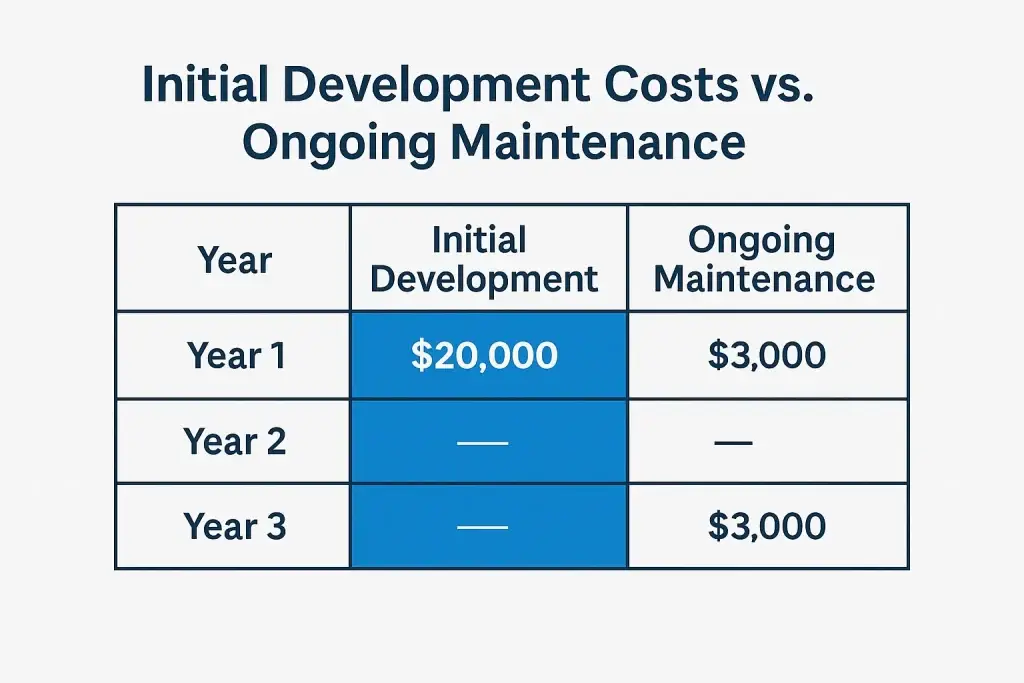
Your AI won’t stay sharp forever. Expect to spend 15–20% of your initial budget annually on updates, monitoring, and bug fixes. It’s like owning a car—regular tune-ups are a must, or you’ll end up stranded on the side of the digital highway.
Hidden Costs Startups Forget to Budget For
Let’s get honest—there are sneaky costs that founders rarely see coming. Like user data privacy compliance. If you’re handling chats in Europe? Hello, GDPR. Or say you’re targeting healthcare? You’ll need HIPAA compliance. Each regulation adds layers of complexity (and cost) to your build.
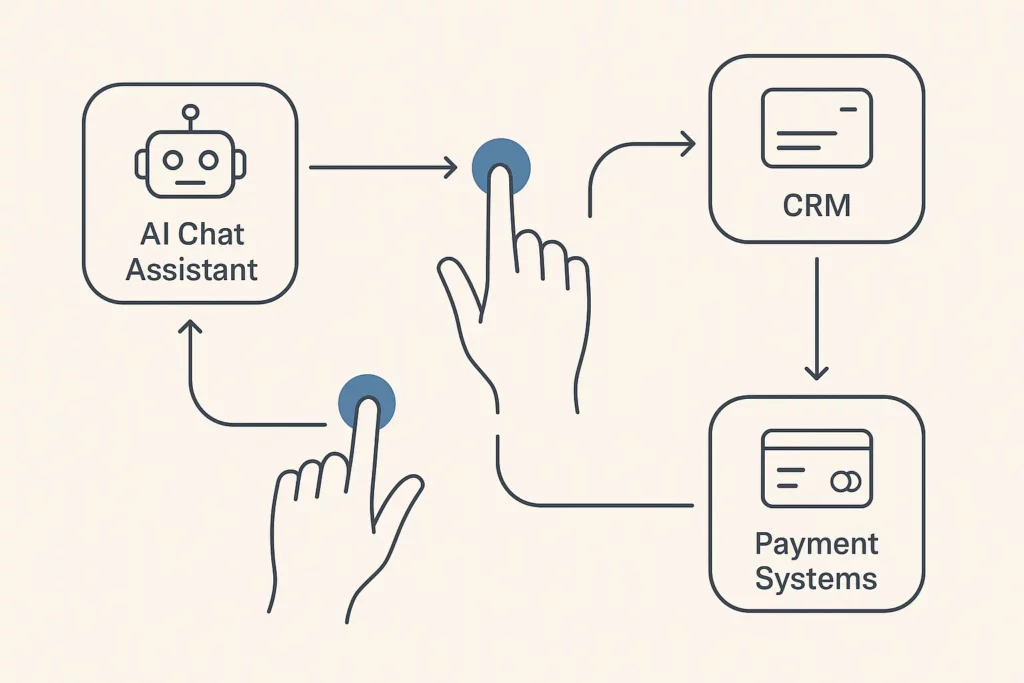
Then there’s third-party integrations—payment gateways, CRMs, analytics platforms. They may seem plug-and-play, but licensing fees and API limits can rack up a pretty penny over time.
Read more: Best Grok Clone Scripts in 2025: Features & Pricing Compared
Can Startups Cut Corners on AI Development?
Short answer? Maybe, but you probably shouldn’t. Sure, you can bootstrap with no-code tools like Dialogflow or Chatbase, but you’ll hit a ceiling fast. They’re great for prototyping, but for a scalable, monetization-ready AI product, you’ll need custom development. Think of it like building a house—you wouldn’t want a prefab shack when your vision is a modern villa.
Besides, skimping on AI ethics and transparency? That’s a PR nightmare waiting to happen. Remember the backlash when platforms like Facebook mishandled user data? Yeah, you don’t want that smoke.
Final Thoughts
Building an AI chat assistant is no small feat, and it’s definitely not cheap. But for startups ready to play in the big leagues, it’s an investment worth making. From NLP to UI polish, every dollar you spend shapes your product’s success—or failure.
The good news? You don’t have to go it alone. At Miracuves, we help innovators launch high-performance app clones that are fast, scalable, and monetization-ready. Ready to turn your idea into reality? Let’s build together.
FAQs
Q:1 How much does it cost to develop a basic AI chat assistant?
Development costs depend on functionality and customization needs. Market rates generally vary based on the scope, technology stack, and level of AI capabilities required.
Q:2 Can I build an AI chat assistant without a development team?
Technically, yes—with no-code tools. But if you want a custom, scalable solution, a dedicated team is essential.
Q:3 What factors make AI development more expensive?
Custom NLP models, complex integrations, compliance requirements, and long-term maintenance all add to costs.
Q:4 Are there any open-source tools for AI development?
Yes, frameworks like TensorFlow, PyTorch, and Hugging Face offer free resources, but customization still takes time (and money).
Q:5 How long does it take to develop an AI chat assistant?
Timelines vary based on complexity and functionality. Simple assistants can be launched faster, while feature-rich solutions typically need more development and optimization efforts.
Q:6 Is AI chat development a one-time investment?
Nope! AI systems need regular updates, training, and monitoring—expect ongoing costs of 15–20% of the initial budget.
Related Articles: