



Introduction
In 2020, a simple app took the world by storm. Locket, which allowed users to send live photos to their friends’ home screens, wasn’t groundbreaking in tech—but it was in emotion. Teenagers felt closer to loved ones during isolation, resulting in millions of downloads within weeks. What was the secret sauce? Not just usability. It was emotional design.
1. Thesis: Beyond Usability Lies Emotional Magic
Great usability makes an app usable. Emotional design makes it unforgettable. While functionality is foundational, emotion is what makes users care, share, and return. Emotional design is the true game-changer behind apps that go viral.
Preview
This blog explores what emotional design is, why it drives virality, and how you can embed it in your app—from psychology-backed insights to actionable design strategies.
2. What Is Emotional Design?
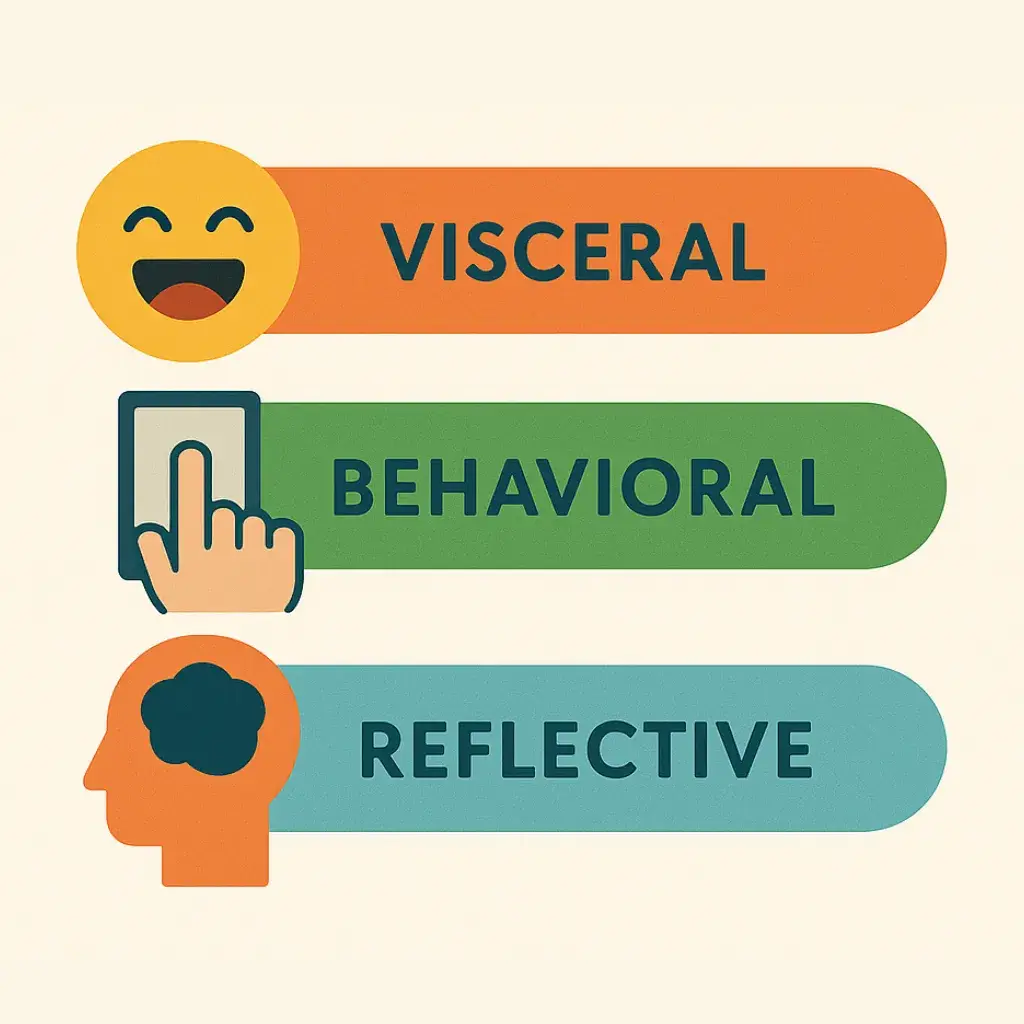
Coined by Don Norman, emotional design breaks down the human response to products into three levels:
- Visceral: Immediate reaction to visuals (colors, animations).
- Behavioral: Usability and joy during use.
- Reflective: Long-term emotional impact and meaning.
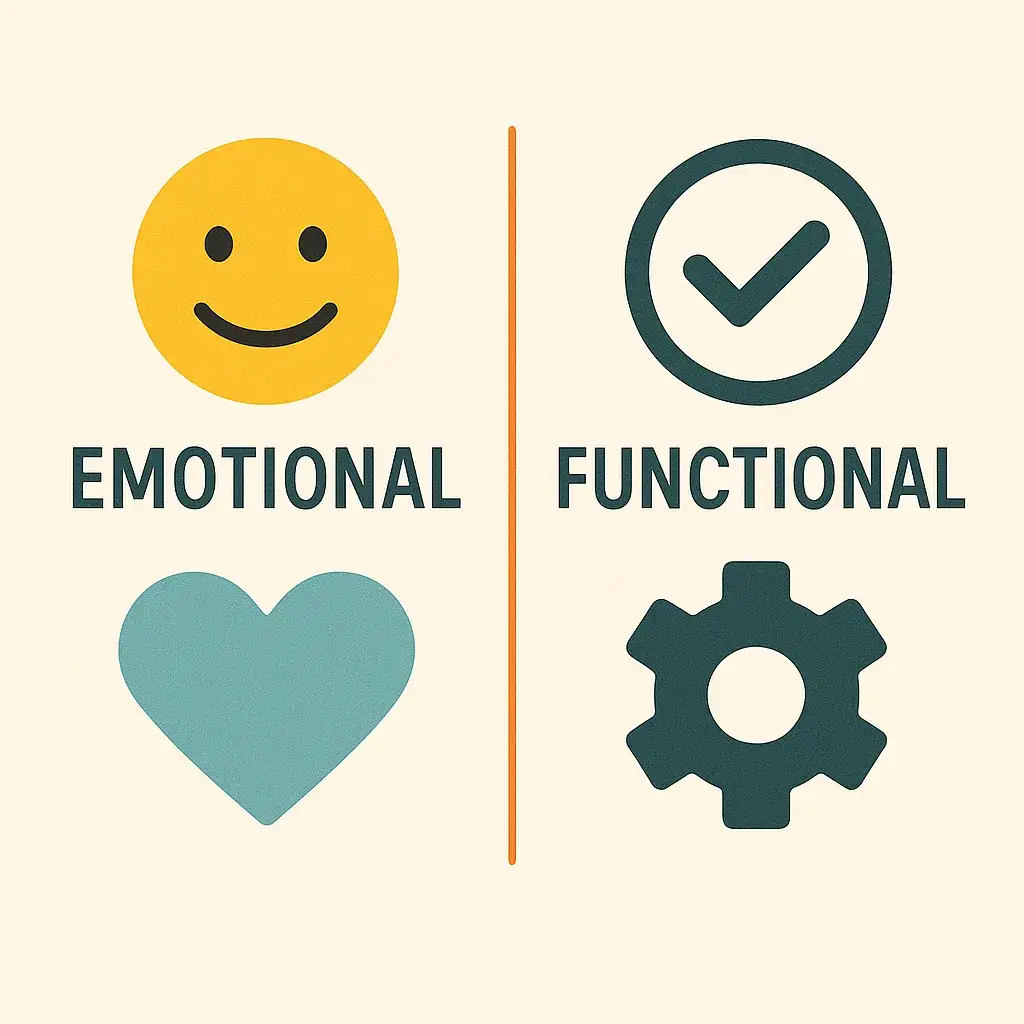
Emotional vs. Functional Design
- Functional design focuses on problem-solving, speed, and ease of use.
- Emotional design taps into how users feel before, during, and after use.
Example: TikTok’s endless scroll loop isn’t just usable—it’s addictive. Duolingo’s owl doesn’t just remind you; it makes you feel guilty, then triumphant.
“Emotion is the glue that makes experiences stick.” — Dan Pink
3. The Psychology of Why Emotions Go Viral
Emotional Resonance Fuels Sharing
Research shows that content evoking high-arousal emotions (awe, amusement, anger) gets shared more. Apps that stir feelings—whether joy, nostalgia, or empathy—get talked about.
Social Currency: Emotion Builds Identity
People share experiences that make them look smart, funny, or kind. Emotional features (like personalized streaks or humor-driven notifications) give users reasons to share—boosting virality.
Neuromarketing & Dopamine Loops
Apps like Instagram and TikTok leverage dopamine hits through:
- Variable rewards (likes, views).
- Unexpected delights (new filters, reactions).
- Emotional triggers (comments, duets).
These loops keep users engaged and emotionally invested.
4. Anatomy of Emotionally Driven Features in Viral Apps
1. Surprise & Delight
- Whimsical animations: Google Doodles or Duolingo’s dancing owl.
- Easter eggs: Slack’s “/shrug” or Notion’s quirky illustrations.
2. Empathy & Relatability
- Stories format: Instagram’s ephemeral stories foster real-time connection.
- Relatable UI: Spotify’s Wrapped uses nostalgia and personalization to emotionally reengage users yearly.
3. Achievement & Belonging
- Streaks: Duolingo and Snapchat both use them to create FOMO and habit loops.
- Community signals: Reddit karma or likes on Medium give social validation.
4. Trust & Reassurance
- Human copy: Calm’s use of soothing words like “It’s okay to pause.”
- Visual cues: Rounded edges, soft gradients, and gentle transitions communicate safety.
5. Real-World Case Studies
Duolingo
- Emotional levers: Guilt, humor, achievement.
- Tactics: Animated owl that shames, cheers, and celebrates.
- Impact: 20M+ daily users and a cult-like following.
Headspace
- Emotional levers: Calm, reassurance, self-care.
- Tactics: Animated characters, gentle voiceovers.
- Impact: Increased long-term retention and brand trust.
Instagram/TikTok
- Emotional levers: Belonging, creativity, excitement.
- Tactics: Filters, reactions, duet/stitch functionality.
- Impact: Multi-million global communities driven by emotional storytelling.
Notion/Calm
- Emotional levers: Cozy aesthetics, empowerment.
- Tactics: Warm colors, minimal design, affirming onboarding.
- Impact: Habit-forming apps with strong brand love and user loyalty.
6. How to Embed Emotion into Your App Design
1. Research Emotions That Matter
- Conduct user interviews focused on feelings.
- Use questions like: “When did you last feel joy using an app?”
2. Build Emotional Personas
- Beyond demographics, define emotional goals.
- Example: “Anxious learner seeking calm guidance” (Duolingo-type user).
3. Use the Right Voice & Tone
- Align copy with the emotion you want to evoke.
- Fun? Use emojis and exclamations. Calm? Use short, slow-paced language.
4. Add Delight Moments
- Include micro-interactions like:
- Confetti on goal completion.
- Playful sounds for task achievements.
- Confetti on goal completion.
5. Test Emotion Iteratively
- Use A/B testing on copy, colors, or animations.
- Use tools like Likert scales for feedback: “How fun was that interaction?”
6. Create a Consistent Emotional Arc
- From onboarding to offboarding, align every touchpoint with your emotional goal.
- Ensure colors, typography, sound, and UX speak the same emotional language.
“Attractive things work better.” — Don Norman
7. Measuring Emotional Impact
Qualitative Signals
- User feedback: Look for emotional keywords in reviews (“love,” “fun,” “cute”).
- Interviews & surveys: Ask how people felt during app use.
Quantitative Metrics
- Net Promoter Score (NPS): Gauges emotional loyalty.
- Session duration: Longer time = more emotional engagement.
- Virality coefficient (K-factor): Higher shares suggest emotional resonance.
A/B Testing Emotional Changes
- Test emotional UI elements: animations, tones, rewards.
- Track conversion, shares, and drop-offs to quantify emotional pull.
8. Pitfalls & Ethical Considerations
Avoid Manipulation
- Don’t guilt-trip users excessively (e.g., “Your friend is waiting for you!”).
- Stay away from dark patterns like forced opt-ins masked as rewards.
Balance Emotion & Clarity
- Don’t overdo animations or cuteness at the cost of clarity.
- Always prioritize user understanding.
Respect Emotional Health
- Avoid overwhelming stimuli (e.g., flashing colors, intense sound).
- Allow users to pause, mute, or disable emotional features.
Conclusion
Emotion is the X-factor that turns users into fans, and fans into advocates. Apps that tap into our feelings—through delight, empathy, or calm—don’t just get used. They get loved.
You’re not just designing interfaces. You’re designing feelings. Start small: audit your app for emotional gaps. Where’s the joy? The warmth? The connection?
In the end, users might forget what your app did—but they won’t forget how it made them feel. That’s the secret to virality. That’s the secret to loyalty. And that’s the future of design.
So design with empathy. Design for delight.
Design for the heart—and the downloads will follow.