


Key Takeaways
What You’ll Learn
- Uber clone scripts offer a faster path to launch than building from scratch.
- Feature comparison helps identify which script is practical for real ride-hailing operations.
- Pricing differences depend on product depth, scalability, and deployment support.
- Readymade platforms can reduce development time and early technical overhead.
- The right script choice depends on launch goals, budget, and customization needs.
Stats That Matter
- Prebuilt Uber clone scripts are generally more affordable than building a platform from scratch.
- Pricing usually changes based on features, source-code access, and deployment support.
Real Insights
- Prebuilt scripts work best when launch speed matters more than ground-up development.
- The best solutions combine core features, source-code access, and deployment support.
- A cheaper script is useful only if it supports real customization and operational scale.
- Backend control and admin visibility matter as much as rider-facing design.
- The smart choice comes from value, not just the lowest price.
If there’s one app that changed how the world hails a ride, it’s Uber. From revolutionizing urban transport to redefining the gig economy, Uber set the stage for on-demand mobility. But here’s the kicker: you don’t need to be Travis Kalanick or raise a gazillion in funding to create your own ride-hailing empire. With today’s Uber clone script, launching a polished, scalable, and revenue-ready app is not only doable—it’s fast, affordable, and smart
Let’s say you’re an entrepreneur in Lagos, a founder in Dhaka, or an operator in Lisbon. You’ve seen how ride-hailing apps transform local economies. You’ve spotted inefficiencies. Maybe Uber doesn’t cater to your niche, your pricing, or your drivers. That’s your opening. Uber clone script in 2026 are not just about copying features—they’re about unleashing a hyper-local, customizable solution that puts you in the driver’s seat
At Miracuves, we’ve seen clients go from idea to launch in 6 Days guaranteed delivery. No bloated dev cycles, no sky-high costs—just solid code, smart design, and feature sets ready for the real world. Let’s dive into what separates the best Uber clone script this year and how to pick one that fits your budget and vision
What Exactly Is an Uber Clone Script?
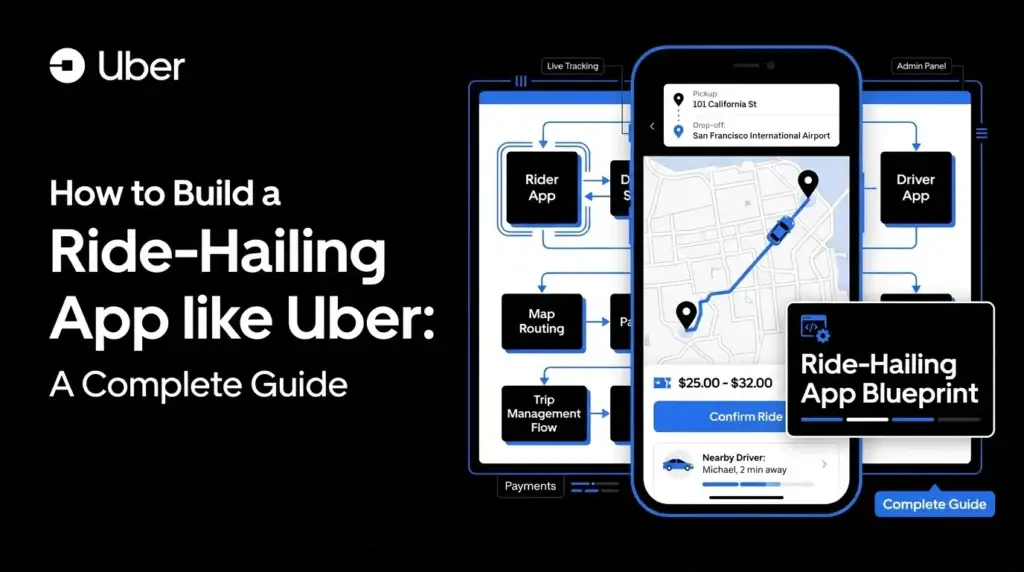
An Uber clone script is a prebuilt app source code that replicates Uber’s core functionality—rider app, driver app, admin dashboard, geolocation, fare calculation—but with your own branding, pricing model, and region-specific tweaks. It’s not a fake Uber. It’s your own ride-hailing business with a proven structure
What’s great about 2026’s offerings is how flexible they’ve become. You’re not stuck with one layout or one algorithm. You can decide if you want hourly rentals, bike taxis, shared rides, or even electric scooter bookings. The tech stack is modular, meaning you can build exactly what your riders need—and leave out the fluff
Read More : Top 14 Must-Have Features in an Uber Clone for Ride-Hailing Success
Must-Have Features in 2026 Uber Clone script
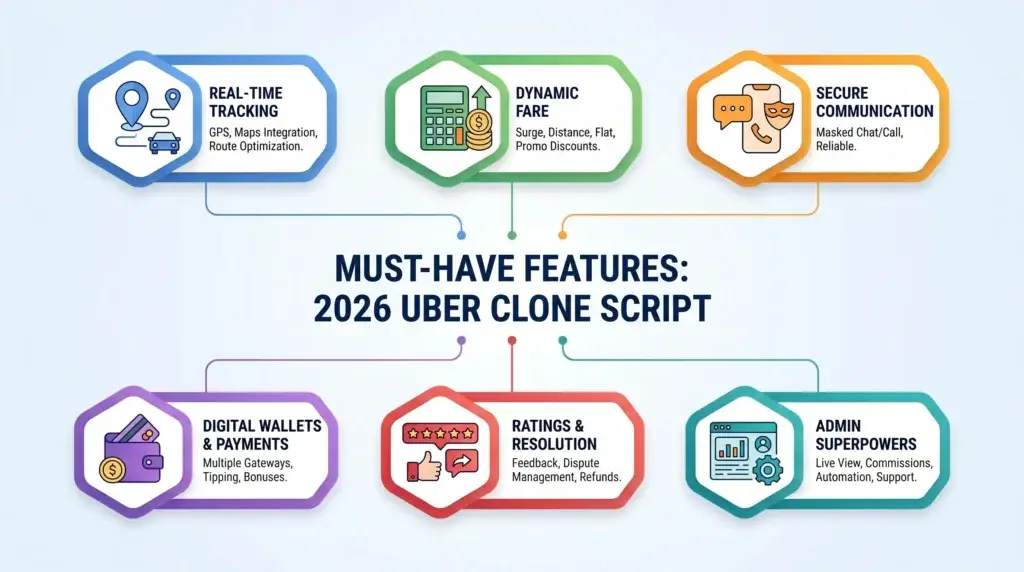
Real-Time Ride Matching & GPS Tracking
Matching passengers to the nearest available driver in real time is table stakes. The script should support live tracking, route optimization, and Google Maps integration
Dynamic Fare Calculation
Your platform should handle flat fares, distance-based pricing, surge charges, waiting fees, and even promotional discounts with ease
In-App Chat & Call
Riders and drivers need to communicate before and during the trip. Look for secure, number-masked chat/call features that work smoothly under varying network conditions
Digital Wallet & Multiple Payment Gateways
Cash, card, wallet, and local payment gateways should all be supported. Bonus if it includes tipping options, promo codes, and referral bonuses
Ratings, Reviews & Dispute Resolution
The best apps don’t just run—they self-correct. Riders should be able to rate drivers, submit complaints, and receive refunds through a simple UX
Admin Superpowers
A powerful backend panel for operators lets you view live rides, manage commissions, create driver incentives, and handle customer support. Automation here is a game-changer
Read More : The Future of Ride-Hailing Apps: Why Uber Clone is Leading the Charge
Pros and Cons of Using an Uber Clone Script
Pros
Faster Launch: Skip years of building and testing. Get to market in weeksAffordable Scaling: Modern script are cloud-native and load-balancedCustom Brand Identity: Change colors, logos, features—make it yours
Cons
Initial Look-Alike Feel: Without design customization, users may compare it to UberSource Code Dependency: Choose vendors who give full code accessIntegration Effort: Payment gateways, language packs, and maps may need local tweaks
Read More : Uber Clone vs. Indrive Clone: Which Ride-Hailing Platform is More Scalable?
Global Cost Factors & Pricing Breakdown
Uber-Style Ride-Hailing Platform — Market Price
PHP/Laravel is often the most practical choice for launching an Uber clone quickly and affordably. Node.js/Python fits better when real-time ride flows and heavier platform activity become more important, while Go microservices are better suited for enterprise-scale ride-hailing platforms with higher concurrency and more complex infrastructure needs.
These amounts reflect the broader global market cost of building an Uber-style ride-hailing platform based on the selected backend architecture, real-time infrastructure requirements, scalability goals, and the overall complexity of dispatch, tracking, and marketplace operations.
Miracuves Uber-Like App Solution Cost and Tech Stack
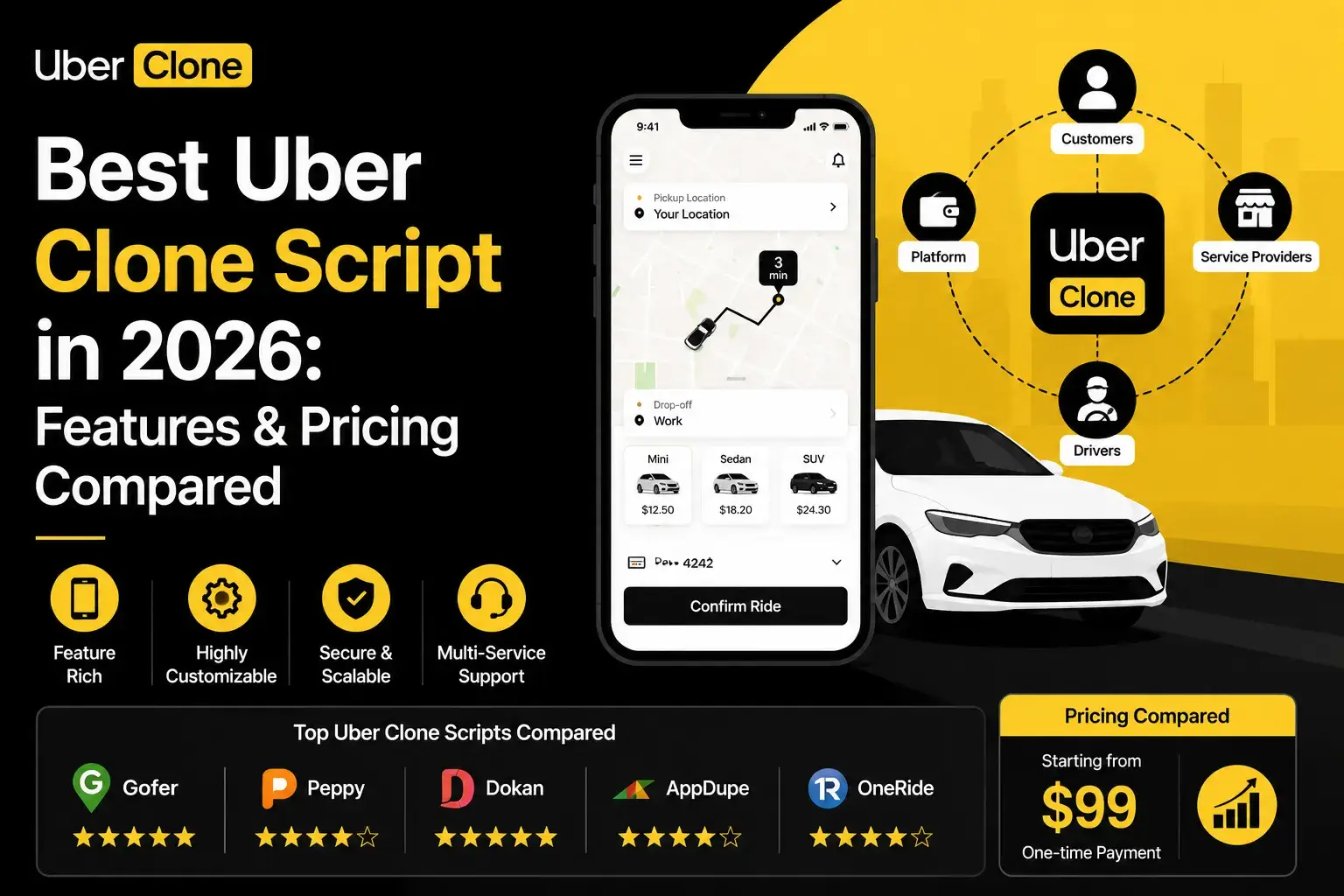
Miracuves Pricing for a Uber-Like Super App developed in PHP/Laravel with Flutter Apps for $2,199 USD (One-Time Price) in just 6 days
Get a fully developed, deployment-ready platform modeled after Uber. Built on a rock-solid PHP/Laravel foundation, this complete package includes everything you need to launch and scale:
- Core Workflows: Ride booking, driver matching, real-time ride tracking, fare estimation, and end-to-end trip management.
- Built-in Finance: In-app wallet logic, pricing operations, and payout setups.
- Management Hub: Comprehensive provider management and a centralized admin backend.
- Launch-Ready: Fully prepped for your custom branding, configuration, and immediate market entry.
Why Miracuves’s Uber Like App is so affordable?
Most complex super apps force you into expensive architectures like Node.js or Go. Building from scratch with those frameworks requires highly specialized, expensive engineering teams, which drives the cost into the tens or hundreds of thousands of dollars.
We took a smarter, more practical approach:
- You Aren’t Paying for Ground-Up Development: Our multi-service engine is already developed, battle-tested, and ready to deploy. You skip the inflated costs and months of waiting associated with building from scratch.
- The Power of PHP / Laravel: We built this on one of the most reliable, globally adopted frameworks in the world. Not only does this keep our upfront costs down, but it also protects your future budget. PHP has a massive global talent pool, making it incredibly easy and cost-effective for you to find developers for future scaling or customizations.
You get an enterprise-capable, heavy-duty foundation without the inflated Silicon Valley price tag.
Note: The cost mentioned above is for the solution, re-branding, deployment and source code only.
Key Trends Driving Uber Clone Popularity in 2026
- Rise of Niche Ride Platforms: Women-only rides, rural taxi aggregators, green transport
- Government Bans & Market Gaps: In many countries, Uber isn’t allowed—hello opportunity
- Localized Pricing: Regional platforms can win by undercutting Uber’s one-size-fits-all pricing
- Loyalty Programs & Community-Driven Apps: Riders want to feel a part of something
- API Integrations with EV Chargers, City Transit, and Insurance: Expand beyond basic transport
Best Use Cases for Uber Clone Platforms
- Startups in Tier-2 and Tier-3 cities underserved by Uber
- Taxi unions launching digital platforms to modernize fleets
- NGOs offering subsidized transport to students and senior citizens
- Eco-friendly ride-hailing services with electric scooters or bikes
- Airports or railways needing their own taxi app to reduce chaos
Conclusion
Building a ride-hailing app in 2026 is no longer an uphill battle. With a powerful Uber clone script, you can hit the ground running and carve out your own space in the mobility ecosystem. Whether it’s for mass transport in a big city or solving a micro-problem in a small town, the opportunity is yours to own. Focus on user experience, smart operations, and flexible pricing—and you’ll leave even the biggest names in your rearview mirror
At Miracuves, we help innovators launch high-performance app clones that are fast, scalable, and monetization-ready. Ready to turn your idea into reality? Let’s build together
FAQs
Can I customize the Uber clone for a specific region or language?
Yes, most clone script are multilingual and support localization for currencies, units, and map providers
Is it legal to launch an Uber clone?
Absolutely—as long as you don’t copy branding or proprietary tech, you can build and launch your own ride-hailing service legally
Do I need separate apps for riders and drivers?
Yes, Uber clone solutions typically include a rider app, driver app, and admin panel, each with its own UX
Can I add features like rentals or delivery to an Uber clone?
Yes, most modern script allow you to add services like car rentals, bike sharing, and even parcel delivery through modular updates
How do I attract drivers to my platform?
Offer better commissions, transparent payment tracking, and strong driver support to win them over from competitors
Is Uber clone technology suitable for corporate or fleet operators?
Yes. Many businesses use Uber clones to manage internal transport, staff shuttles, or franchise operations
Related Articles