



Key Takeaways
What You’ll Learn
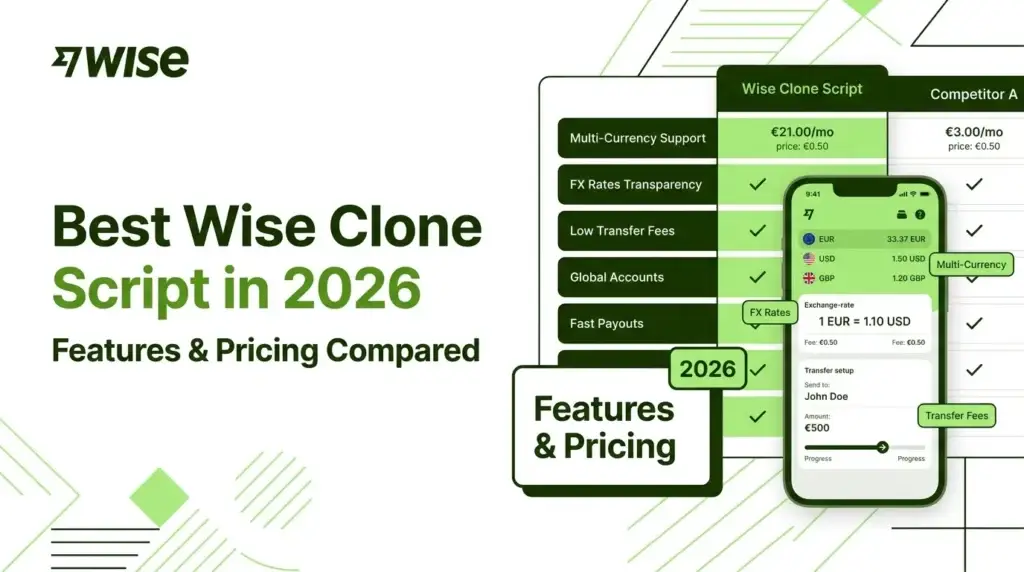
- A Wise-like platform is not just about sending money internationally — it is about reducing hidden costs, improving rate visibility, and making transfers feel more transparent and reliable.
- Low-fee forex works as product logic when the platform removes friction around pricing, exchange rates, speed, and user trust.
- Multi-currency infrastructure is a core part of the product because it helps manage balances, conversions, live rates, and cross-border payment flows.
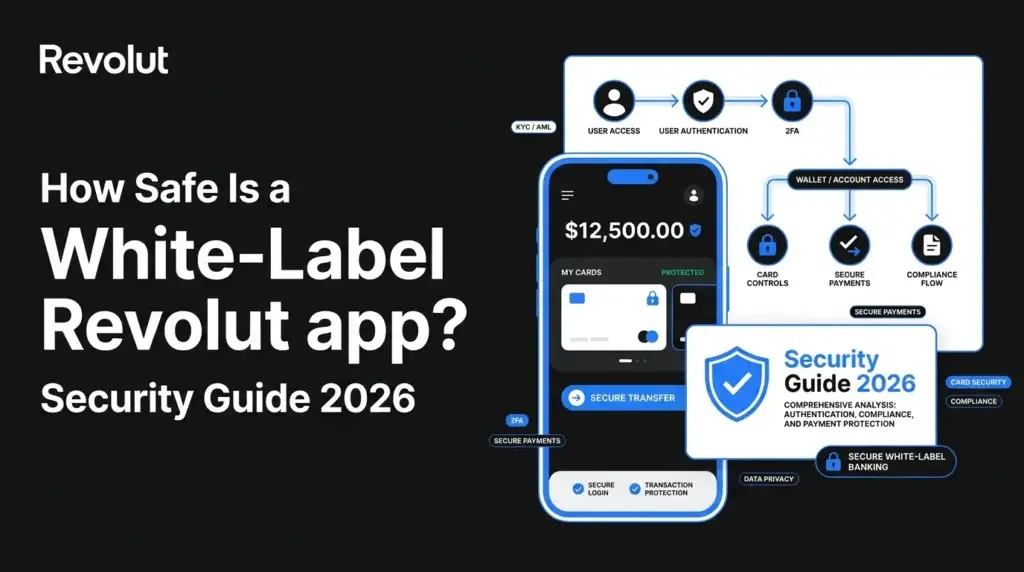
- Compliance should be built from the start so the platform is prepared for identity checks, AML controls, transaction monitoring, and long-term scale.
- The real opportunity is solving the deeper remittance problems that make users lose money, time, and confidence during international transfers.
Stats That Matter
- Traditional remittance pain points still include high fees, exchange-rate markups, intermediary charges, unclear deductions, and poor visibility into the true transfer cost.
- Users care most about a few critical things — how much they are paying, what exchange rate they receive, how quickly money moves, and whether the product feels safe and reliable.
- Multi-currency API logic helps the platform handle currency display, conversion, storage, wallet balances, and smoother international payment experiences.
- Compliance readiness in the blog includes identity verification, anti-money laundering checks, suspicious activity review, and transaction monitoring.
- A low-fee forex platform can also improve business performance through lower user drop-off, better payment completion, stronger retention, lower support overhead, and greater user confidence.
Real Insights
- Low-fee forex is not only a pricing advantage because it directly shapes trust, completion rates, and how users judge the fairness of the product.
- Multi-currency logic should never be treated as an extra feature because it sits at the core of how a remittance platform performs.
- Compliance supports growth as well as protection since it helps build trust, work with partners, expand into more markets, and scale more confidently.
- Monetization can come from multiple layers such as service fees, premium account plans, wallet features, conversion margins, and business payment services.
- For founders, the strongest takeaway is that a Wise-like product succeeds when it combines transparent pricing, strong remittance logic, multi-currency infrastructure, and compliance-led trust.
Cross-border finance keeps growing, but the user experience is still broken in many places. People send money abroad for family support, payroll, vendor payments, travel, education, and global business operations. Yet many financial products still feel expensive, slow, and unclear.
That creates a real opportunity for founders.
If you are planning to build a Wise Clone or any cross-border fintech platform, the opportunity is not just in offering international transfers. It is in solving the deeper product problems that make users lose money, time, and trust.
Many fintech products fail because they focus too much on screens and not enough on transaction logic. In remittance and forex products, users care about a few simple things:
- how much they are paying
- what exchange rate they are getting
- how fast the transfer will move
- whether the product feels safe and reliable
That is why low-fee forex is not just a pricing idea. It is product logic. It is about reducing friction across the full money movement experience.
Why Cross-Border Finance Still Has a Major Product Gap
Cross-border payments should feel simple by now, but in many cases they still do not. Traditional systems often create too many layers between sender and receiver. That leads to hidden costs, slower processing, and weak transparency.
For startups and fintech founders, this gap is important because it shows where better products can win.
Users are no longer satisfied with:
- unclear transfer charges
- poor exchange-rate visibility
- delayed status updates
- difficult cross-border payment flows
Businesses are also under pressure. They need faster ways to handle global payments, overseas payroll, vendor transactions, and multi-country financial operations.
A strong product in this space must do more than move money. It must remove friction in a way users can immediately feel.
Remittance Hurdles That Still Hurt Users and Businesses
The remittance market still has several pain points that traditional institutions have not solved well. These issues affect both personal users and business customers.
High Fees and Hidden Exchange Losses
One of the biggest frustrations in remittance is cost.
Many users see an upfront fee, but that is only part of the total expense. They may also lose money through exchange-rate markups, weak conversion pricing, intermediary charges, or unclear deductions.
This leads to a poor experience because users do not fully understand the real cost of the transfer.
For individuals, that means less money reaches family or recipients. For businesses, it means repeated value loss on international payments.
A better fintech product should clearly show:
- transfer fee
- exchange rate
- final payout amount
- expected delivery time
That level of clarity helps users trust the platform more quickly.
Delays and Poor Status Visibility
Transfer speed matters, but visibility matters just as much.
Users want to know where their money is. They want confirmation that the payment has started, updates while it is moving, and clear notice when it is completed.
Traditional systems often create frustration because:
- tracking is vague
- timelines are inconsistent
- support becomes the only source of answers
For a user sending money to family, uncertainty creates anxiety. For a business handling international operations, it creates inefficiency.
When status visibility is poor, even a successful payment can feel unreliable.
Regional Friction and Weak User Experience
Cross-border products must work across different banking systems, payout methods, regulations, and currency environments. What works in one country may create friction in another.
Without proper product planning, users may face:
- unsupported currencies
- failed transfers
- confusing verification steps
- inconsistent transaction flows
This is why a remittance product cannot be treated like a simple payment app. It needs strong logic behind currency handling, payout routing, compliance checks, and transaction communication.
These pain points also create room for stronger fintech products. Founders who understand them can build solutions that feel more useful and more trustworthy.
Why Multi-Currency APIs Matter in a Wise Clone
If remittance friction is the visible problem, multi-currency infrastructure is a big part of the solution.
For any founder planning a Wise Clone, multi-currency API logic is one of the most important parts of the product foundation. It helps the platform manage how currencies are displayed, converted, stored, and transferred.
What Multi-Currency API Logic Handles
A strong multi-currency setup supports the actions users expect inside a modern cross-border finance product.
This often includes:
- live exchange-rate updates
- currency conversion logic
- wallet balance visibility
- fee calculation
- transaction tracking
- payout flow support
For example, a user may hold money in one currency, convert part of it into another, and send it internationally. The product must make that process feel clear and accurate from start to finish.
This kind of infrastructure is useful in products such as:
- remittance platforms
- travel wallets
- digital banking apps
- global payment systems
- international business payout tools
How Better API Infrastructure Improves Product Usability
Good API infrastructure makes the product easier to use and easier to trust.
It helps users quickly understand:
- what they hold
- what they are sending
- what the recipient will receive
- what charges apply
That reduces confusion and improves conversion because users feel more confident before they confirm a transaction.
For the business, strong API infrastructure also improves:
- operational consistency
- feature expansion
- transaction accuracy
- product flexibility
When the infrastructure is weak, the experience feels unstable. When it is well built, the product feels dependable.
Why Multi-Currency Logic Supports Global Growth
Many fintech products are built for one market and later forced into cross-border use. That often leads to poor wallet behavior, messy currency flows, and inconsistent user experiences.
A stronger product foundation makes it easier to:
- add more currencies
- support more countries
- expand wallet functionality
- improve global payment flows
This is why founders should treat multi-currency logic as core product architecture, not as an extra feature added later.
Roadmap — Free PDF
Why Transaction Speed Is Core to Product Value
In fintech, speed is not just technical performance. It is part of the product’s value.
Speed Builds Trust
Users expect payment products to feel fast and responsive. Even when settlement takes time in the background, the experience should still provide quick confirmation and clear progress updates.
This is especially important for:
- family transfers
- salary payments
- vendor payouts
- urgent international transactions
- global business operations
A product that handles transfers clearly and quickly creates confidence from the first use.
Slow Transfers Damage Retention
Slow payment flows do more than frustrate users. They also weaken retention.
When transfers feel delayed or unpredictable, users begin to question whether they should trust the platform for future payments. That often leads to:
- more support tickets
- repeated status checks
- lower repeat usage
- weaker customer loyalty
For businesses, slow transfers also create internal inefficiency. Teams spend more time explaining delays and resolving issues that better product design could have prevented.
Faster Transactions Create Competitive Advantage
A smoother transaction experience can become a major market advantage.
Users are more likely to return to a platform that helps them move money with:
- less waiting
- better visibility
- fewer surprises
- more confidence
In a competitive remittance market, faster and clearer transactions support:
- stronger retention
- better trust
- more completed payments
- smoother business operations
That is why transaction speed should be treated as product strategy, not just engineering output.
Legal Compliance Must Be Built Into the Product Early
Compliance should never be treated as a final-stage add-on in fintech.
If you are building a Wise Clone or another cross-border product, compliance needs to be part of the product from the start. It supports both legal protection and business credibility.
KYC, AML, and Transaction Monitoring
A serious fintech product needs systems for:
- user identity verification
- anti-money laundering checks
- suspicious activity review
- transaction monitoring
These controls help create a safer platform and show that the business is built responsibly.
For founders, the message is simple. If your product handles international money movement, compliance logic is part of the core structure.
Data Protection and Secure Recordkeeping
Cross-border finance products handle sensitive information. That includes user identity data, transaction histories, account activity, and verification records.
Founders should think early about:
- secure data storage
- structured recordkeeping
- transaction logs
- internal traceability
- audit readiness
Strong controls improve internal discipline and external trust at the same time.
Compliance Supports Credibility and Scale
Compliance does more than reduce risk. It also supports growth.
A platform built with proper checks and secure processes is better positioned to:
- build user trust
- work with financial partners
- expand into more markets
- support long-term scaling
That is why compliance should be seen as a business strength, not just a legal requirement.
How Founders Should Think About ROI
In fintech, ROI should not be viewed only through direct revenue.
A stronger product creates value through usability, trust, retention, and operational efficiency. The best returns often come from how well the product performs over time.
ROI Is More Than Direct Revenue
A low-fee forex platform can improve returns by helping the business achieve:
- lower user drop-off
- better payment completion rates
- stronger retention
- lower support overhead
- greater user confidence
It can also create monetization opportunities through:
- service fees
- premium account plans
- wallet features
- conversion margins
- business payment services
Better Product Architecture Improves Returns
The way a product is built affects how quickly it can launch, improve, and scale.
Weak architecture often leads to:
- delays
- expensive rebuilds
- unstable feature growth
- rising operational costs
Better architecture helps founders:
- launch faster
- reduce unnecessary rework
- improve scalability
- support long-term stability
That makes product planning a direct part of ROI thinking.
Trust, Efficiency, and Retention Have Commercial Value
Trust has measurable business value in fintech.
When users trust the product, they are more likely to:
- complete more transactions
- return more often
- recommend the platform
- rely on it for recurring use
Efficiency matters too. When operations are smoother, the business spends less time fixing preventable issues and more time improving growth.
That is the real ROI logic behind a well-planned cross-border fintech product.
Why Miracuves Is a Practical Development Partner
Building a remittance, wallet, or cross-border payment product takes more than a strong idea. It requires practical product logic, stable infrastructure, structured transaction flows, and clear thinking around compliance and growth.
Miracuves approaches fintech product development with that mindset.
Instead of treating cross-border finance as a standard app build, the focus stays on:
- product usability
- transaction clarity
- infrastructure strength
- scalability
- commercial relevance
For founders entering this space, that development approach matters. It helps transform a concept into a stronger market-ready product.
Conclusion
Cross-border finance still has major friction points. High fees, hidden conversion losses, slow transfers, poor transaction visibility, and compliance gaps continue to create bad user experiences and operational inefficiency.
That is exactly why the opportunity is still strong.
Founders who understand remittance hurdles, invest in strong multi-currency infrastructure, improve transaction speed, and plan for compliance early are in a much better position to build products users trust.
If you are planning to build a Wise like app or another cross-border fintech platform, the goal should not be to launch just another transfer tool. The goal should be to build a product with better logic, better transparency, and better long-term business value.
Miracuves can help you shape that product with the right structure, practical development approach, and growth-focused thinking. Contact Miracuves to build a fintech solution designed for real-world cross-border finance.
FAQ
Why do traditional banks make international transfers feel so expensive?
Because the real cost often includes more than just the transfer fee. Users may also lose money through exchange-rate markups, hidden charges, and slow processing.
Why is low-fee forex important?
It helps users save more money by reducing hidden charges and improving exchange-rate transparency.
How do multi-currency APIs help?
They manage currency conversion, wallet balances, live rates, and smoother international payments.
What makes a Wise Clone useful for modern fintech founders?
It helps solve real cross-border payment problems such as unclear pricing, multi-currency handling, slow transfers, and weak user visibility.
Why is compliance important in fintech?
It helps support secure operations, legal readiness, user trust, and long-term growth.